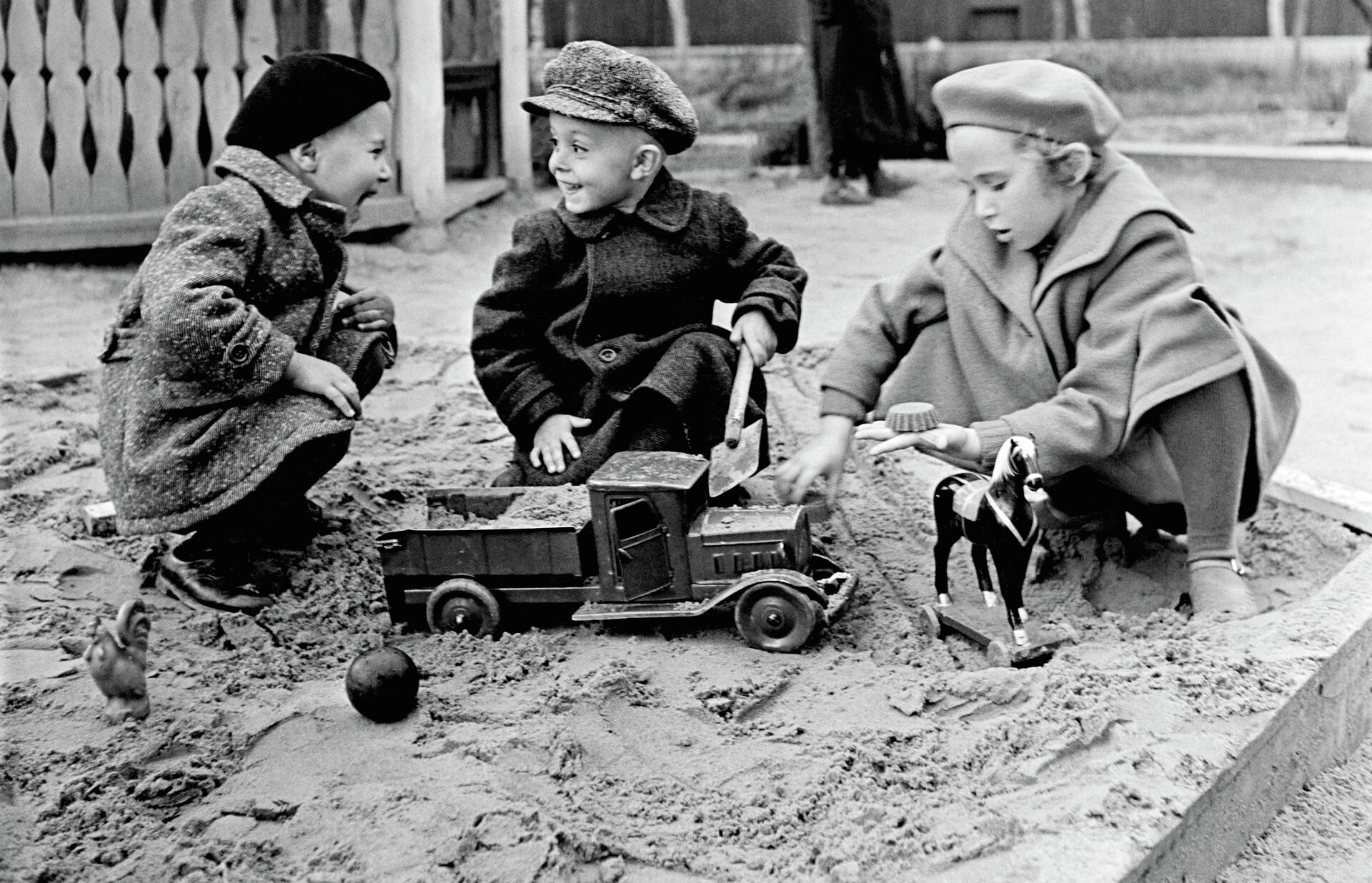
Children’s toys are not just for fun. They are an important part of any culture. Soviet and Russian toys reflected the spirit of their time.
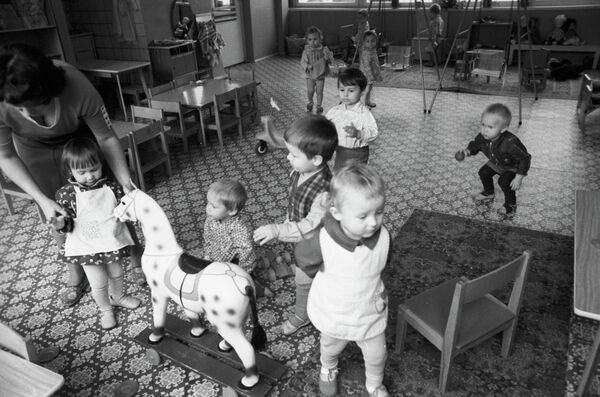
Children’s toys are not just for fun. They are an important part of any culture. Soviet and Russian toys reflected the spirit of their time. Photo: 1979. Junior kindergarten group in a playroom.
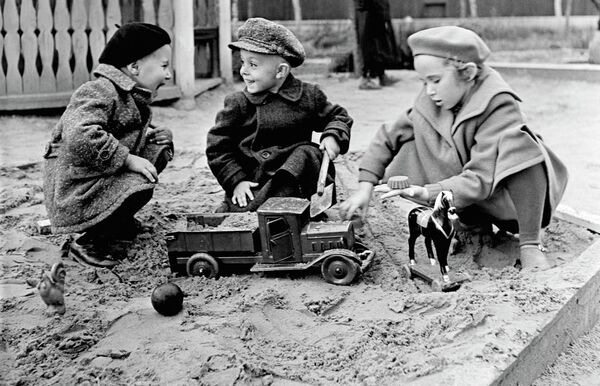
After 1930, work began on a new “Soviet toy” to symbolize the era of the “new man.”
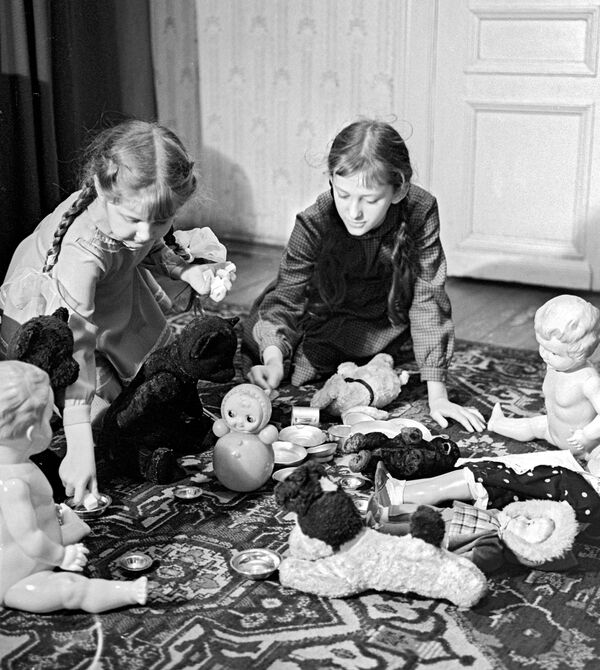
In the 1950s, cotton New Year toys, teddy bears, and of course toy soldiers, were all the rage.
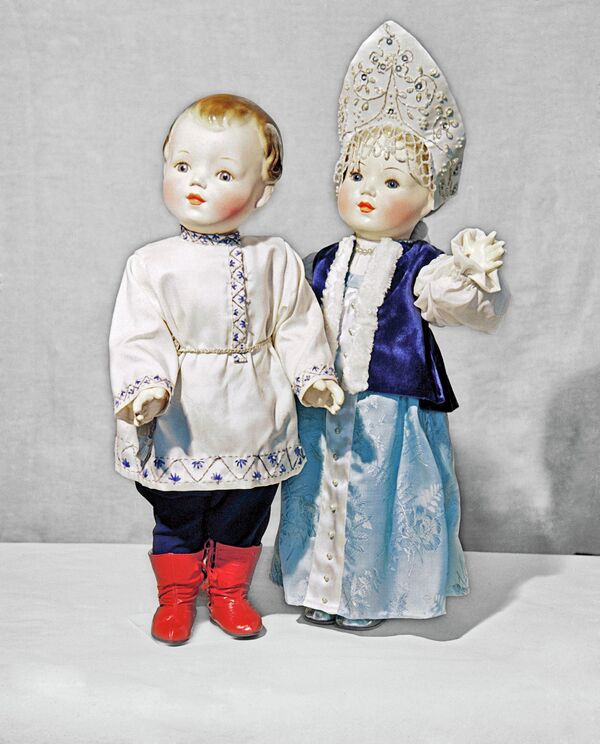
Every family had porcelain figurines.
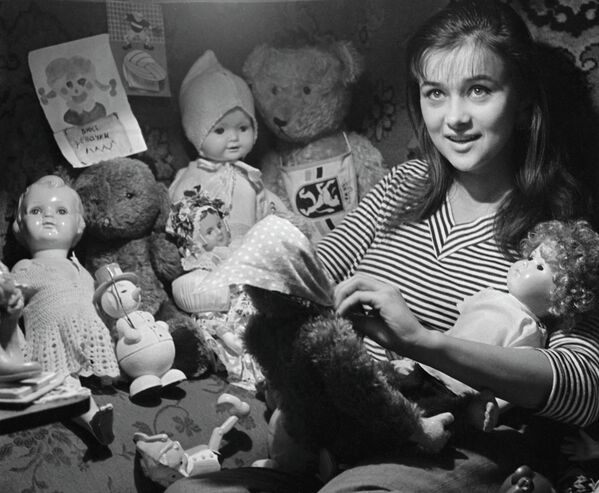
Production of celluloid kewpie dolls and toy ducks, which were popular before the war, resumed. Soft plastic dolls were modeled on the children of the time.
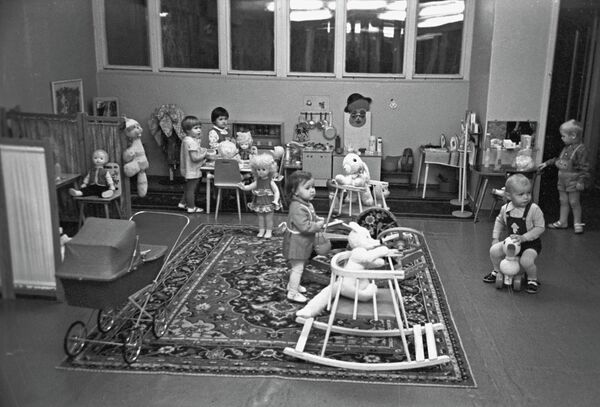
Junior kindergarten group.
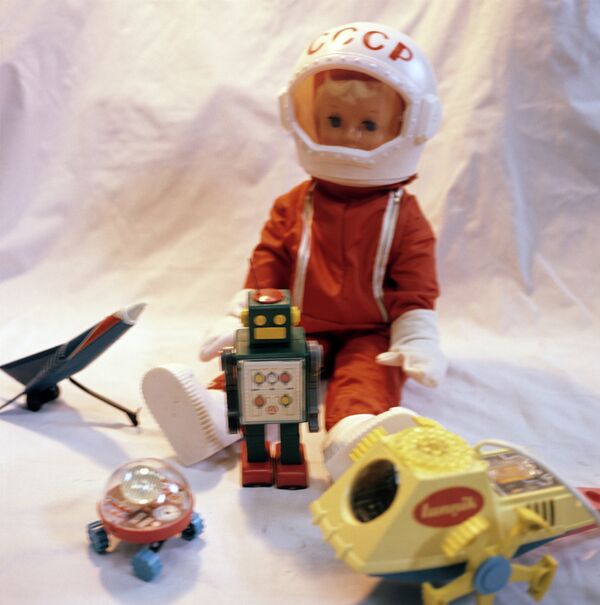
Two themes dominated in toys made during the 1960-1970s: agriculture and the space age. Golden ears of corn and a smiling Yury Gagarin were the symbols of the time.
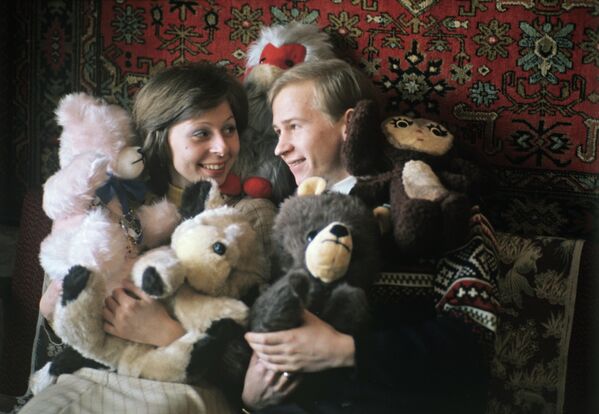
In the 1970s and 1980s, the toy industry reached its peak.
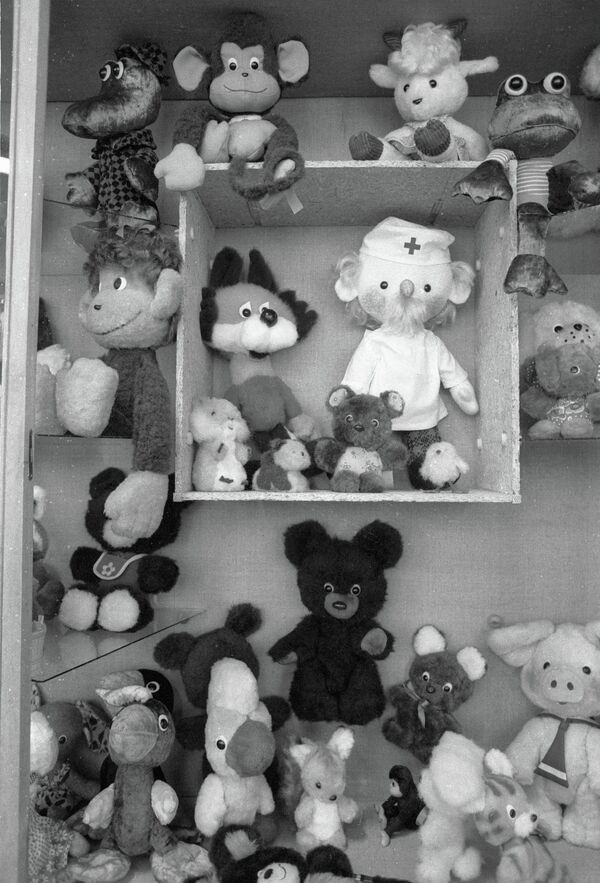
Toys were most often copied from characters depicted in Soviet cartoons: Winnie the Pooh, Gena the Crocodile, and Cheburashka.
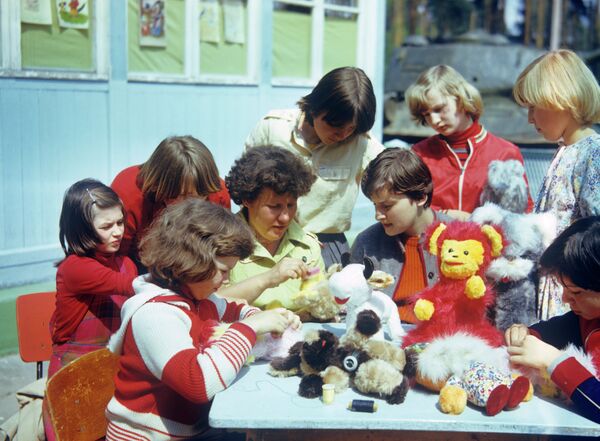
Children during a class at a soft toy club, 1983.
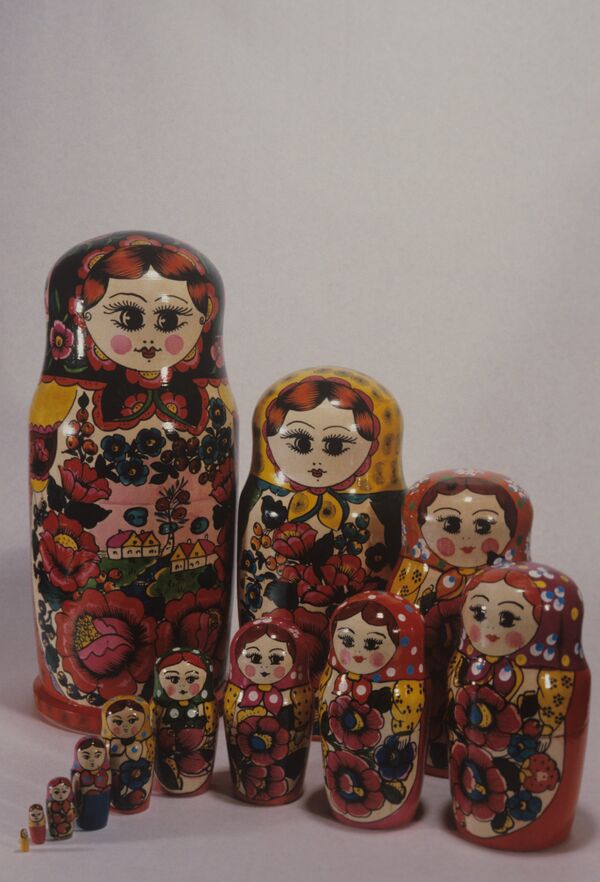
Soviet children also loved Matryoshka dolls.
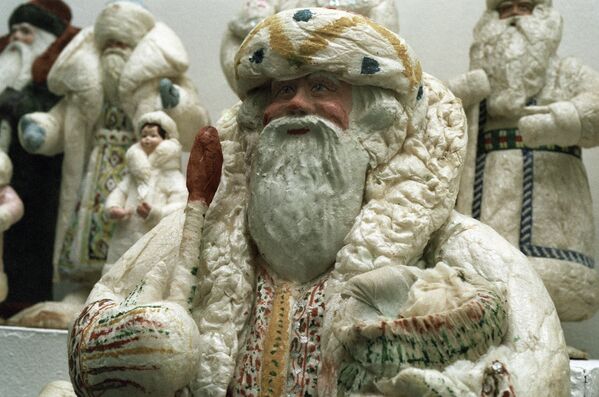
Father Frost dolls made of cotton…
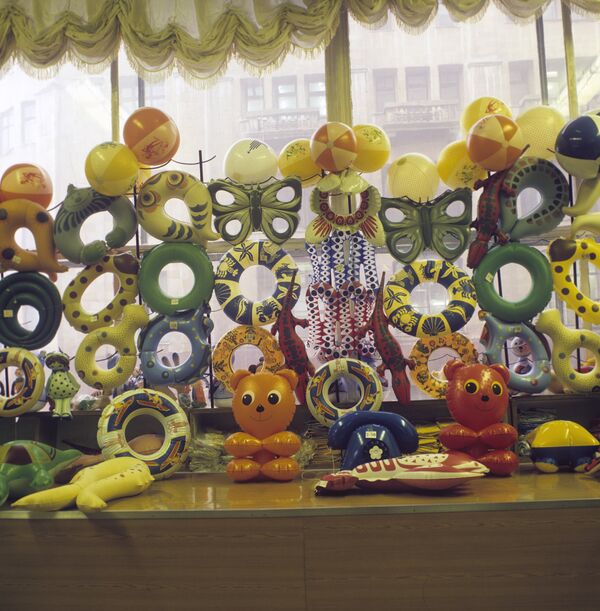
… and inflatable toys.
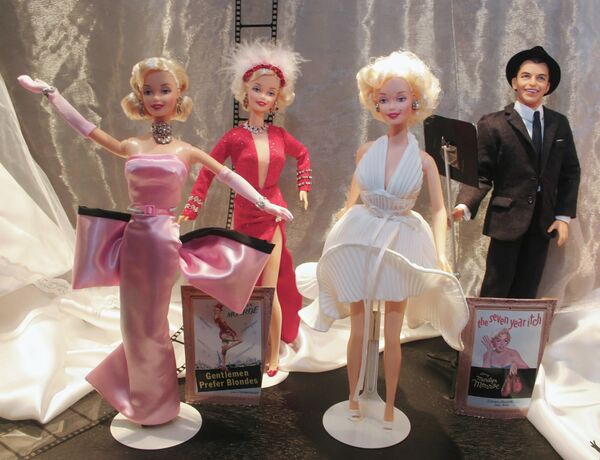
In the 1990s, foreign toys - Barbie dolls and Disney cartoon characters – inundated Russia.