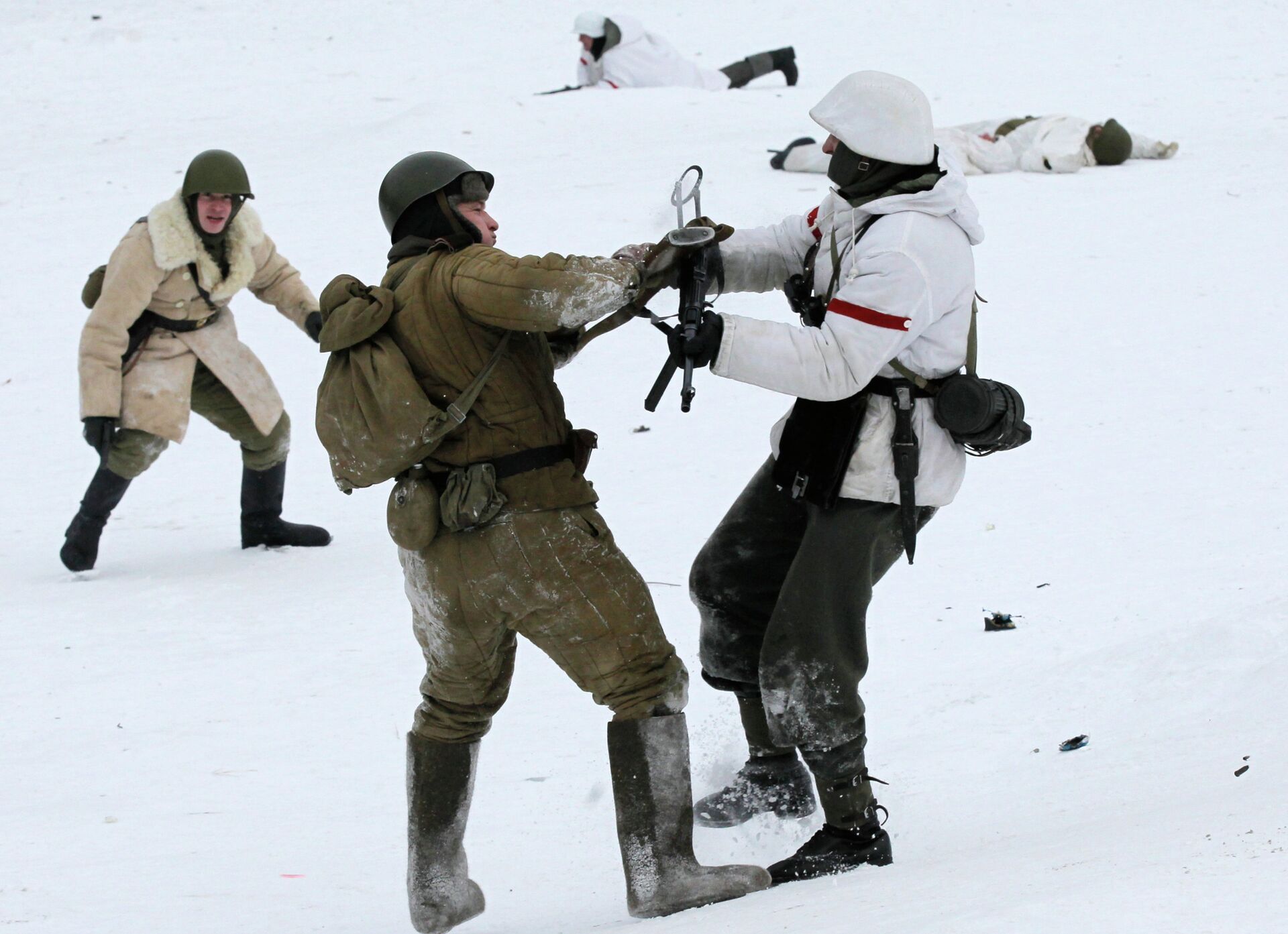
A military-historic reenactment of the defense of Leningrad was organized in the local Rzhevsky Forest Park on the 69th anniversary of the complete lift of the German siege.
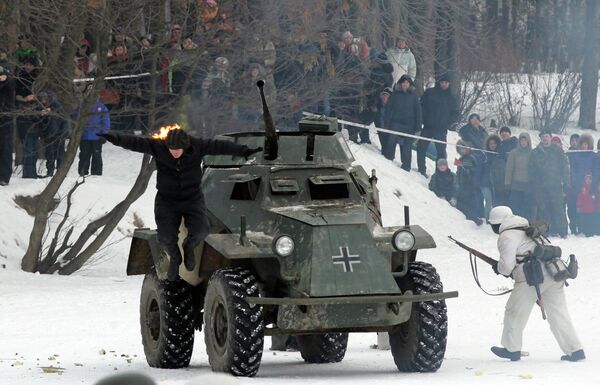
A military-historic reenactment of the defense of Leningrad was organized in the local Rzhevsky Forest Park on the 69th anniversary of the complete lift of the German siege.
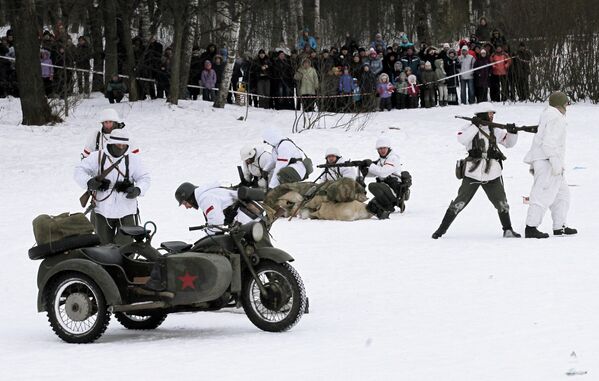
German forces besieged Leningrad during World War II from September 8, 1941, until January 27, 1944. The purpose of the siege was to crush Soviet resistance and seize the city.
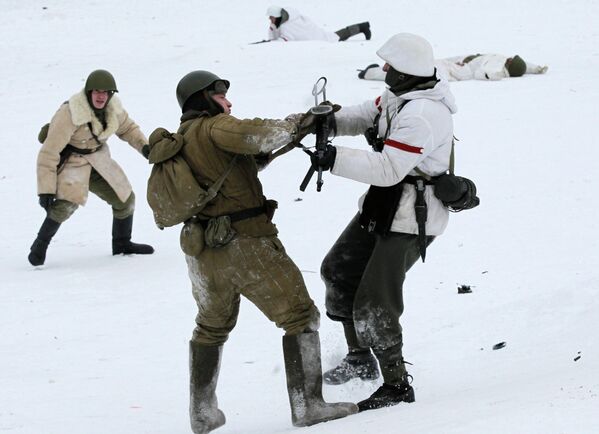
The third line of Soviet defenses, shielding the city to the east, was located in the Rzhevsky Forest Park.
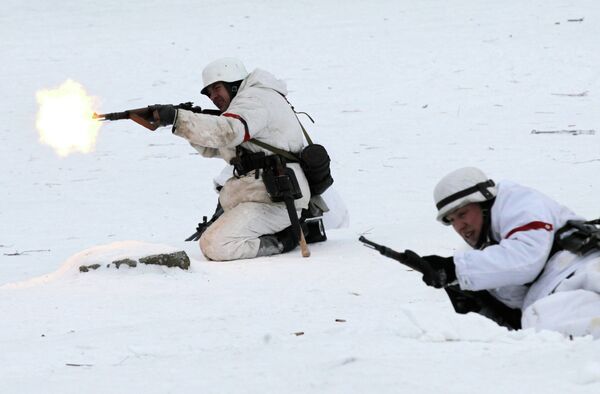
Most pillboxes, bunkers, dugouts and communication trenches have already disintegrated, but they still make it possible to recall the heroic wartime defense of the city.
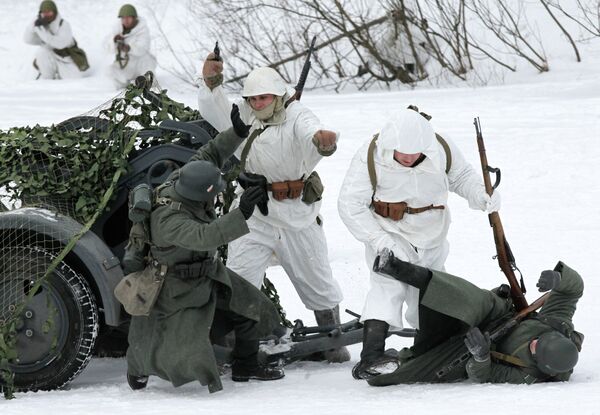
Soviet forces repeatedly tried to break the siege, but managed to accomplish this objective only in January 1943 during a strategic offensive operation, which involved the Red Army’s Leningrad and Volkhov Fronts, in conjunction with the Baltic Fleet and the Ladoga Naval Flotilla.
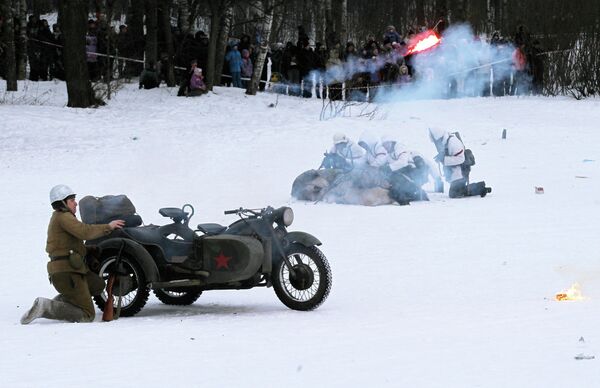
This operation was conducted on January 12-30, 1943, in order to restore control over roads linking the city with the rest of the country.
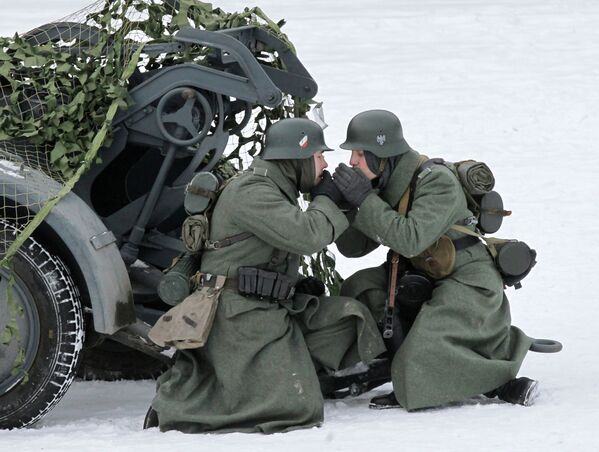
Nazi forces near Leningrad were finally defeated during the January 14 – March 1, 1944, Leningrad-Novgorod operation, which involved the Red Army’s Leningrad, Volkhov and 2nd Baltic Fronts, in conjunction with the Baltic Fleet. The siege was completely lifted as a result of this operation.