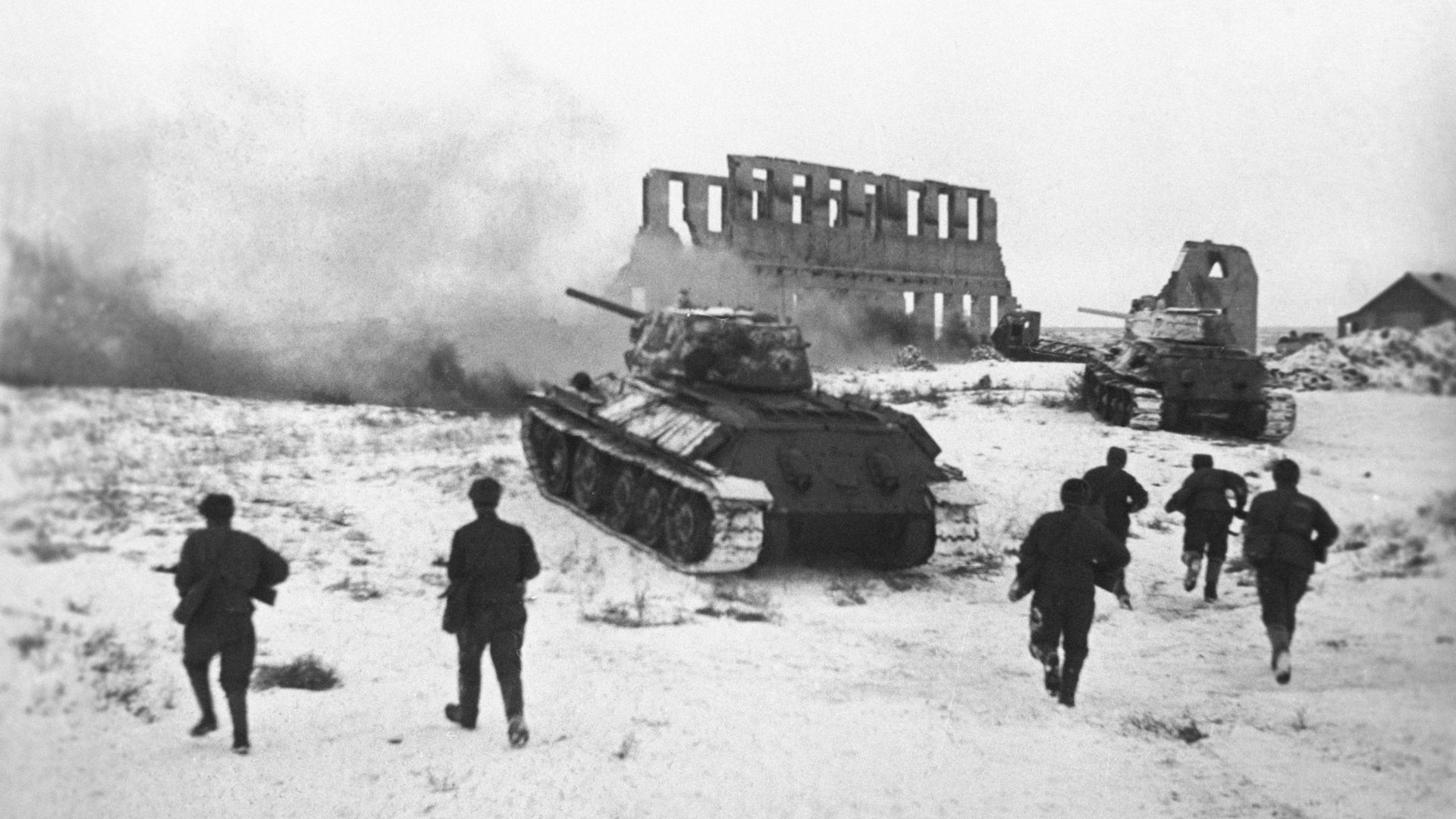
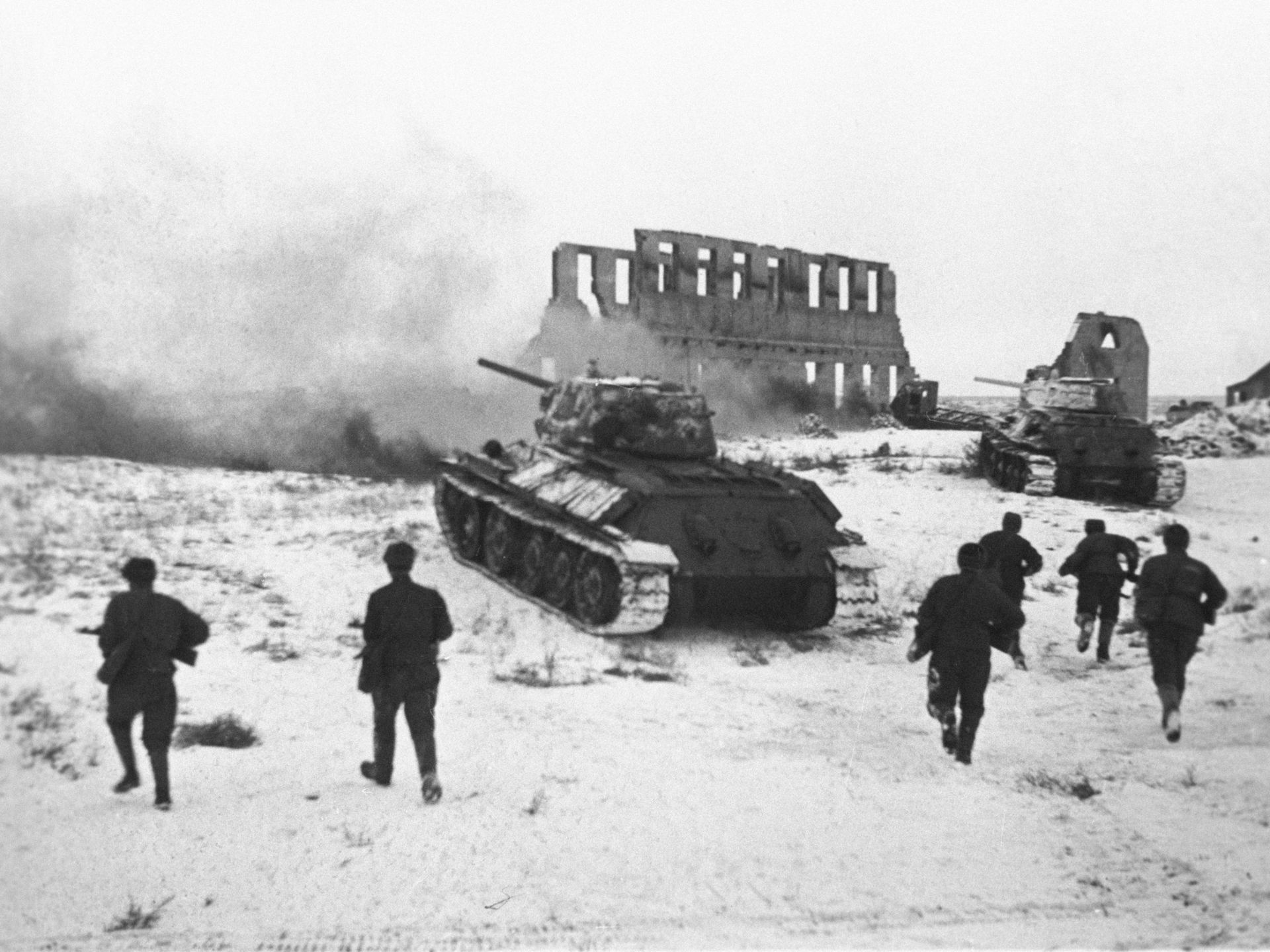
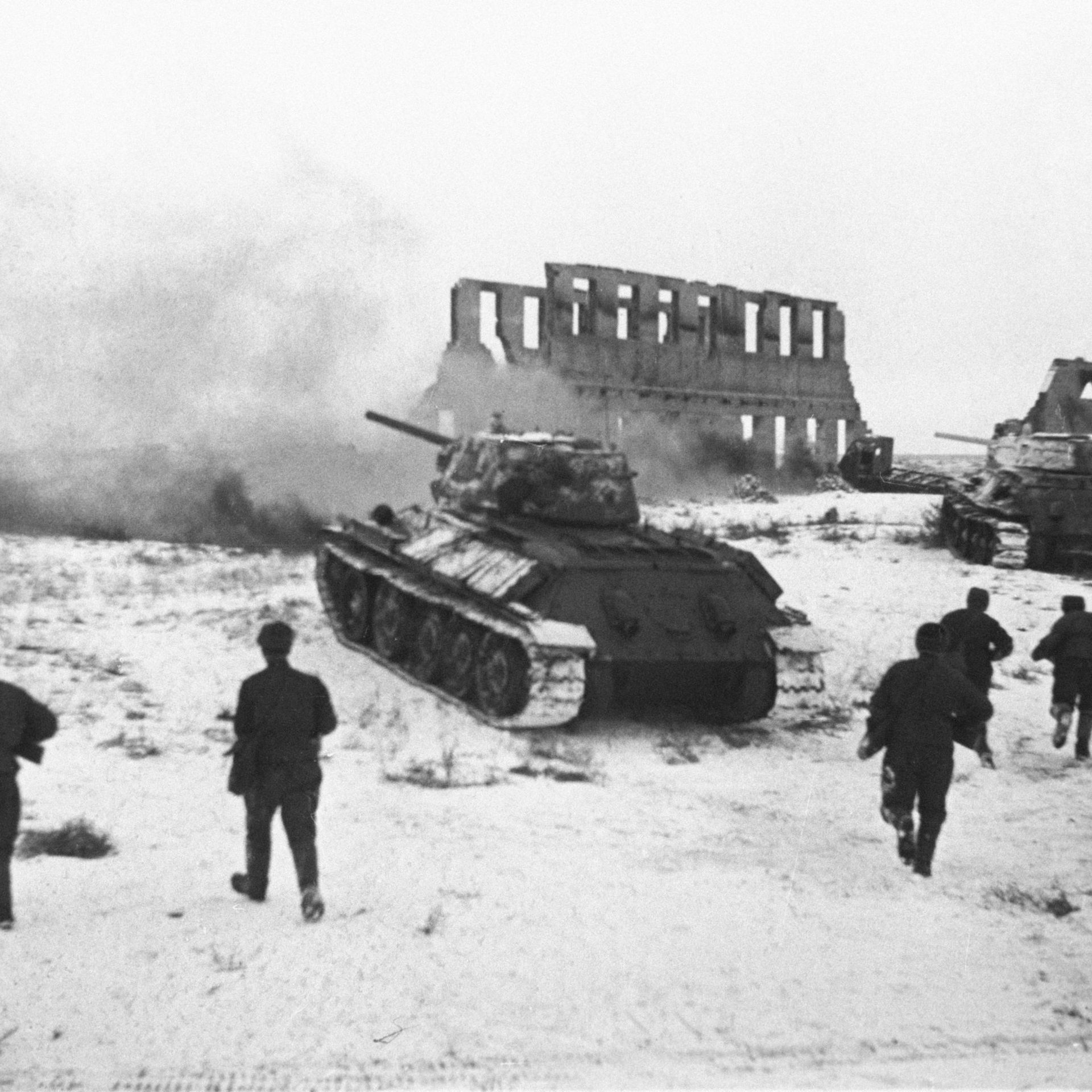
The last German units laid down arms near Stalingrad on February 2, 1943.
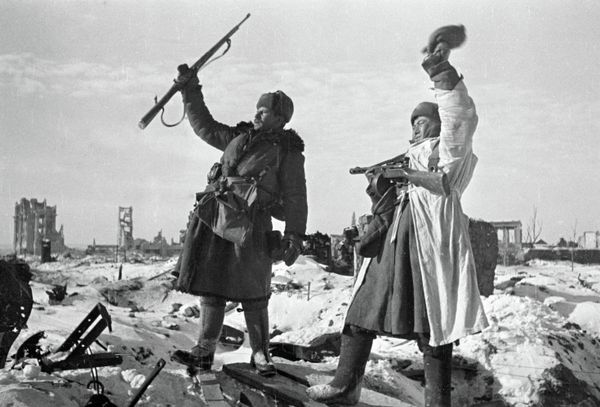
The last German units laid down arms near Stalingrad on February 2, 1943.
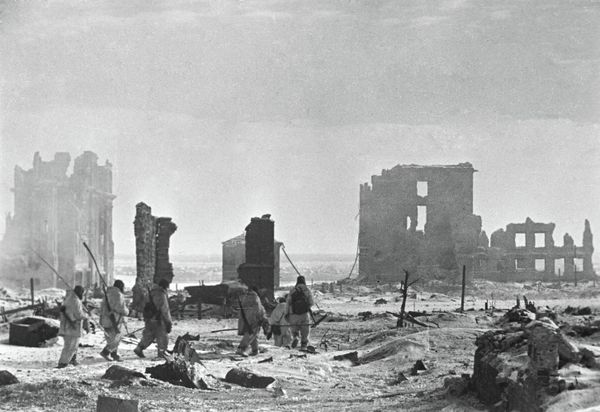
The Battle of Stalingrad lasted for 200 days, from July 17, 1942, until February 2, 1943.
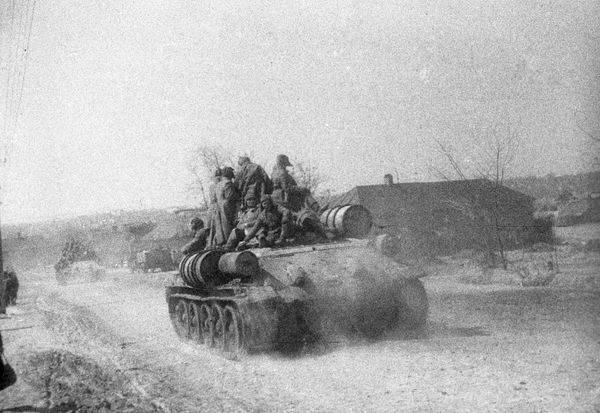
The defense of Stalingrad marked a turning point in the war and the start of a counter-offensive by the Soviet troops.
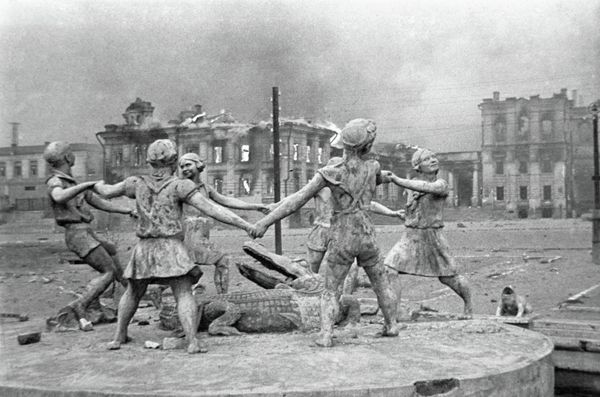
The battle claimed about two million lives on both sides.
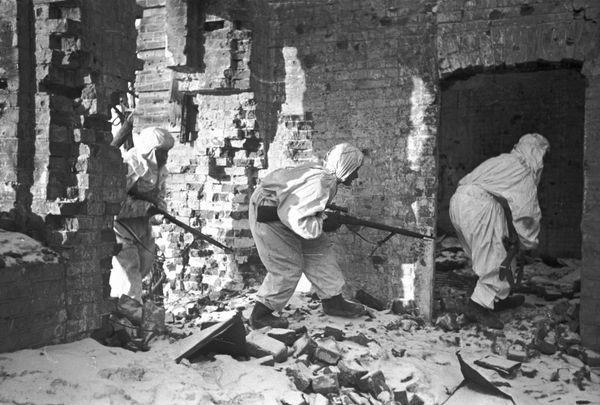
In terms of its duration, the ferocity of the fighting and the amount of troops and military hardware involved, the Battle of Stalingrad was unprecedented.
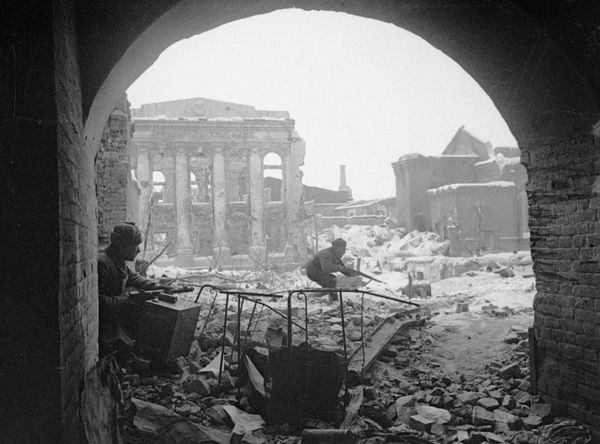
Massive German bombing attacks in August 1942 completely destroyed the city, turning it into smoldering ruins.
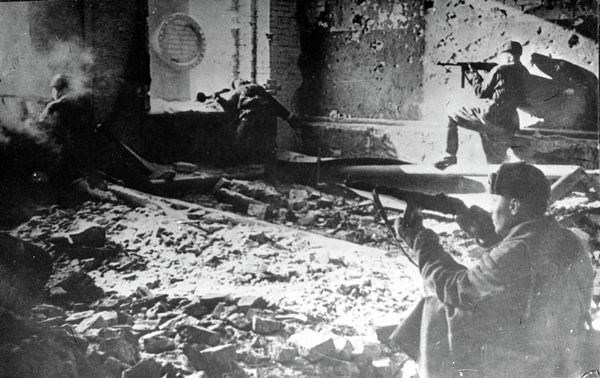
There was fighting over not just every street, but every house, every entrance and every flat.
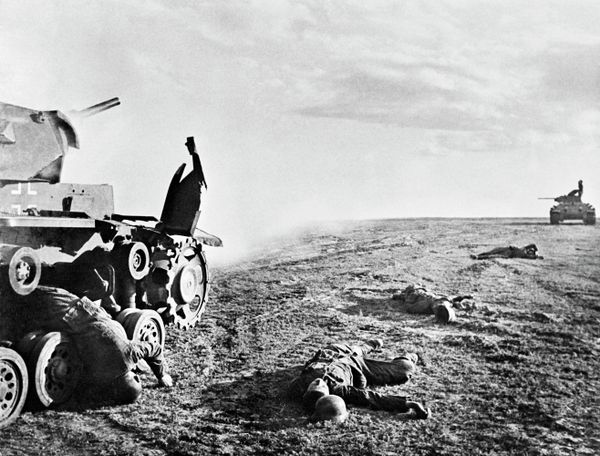
The fiercest battle took place on Mamayev Kurgan: the soil of the mound was literary soaked in blood. The peak changed hands several times.
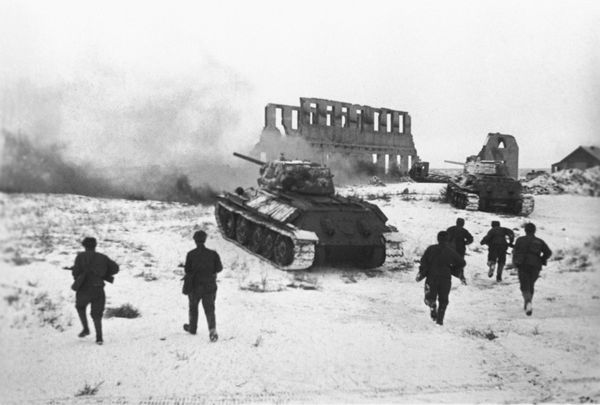
The Soviet troops launched an offensive on January 10, 1943.
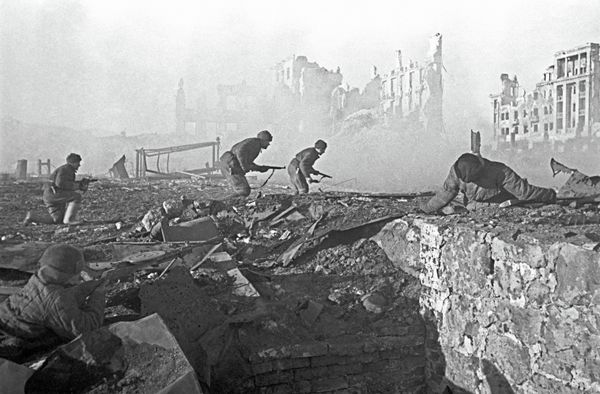
By January 31, the southern cohort of the German troops was annihilated (the command and the staff of the 6th army, headed by Paulus, were captured). The Northern Group capitulated by February 2.
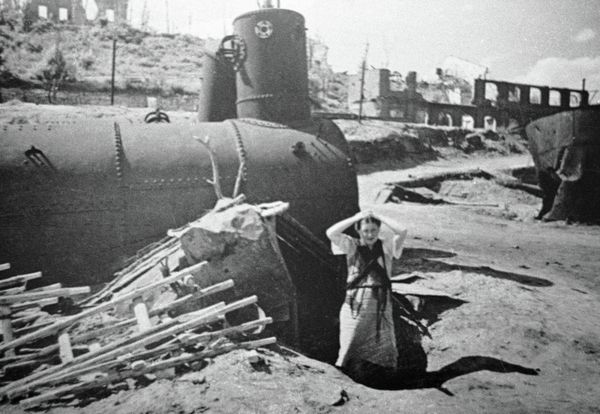
The Soviet troops defeated five armies in the Stalingrad Battle: two German, two Romanian and one Italian.
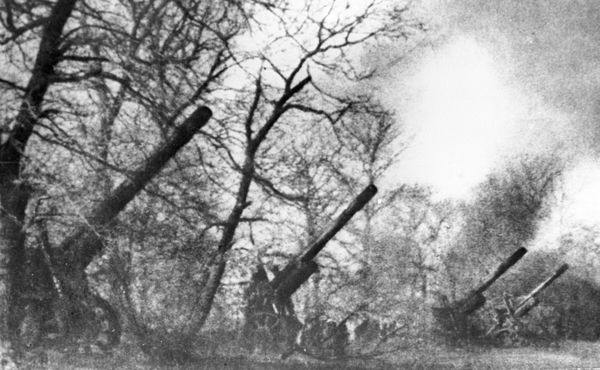
During the battle, which lasted for six and a half months, the fascist bloc armies lost more than a quarter of the troops engaged on the Soviet-German frontline at the time.
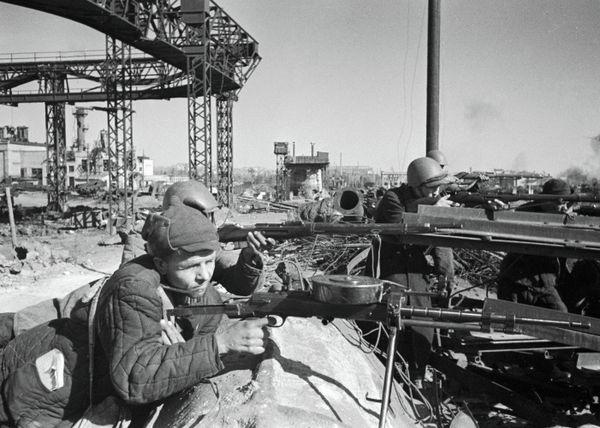
The enemy lost more than 800,000 soldiers and officers, who were killed, wounded or taken prisoner, as well as huge amounts of military hardware, weaponry and equipment.
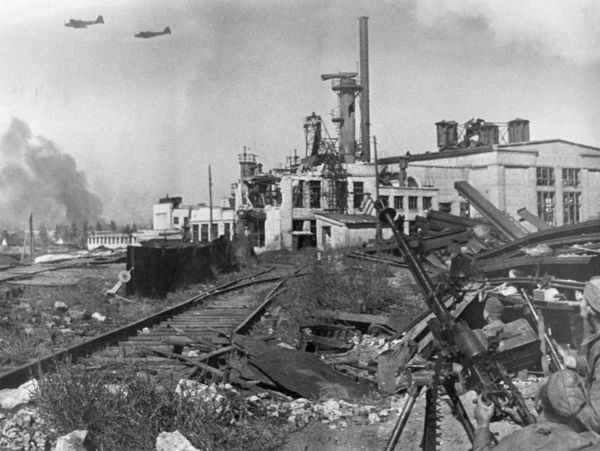
Near Stalingrad the Red Army stopped the triumphant advance of the Nazi invaders, who tried to reach the oil-rich parts of the Caucasus and the fertile lands of Kuban.
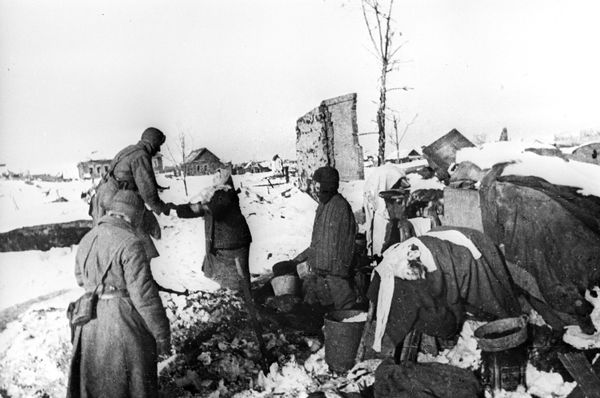
The outcome of the Battle of Stalingrad had an immense impact on the international liberation struggle. Stalingrad and its defenders came to symbolize courage, heroism and victory.