There are very few traditional costumes left in Russia. Fortunately, there are Russians who want to preserve this part of national heritage. One of them is... 23.03.2013, Sputnik International
There are very few traditional costumes left in Russia. Fortunately, there are Russians who want to preserve this part of national heritage. One of them is Sergei Glebushkin, who has collected over 300 traditional Russian costumes from remote Russian villages for over 25 years. He showed RIA Novosti part of his collection.
There are very few traditional costumes left in Russia. Fortunately, there are Russians who want to preserve this part of national heritage. One of them is Sergei Glebushkin, who has collected over 300 traditional Russian costumes from remote Russian villages for over 25 years. He showed RIA Novosti part of his collection.
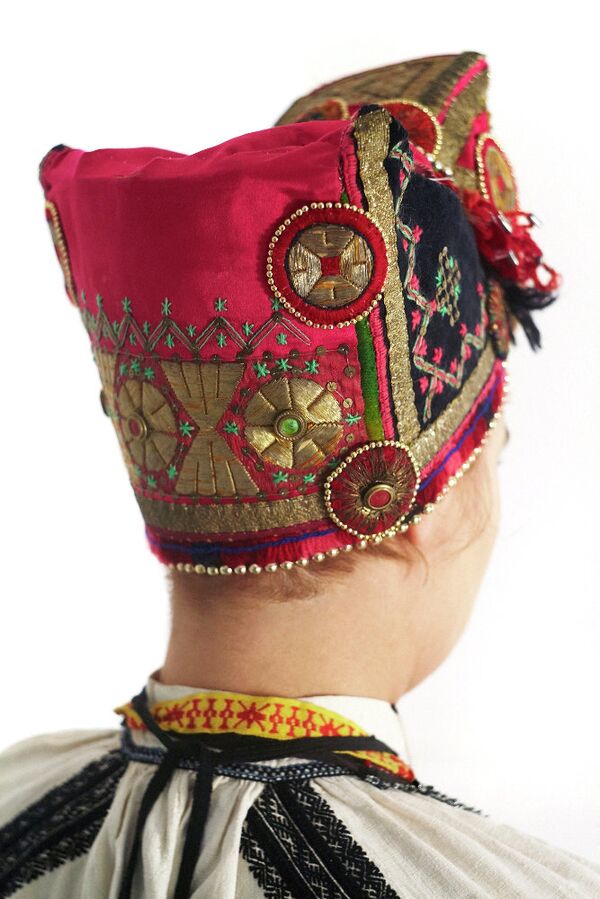
Russian costumes differ a lot from each other. Each province had its own traditional costume. For example, black embroidery was traditional for the Belgorod Region (southern Russia), whereas costumes of peasant women in the Ryazan Region (central Russia) were embroidered mostly with red.
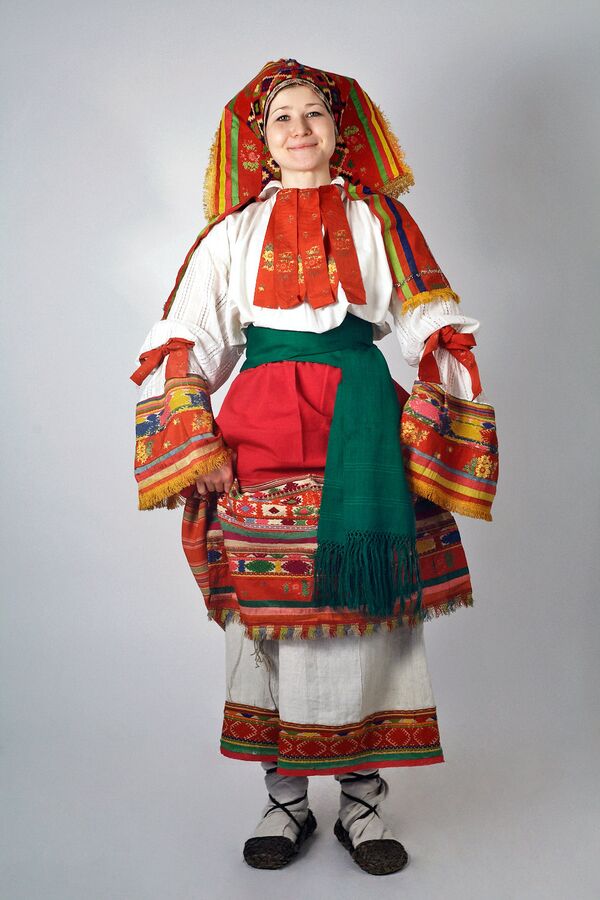
The bride made for herself a shirt from bleached flax with embroidered sleeves and a ponyova (wrap-up) skirt of finely spun wool yarn with a sophisticated embroidered pattern.
Shirts of this kind were worn in the northernVologoda Region. The festive clothing was decorated with rich embroidery. The shirts were not used while working, but only on special occasions.
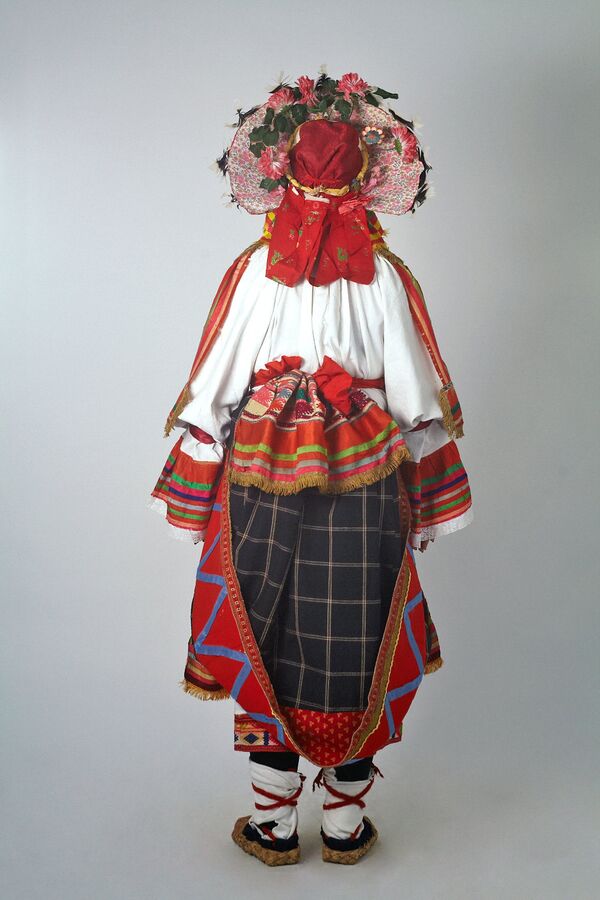
In northern regions women wore sarafans. The sleeves of the shirt were embroidered with roses, the hem was decorated with different symbols and charms woven with red threads.
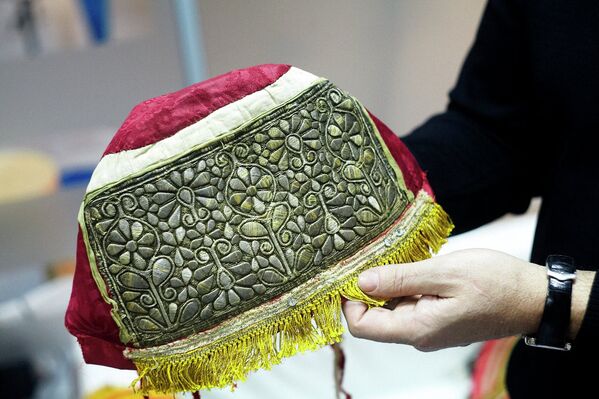
Sergei Glebushkin has collected over 300 Russian traditional costumes from remote Russian villages for over 25 years.
Newsfeed
0
Access to the chat has been blocked for violating the rules .
You will be able to participate again through:∞.
If you do not agree with the blocking, please use the feedback form
The discussion is closed. You can participate in the discussion within 24 hours after the publication of the article.