Continuous exchanges of gunfire between Sunni Muslims and Alawite Muslims in Lebanon’s second largest city, Tripoli, located in the north of this multi-faith... 24.04.2013, Sputnik International
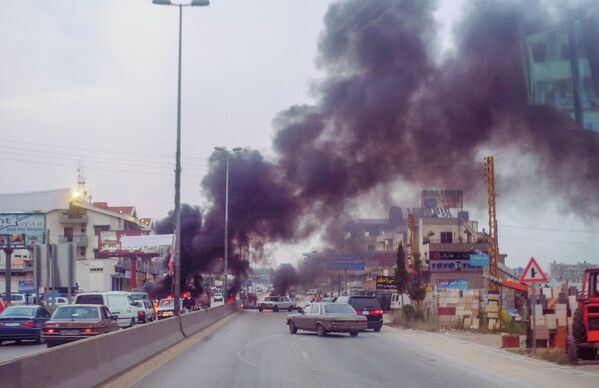
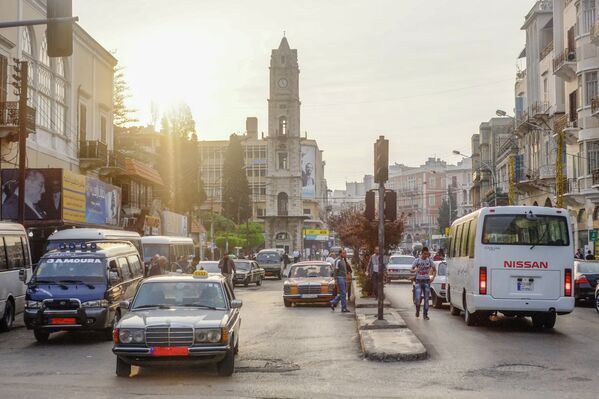
Continuous exchanges of gunfire between Sunni Muslims and Alawite Muslims in Lebanon’s second largest city, Tripoli, located in the north of this multi-faith country 50 kilometers away from the Syrian border have split residents into two hostile camps. Syrian refugees, whose numbers have been growing steadily in recent months, also figure in the conflict.
Continuous exchanges of gunfire between Sunni Muslims and Alawite Muslims in Lebanon’s second largest city, Tripoli, located in the north of this multi-faith country 50 kilometers away from the Syrian border have split residents into two hostile camps. Syrian refugees, whose numbers have been growing steadily in recent months, also figure in the conflict.
Continuous exchanges of gunfire between Sunni Muslims and Alawite Muslims in Lebanon’s second largest city, Tripoli, located in the north of this multi-faith country 50 kilometers away from the Syrian border have split residents into two hostile camps. Syrian refugees, whose numbers have been growing steadily in recent months, also figure in the conflict.
Skirmishes flare up frequently in Tripoli, most often between the two rival neighborhoods, the Sunni Bab al-Tibbaneh and the Alawite Jabal Mohsen. Separated by a street with the symbolic name of Syrian Boulevard, the areas are dangerous after dark.
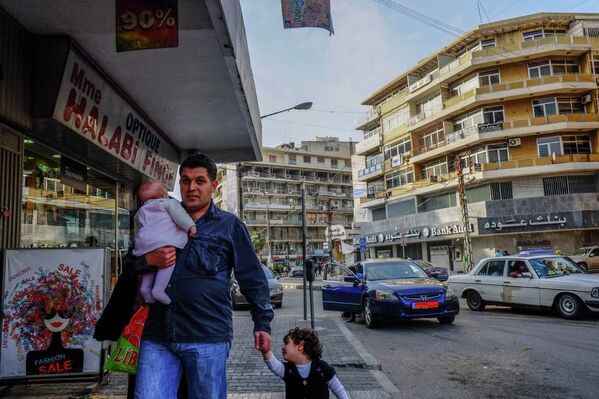
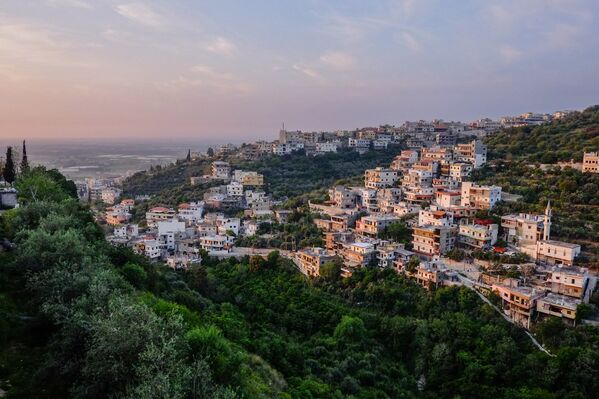
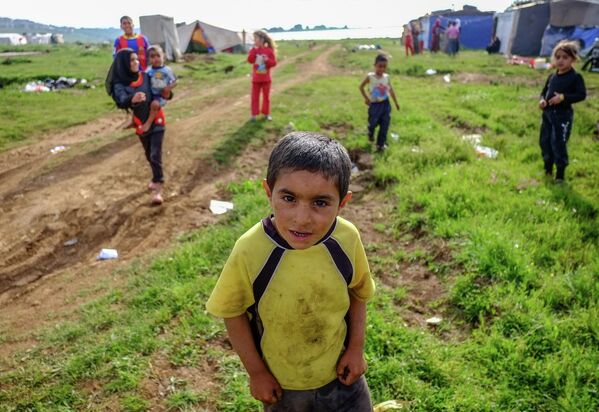
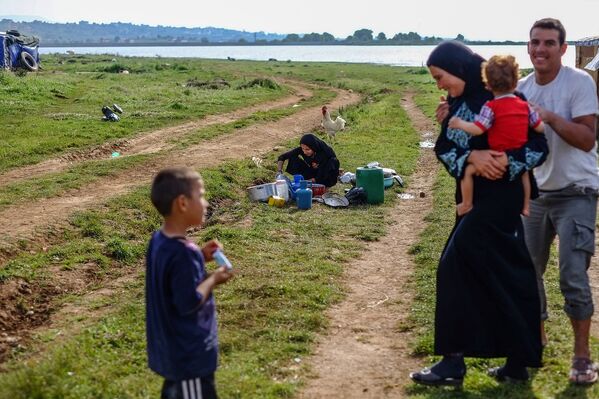
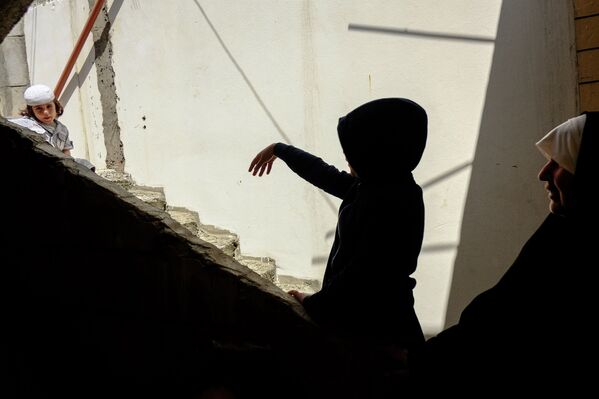
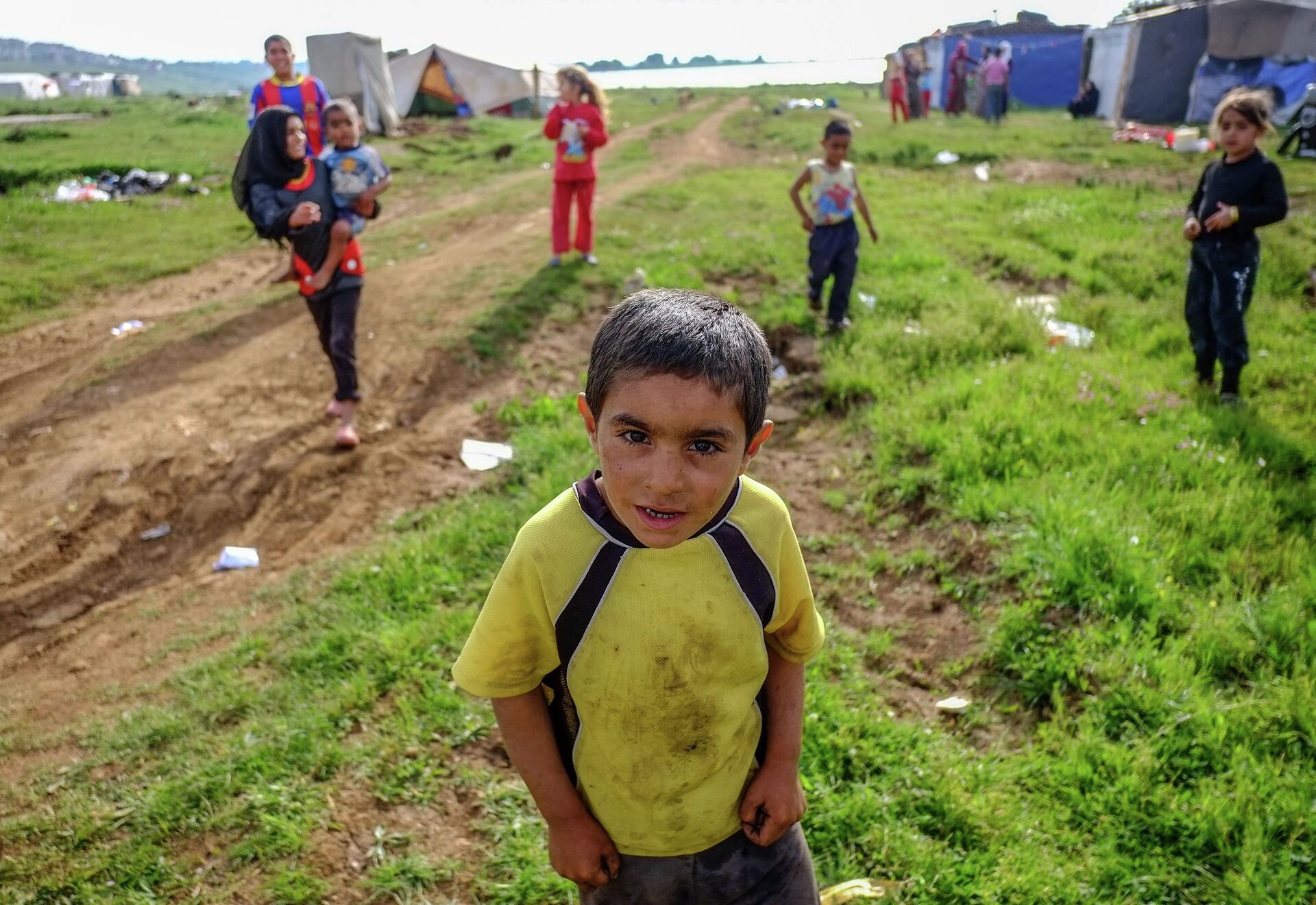
According to statistics, practically all the refugees from Syria are Sunni Muslims. In northern Lebanon, they live in Tripoli and other towns located not far from the Syrian border, such as Halba (photo).
Working with refugees in Lebanon are the Office of the UN High Commissioner for Refugees (UNHCR), the United Nations Children’s Fund (UNICEF), and a number of other NGOs. Refugees are issued a 31-dollar coupon for each family member per month, food allowances, and occasionally even accommodation costs. An apartment in northern areas such as Halba costs about 200 US dollars per month.
According to statistics, 70 percent of refugees are women and children and 30 percent are men who have served in the military and know how to use weapons.
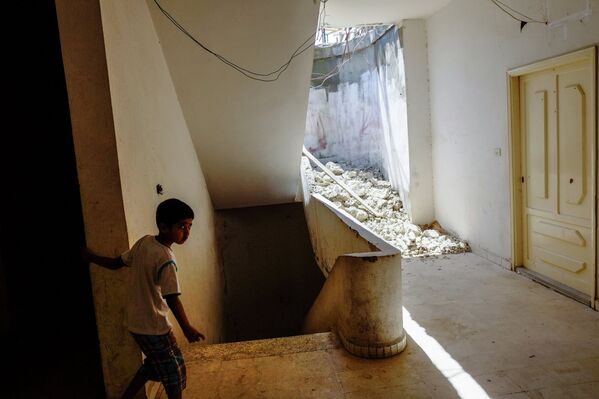
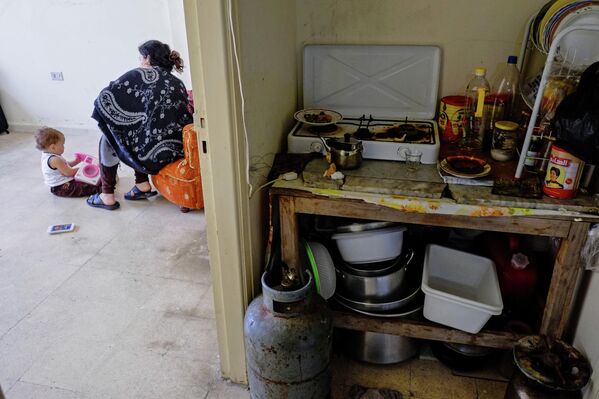
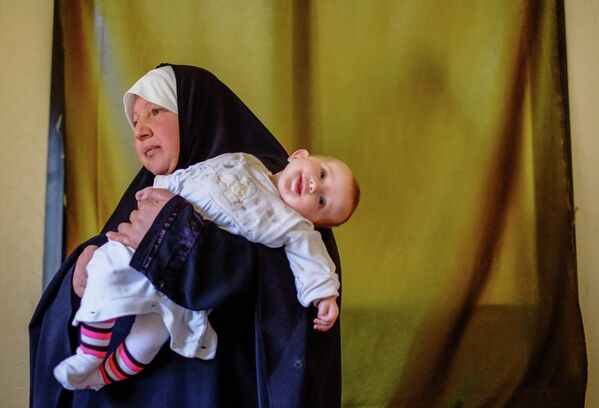
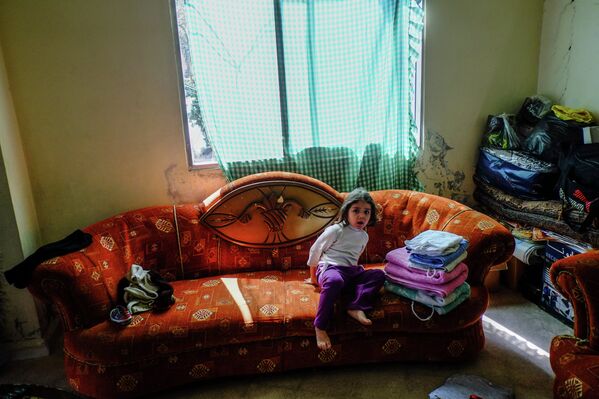
Syrian refugees in a house in Halba, northern Lebanon.
Newsfeed
0
Access to the chat has been blocked for violating the rules .
You will be able to participate again through:∞.
If you do not agree with the blocking, please use the feedback form
The discussion is closed. You can participate in the discussion within 24 hours after the publication of the article.