On April 28, people in the Russian city of Volgograd (previously known as Stalingrad) welcomed the Pobeda (Victory) steam train. The World War II-era steam... 29.04.2013, Sputnik International
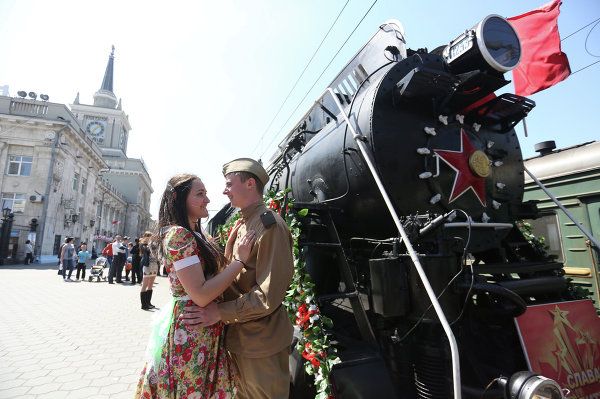
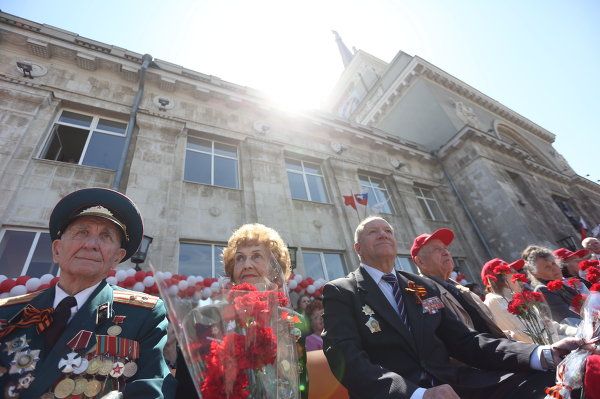
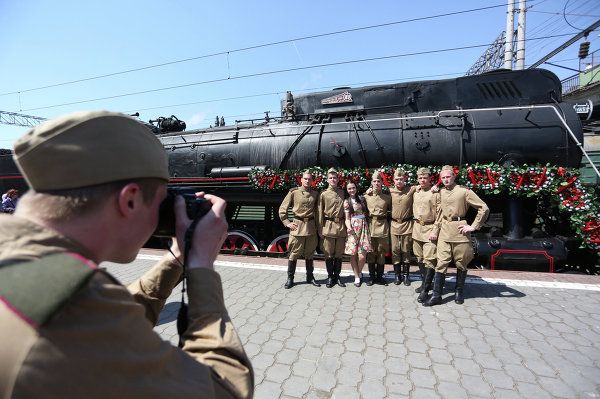
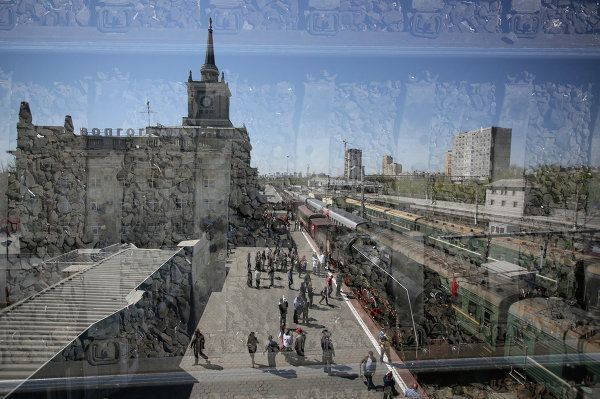
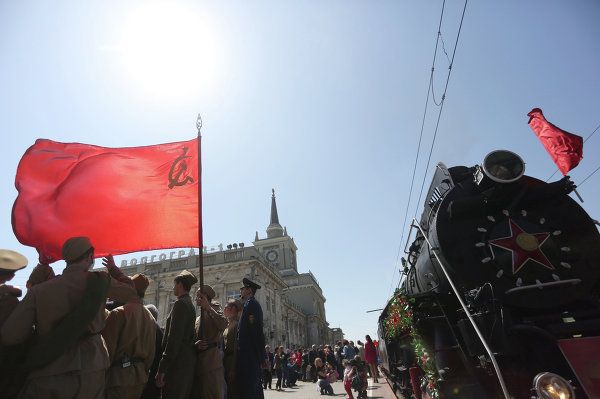
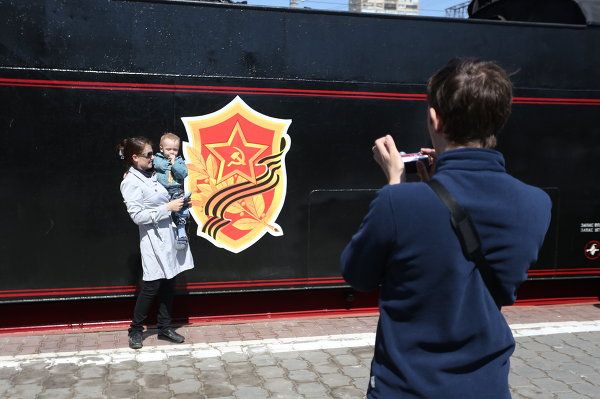
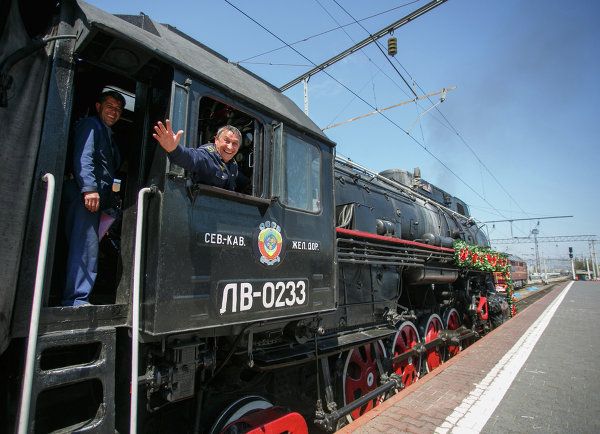
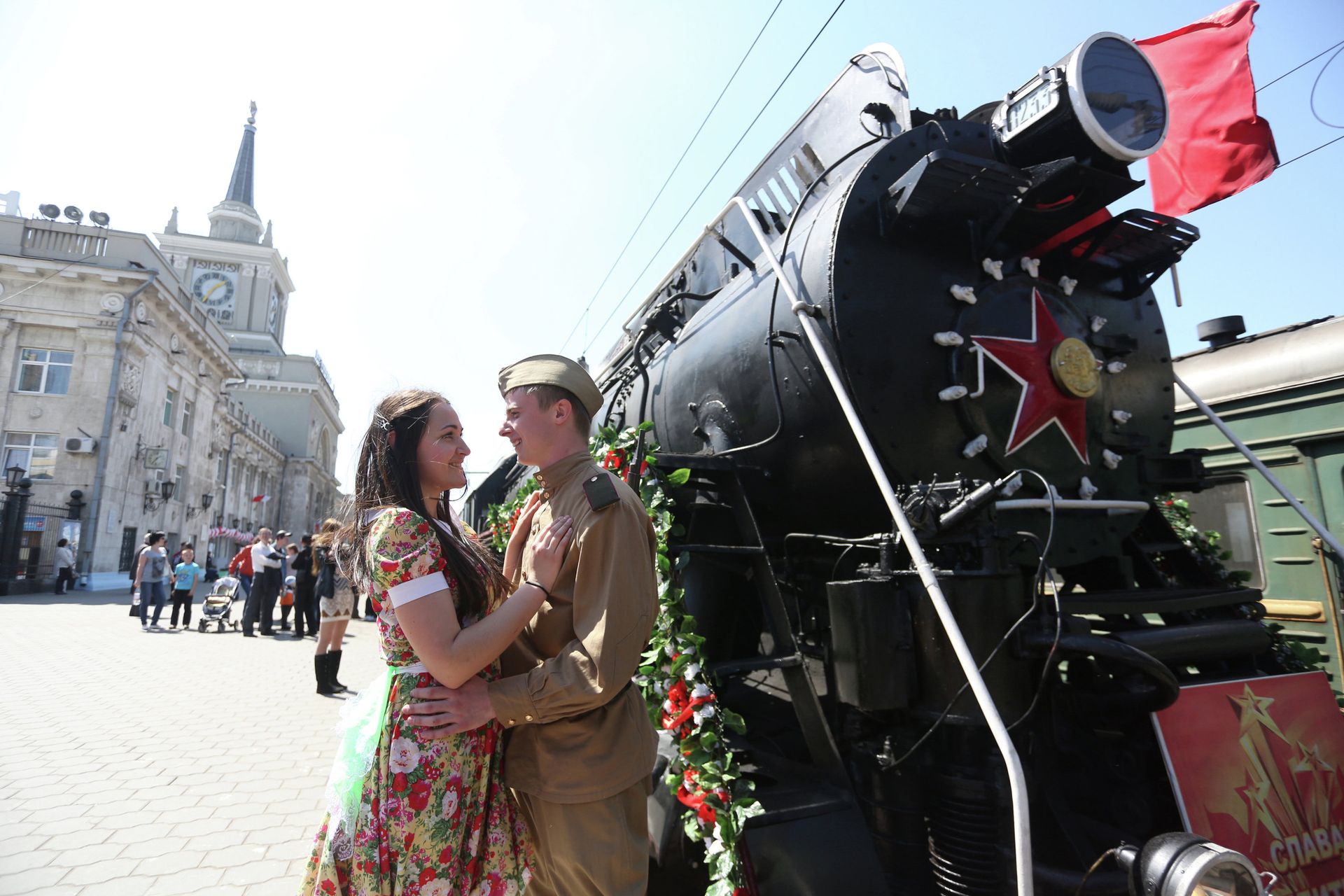
On April 28, people in the Russian city of Volgograd (previously known as Stalingrad) welcomed the Pobeda (Victory) steam train. The World War II-era steam locomotive traveled from Rostov to Belaya Kalitva with a presentation at every station dedicated to the 70th anniversary of victory in the Battle of Stalingrad and the liberation of Rostov-on-Don in World War II.
On April 28, people in the Russian city of Volgograd (previously known as Stalingrad) welcomed the Pobeda (Victory) steam train. The World War II-era steam locomotive traveled from Rostov to Belaya Kalitva with a presentation at every station dedicated to the 70th anniversary of victory in the Battle of Stalingrad and the liberation of Rostov-on-Don in World War II.
On April 28, people in the Russian city of Volgograd (previously known as Stalingrad) welcomed the Pobeda (Victory) steam train. The World War II-era steam locomotive traveled from Rostov to Belaya Kalitva with a presentation at every station dedicated to the 70th anniversary of victory in the Battle of Stalingrad and the liberation of Rostov-on-Don in World War II.
The concert program performed at each stop included a presentation on the role of Russia and the Soviet Union in World War II, as well as songs, dances and literature from that era.
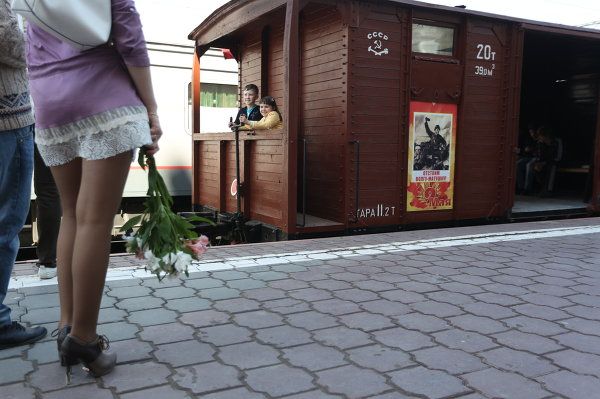
The Victory Train’s cars are normally on show in a Railway Museum and include a baggage car, a flatcar for transporting military equipment and a passenger car.
The Pobeda steam train arrives in Volgograd to mark the 70th anniversary of the Soviet Union’s victory in the Battle of Stalingrad.
Newsfeed
0
Access to the chat has been blocked for violating the rules .
You will be able to participate again through:∞.
If you do not agree with the blocking, please use the feedback form
The discussion is closed. You can participate in the discussion within 24 hours after the publication of the article.