Ghosts of the USSR: 7 Awesome Projects in Moscow that Remained on Paper
Ghosts of the USSR: 7 Awesome Projects in Moscow that Remained on Paper
Sputnik International
Leaders of the young Soviet republic in the first half of the 20th century frequently got carried away by mind-boggling projects designed to demonstrate to... 27.05.2013, Sputnik International
Leaders of the young Soviet republic in the first half of the 20th century frequently got carried away by mind-boggling projects designed to demonstrate to capitalist countries the strength and potential of a country in which communism reigned. Many Soviet plans were transformed into reality, but even more of them remained on paper.
Leaders of the young Soviet republic in the first half of the 20th century frequently got carried away by mind-boggling projects designed to demonstrate to capitalist countries the strength and potential of a country in which communism reigned. Many Soviet plans were transformed into reality, but even more of them remained on paper.
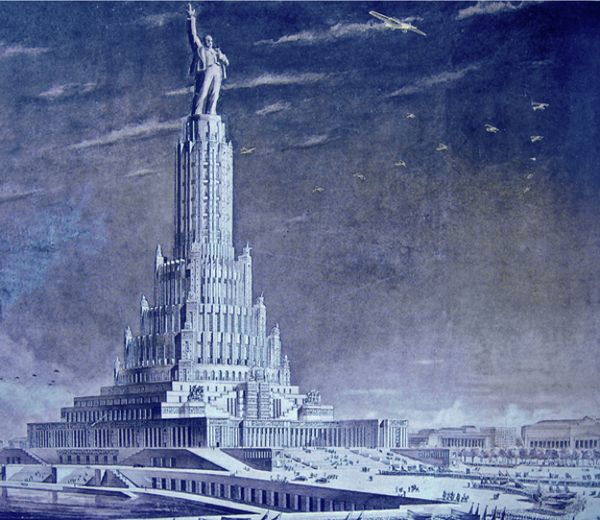
Leaders of the young Soviet republic in the first half of the 20th century frequently got carried away by mind-boggling projects designed to demonstrate to capitalist countries the strength and potential of a country in which communism reigned. Many Soviet plans were transformed into reality, but even more of them remained on paper. The Palace of Soviets, with a planned height of 420 meters (40 meters taller than the Empire State Building) and topped by a huge statue of Vladimir Lenin, was the biggest of these stillborn projects scheduled to be implemented in Soviet Moscow in the 1930s and 1940s.
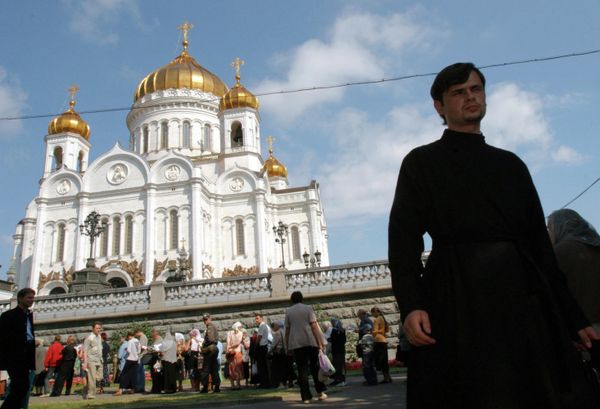
The project was never constructed, and in 1959 it was decided to use its substructure as a foundation for the Moskva open-air swimming pool. Today the Cathedral of Christ the Savior, a reconstruction of the church that was demolished to make way for the Palace of Soviets, once again occupies the site.
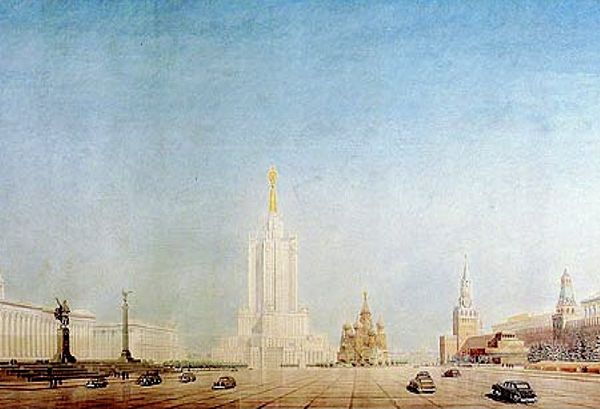
In 1947, the USSR Council of Ministers made the decision to build eight skyscrapers in Moscow. Seven were actually built, while the eighth, located in the Zaryadye area, was abandoned at an early stage. Its podium was used in the construction of the Rossiya hotel.
The Rossiya hotel was demolished in 2006. Today the site is vacant; the Moscow authorities plan to lay out a modern park there with cutting-edge infrastructure.
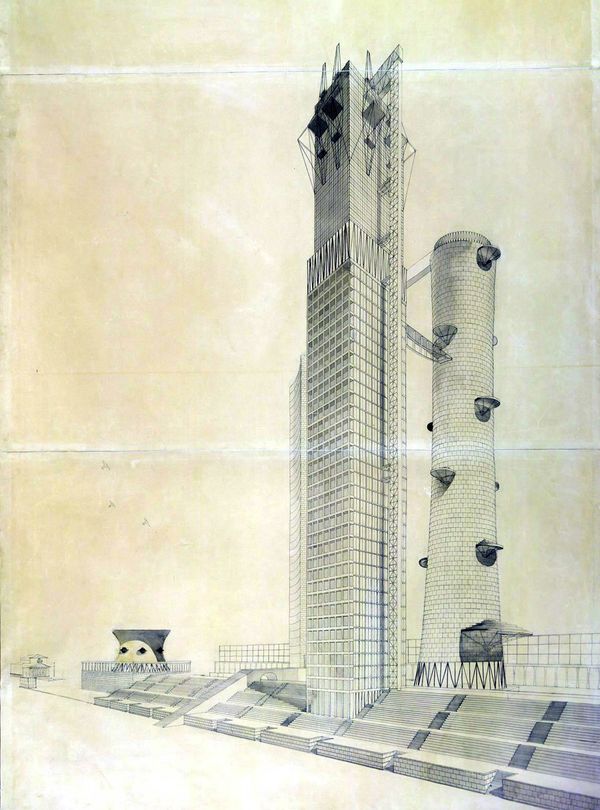
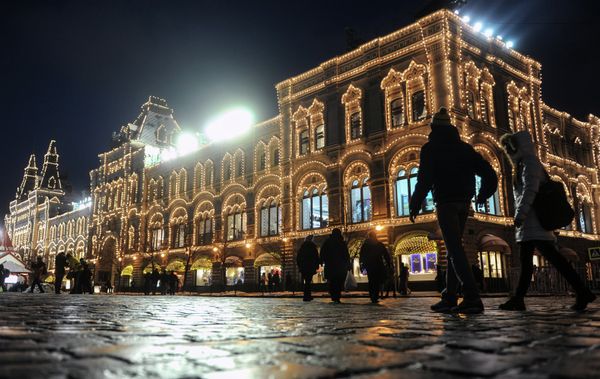
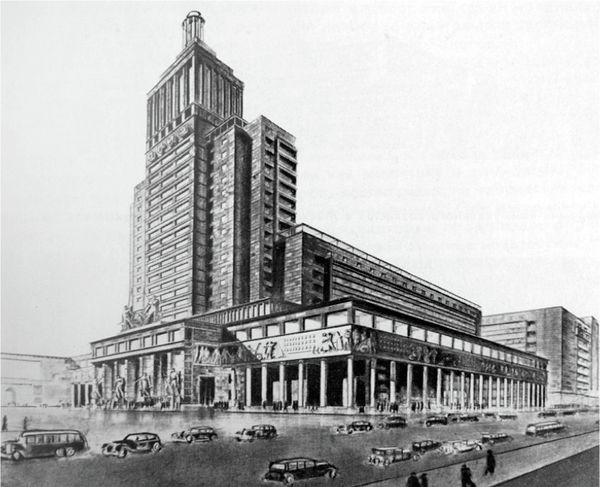
In the 1930s, a tender was held for the design of a complex of buildings for the USSR People’s Commissariat of Heavy Industry. Had the project been implemented, Red Square would have become much wider, since demolition of the Upper Shopping Arcade, which stood on the present location of the GUM department store, was planned.
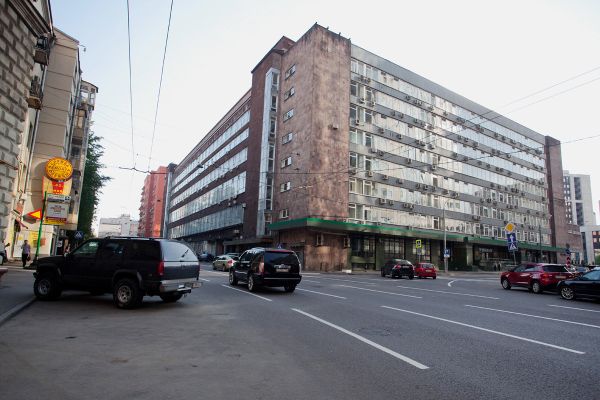
The first stage was built along the street by 1933, but the second stage was never undertaken. The design was revised because Soviet architecture had begun leaning toward the classical school. Photo: The part of the House of Books project that was built.
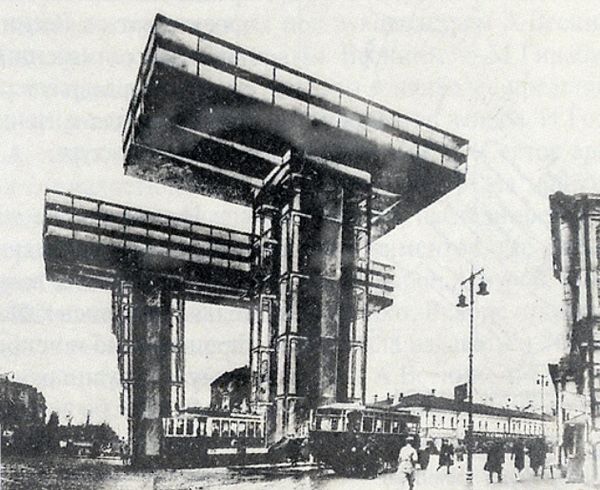
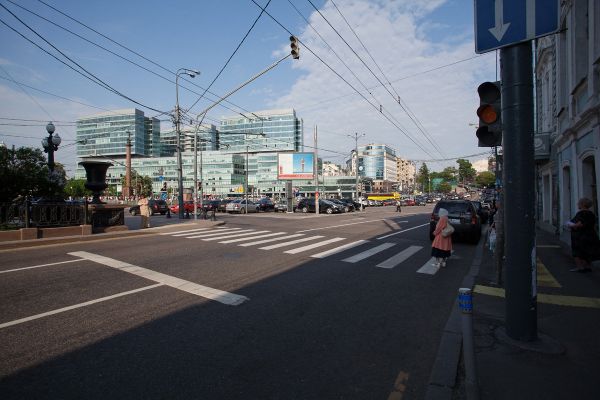
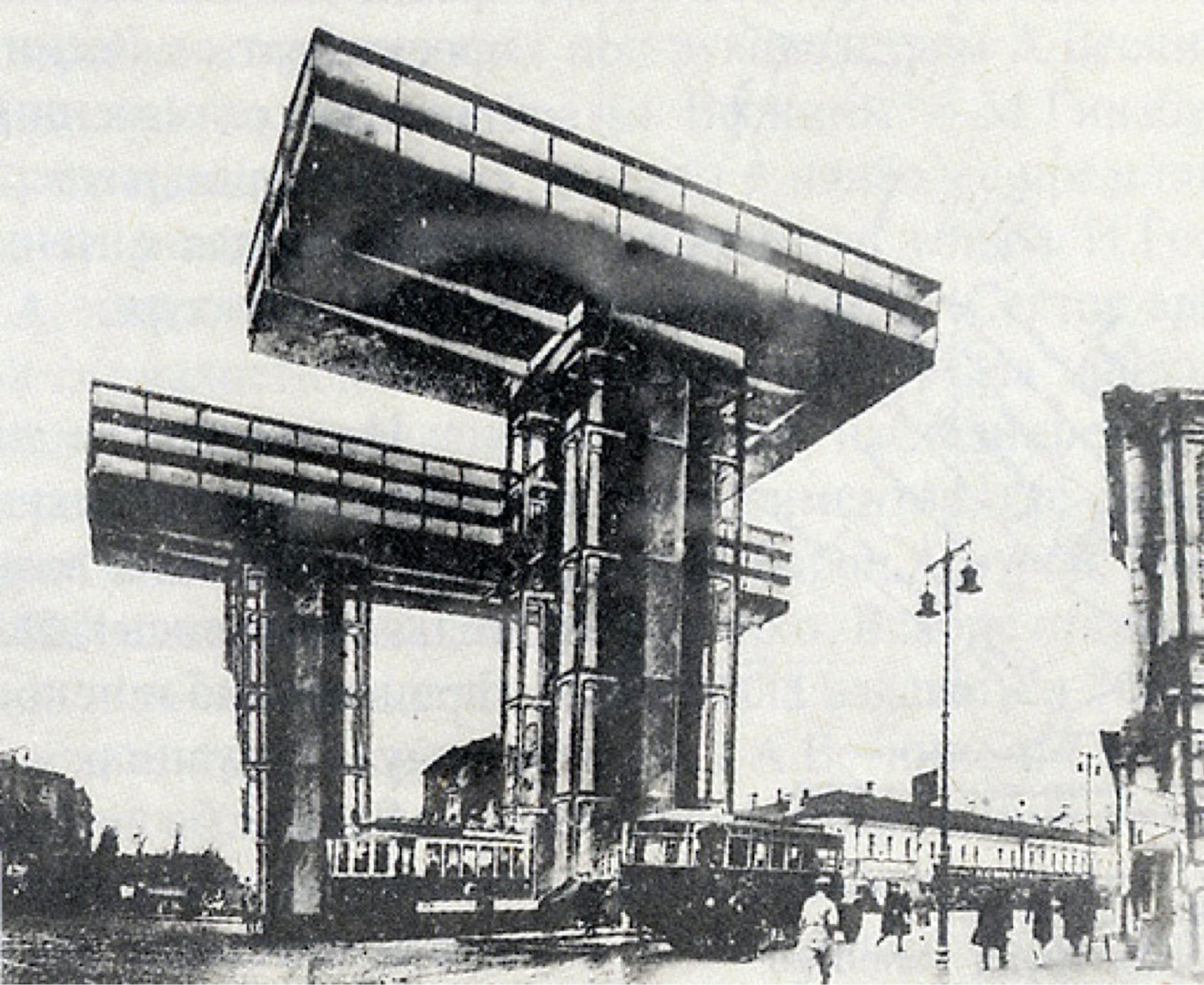
In the 1920s, the painter, architect and art theorist El Lissitzky suggested building so-called horizontal skyscrapers on Trubnaya Square along the Boulevard Ring. Photo collage: “Horizontal skyscrapers” on Trubnaya Square.
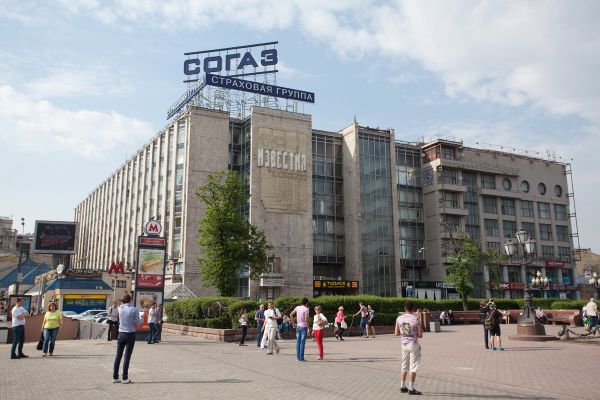
In 1927, a new home for the headquarters of Izvestia newspaper was erected on Pushkinskaya Square. All the architects involved proposed various high-rise solutions.
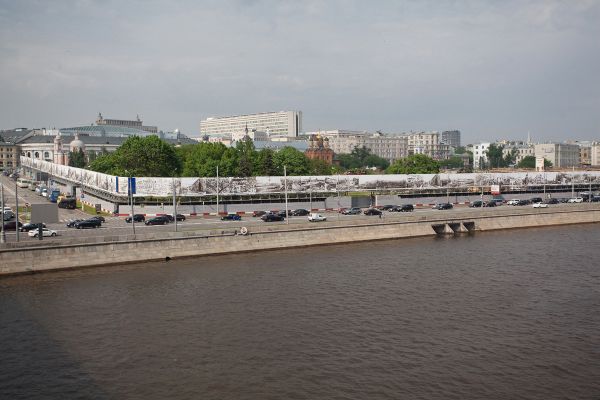
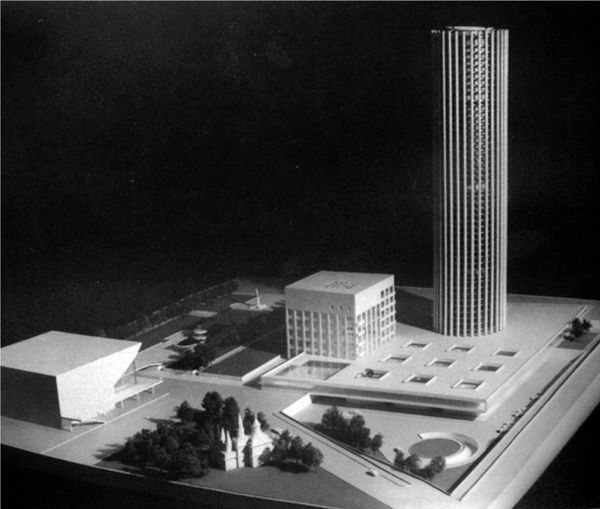
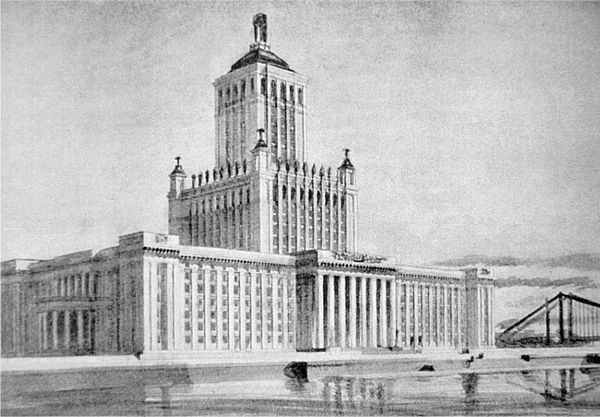
In 1934, the USSR Council of People’s Commissars ordered the transfer of the Academy of Sciences from Leningrad to Moscow. A site near Krymsky Bridge was chosen for the Presidium of the Academy of Sciences.
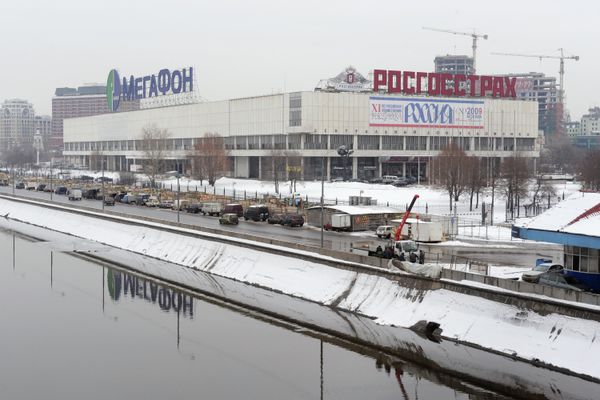
In 1941, construction work was stopped by the war. By the late 1960s, it was decided that the site would host a park of arts and a new exhibition complex – the Central House of Artists – and a new branch of the Tretyakov Gallery.
Newsfeed
0
Access to the chat has been blocked for violating the rules .
You will be able to participate again through:∞.
If you do not agree with the blocking, please use the feedback form
The discussion is closed. You can participate in the discussion within 24 hours after the publication of the article.