A factory in the town of Pavlovsky Posad, 40 miles east of Moscow, is known all across Russia for its intricate and beautiful shawls. Let’s see how they’re... 23.06.2013, Sputnik International
A factory in the town of Pavlovsky Posad, 40 miles east of Moscow, is known all across Russia for its intricate and beautiful shawls. Let’s see how they’re made.
A factory in the town of Pavlovsky Posad, 40 miles east of Moscow, is known all across Russia for its intricate and beautiful shawls. Let’s see how they’re made.
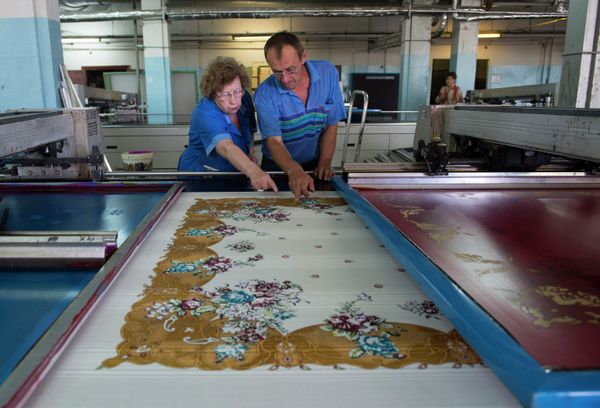
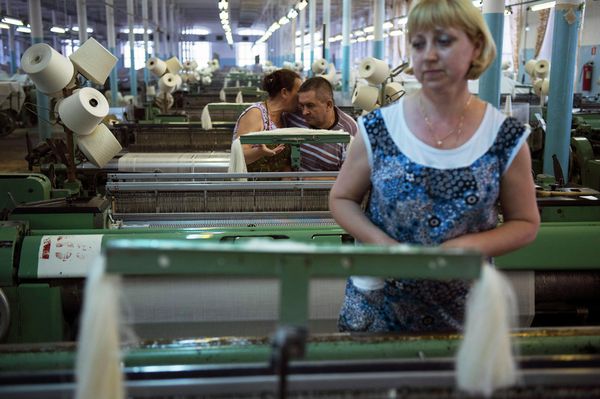
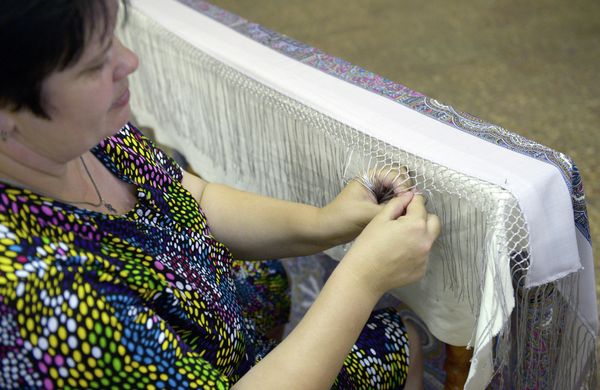
Intricately patterned scarves and shawls have long been a trademark of Russian culture, with such items made at Pavlovsky Posad being held in especially high regard. Every year, the Pavlovo Posad Shawl Manufactory produces 400 kinds of shawls, scarves, headscarves, neck scarves, stoles and tablecloths.
The factory was founded by wealthy peasant Ivan Labzin in the late 18th century. In the 1850s, the small factory transformed into the Yakov Labzin and Vasily Gryaznov Trading House, manufacturing printed shawls and headscarves.
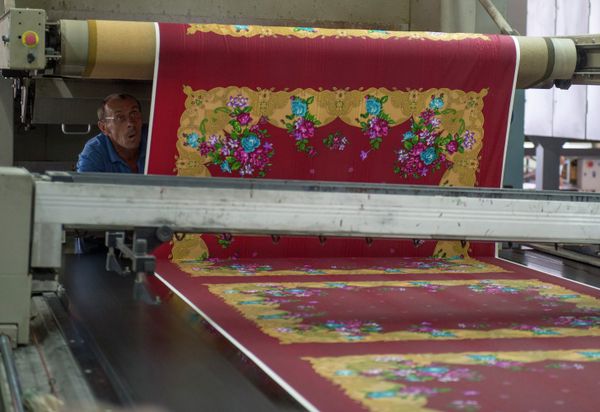
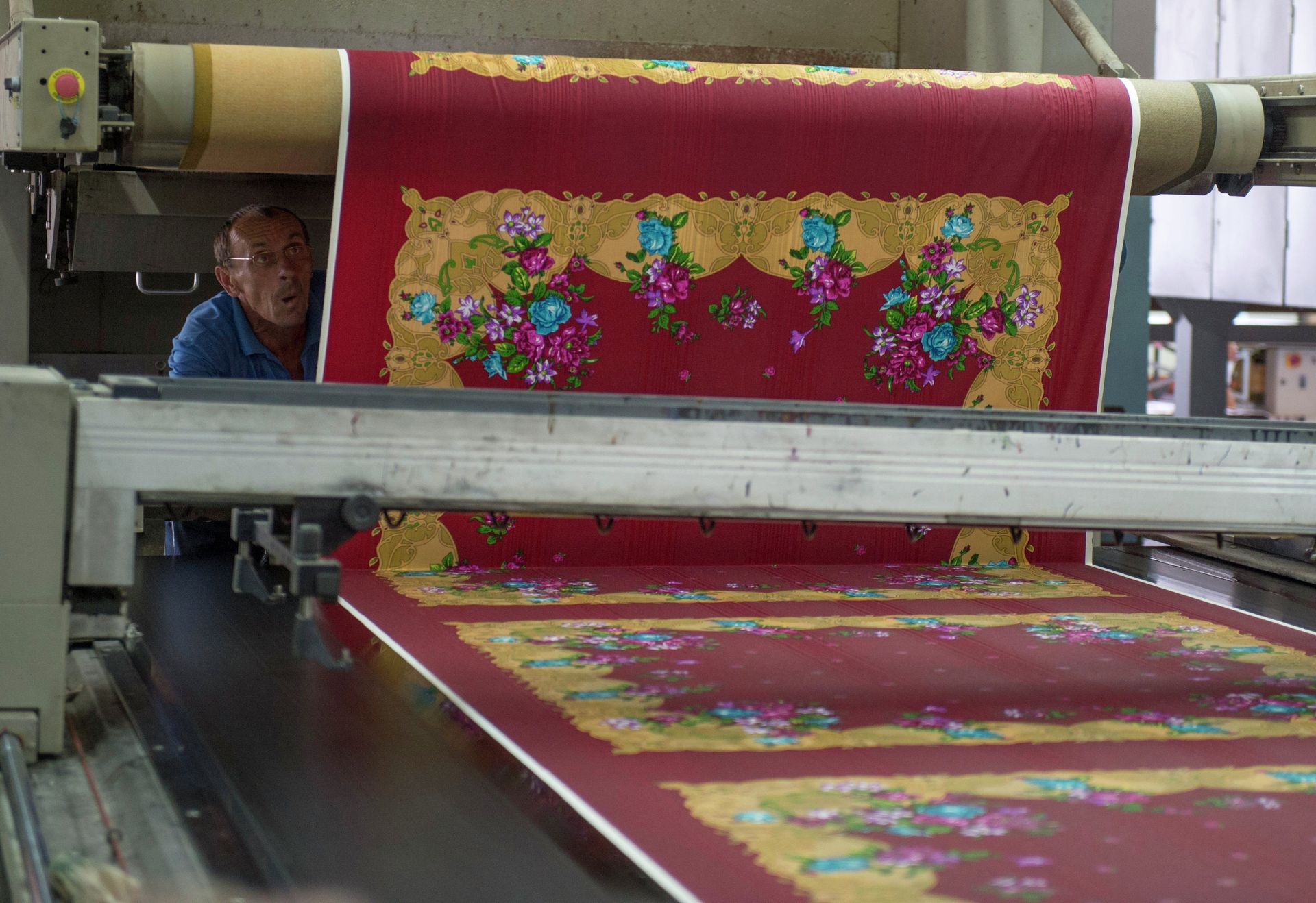
Shawls and scarves made in Pavlovsky Posad feature splendid, colorful bouquets of garden and wild flowers in the corners and are decorated overall with floral garlands as well as Oriental patterns imitating Indian and Persian shawls. The number of colors in the design varies from 10 to 18, but can sometimes reach 30.
Russian masters use pattern elements from different cultures: lotus, chamomile, ancient Greek and Roman vases, small flower bouquets, birds, ancient symbols and many others.
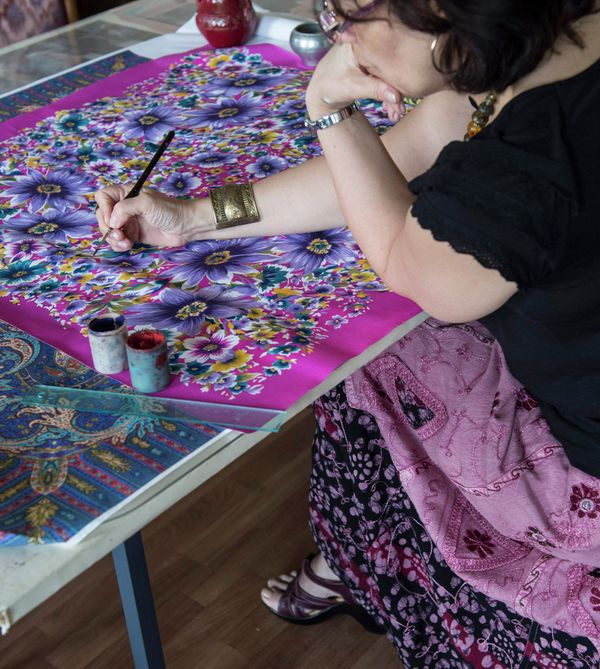
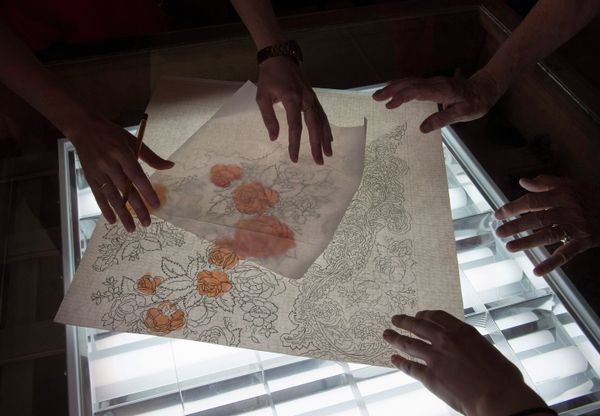
All croquis drawings (drawings made with gouache paint on drawing paper) are reviewed and approved by the Arts Council, which includes the factory’s merited artists and representatives of the Culture Ministry and the Folk Arts Expert Council of the Moscow Region. Photo: Developing a shawl design at the Pavlovo Posad Shawl Manufactory in Pavlovsky Posad, Moscow Region.
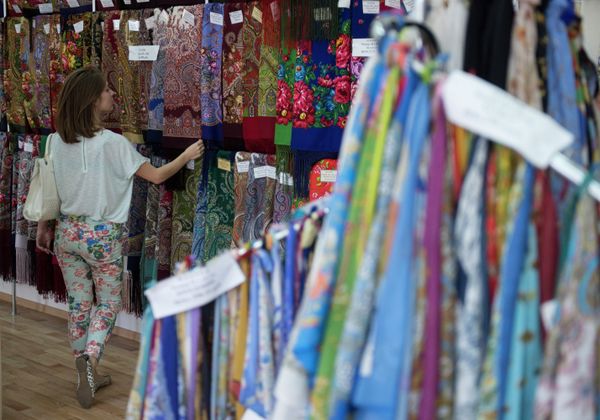
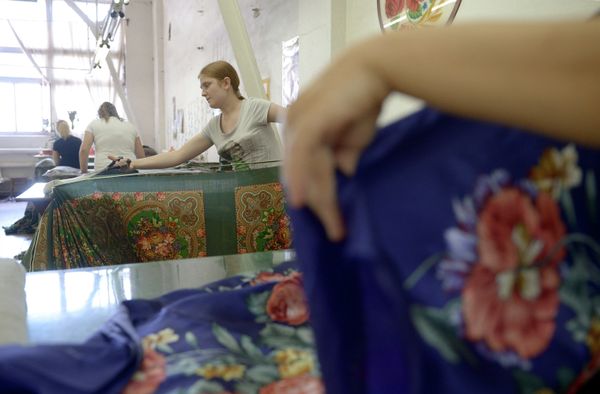
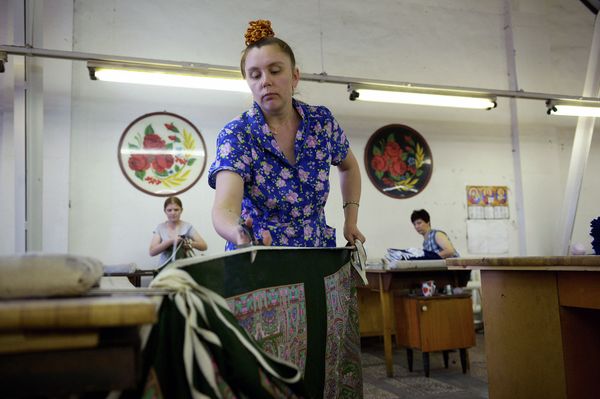
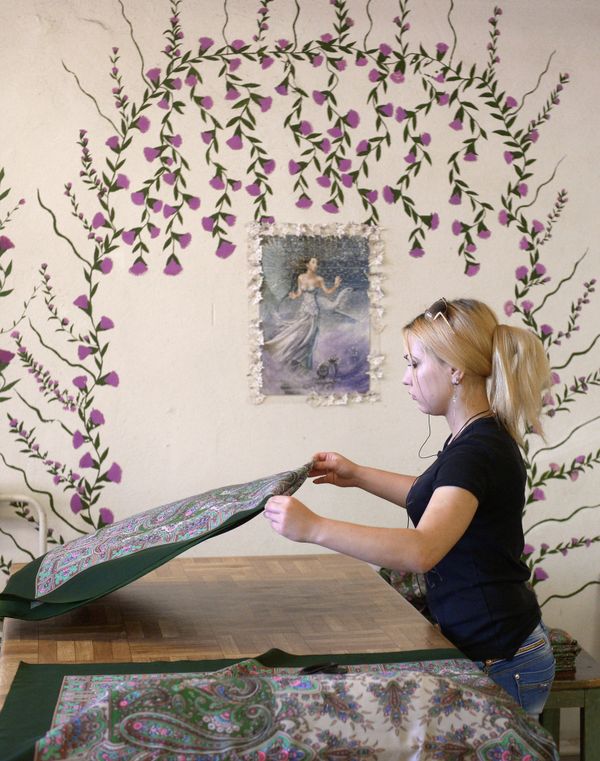
The finished product shop at the Pavlovo Posad Shawl Manufactory in Pavlovsky Posad, Moscow Region.
Newsfeed
0
Access to the chat has been blocked for violating the rules .
You will be able to participate again through:∞.
If you do not agree with the blocking, please use the feedback form
The discussion is closed. You can participate in the discussion within 24 hours after the publication of the article.