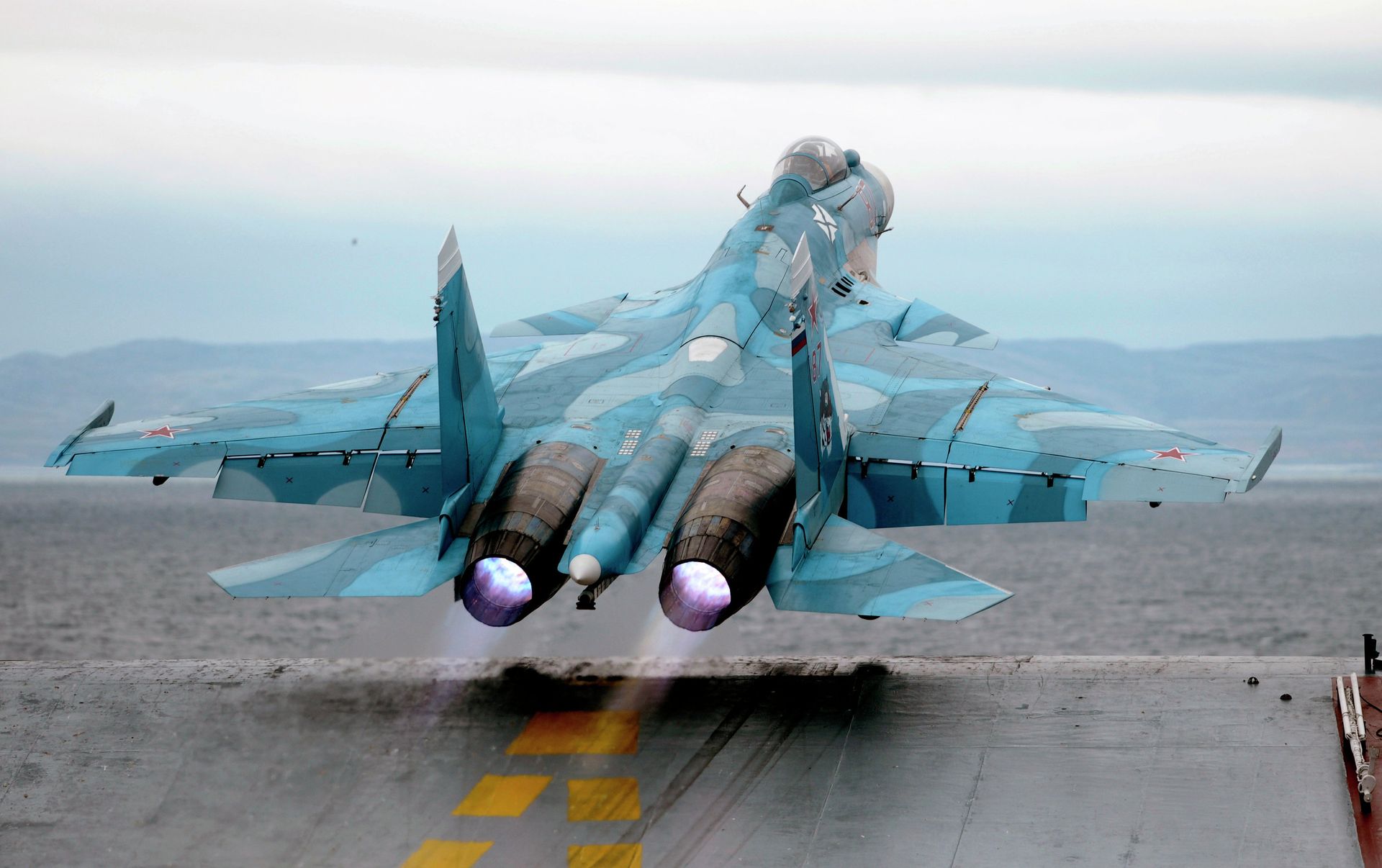
July 17 is the 97th anniversary of Russian naval aviation, whose history began in 1916 when Russian pilots won a dogfight over the Baltic Sea during the First World War.
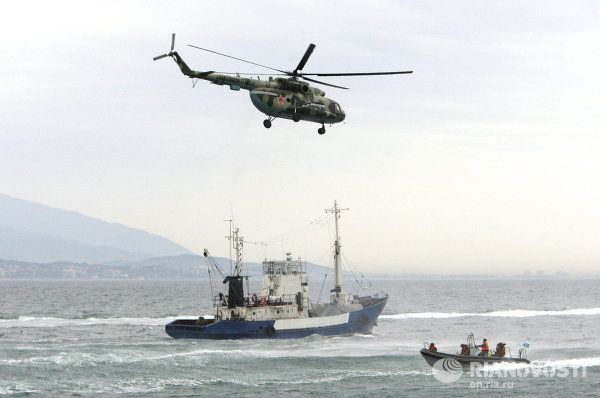
At present, naval aviation units are in service with all four Russian fleets – the Baltic, the Northern, the Pacific and the Black Sea.
Photo: The Mi-8 is one of the world's most-produced helicopters, with a record number of variants. The naval variant is designated Mi-14 and known by NATO as the Mi-14 Haze.
Photo: The Mi-8 is one of the world's most-produced helicopters, with a record number of variants. The naval variant is designated Mi-14 and known by NATO as the Mi-14 Haze.
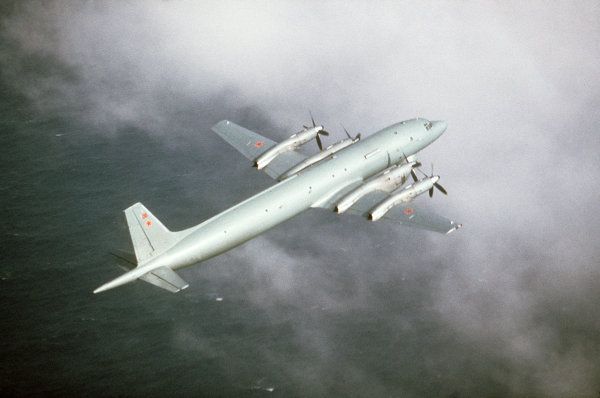
The Ilyushin Il-38 (NATO reporting name: May) is a maritime patrol aircraft and anti-submarine warfare (ASW) aircraft developed in the Soviet Union on the basis of the Ilyushin Il-18 turboprop transport.
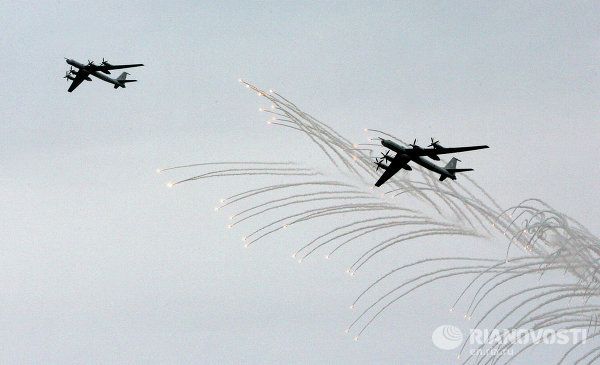
The Tupolev Tu-142 (NATO reporting name: Bear F/J) is a long-range maritime reconnaissance and anti-submarine warfare aircraft derived from the Tu-95 turboprop strategic bomber.
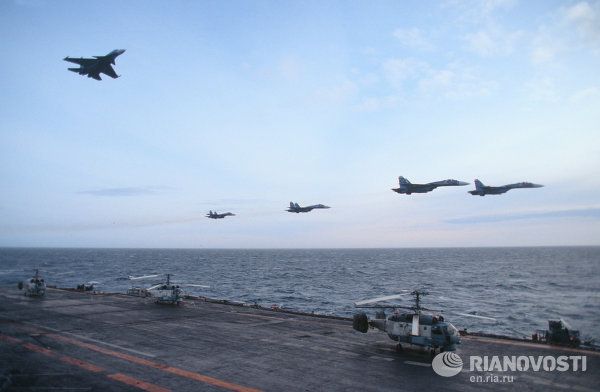
The Admiral Kuznetsov, Russia’s only aircraft carrier, hosts an air wing consisting of Su-33 fighter jets and Su-25UTG combat trainers, and a rotary wing consisting of Ka-27 and Ka-29 helicopters.
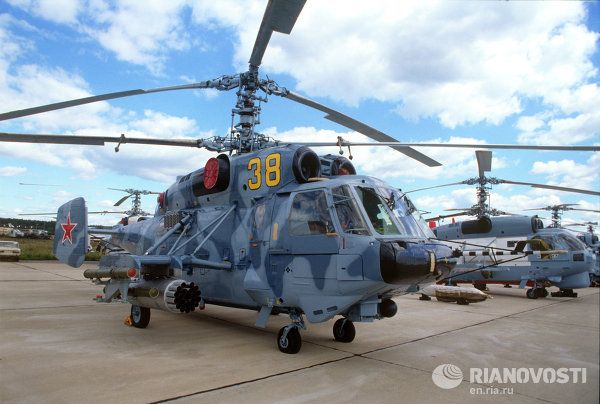
The Kamov Ka-29TB (NATO reporting name: Helix-B) is a dedicated assault transport derivative of the Ka-27 family, intended especially for the support of Russian navy’s amphibious operations.
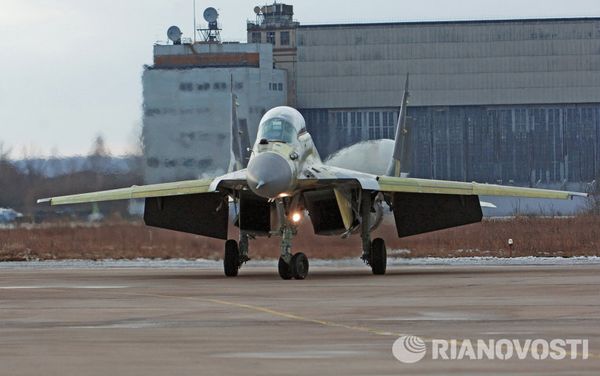
The MiG-29KUB (NATO reporting name: Fulcrum-D) is a 4++ generation twin-seat naval variant of the MiG-29M to be deployed on the Admiral Kuznetsov.
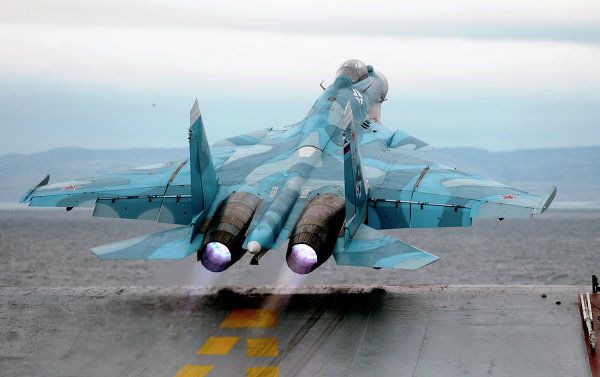
The Sukhoi Su-33 (NATO reporting name: Flanker-D) is a carrier-based derivative of the Su-27 fighter jet. It is the mainstay of Russia’s naval aviation.
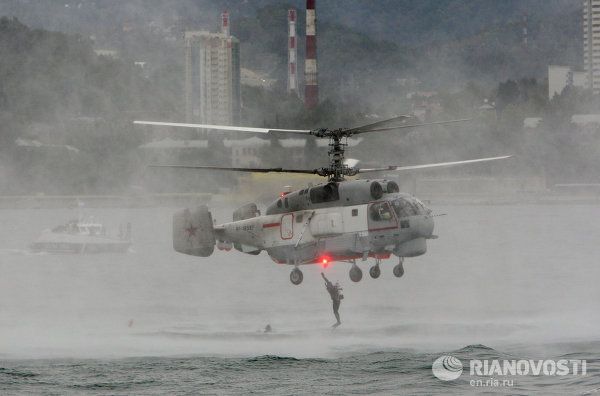
The Kamov Ka-27 (NATO reporting name: Helix) is a carrier-based anti-submarine warfare helicopter.
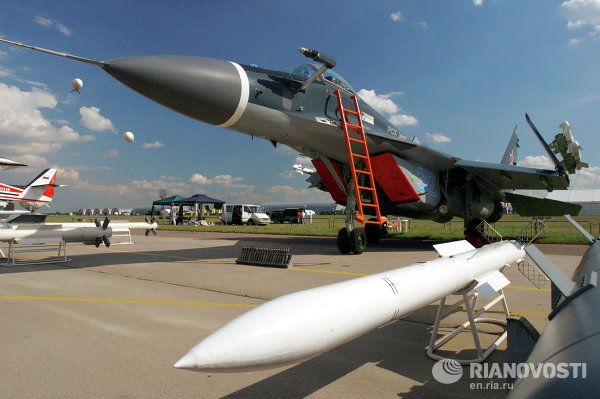
The MiG-29K is a 4++ generation single-seat naval fighter jet to be deployed on the Admiral Kuznetsov.