August 15 is the National Day of the Republic of Tuva. Tourists come to Tuva to experience the ethnic cuisine, arts and crafts, throat singing, khuresh (a kind... 17.08.2013, Sputnik International
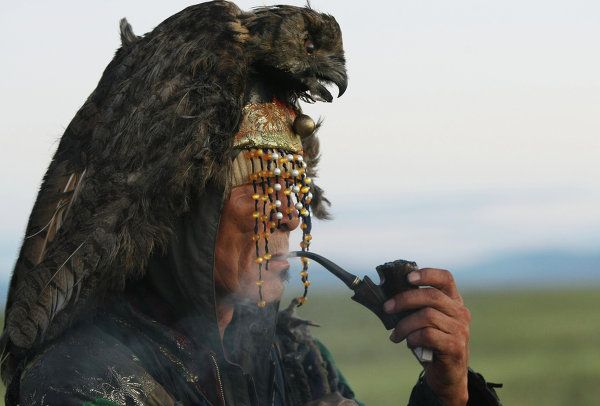
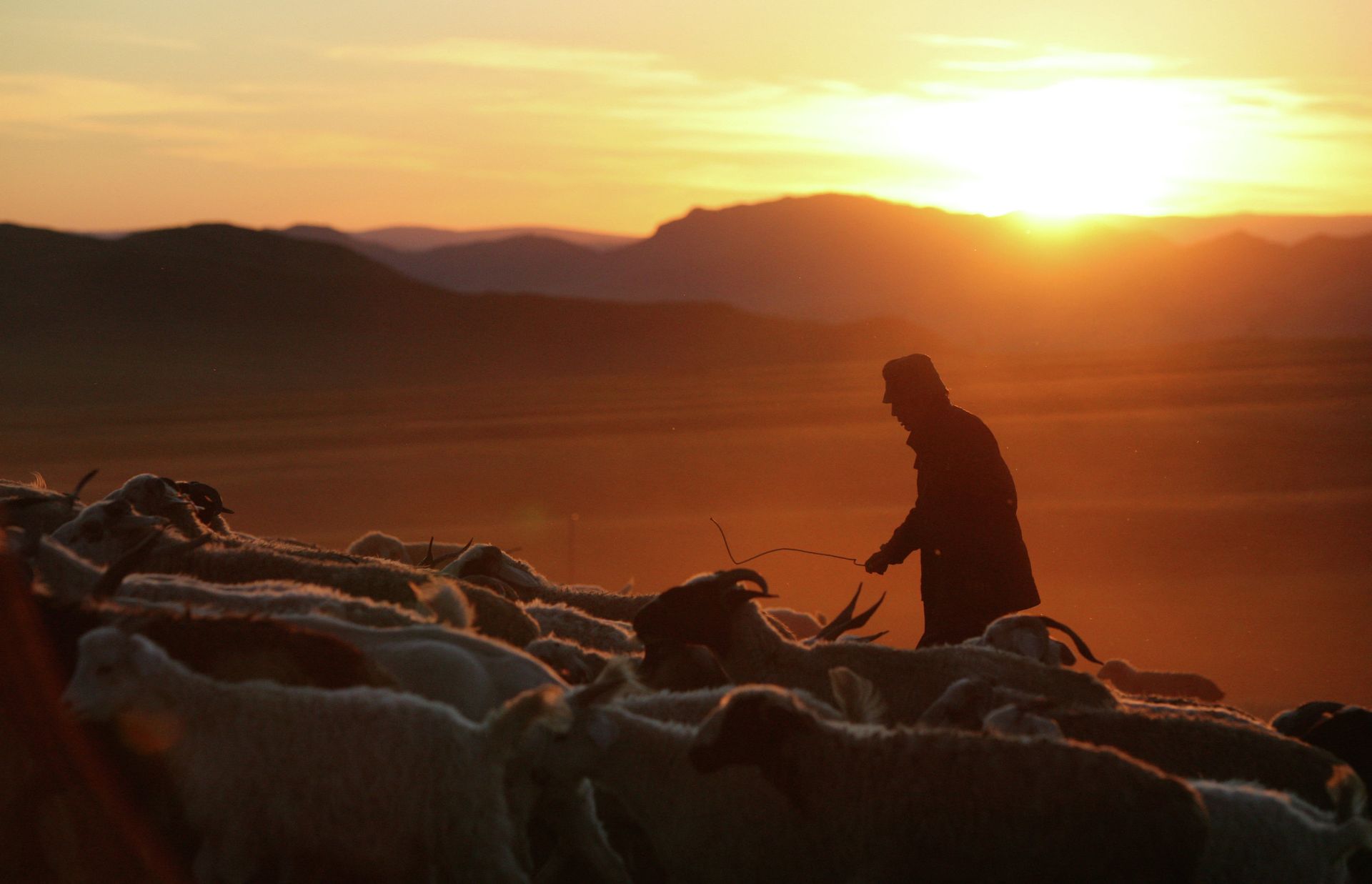
August 15 is the National Day of the Republic of Tuva. Tourists come to Tuva to experience the ethnic cuisine, arts and crafts, throat singing, khuresh (a kind of national fighting), horse-racing, a unique combination of shaman traditions and Buddhism, and the lifestyle of Russian Old Believers.
August 15 is the National Day of the Republic of Tuva. Tourists come to Tuva to experience the ethnic cuisine, arts and crafts, throat singing, khuresh (a kind of national fighting), horse-racing, a unique combination of shaman traditions and Buddhism, and the lifestyle of Russian Old Believers.
August 15 is the National Day of the Republic of Tuva. Tourists come to Tuva to experience the ethnic cuisine, arts and crafts, throat singing, khuresh (a kind of national fighting), horse-racing, a unique combination of shaman traditions and Buddhism, and the lifestyle of Russian Old Believers.
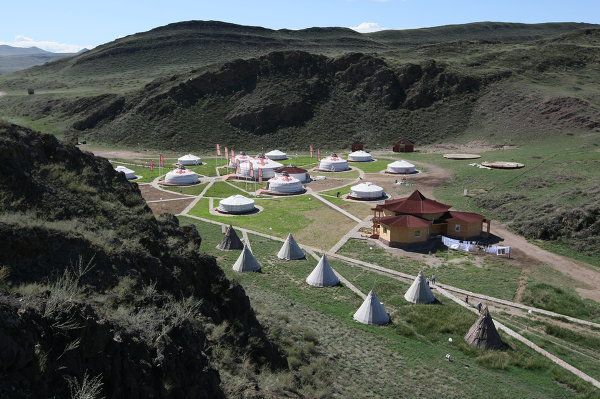
Tuva’s Aldyn Bulak ethnocultural complex. Once, this small valley was home to the Khan’s quarters; nowadays, tourists can see inside yurts – traditional Tuvan dwellings – and take throat singing lessons.
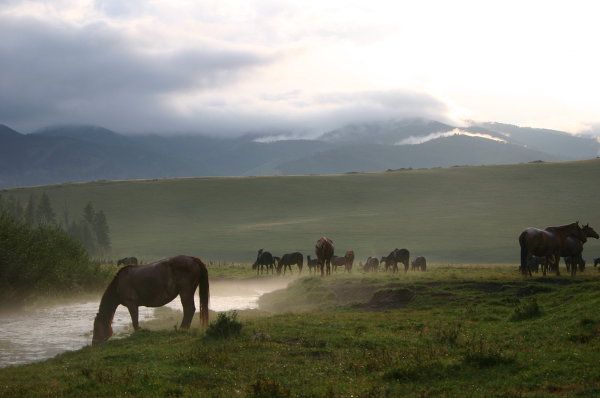
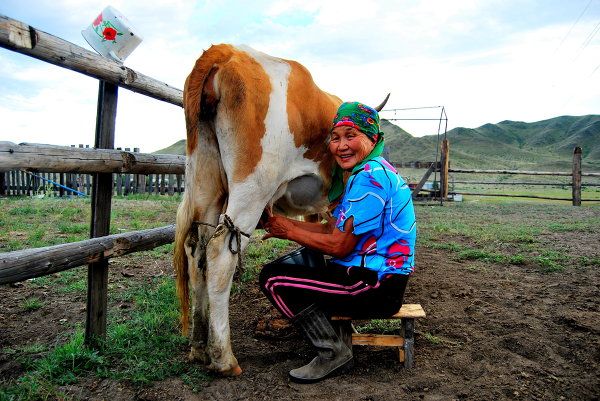
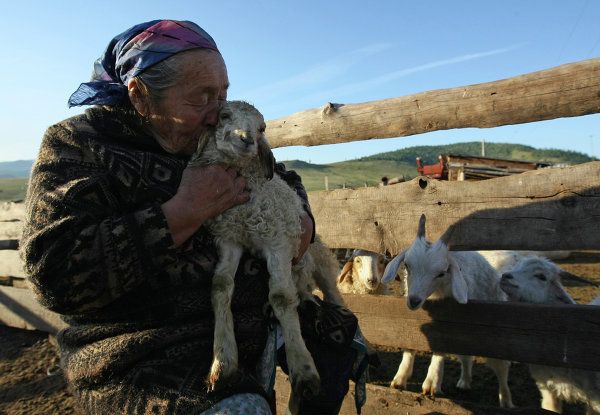
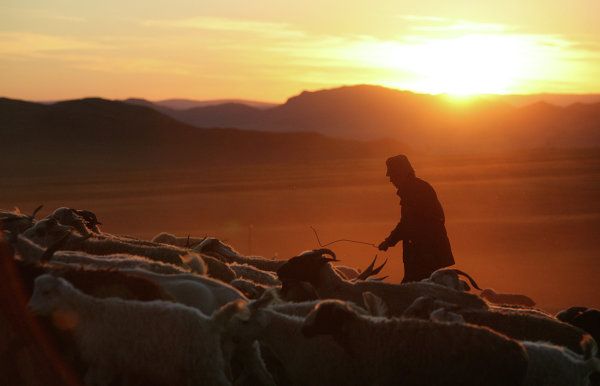
Naadym, a folk celebration for animal breeders, was made an official holiday in 2013. On this day, outstanding herders and horse wranglers receive awards.
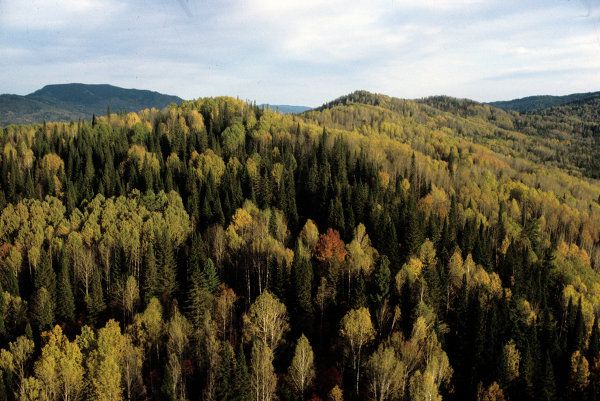
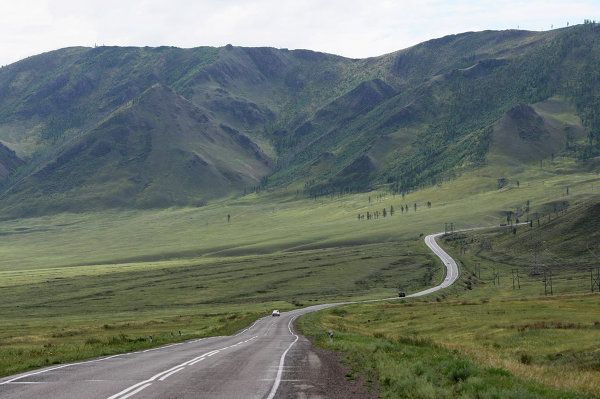
A place named Kara Sug in the Pii Khem district of Tuva.
Newsfeed
0
Access to the chat has been blocked for violating the rules .
You will be able to participate again through:∞.
If you do not agree with the blocking, please use the feedback form
The discussion is closed. You can participate in the discussion within 24 hours after the publication of the article.