Aerial Views of the Devastating Floods in Russia’s Far East
Aerial Views of the Devastating Floods in Russia’s Far East
Sputnik International
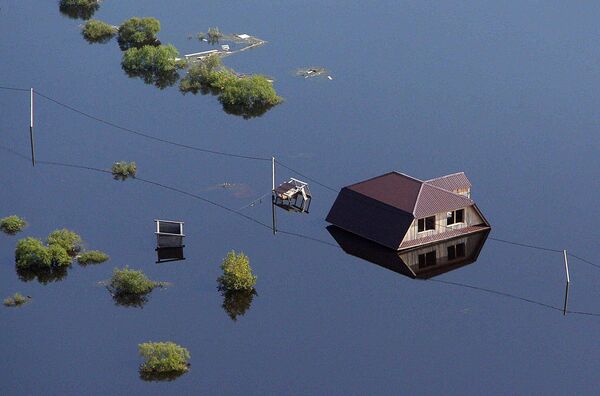
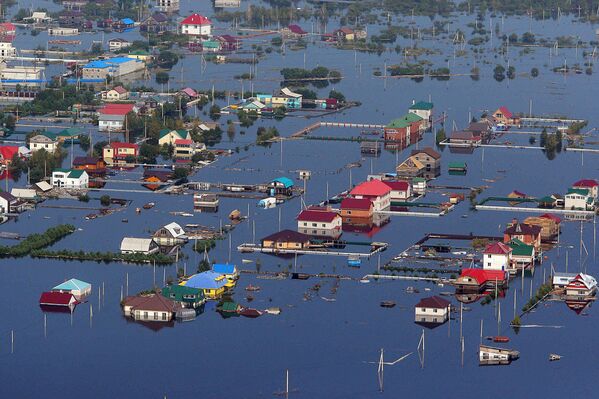
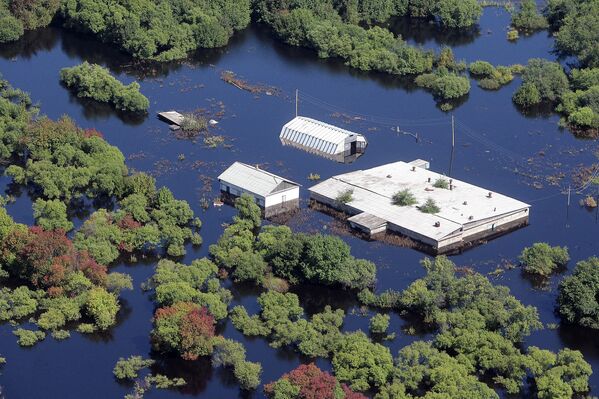
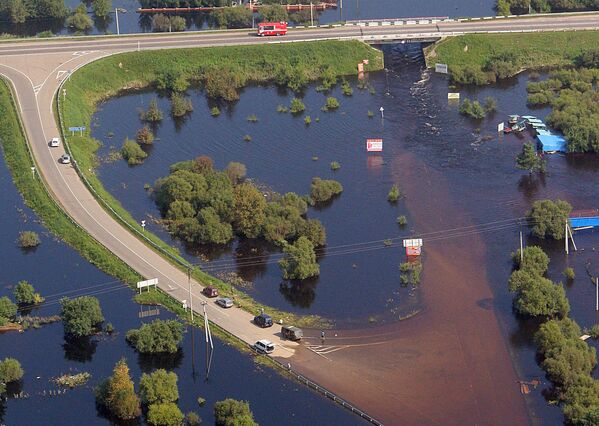
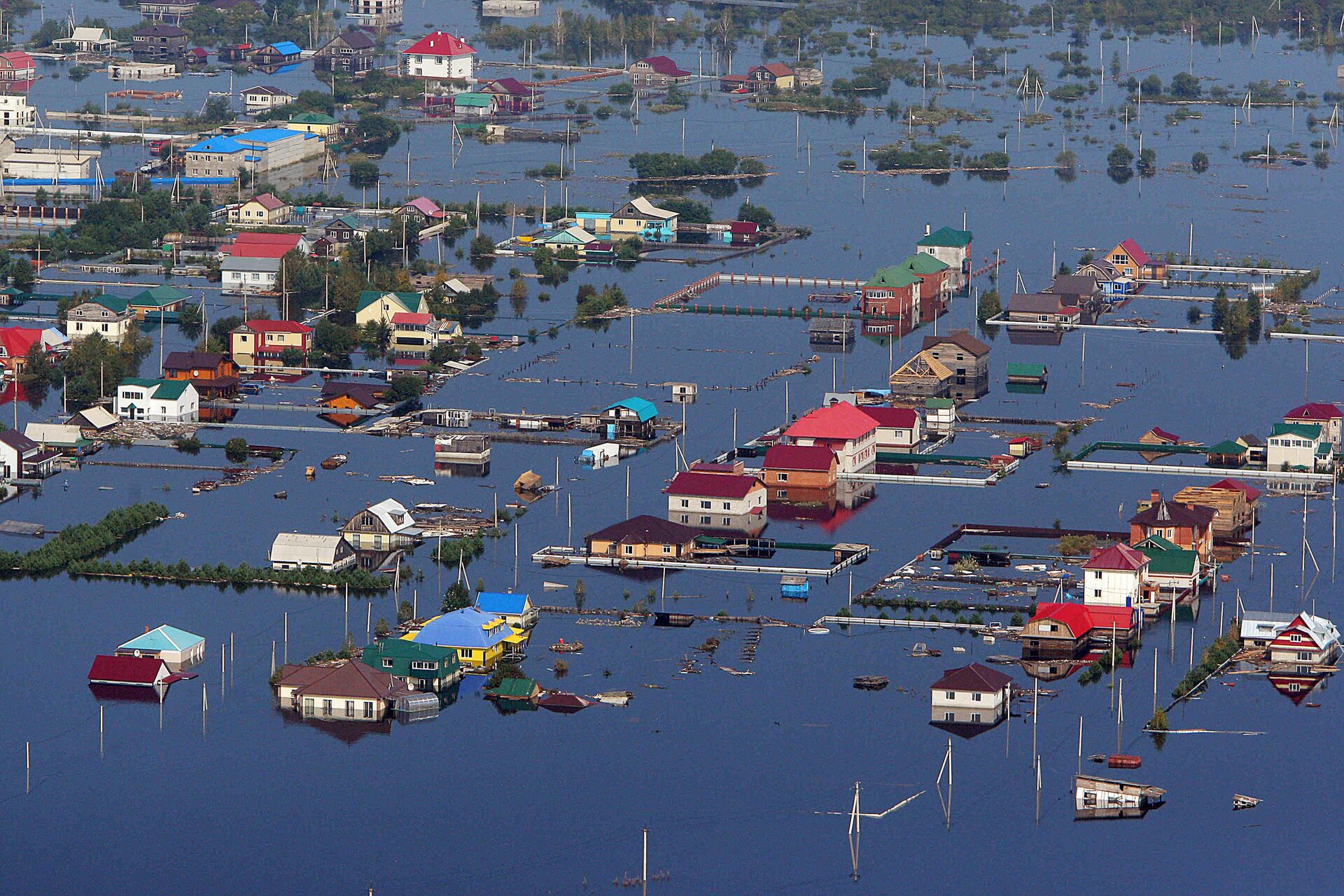
The state of emergency declared three weeks ago in several regions of the Russian Far East is still in force, and over 20,000 people have been evacuated. 22.08.2013, Sputnik International
The state of emergency declared three weeks ago in several regions of the Russian Far East is still in force, and over 20,000 people have been evacuated.
The state of emergency declared three weeks ago in several regions of the Russian Far East is still in force, and over 20,000 people have been evacuated.
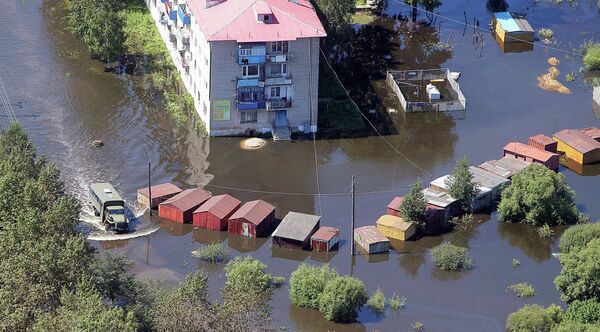
The state of emergency declared three weeks ago in several regions of the Russian Far East is still in force, and over 20,000 people have been evacuated.
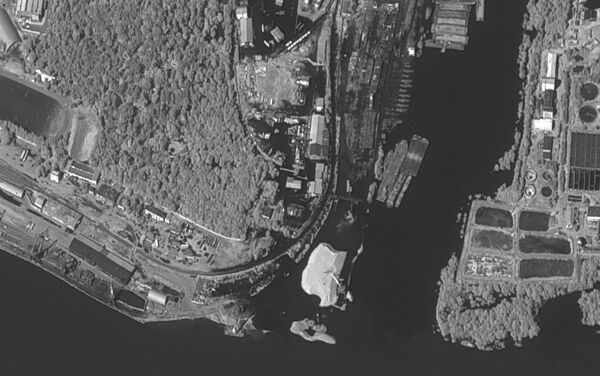
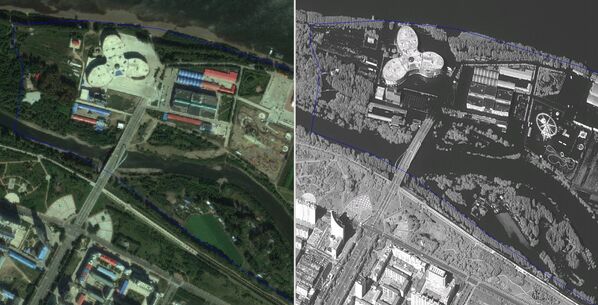
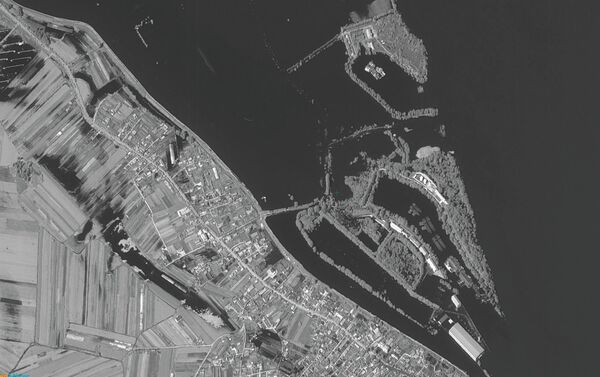
Flooded areas of the city of Blagoveshchensk, located in the Amur Region near the Chinese border, can be seen on satellite images taken on August 19-20.
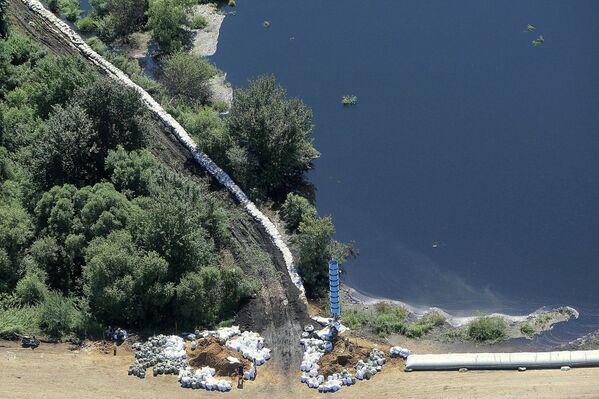
The flooding in the Far East occurred during the rising phase of natural water-level fluctuations in the Amur River and its tributaries, and the overall situation will not improve over the coming decade, Alexei Kokorin, WWF's climate and energy program officer in Russia, told journalists this week. Photo: flood barriers in the village of Leninskoye in the Leninsky district of the Jewish Autonomous Region.
High resolution satellite imagery and information that helps assess the scope of the disaster are sent over to the National Crisis Management Center of the Emergencies Ministry, as well as to the ministry's Far East regional center.
The level of precipitation is increasingly disproportionate in Russia and all around the world, and the number of dangerous hydrometeorological phenomena has doubled in the last 16 years. Scientists say this is due to global climate change, and that there is no reason to believe that the trend will be reversed in years to come.
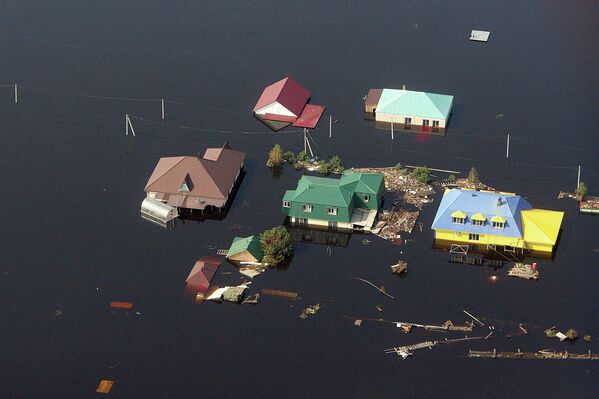
The partially flooded village of Leninskoye in the Jewish Autonomous Region
Newsfeed
0
Access to the chat has been blocked for violating the rules .
You will be able to participate again through:∞.
If you do not agree with the blocking, please use the feedback form
The discussion is closed. You can participate in the discussion within 24 hours after the publication of the article.