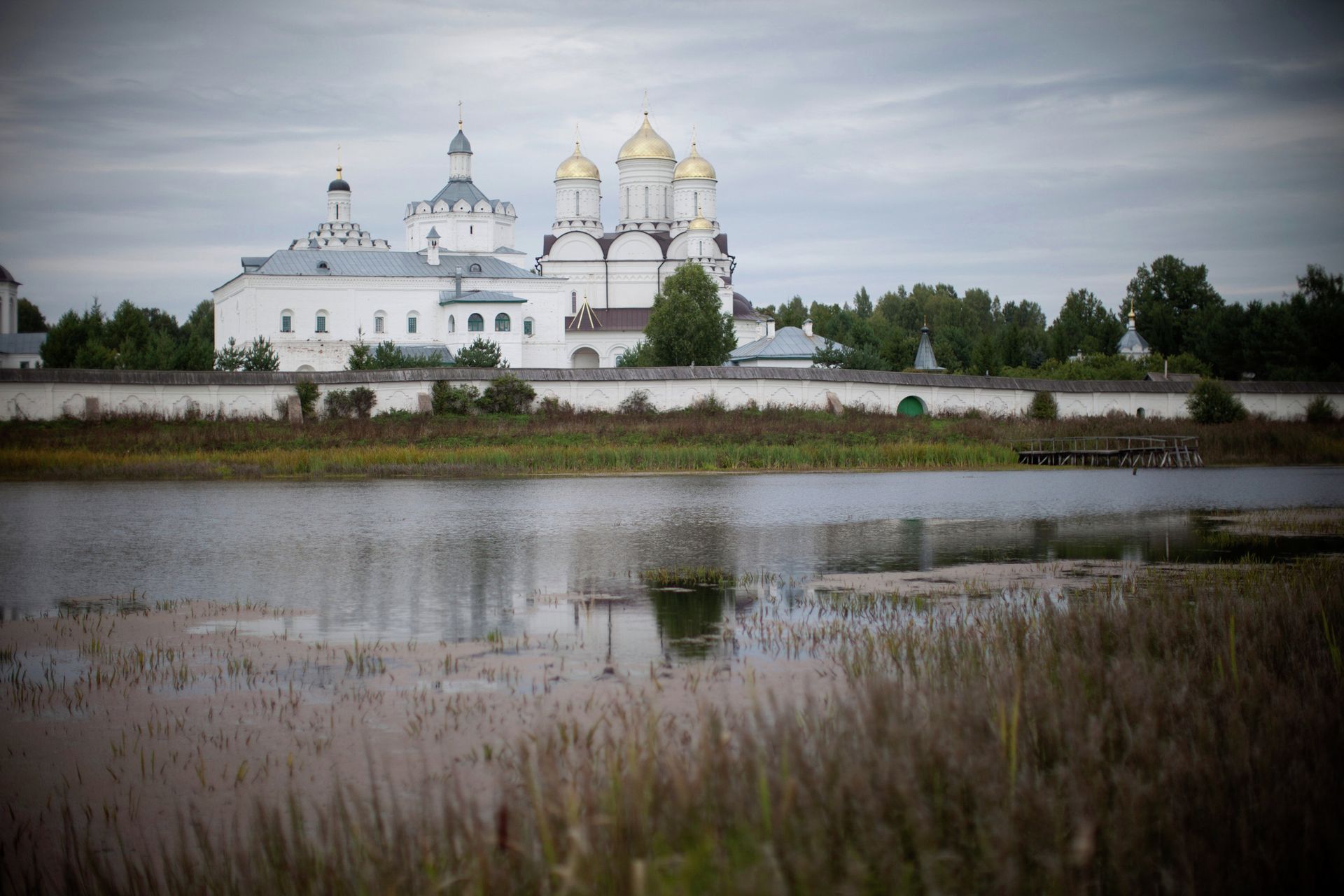
Take a virtual trip to the Smolensk Region with this RIA Novosti photo essay.
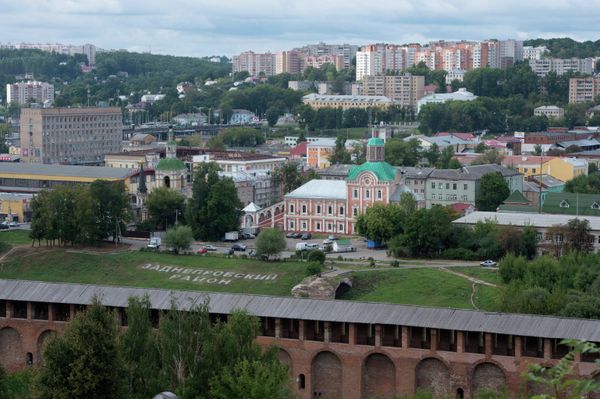
Smolensk is one of the most ancient Russian cities, first mentioned in the chronicles in the mid-9th century.
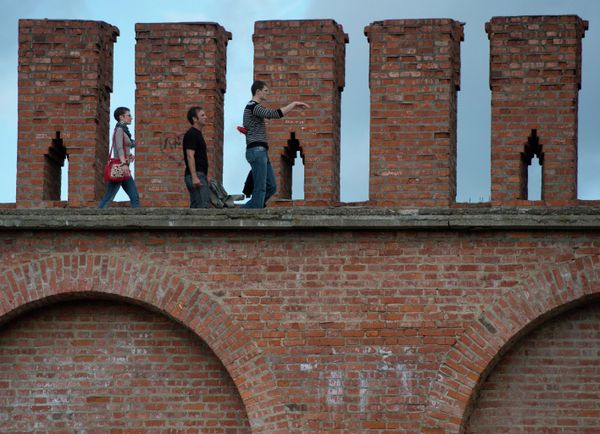
The city owed its development to its advantageous location at the crossroads of trade routes. Photo: the fortress wall in Smolensk.
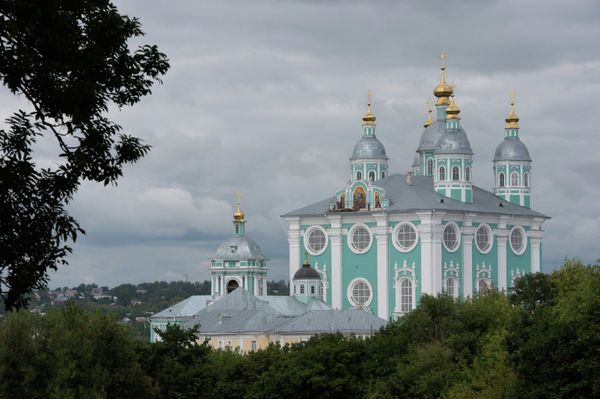
The Assumption of the Blessed Virgin Cathedral is located in the center of Smolensk on Cathedral Hill. It was erected in memory of the heroic defense of Smolensk from the Polish-Lithuanian Commonwealth’s troops in 1609-1611.
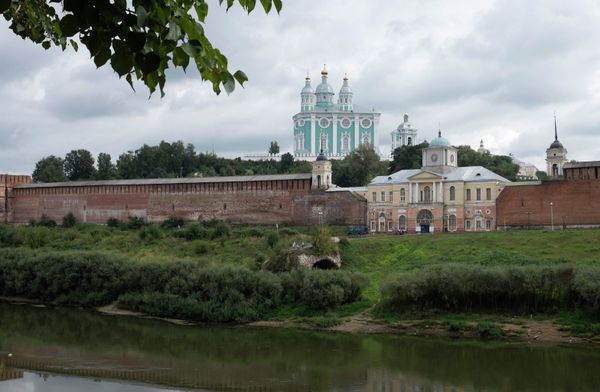
Cathedral Hill and the fortress wall in Smolensk.
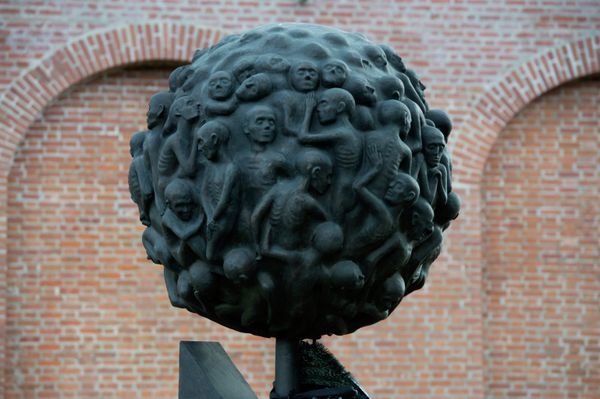
The Scorched Flower is a monument to children who were imprisoned in Nazi concentration camps.
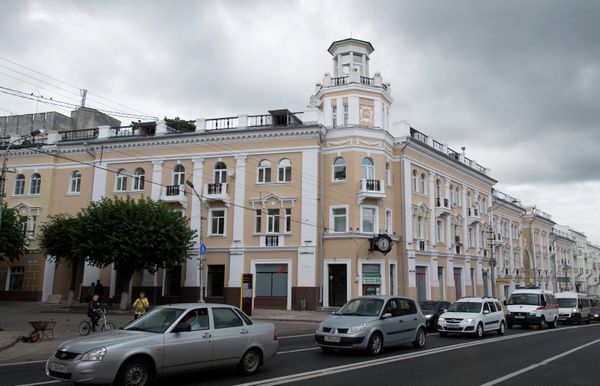
A street in Smolensk.
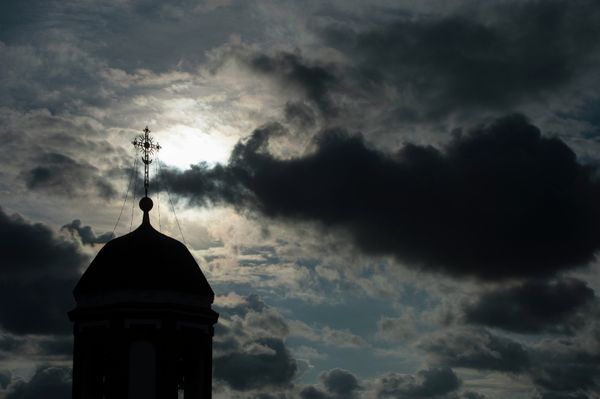
The dome of the Church of the Intercession.
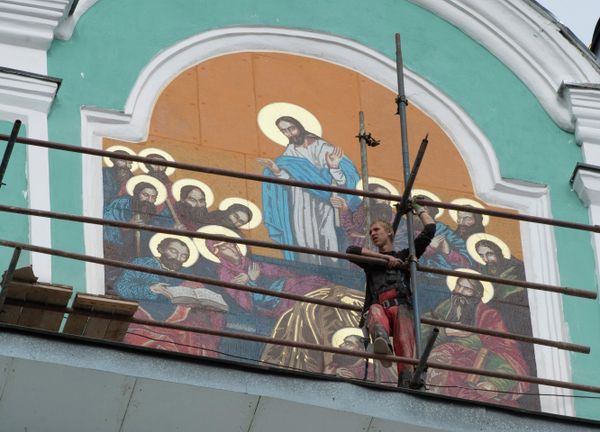
Restoration work at the Assumption Cathedral in Smolensk.
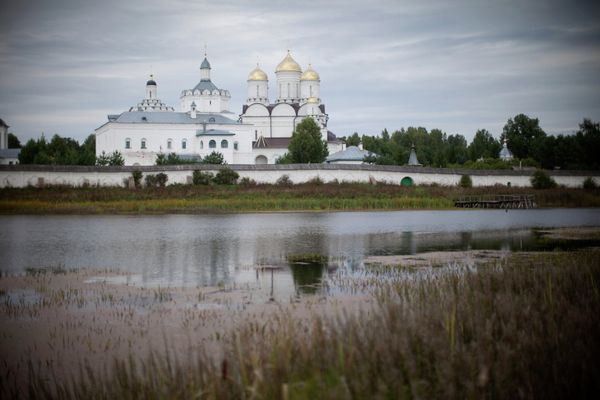
The Trinity Gerasimo-Boldinsky Monastery, about 130 km from Smolensk, was founded in 1530.
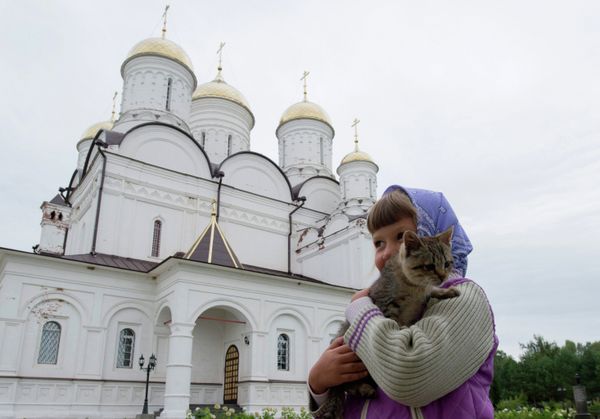
A girl with a kitten on the territory of the Trinity Gerasimo-Boldinsky Monastery in the Smolensk Region.
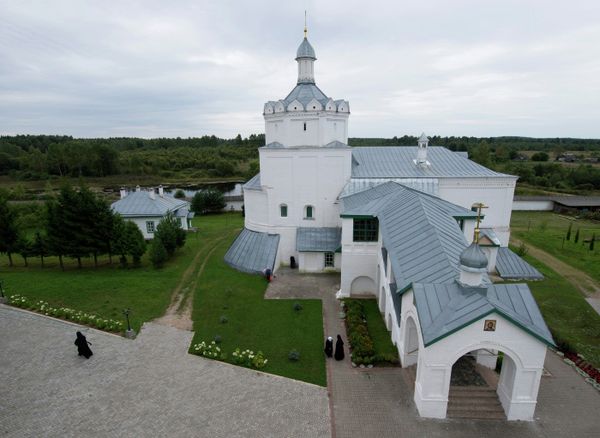
The Trinity Gerasimo-Boldinsky Monastery in the Dorogobuzh district of the Smolensk Region.
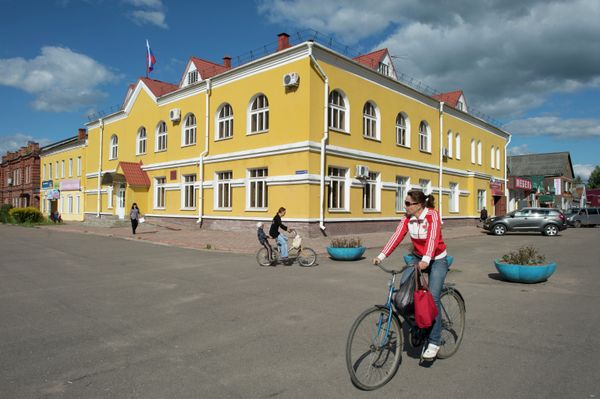
The town of Demidov is located 92 km from Smolensk.
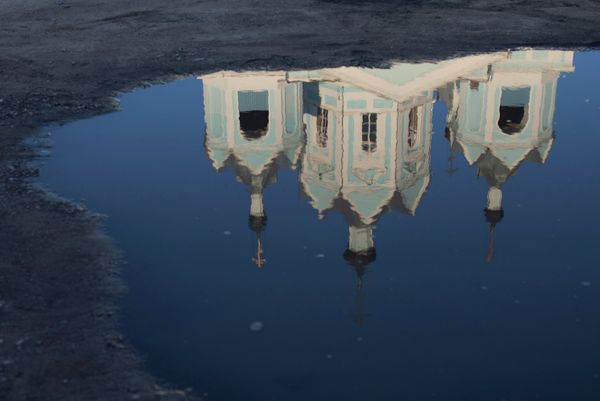
Last year, the Assumption Cathedral in Demidov celebrated its 160th anniversary.
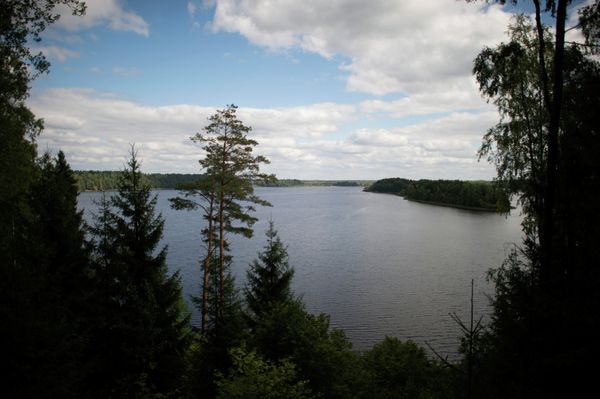
Lake Sapsho in the Smolenskoye Poozyorye national park.
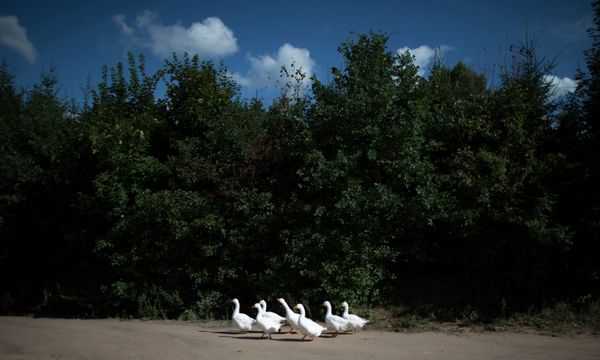
The village of Przhevalskoye in the Smolensk Region, named after the Russian explorer and naturalist Nikolai Przhevalsky.
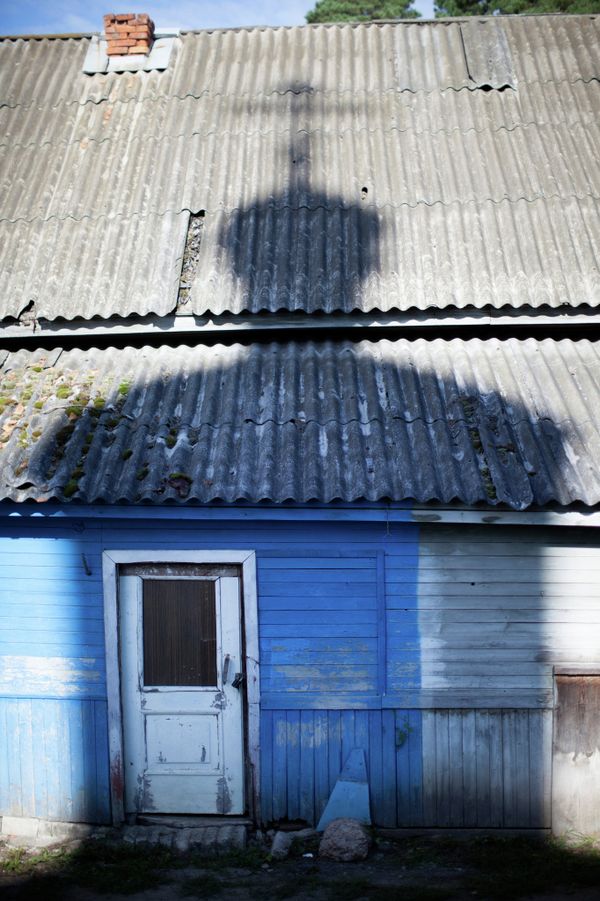
The village of Przhevalskoye in the Smolensk Region.
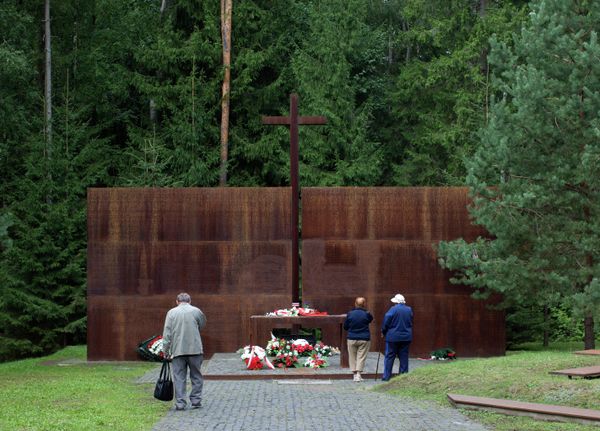
The Katyn memorial complex is located 20 km from the center of Smolensk at the site of the mass executions (mostly of captured Polish army officers) carried out by the People’s Commissariat for Internal Affairs in the spring of 1940. According to published documents, in total, almost 22,000 Polish prisoners were shot.
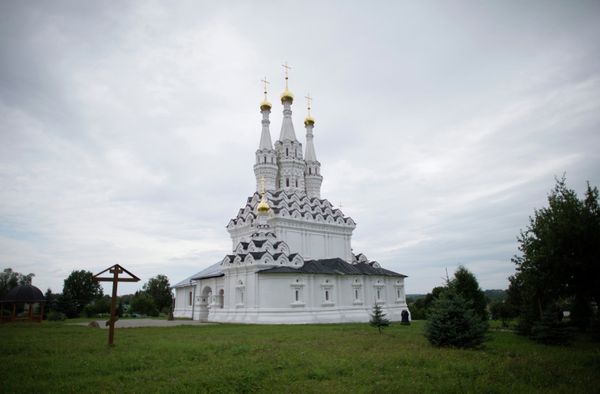
The Hodigitria Church of the John the Baptist Monastery, which was founded in the 16th century in the town of Vyazma in the Smolensk Region.
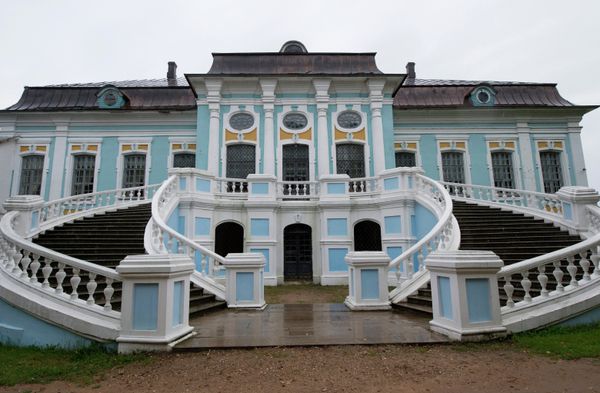
The Griboyedov noble family’s country estate in the Smolensk Region.