Russia marks Missile and Artillery Forces Day on November 19. RIA Novosti presents the best missile and artillery systems that have been or currently are in... 19.11.2013, Sputnik International
Russia marks Missile and Artillery Forces Day on November 19. RIA Novosti presents the best missile and artillery systems that have been or currently are in service with the Soviet and Russian army.
Russia marks Missile and Artillery Forces Day on November 19. RIA Novosti presents the best missile and artillery systems that have been or currently are in service with the Soviet and Russian army.
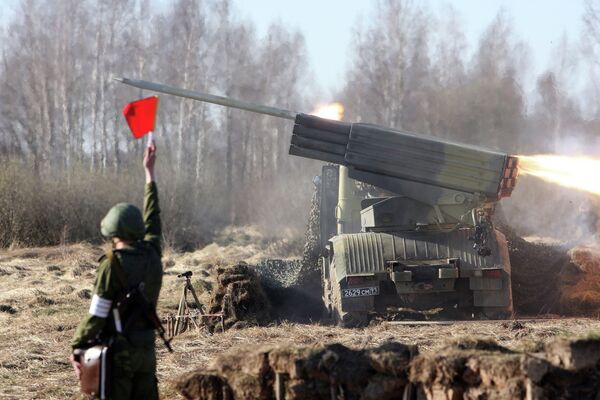
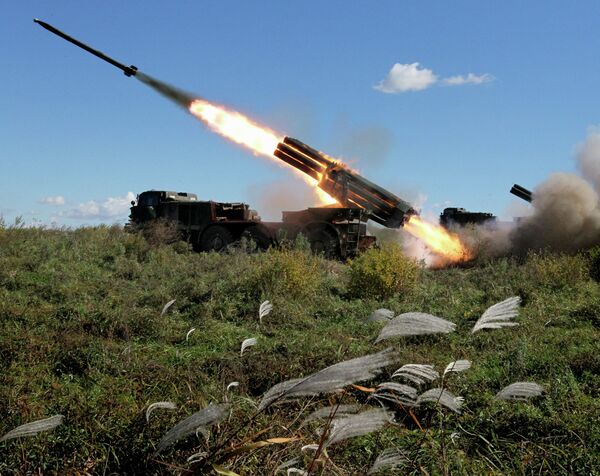
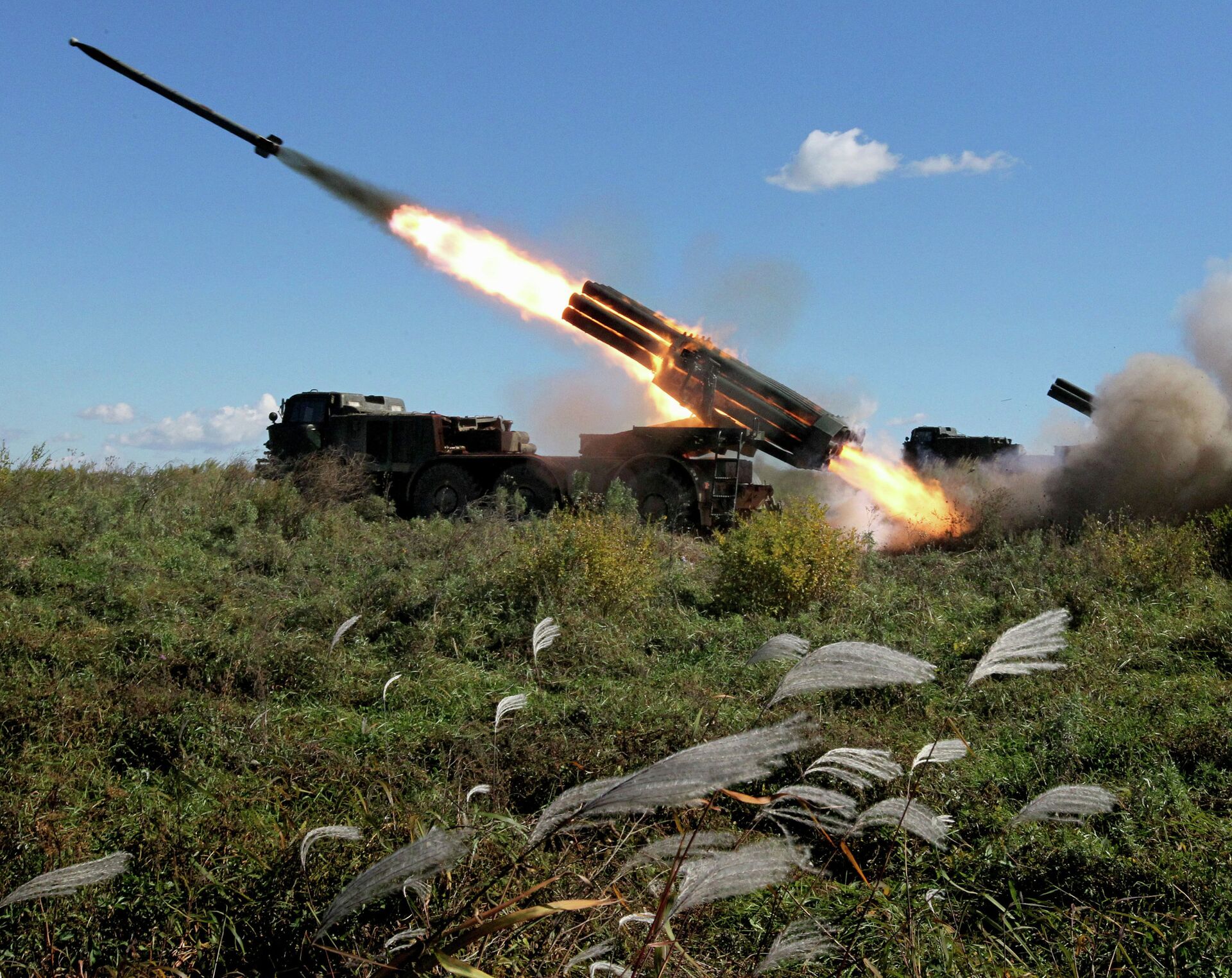
Russia marks Missile and Artillery Forces Day on November 19. RIA Novosti presents the best missile and artillery systems that have been or currently are in service with the Soviet and Russian army. Photo: The BM-21 Grad truck-mounted 122-mm multiple rocket launcher developed in the early 1960s and produced until 1988.
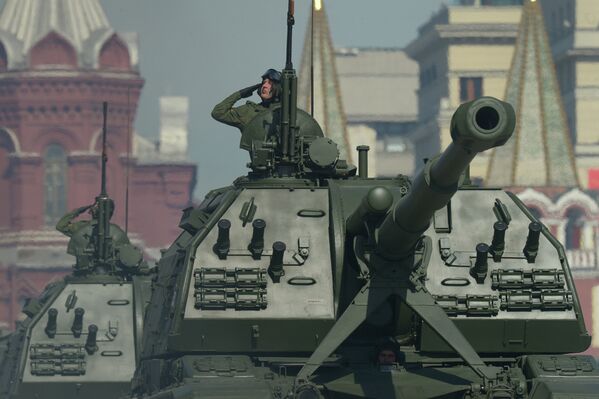
The 2S19 Msta-S 152-mm self-propelled howitzer developed in the late 1980s. Entered service in 1989. Has a firing range of 29 kilometers (18 miles), which could be extended to 36 kilometers (22 miles) by using rocket assisted projectiles.
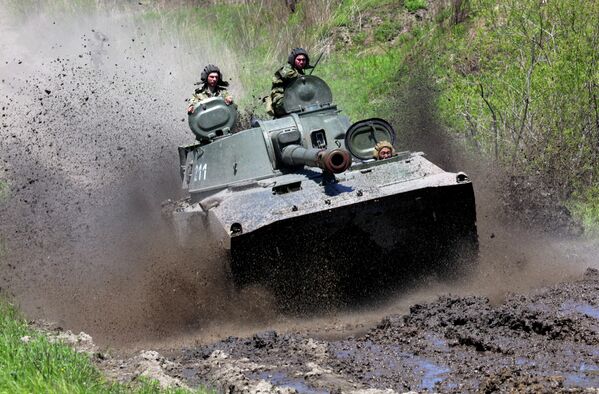
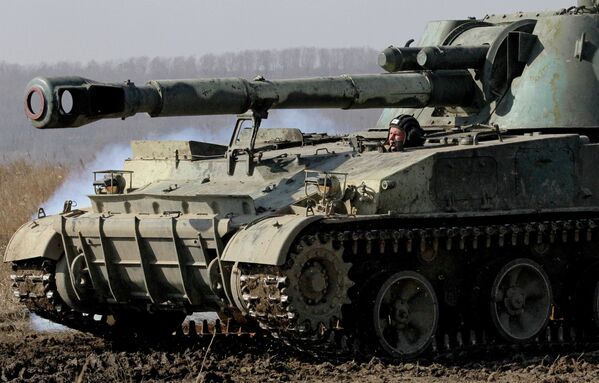
The 2S3 Akatsiya 152-mm self-propelled howitzer developed in the late 1960s and produced until 1993. Has a firing range of 18.5 kilometers (11.5 miles).
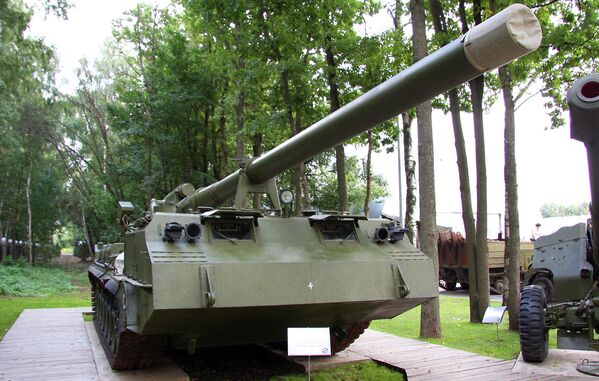
The 2S7 Pion 203-mm self-propelled gun developed in the early 1970s and produced until 1990. Has a firing range of 37.5 kilometers (23.3 miles), which could be extended to 55.5 kilometers (34.5 miles) by using rocket assisted projectiles.
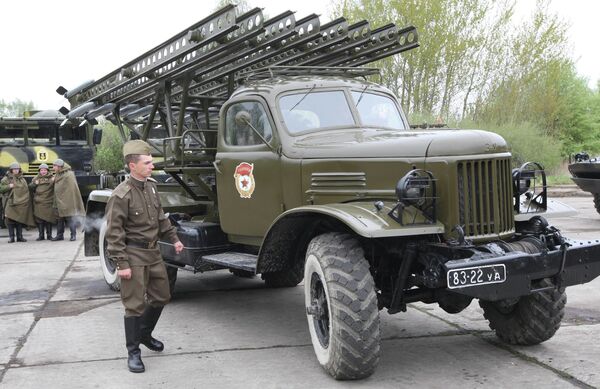
The legendary BM-13 Katyusha - the first self-propelled artillery mass-produced by the Soviet Union and widely-used against the German troops during the World War II. The distinctive howling sound of the Katyusha rocket launching terrified the Germans, who dubbed it “Stalin’s organ.”
Newsfeed
0
Access to the chat has been blocked for violating the rules .
You will be able to participate again through:∞.
If you do not agree with the blocking, please use the feedback form
The discussion is closed. You can participate in the discussion within 24 hours after the publication of the article.