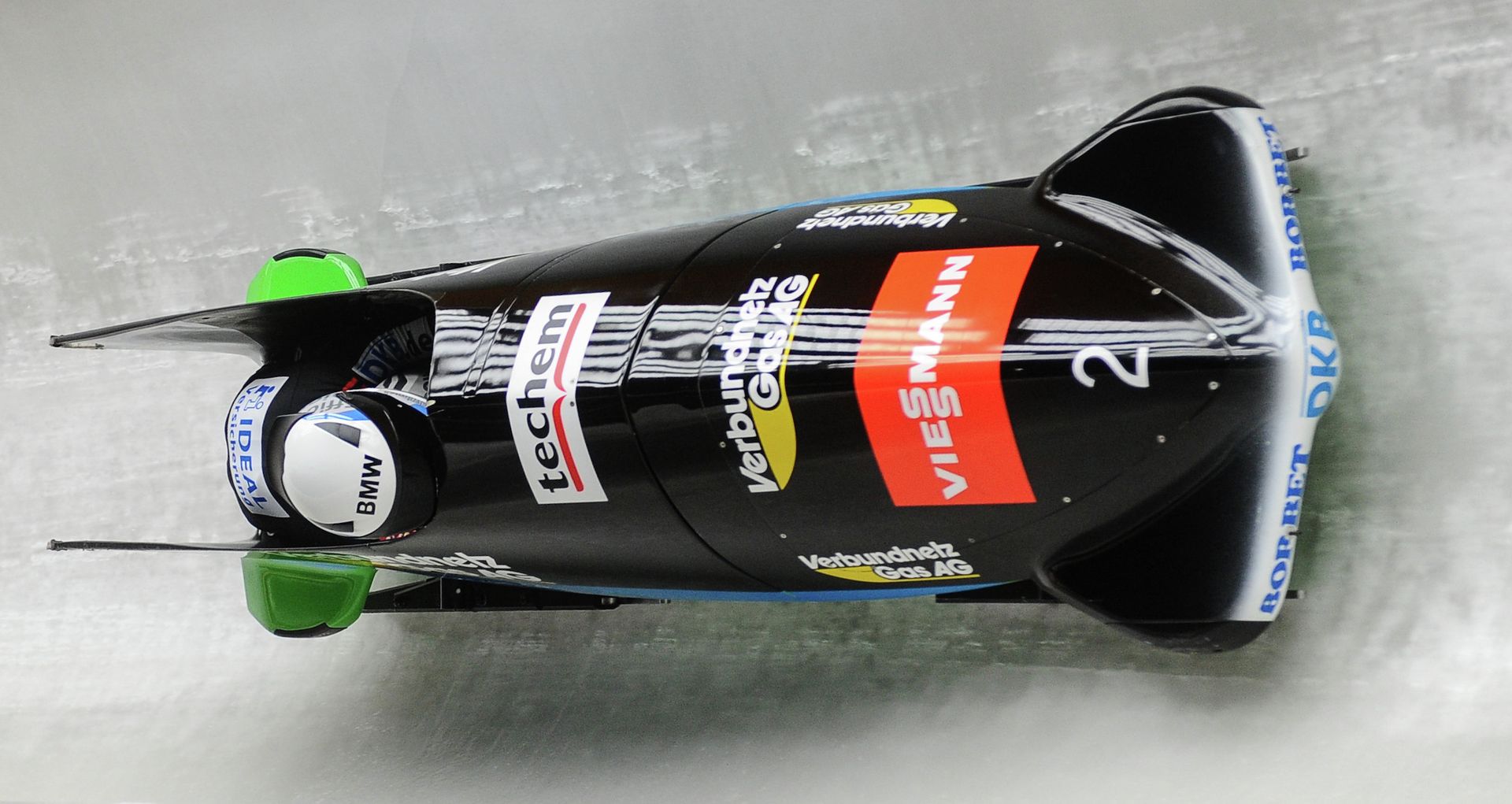
Bobsleigh entered the Olympic Winter Games program in 1924 in Chamonix with a single four-man event. In 1928, the event included four- and five-man sleds (or toboggans).
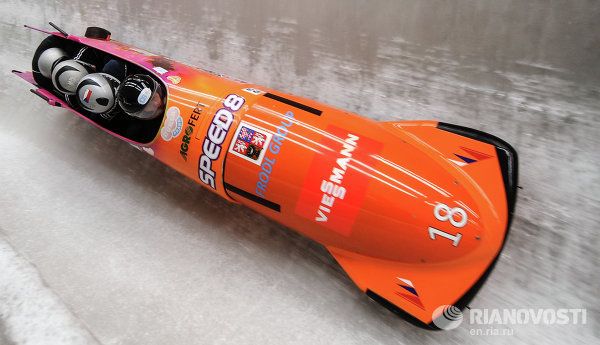
Bobsleigh entered the Olympic Winter Games program in 1924 in Chamonix with a single four-man event. In 1928, the event included four- and five-man sleds (or toboggans).
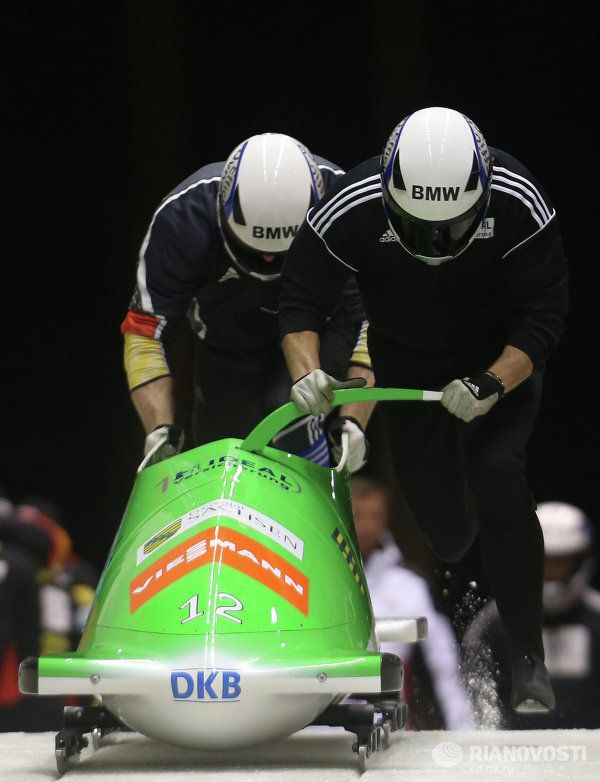
Since 1932 (except for 1960 Squaw Valley Games where the organizers chose not to build a bobsleigh track), there have been two- and four-man events.
In October 1999, women’s bobsleigh was added to the Olympic Winter program and women competed for the first time in the two-person event at Salt Lake City in 2002.
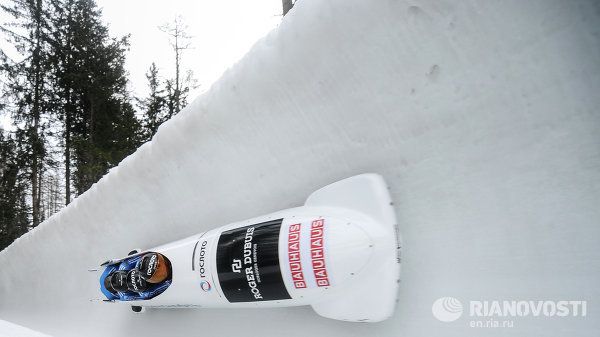
Bobsleigh is a sport that involves high-speed mountain descent on a sled.
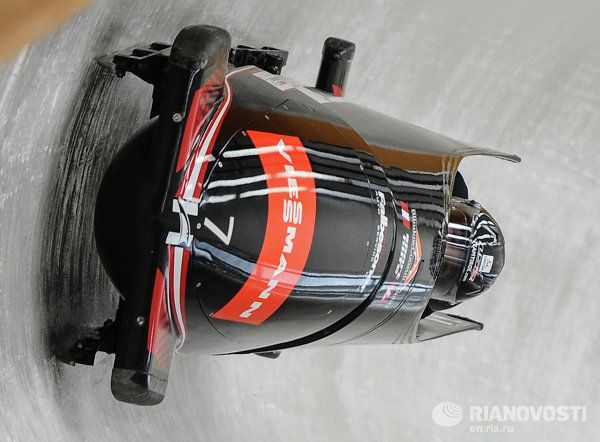
Olympic bobsleigh competition consists of four runs held over a two-day period, with two runs completed each day. Medals are awarded based on total time over the four runs, with the winner having the lowest overall time. If two teams complete the competition in a tie, they are awarded the same place. There are events for both men and women.
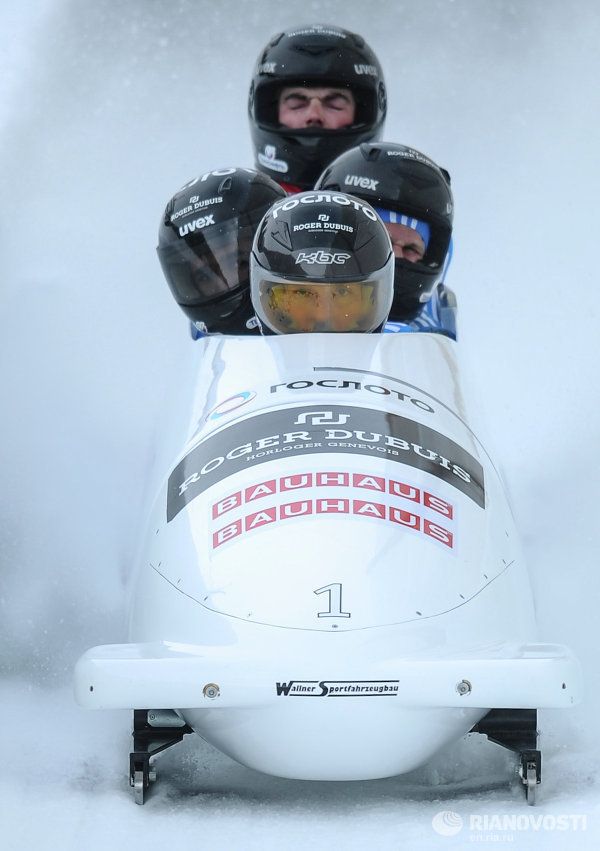
Three events make up the Olympic bobsleigh program: Men and women compete in two-person competitions; men also compete in four-man competitions. Three sets of medals altogether are awarded.
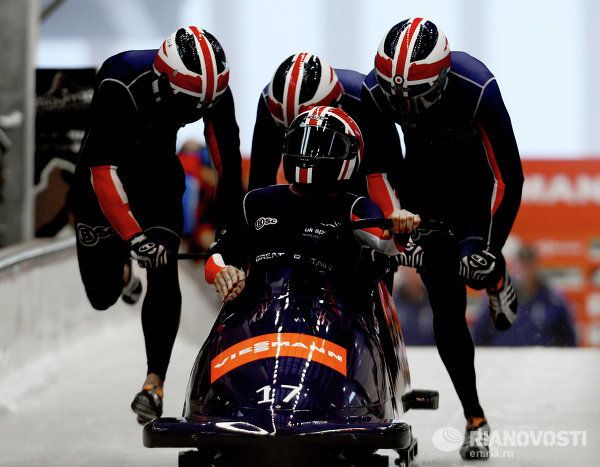
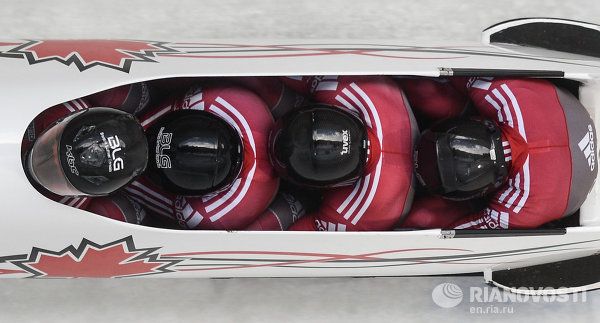
The sled consists of a main hull, a frame, a front and rear axle, and two sets of independent steel runners. There are two-man and four-man sleds. The driver controls the sled with his hands and fingers, using rings that are attached to a steering mechanism by ropes.
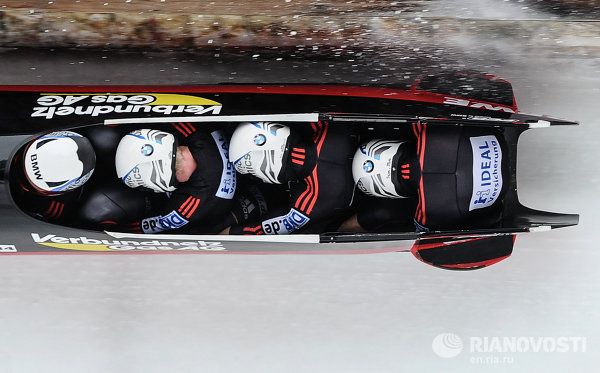
Modern day sleighs combine light metals, steel runners, and an aerodynamic composite body.
A one-of-a-kind track for luge, bobsleigh and skeleton, Sliding Center “Sanki”, a 9,000 seat facility, is built for the Olympic Winter Games of 2014.
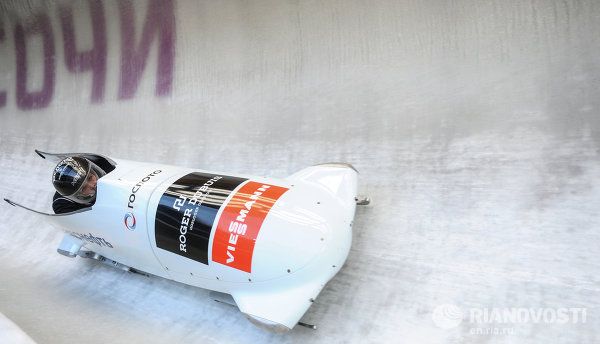
State-of-the-art refrigeration technology ensures the accurate and constant monitoring of temperatures along the entire track.