Russia celebrates Christmastide, also known as Yuletide, from January 6-18, which are festive days filled with ancient rites and traditions. One of the main... 16.01.2014, Sputnik International
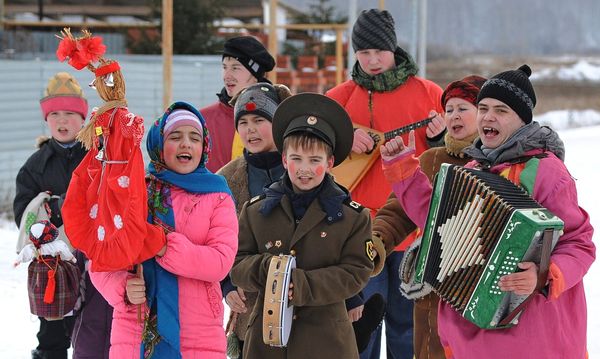
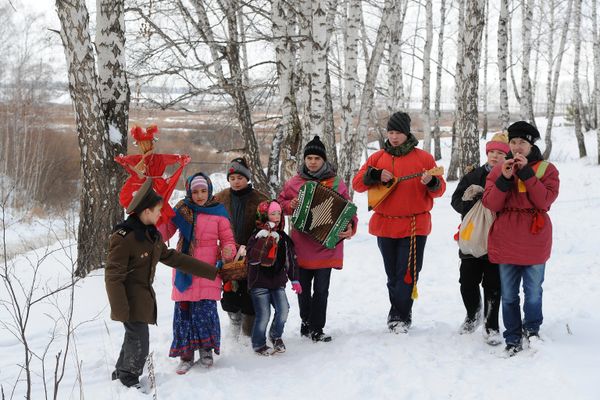
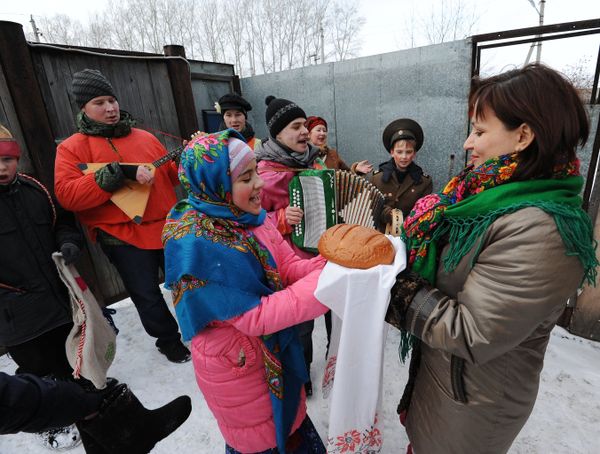
Russia celebrates Christmastide, also known as Yuletide, from January 6-18, which are festive days filled with ancient rites and traditions. One of the main traditions is guising.
Russia celebrates Christmastide, also known as Yuletide, from January 6-18, which are festive days filled with ancient rites and traditions. One of the main traditions is guising.
Russia celebrates Christmastide, also known as Yuletide, from January 6-18, which are festive days filled with ancient rites and traditions. One of the main traditions is guising.
To thank the homeowners for their generous gifts, guisers perform a song wishing them a rich harvest, newborn livestock, and good order at home. Then they leave for another house.
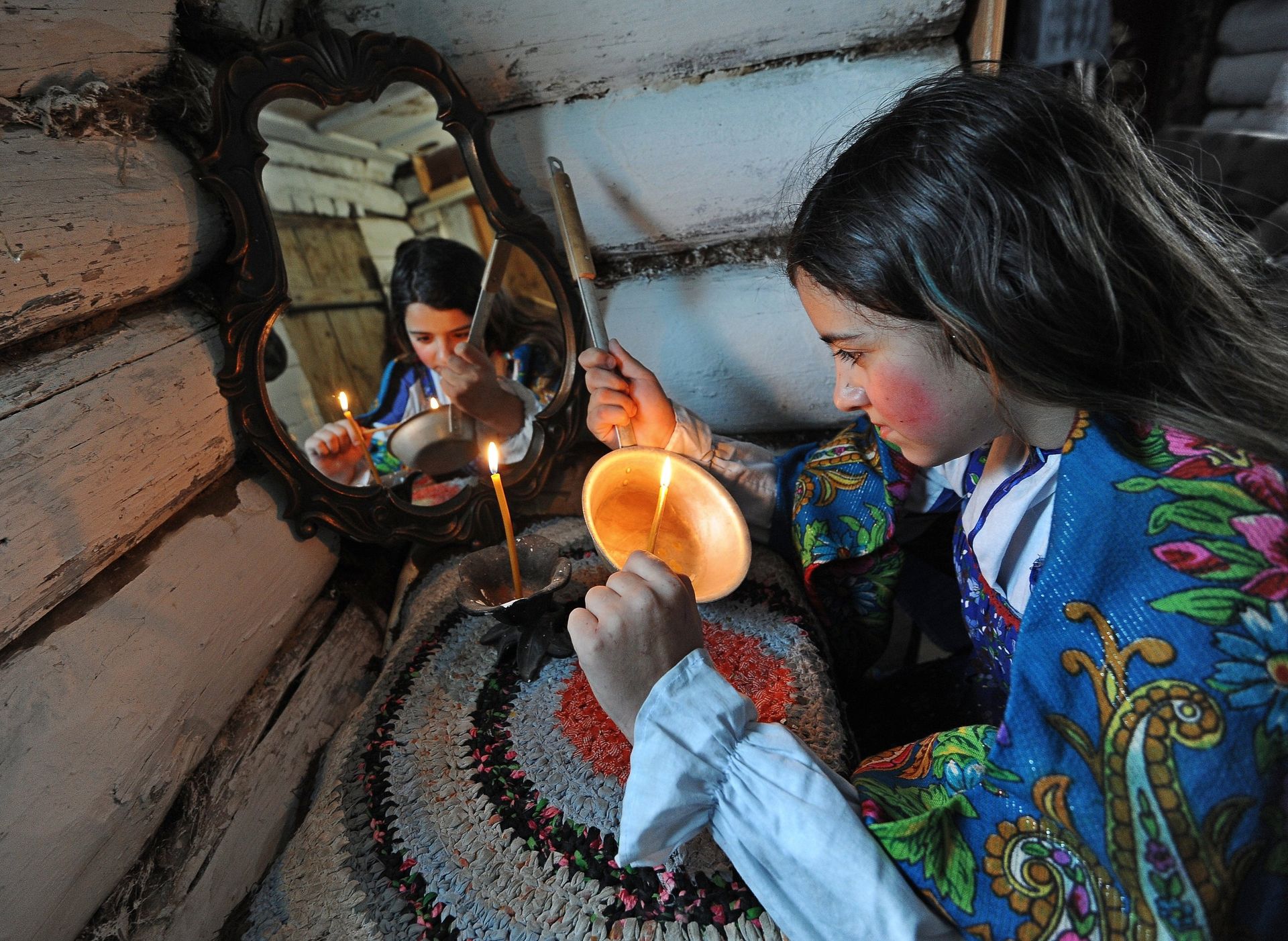
Christmastide is also known for its fortune-telling tradition. Eastern Slavs consider Christmas and Epiphany eves to be the best time for fortune-telling.
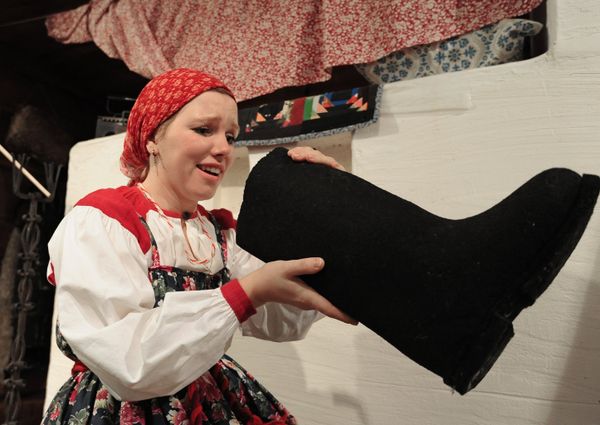
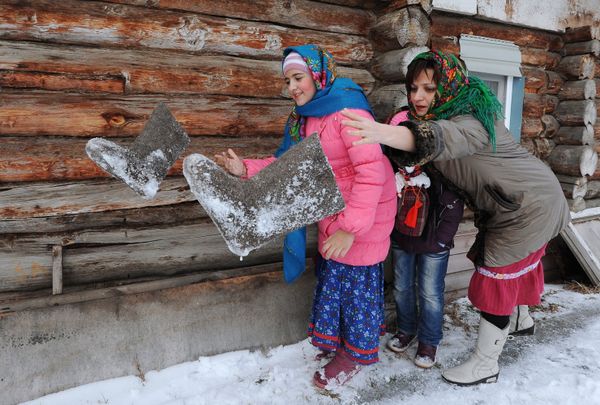
The best known and most frequent method of fortune-telling involves a felt boot. Girls may throw a felt boot, a high boot or a shoe out onto the road and the direction the toe points will be where their future husband comes from.
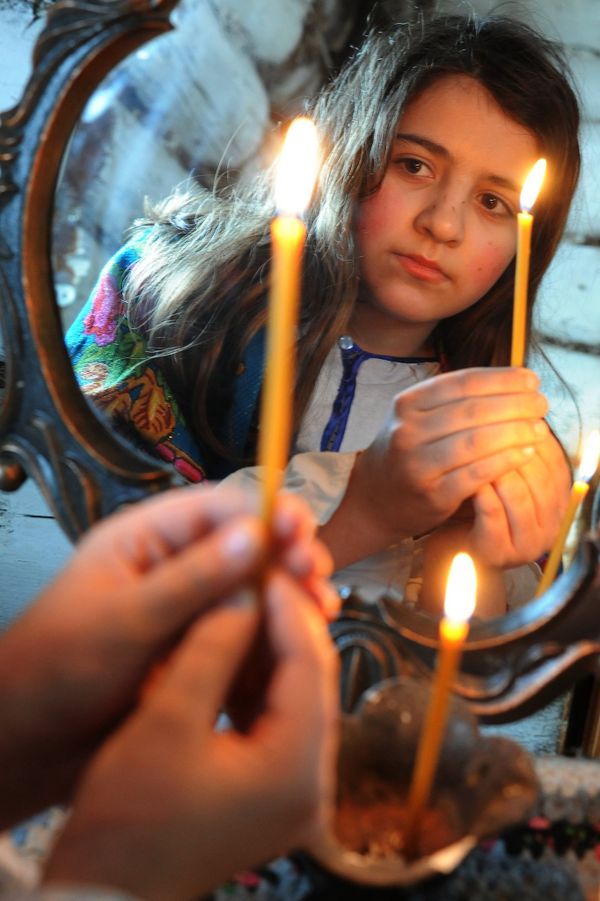
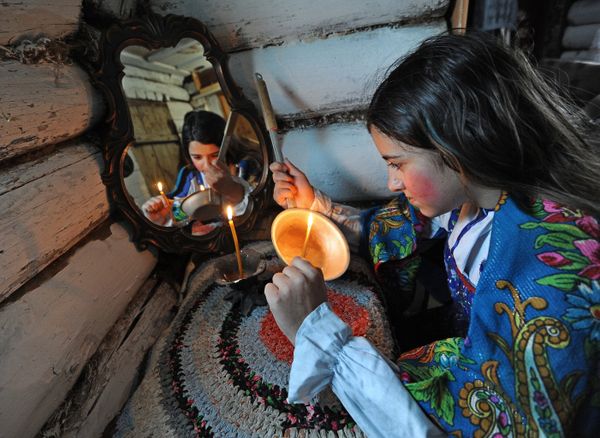
If a girl wants to see her groom, she must sit in a dark room between two mirrors, light candles and peer into the gallery of reflections hoping to see her future husband.
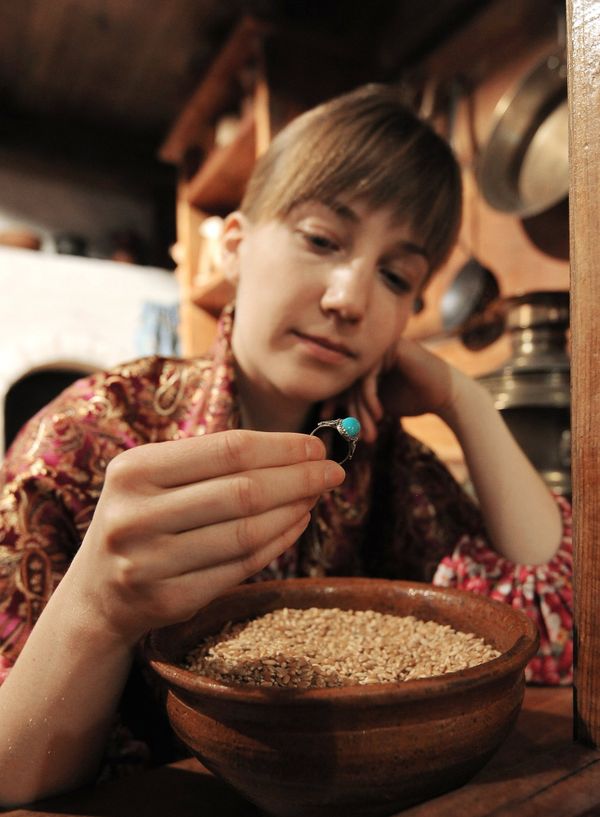
A young woman tells fortunes with a ring and millet during Christmastide.
Newsfeed
0
Access to the chat has been blocked for violating the rules .
You will be able to participate again through:∞.
If you do not agree with the blocking, please use the feedback form
The discussion is closed. You can participate in the discussion within 24 hours after the publication of the article.