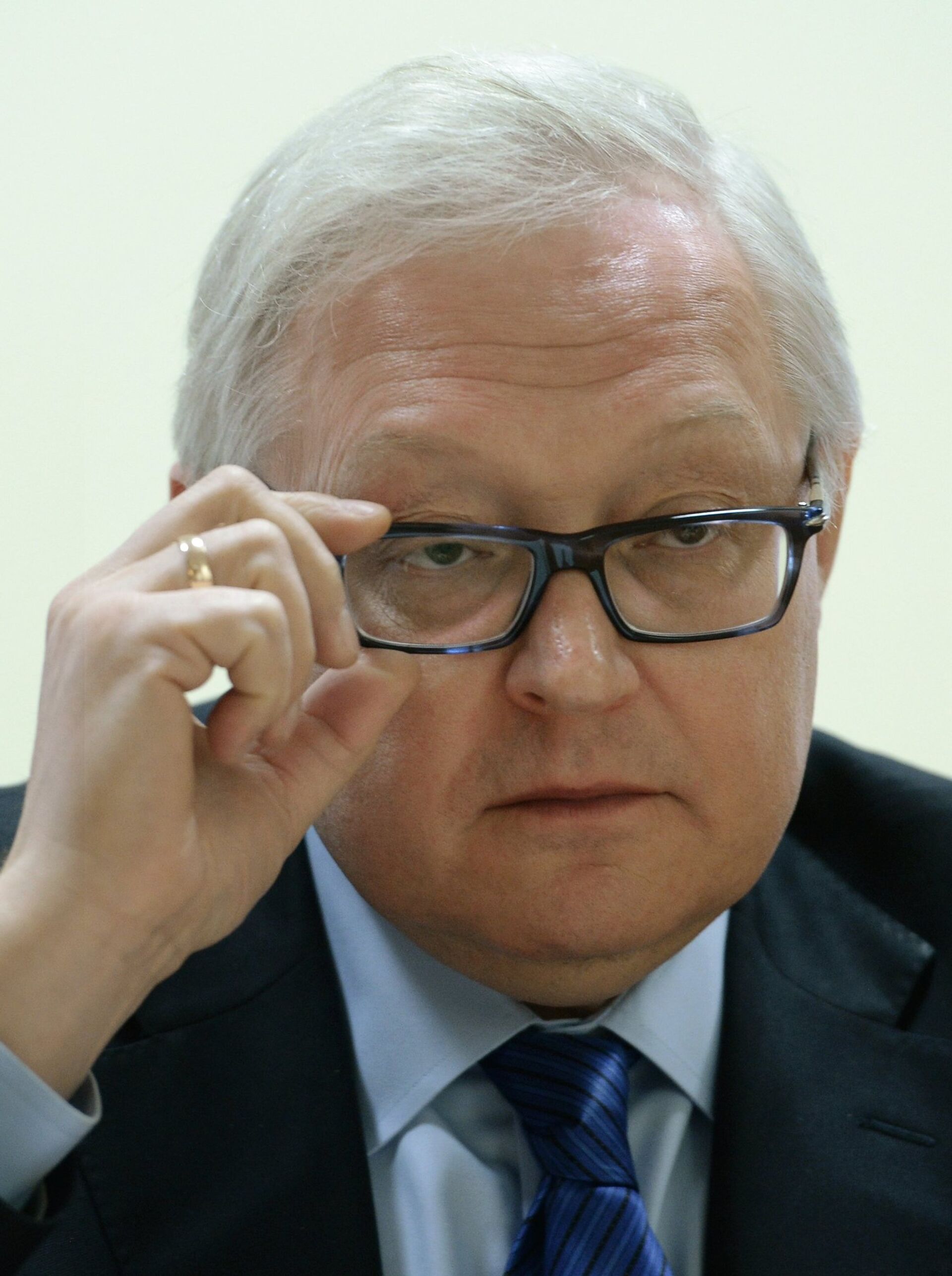
MOSCOW, May 6 (RIA Novosti) - International discussion of the situation in Ukraine, including by the OSCE, may take place on the sidelines of a ministerial session of the Committee of Ministers of the Council of Europe in Vienna on Tuesday, Russian Deputy Foreign Minister Sergei Ryabkov told RIA Novosti.
Russian Foreign Minister Sergei Lavrov is due to attend a ministerial meeting at the Council of Europe in Vienna this week amid the ongoing crisis in Ukraine, the Russian Foreign Ministry said Monday.
"I am sure that the coming days will make many things clearer and dot the “I”s in this regard, because some important contacts are being outlined, and our minister is going to Vienna. It is true that there will be a session of the Committee of Ministers of the Council of Europe there, but Vienna is "the OSCE capital," a place where we cannot do without such discussions," Ryabkov told the agency.
"We call for the OSCE to play a more active role in promoting the dialogue between the so-called Kiev government and the southeastern regions [of Ukraine]. It is another question in what form format it can be done, our position is quite flexible here," the diplomat said.
There is no need to look for "any additional platforms, round tables or any other formats of dialogue” in order to resolve the Ukraine crisis, because Kiev’s compliance with the agreement reached in Geneva on April 17 is key to settlement of the Ukraine crisis, Ryabkov said.
"Unfortunately, the opposite happened, a so-called anti-terrorist operation, in fact a military one, against the southeastern regions has been launched. A horrifying tragedy took place in Odessa, which happened as a result of the irresponsibility of the Kiev authorities. In this light the chances of finding some new approach, in my opinion, are minimal," Ryabkov believes.
On April 17, top diplomats from Russia, Ukraine, the US and the EU approved a statement calling on the sides in Ukraine to refrain from violence, extremism and provocations, disarm militants and launch a national dialogue on constitutional reform.
Despite Kiev’s promises to lay down arms, attacks on pro-federalization protesters have continued. Friday’s special op saw the bloodiest violence since the coup, with dozens killed in clashes. The highest casualty toll was reported in the southern Ukrainian city of Odessa, where dozens of pro-federalization activists burned to death in a building, besieged and set on fire by armed pro-Kiev radicals.