https://sputnikglobe.com/20140729/Russia-in-World-War-I-191431277.html
Russia in World War I
Russia in World War I
Sputnik International
One hundred years ago, on July 28, 1914, one of the biggest and deadliest conflicts in human history - which eventually became known as the World War I –... 29.07.2014, Sputnik International
2014-07-29T09:26+0000
2014-07-29T09:26+0000
2022-11-30T09:59+0000
https://cdn.imgsputnikglobe.com/img/19143/06/191430653_0:204:2898:1843_1920x0_80_0_0_04ad5d36b4520c4cdf0c261a653a9a27.jpg
germany
united kingdom (uk)
france
Sputnik International
feedback@sputniknews.com
+74956456601
MIA „Rossiya Segodnya“
2014
Sputnik International
feedback@sputniknews.com
+74956456601
MIA „Rossiya Segodnya“
News
en_EN
Sputnik International
feedback@sputniknews.com
+74956456601
MIA „Rossiya Segodnya“
https://cdn.imgsputnikglobe.com/img/19143/06/191430653_0:113:2898:1934_1920x0_80_0_0_51625f0553c88cec6bb8ef70cdc98387.jpg Sputnik International
feedback@sputniknews.com
+74956456601
MIA „Rossiya Segodnya“
photo, germany, united kingdom (uk), nicholas ii, romanov family, france
photo, germany, united kingdom (uk), nicholas ii, romanov family, france
Russia in World War I 09:26 GMT 29.07.2014 (Updated: 09:59 GMT 30.11.2022 )
One hundred years ago, on July 28, 1914, one of the biggest and deadliest conflicts in human history - which eventually became known as the World War I – began.
One hundred years ago, on July 28, 1914, one of the biggest and deadliest conflicts in human history — which eventually became known as the World War I – began.
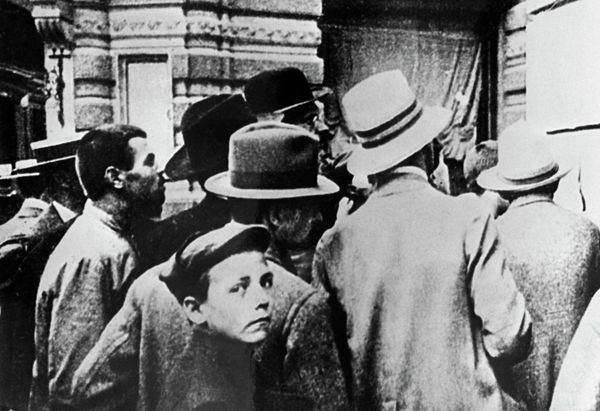
© RIA Novosti / Go to the mediabank On July 31, 1914 a state of total mobilization was declared in Russian Empire. On July 31, 1914 a state of total mobilization was declared in Russian Empire.
© RIA Novosti / Go to the mediabank By June 1917, 288 divisions out of 521 Antanta had were Russian (55,3%). By June 1917, 288 divisions out of 521 Antanta had were Russian (55,3%).
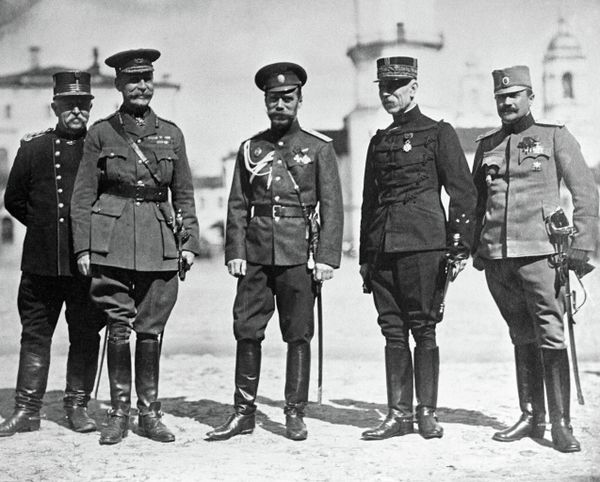
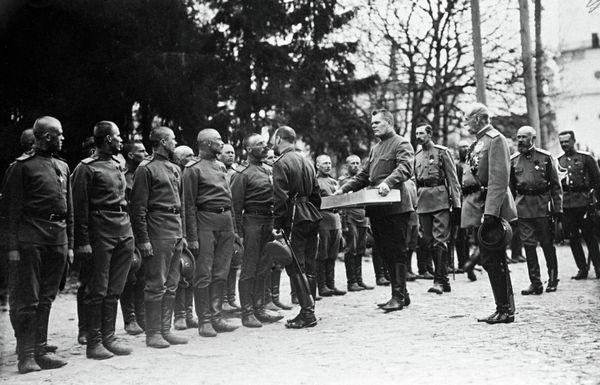
© RIA Novosti . Otsup / Go to the mediabank Russian Emperor Nicholas II (C) among the representatives of allied nations. World War I 1914-1918. Russian Emperor Nicholas II (C) among the representatives of allied nations. World War I 1914-1918.
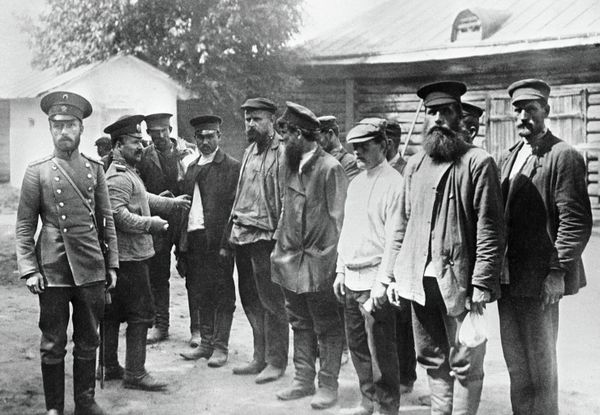
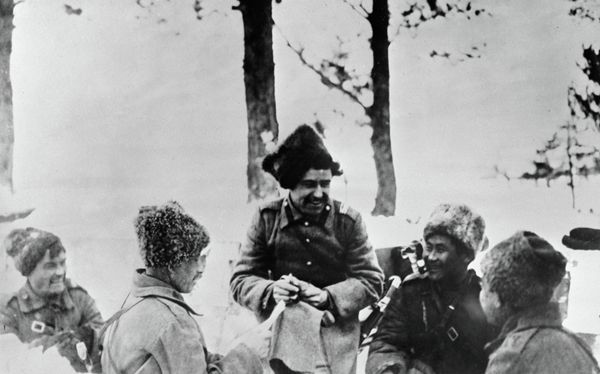
Russian officers meet fresh recruits during World War I.
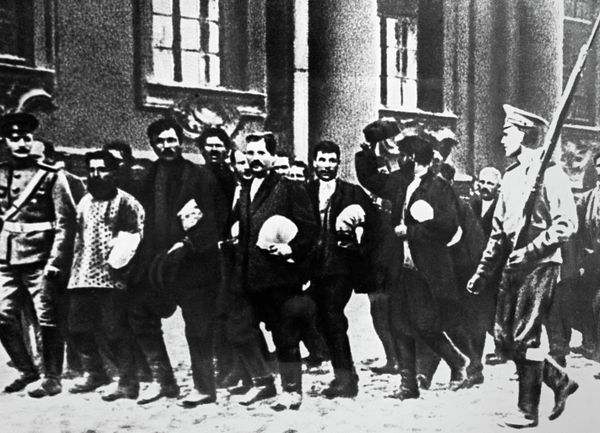
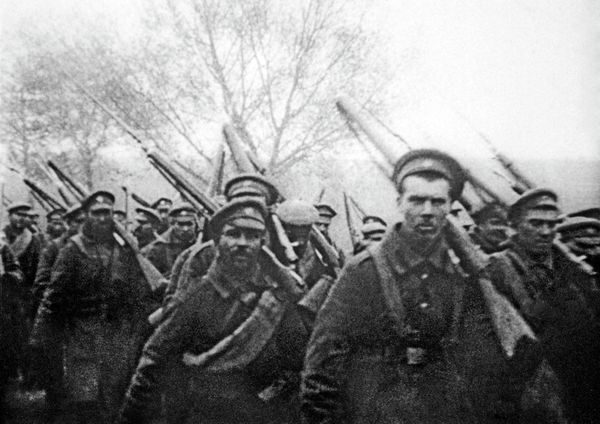
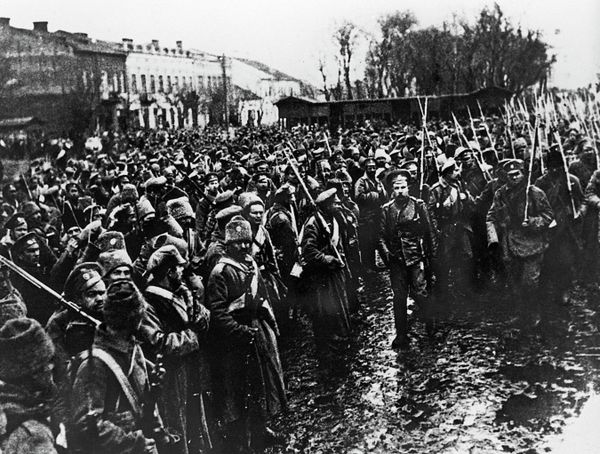
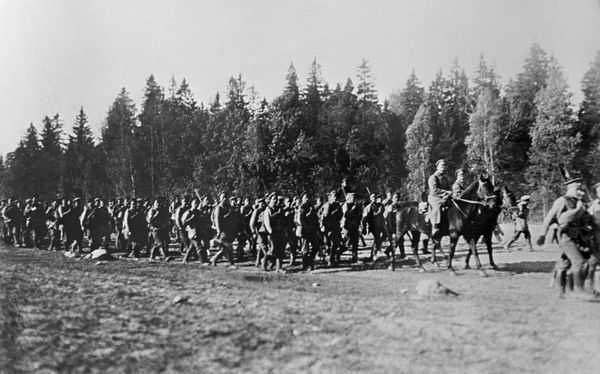
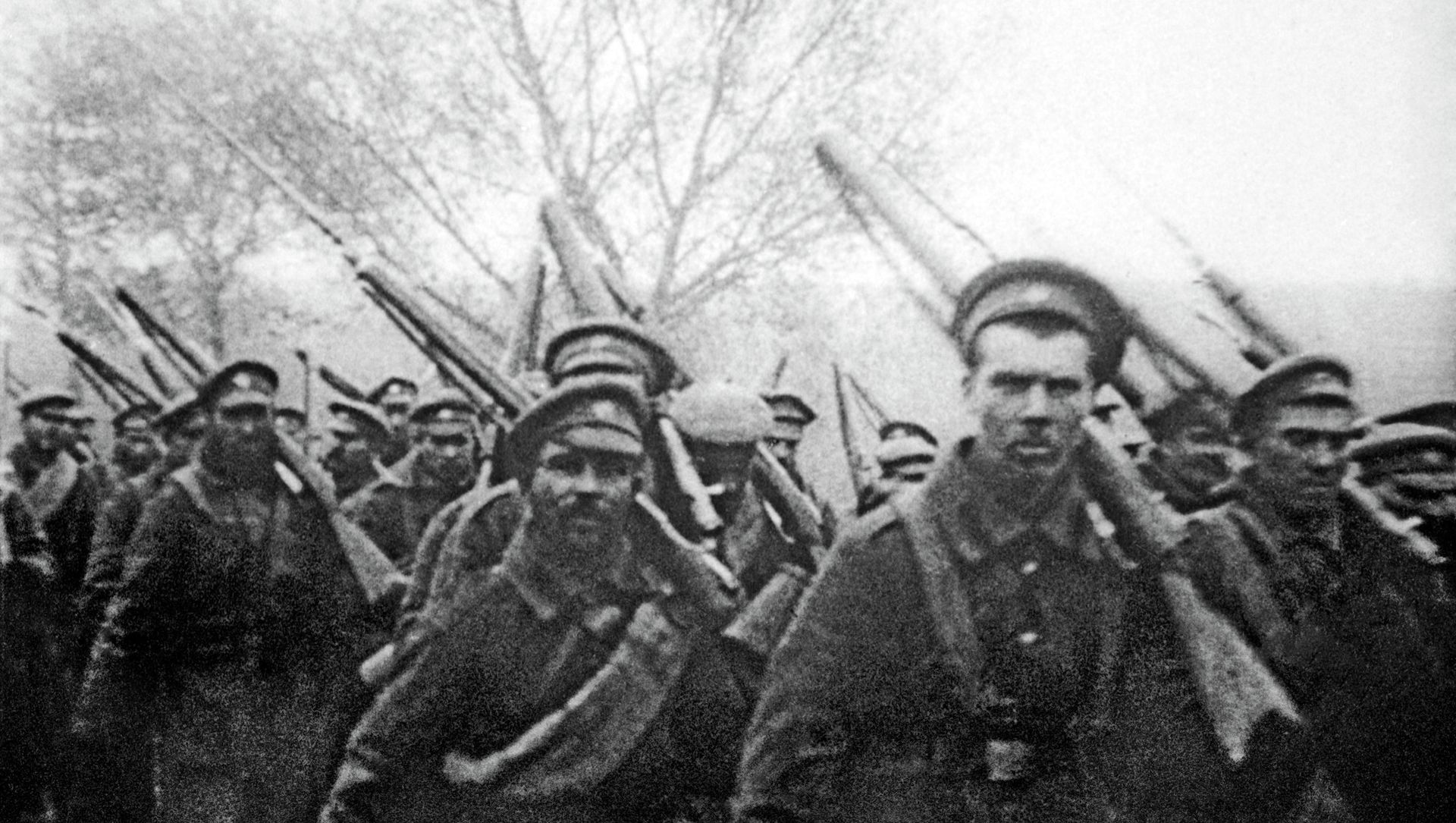
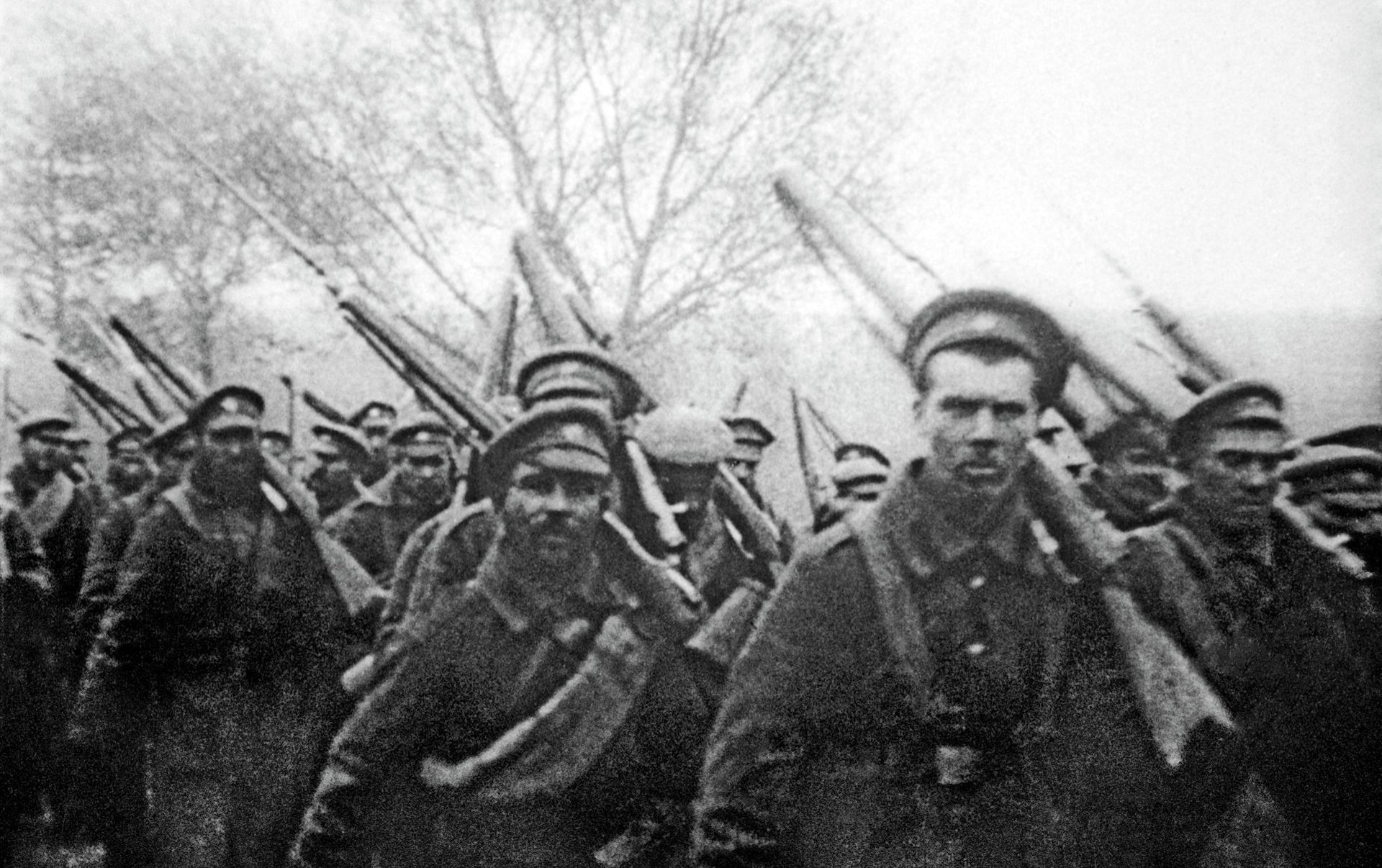
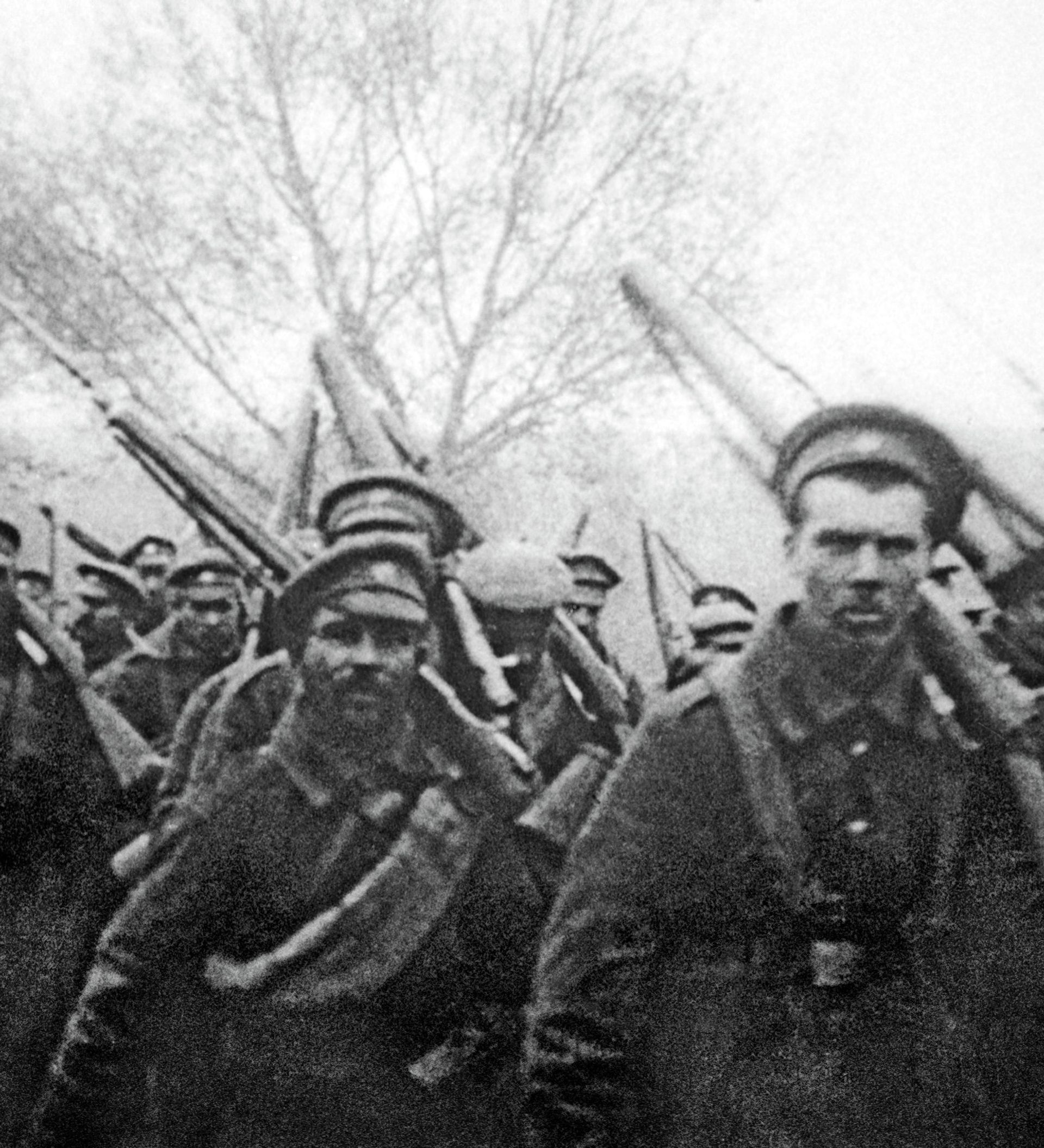
© RIA Novosti / Go to the mediabank Russia in 1914 during WWI. Soldiers of the czarist army heading to the frontlines. Russia in 1914 during WWI. Soldiers of the czarist army heading to the frontlines.
© RIA Novosti / Go to the mediabank On August 23, 1915 Emperor Nicholas II arrived to the General Headquarters (Stavka) in Mogilev and assumed the supreme high command. On August 23, 1915 Emperor Nicholas II arrived to the General Headquarters (Stavka) in Mogilev and assumed the supreme high command.
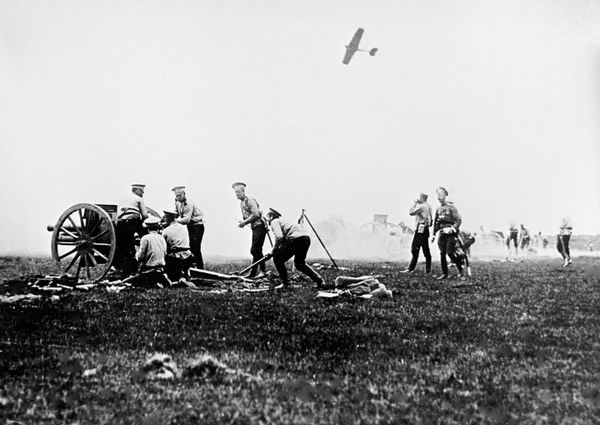
© RIA Novosti . Nikolay Pashin / Go to the mediabank Russian gunners loading cannon during fighting with German troops in WWI. Russian gunners loading cannon during fighting with German troops in WWI.
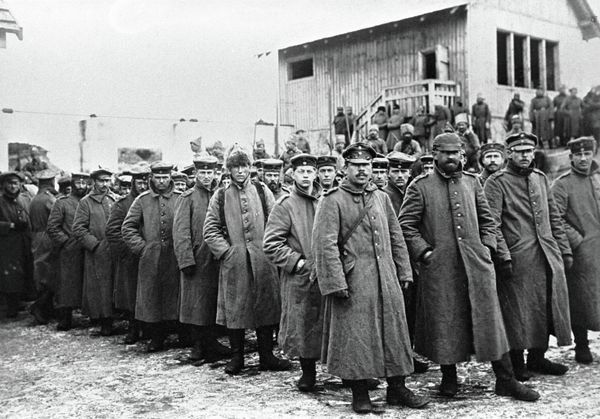
© RIA Novosti / Go to the mediabank German troops taken prisoner near the village of Naroch. World War I, 1914 - 1918. German troops taken prisoner near the village of Naroch. World War I, 1914 - 1918.
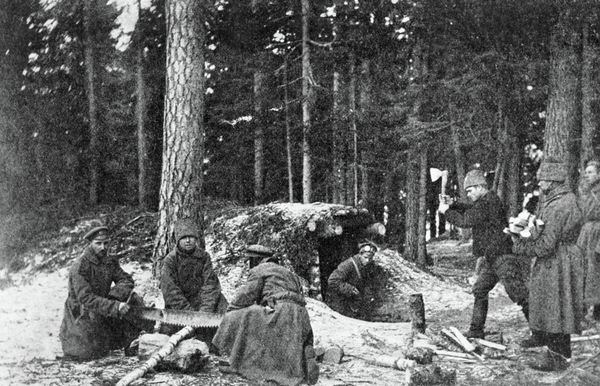
© RIA Novosti / Go to the mediabank Soldiers constructing dugouts in the vicinity of lakes Naroch - Vishnevskoe during World War I. Soldiers constructing dugouts in the vicinity of lakes Naroch - Vishnevskoe during World War I.
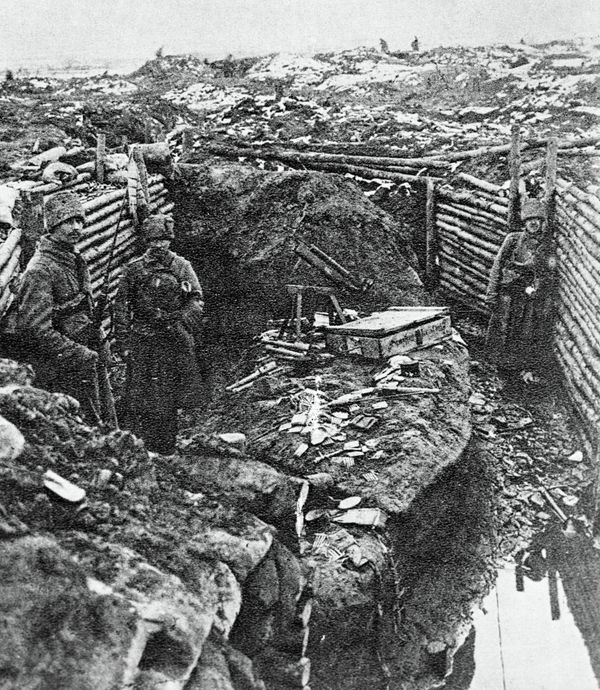
© RIA Novosti / Go to the mediabank Russian soldiers securing German trenches captured during the military action in the vicinity of lakes Naroch - Vishnevskoe during World War I. Russian soldiers securing German trenches captured during the military action in the vicinity of lakes Naroch - Vishnevskoe during World War I.
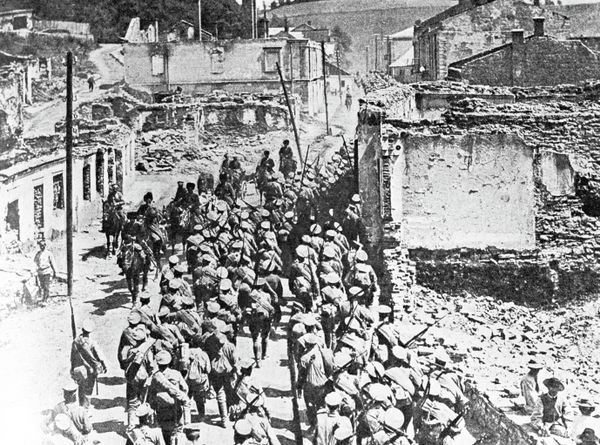
© RIA Novosti / Go to the mediabank World War I, 1914-1918. Galician Front. Russian troops enter the town of Tchernovitsy (North Bukovina) in 1916. World War I, 1914-1918. Galician Front. Russian troops enter the town of Tchernovitsy (North Bukovina) in 1916.
© RIA Novosti . Yuri Kaplun / Go to the mediabank Russian troops in Buchach, 1916. Brusilov Offensive, May-July 1916, South-Western Front. Russian troops in Buchach, 1916. Brusilov Offensive, May-July 1916, South-Western Front.
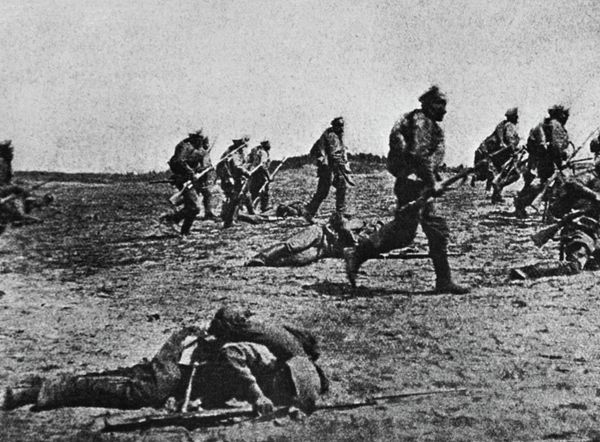
© RIA Novosti / Go to the mediabank Russian troops advancing in one of the South-Western Front sectors. World War I, 1916. Russian troops advancing in one of the South-Western Front sectors. World War I, 1916.
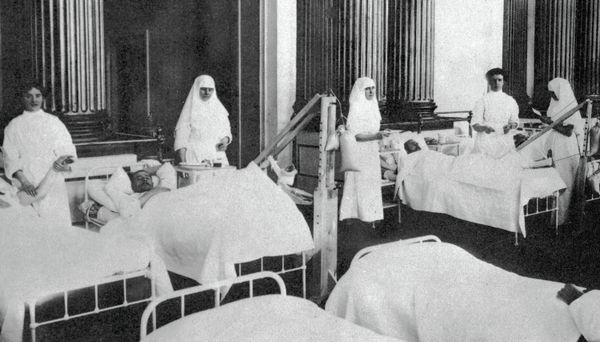
© RIA Novosti / Go to the mediabank By the beginning of 1913, 3442 nurses were working in 109 communities in Russia in total. By the beginning of World War I there were about 20 thousand of them (excluding those not working at hospitals). By the beginning of 1913, 3442 nurses were working in 109 communities in Russia in total. By the beginning of World War I there were about 20 thousand of them (excluding those not working at hospitals).
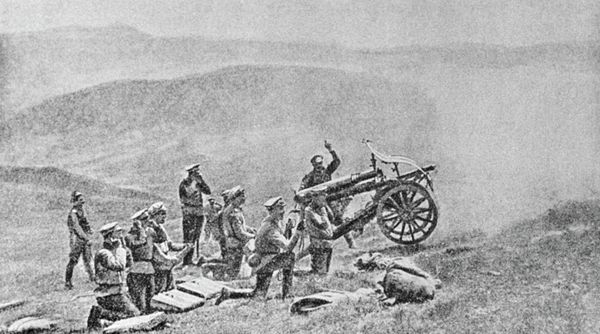
© RIA Novosti / Go to the mediabank Russian mountain artillery at Caucasian Front. World War I 1914-1918. Russian mountain artillery at Caucasian Front. World War I 1914-1918.
© RIA Novosti / Go to the mediabank Russian army entering Trabzon during World War I, 1914-1916. Russian army entering Trabzon during World War I, 1914-1916.
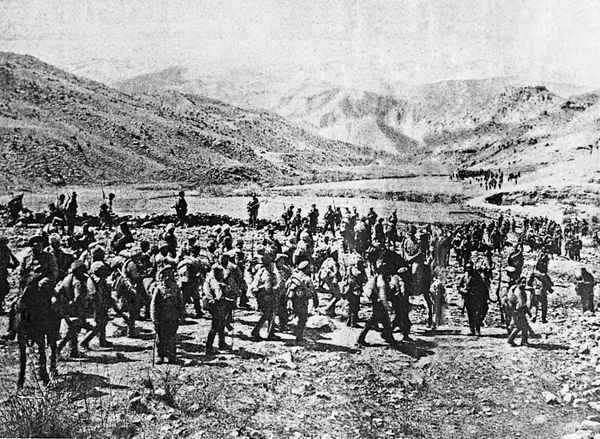
© RIA Novosti / Go to the mediabank One of the Russian military detachments heading toward the frontline. World War I 1914-1918. One of the Russian military detachments heading toward the frontline. World War I 1914-1918.
Russian soldiers in trenches. World War I.
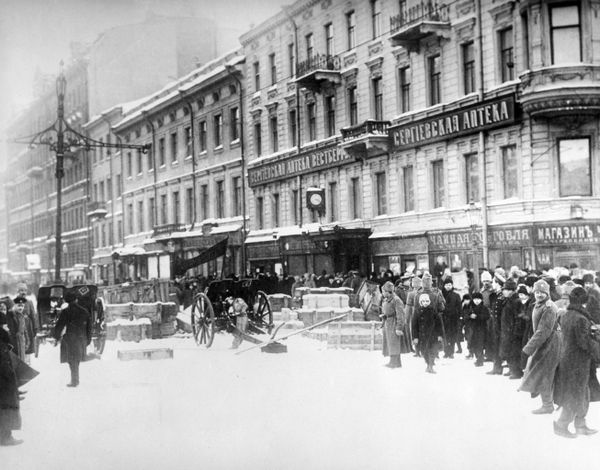
© RIA Novosti / Go to the mediabank During WWI it was decided that “St. Petersburg” sounded “too German,” and at the behest of Emperor Nicholas II the city was renamed “Petrograd.” During WWI it was decided that “St. Petersburg” sounded “too German,” and at the behest of Emperor Nicholas II the city was renamed “Petrograd.”
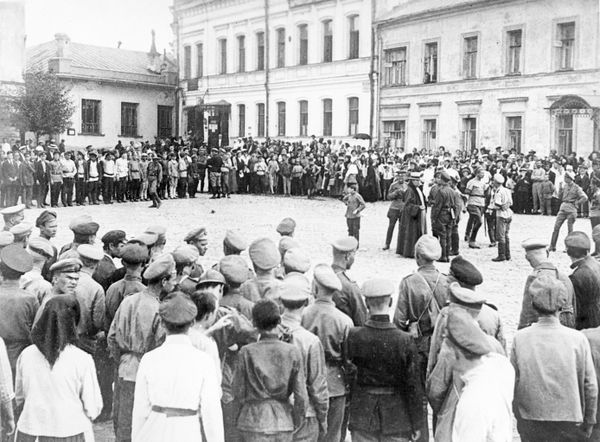
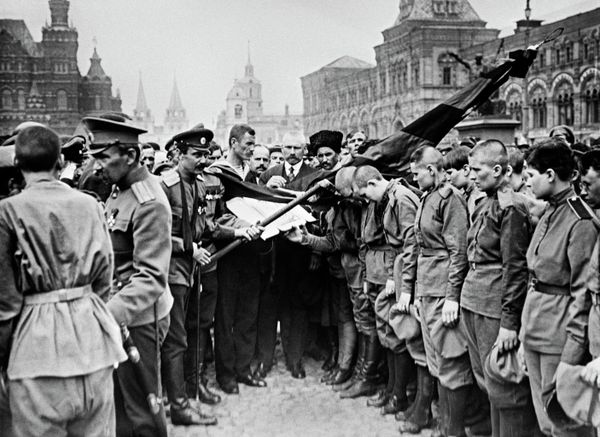
© RIA Novosti / Go to the mediabank A prayer service on Moscow streets during the June offensive A prayer service on Moscow streets during the June offensive
© RIA Novosti / Go to the mediabank To rekindle patriotism among the troops and to shame those male soldiers who refused to fight, the “battalions of death” comprised exclusively of women were formed by the Provisional Government. To rekindle patriotism among the troops and to shame those male soldiers who refused to fight, the “battalions of death” comprised exclusively of women were formed by the Provisional Government.
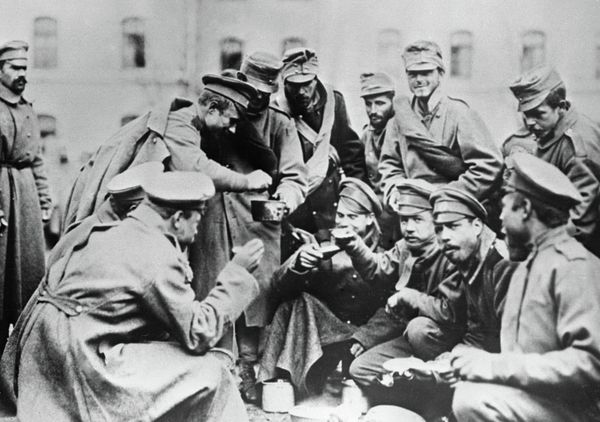
© RIA Novosti / Go to the mediabank Over the course of World War I almost 8 million people became prisoners of war.Russian soldiers offering soup to an Austrian on the Russian-German Front. Over the course of World War I almost 8 million people became prisoners of war.Russian soldiers offering soup to an Austrian on the Russian-German Front.
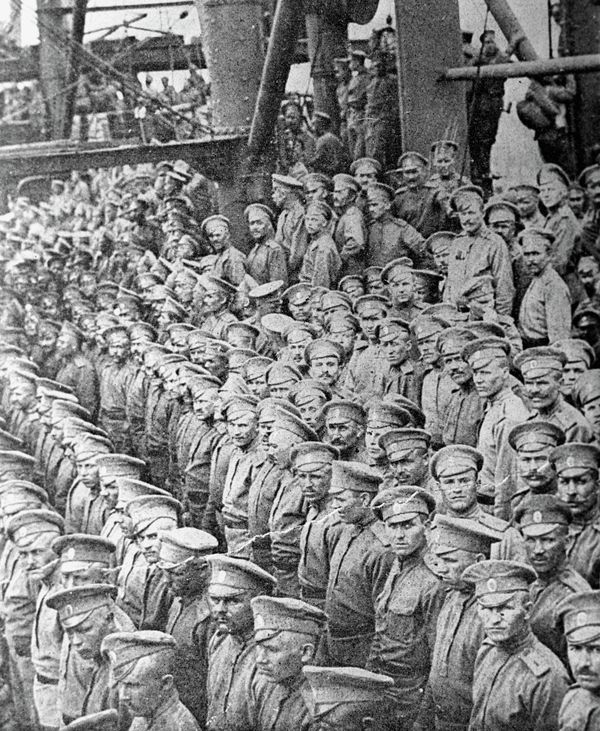
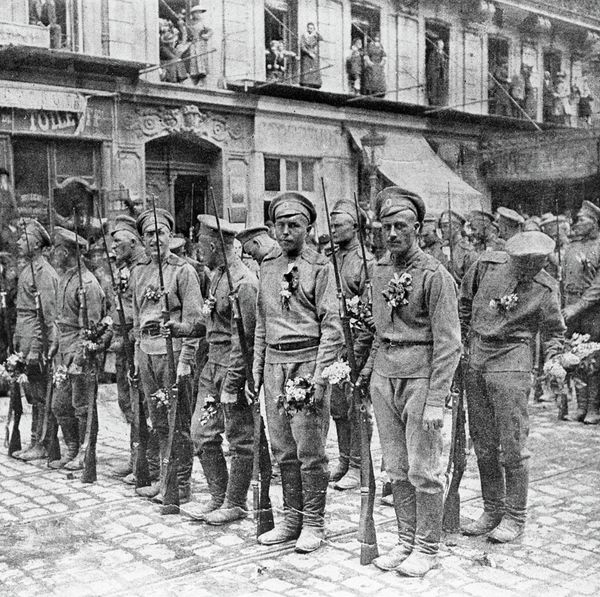
© RIA Novosti . Pavel Balabanov / Go to the mediabank Russian soldiers in France aboard a packet boat. World War I, 1914-1916. Russian soldiers in France aboard a packet boat. World War I, 1914-1916.
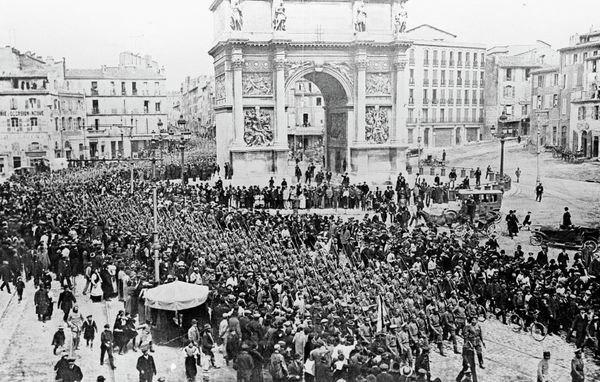
© RIA Novosti . Pavel Balabanov / Go to the mediabank On April 20, 1916 the 1st Special Brigade arrived in Marseilles. On April 20, 1916 the 1st Special Brigade arrived in Marseilles.
© RIA Novosti . Pavel Balabanov / Go to the mediabank Russians fought in France almost from the beginning of war. Russians fought in France almost from the beginning of war.
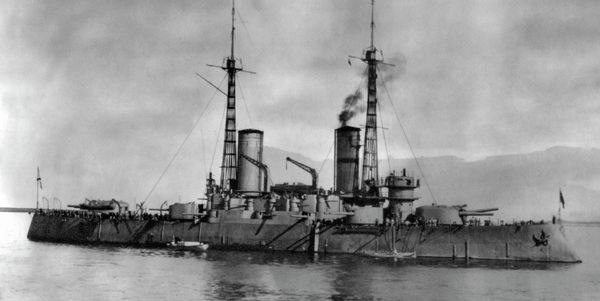
© RIA Novosti / Go to the mediabank Russian battleship Imperator Pavel I. Laid down in 1904, became part of the Baltic Fleet in 1912. Took Part in World War I and in Civil War. Since September 1920 remained in Kronstadt, laid up. In November 1923 was scrapped. Russian battleship Imperator Pavel I. Laid down in 1904, became part of the Baltic Fleet in 1912. Took Part in World War I and in Civil War. Since September 1920 remained in Kronstadt, laid up. In November 1923 was scrapped.