Tank Crewman's Day is celebrated in Russia on the second Sunday of September. The holiday was established by Presidential Decree and was signed on May 31, 2006. It was created in order to revive and foster Russian military traditions, to increase the prestige of its military service and to acknowledge the contributions made by army specialists for its national security.
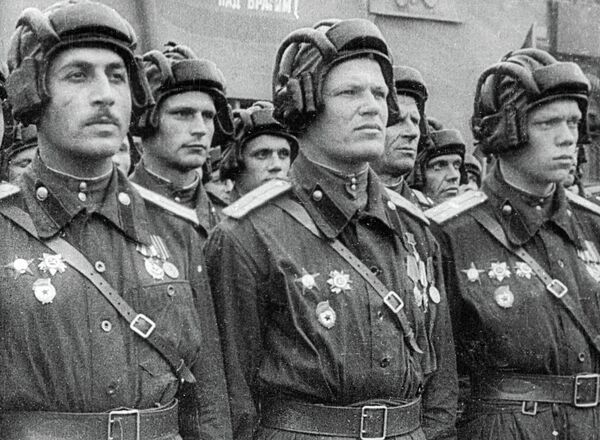
During the Winter War and the Great Patriotic War over a thousand Soviet tankers were awarded the title of the Hero of the Soviet Union and 17 of them received this award twice.
Above: Tanker crews stand at attention during the Victory parade at the end of the Great Patriotic War Parade in Moscow. June 24, 1945.
Above: Tanker crews stand at attention during the Victory parade at the end of the Great Patriotic War Parade in Moscow. June 24, 1945.
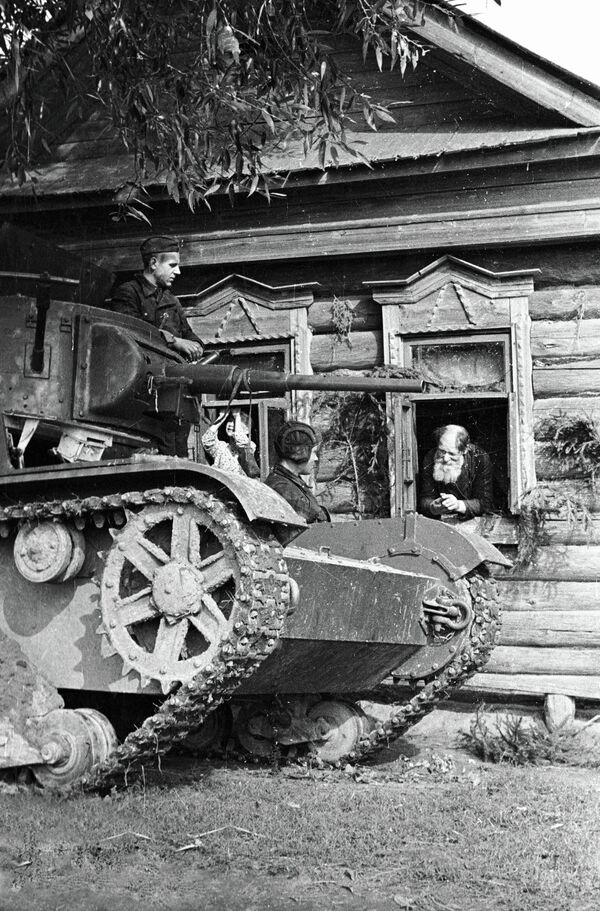
By 1939, Red Army leadership had created a new types of tanks, better armed and armored. The design was the experimental work of Soviet R&D specialists. They created the KV-1 heavy tank and T-34 medium tank. Junior grade officers and the technical personnel of the tank corps were trained at specialized military academies - 11 of them in total. But despite that, by the beginning of the Great Patriotic War the tank corps only had 20-40 percent of the total number of required junior grade officers.
Above: Villagers chatting with tankers during maneuvers, 1940.
Above: Villagers chatting with tankers during maneuvers, 1940.
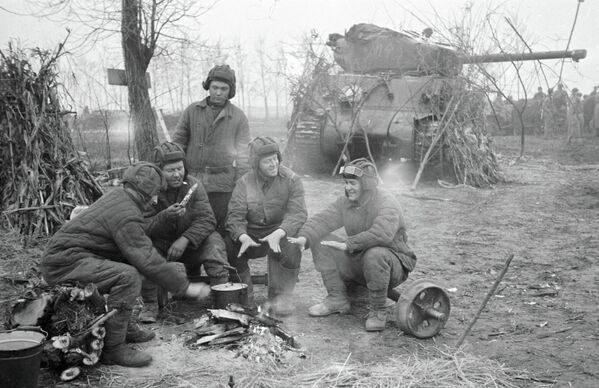
During the Great Patriotic War, over ten thousand tanks were supplied to the USSR via the Lend-Lease program.
Above: Tankers resting by campfire, near an American-made Sherman tank. First Baltic Front.
Above: Tankers resting by campfire, near an American-made Sherman tank. First Baltic Front.
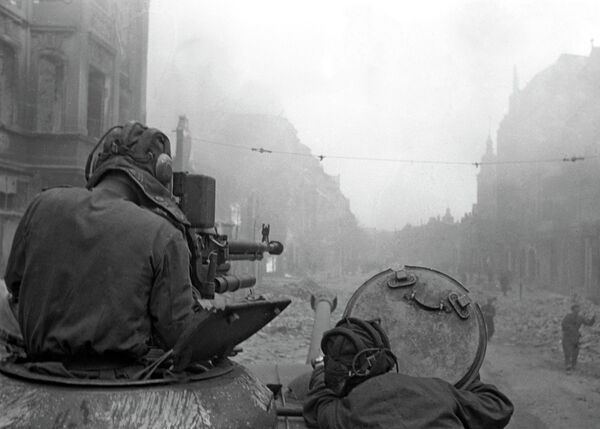
Tankers were not allowed out of their vehicle if it was immobilized but otherwise intact. The crew was expected to continue fighting until their tank was destroyed or until the battle was over.
Above: Fighting in the streets of Danzig (Poland). March 1945.
Above: Fighting in the streets of Danzig (Poland). March 1945.
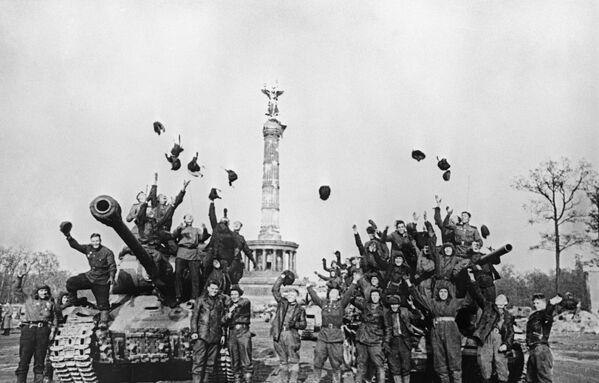
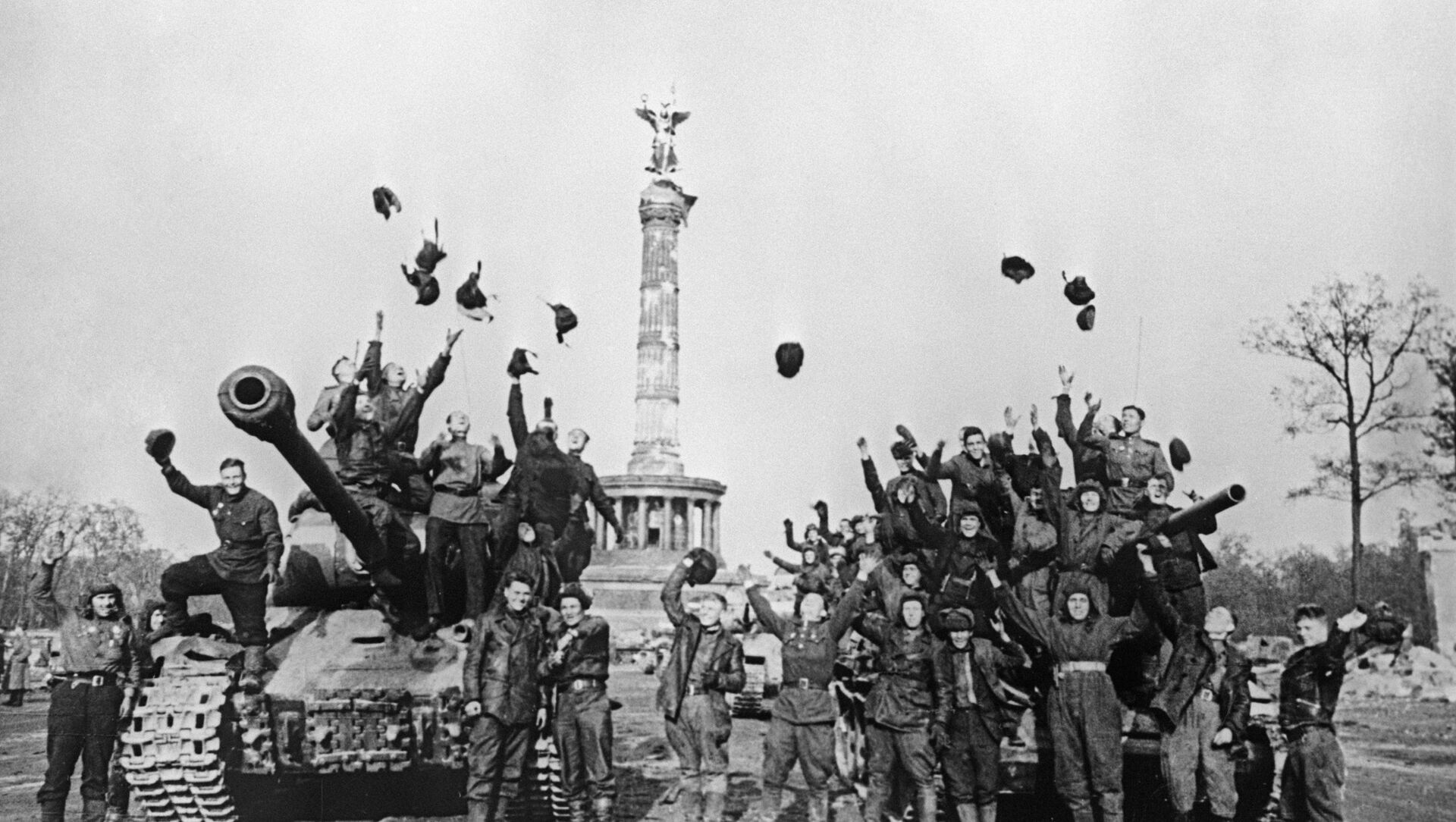
During the Battle of Berlin, the 2nd and 3rd Guards Tank Armies lost 16% and 23% of their tanks respectively.
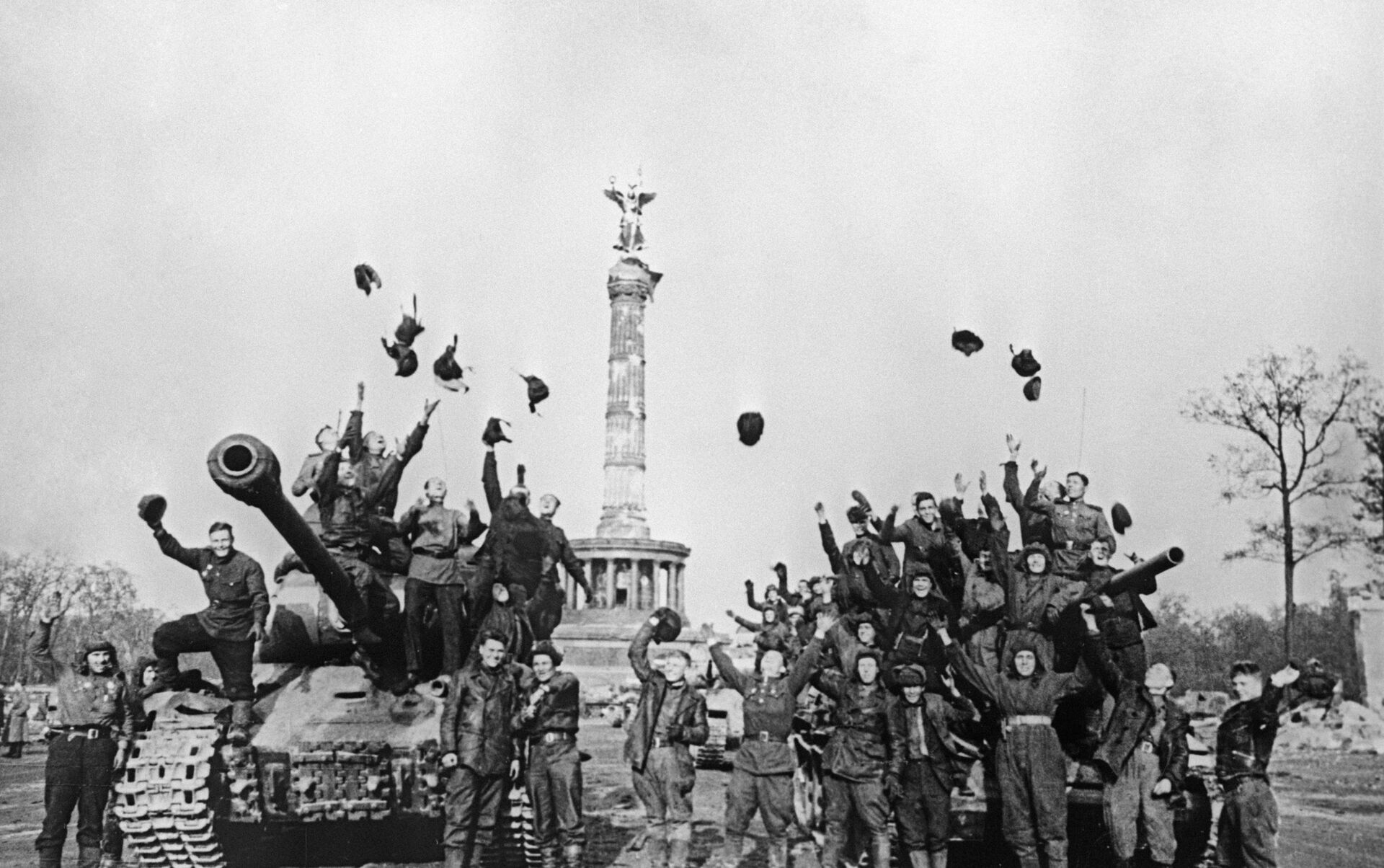
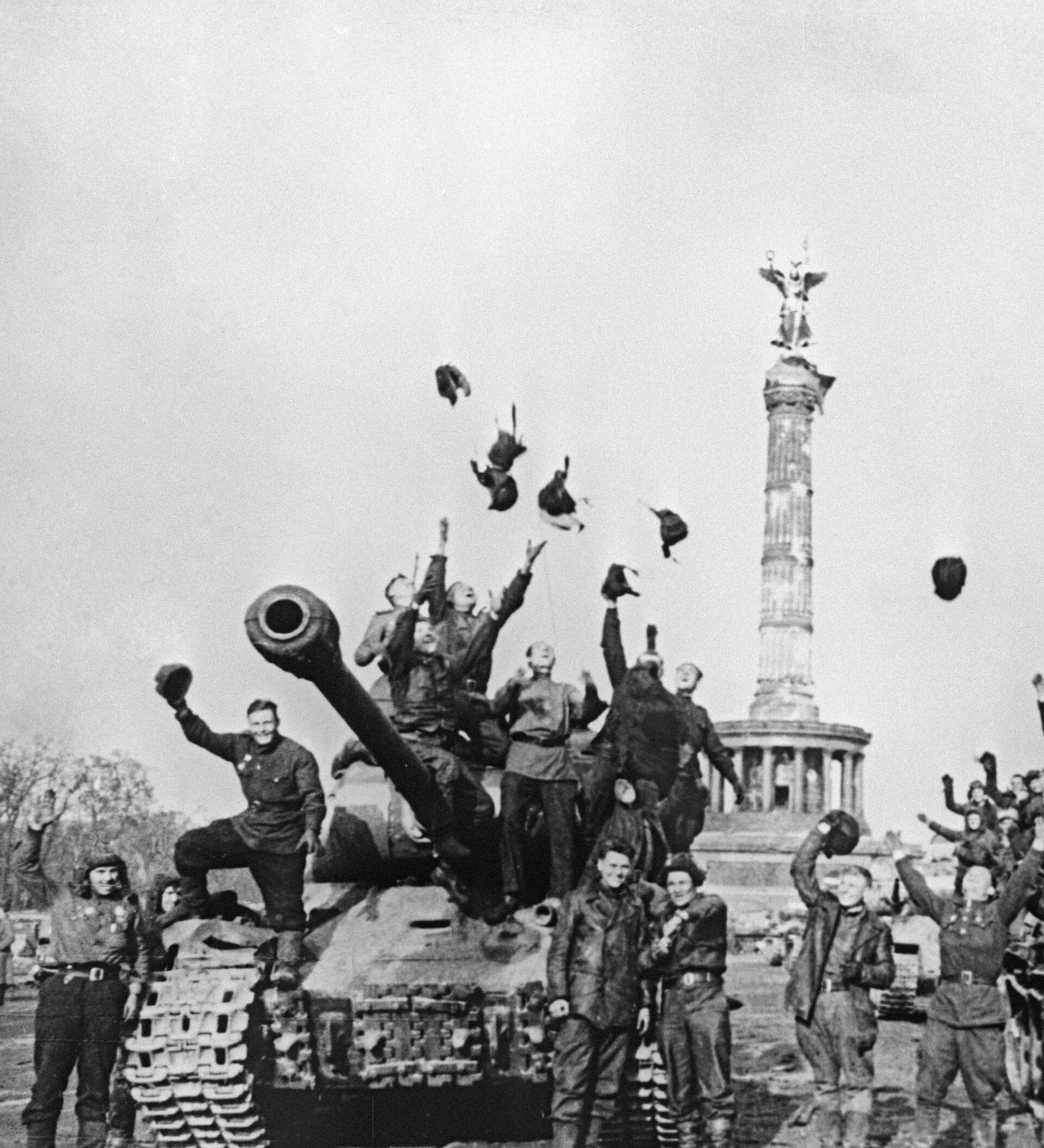
Above: Crews of Soviet IS-2 and T-34 tanks celebrating the victory. Berlin, May 9, 1945.
Above: Crews of Soviet IS-2 and T-34 tanks celebrating the victory. Berlin, May 9, 1945.
6/11
© Photo : public domain
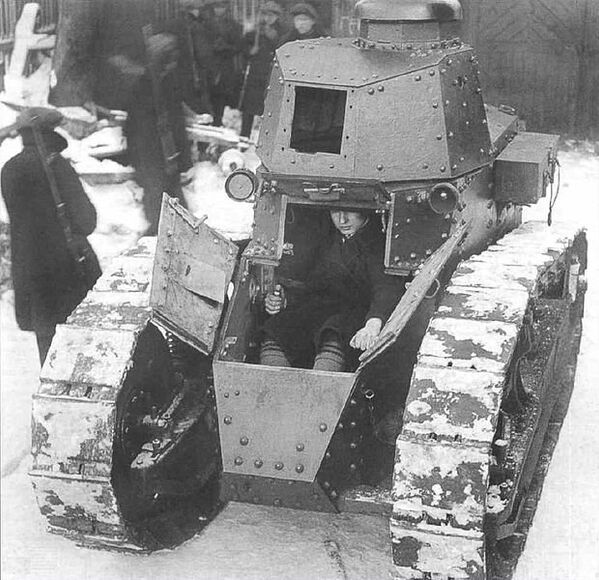
During the Civil War of 1918-1920 the Red Army had no Russian-made tanks. The first light tanks were manufactured by the Sormovsky factory in December 1920.
Above: A captured Renault FT-17 tank (no weapons) at the Sormovsky factory. Winter 1919. The design of the first Soviet tank called Red Sormovo was based on Renault FT-17, the most ubiquitous tank of WWI.
Above: A captured Renault FT-17 tank (no weapons) at the Sormovsky factory. Winter 1919. The design of the first Soviet tank called Red Sormovo was based on Renault FT-17, the most ubiquitous tank of WWI.
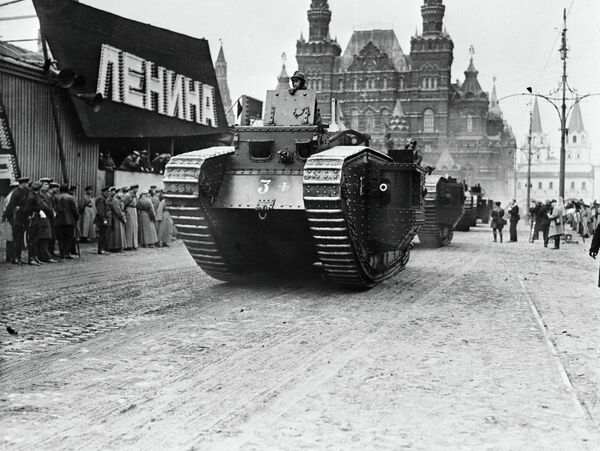
The Mk IV and Mk V were WWI British battle tanks. Despite their many shortcomings, these tanks were used by other countries' militaries: 77 units were supplied to the French, and several such vehicles were also used by the US military. The German army had a number of captured Mk IV's, and the Russian White Guard and the interventionist forces during the Russian Civil War also used Mk V. Several of these tanks were captured by the Red Army.
Above: A Мк V tank during a military parade commemorating the anniversary of the Great October Socialist Revolution.
Above: A Мк V tank during a military parade commemorating the anniversary of the Great October Socialist Revolution.
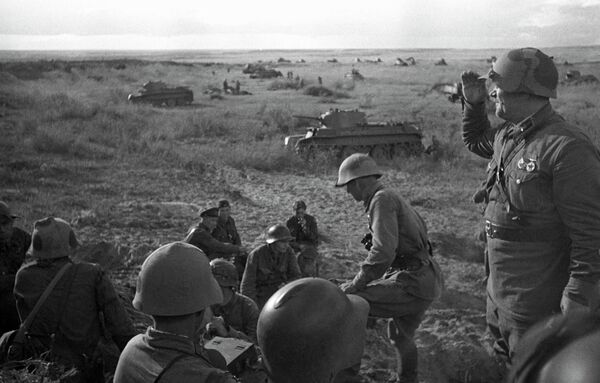
The battle at Khalkhyn Gol river was unprecedented for its time in terms of the amount of military hardware involved - over 600 tanks and 1000 warplanes were used by both sides - according to the military experts. After a series of bloody engagements Japanese forces asked for a ceasefire on September 15, 1939.
Above: Officers of the Soviet 11th tank brigade on Baintsagan hill near Khalkhyn Gol river before the attack. 1939.
Above: Officers of the Soviet 11th tank brigade on Baintsagan hill near Khalkhyn Gol river before the attack. 1939.
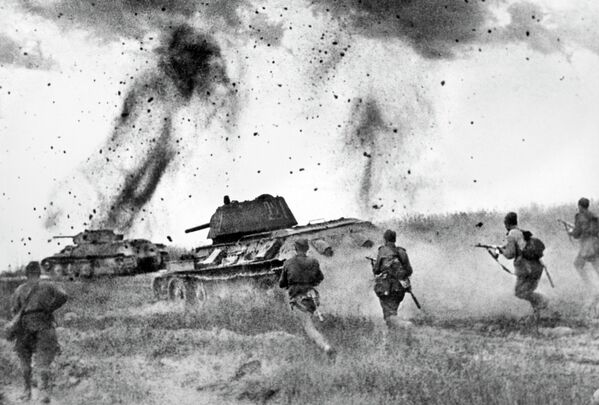
Kursk salient, 1943, is one of the greatest battles and the largest tank battle in history. Over two million men, six thousand tanks and four thousand warplanes took part in the fighting.
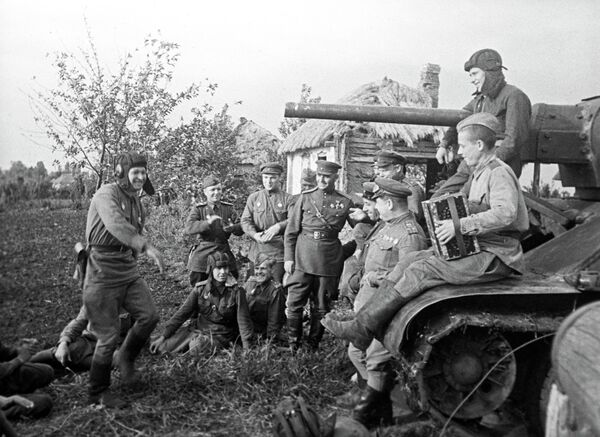
After graduating from the military academies, tanker lieutenants headed to the tank factories in the cities of Gorky, Nizhny Tagil Chelyabinsk and Omsk. The factories produced a battalion of T-34 tanks every day.
Above: The Great Patriotic War of 1941-1945. Kursk salient, 1943. Soldiers of the 5th Guards Tank Corps.
Above: The Great Patriotic War of 1941-1945. Kursk salient, 1943. Soldiers of the 5th Guards Tank Corps.
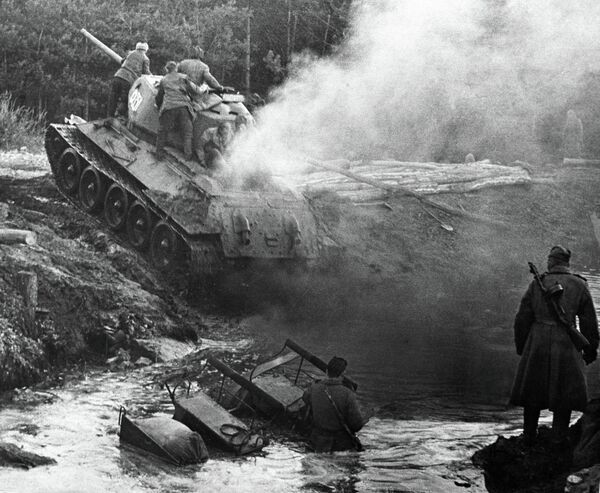
Before their combat deployment, regular tank crew members had to undergo three months of training in a reserve tank regiment stationed at the tank factories. After receiving command of a new tank, its commander familiarized himself with the crew during a 50 km march, culminating in a gunnery exercise with live ammunition. Afterwards, the tanks were loaded on platforms and sent directly to the frontline.
Above: Elements of the 3rd Guards Tank Army crossing one of the canals on the outskirts of Berlin.
Above: Elements of the 3rd Guards Tank Army crossing one of the canals on the outskirts of Berlin.