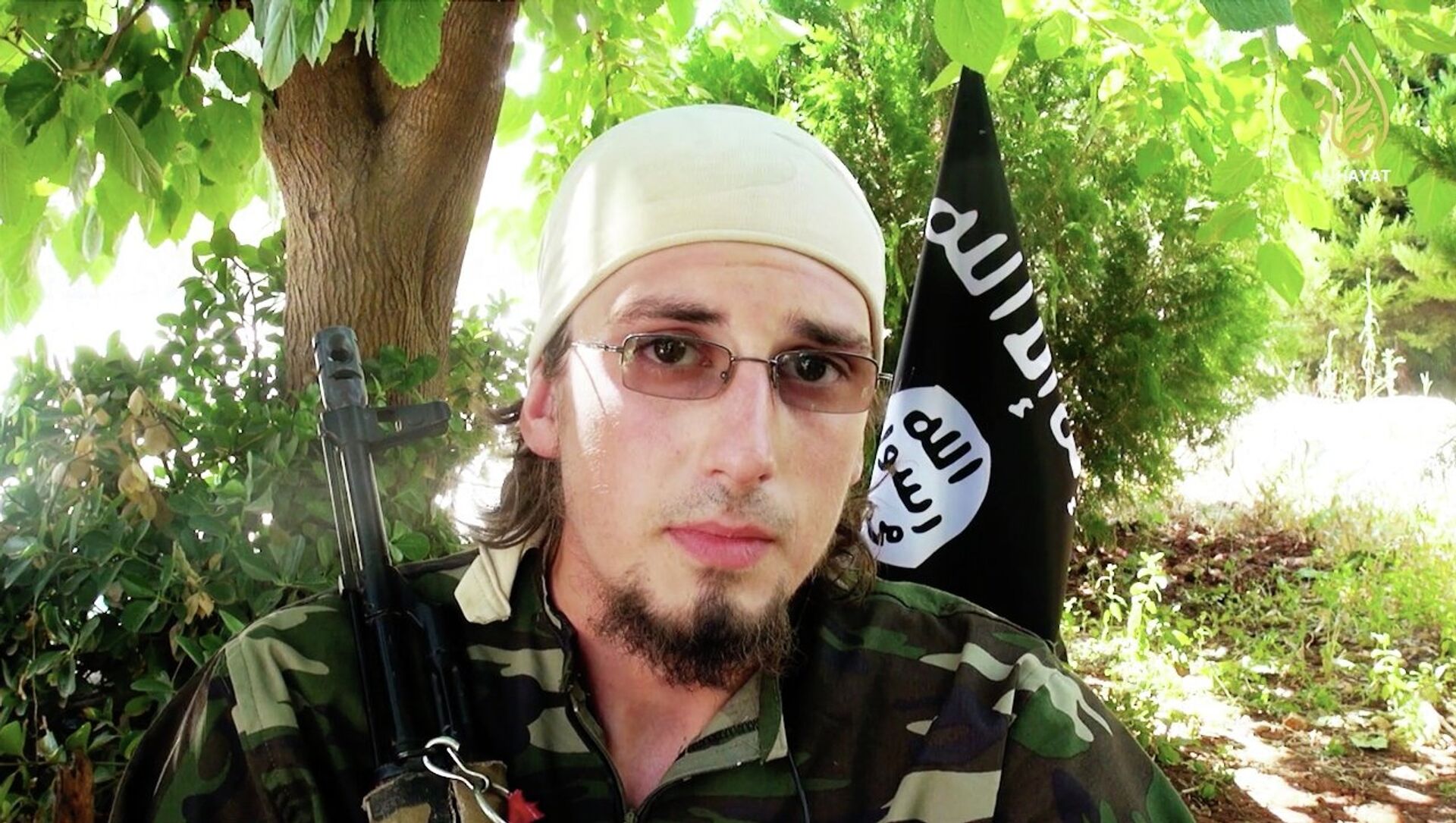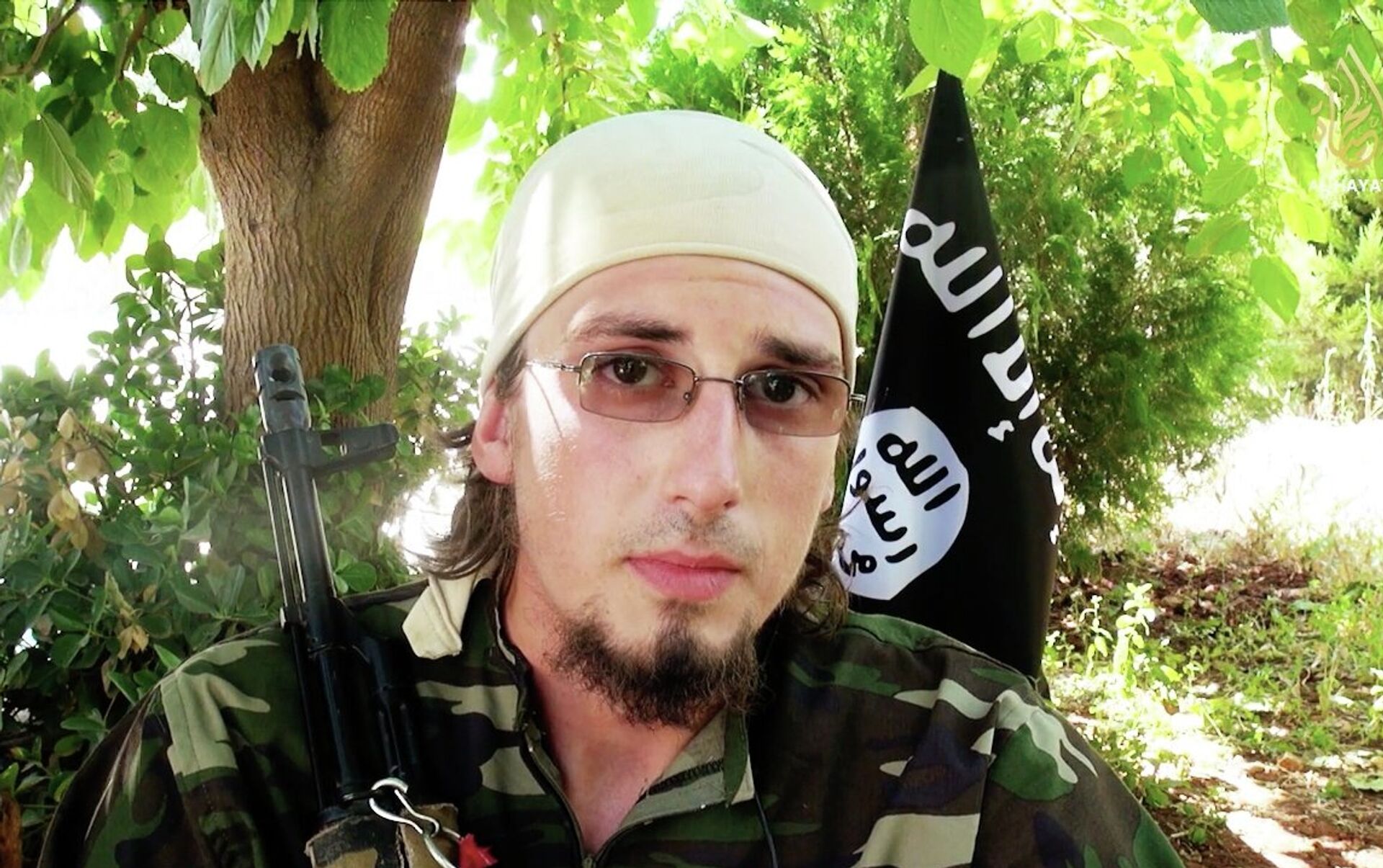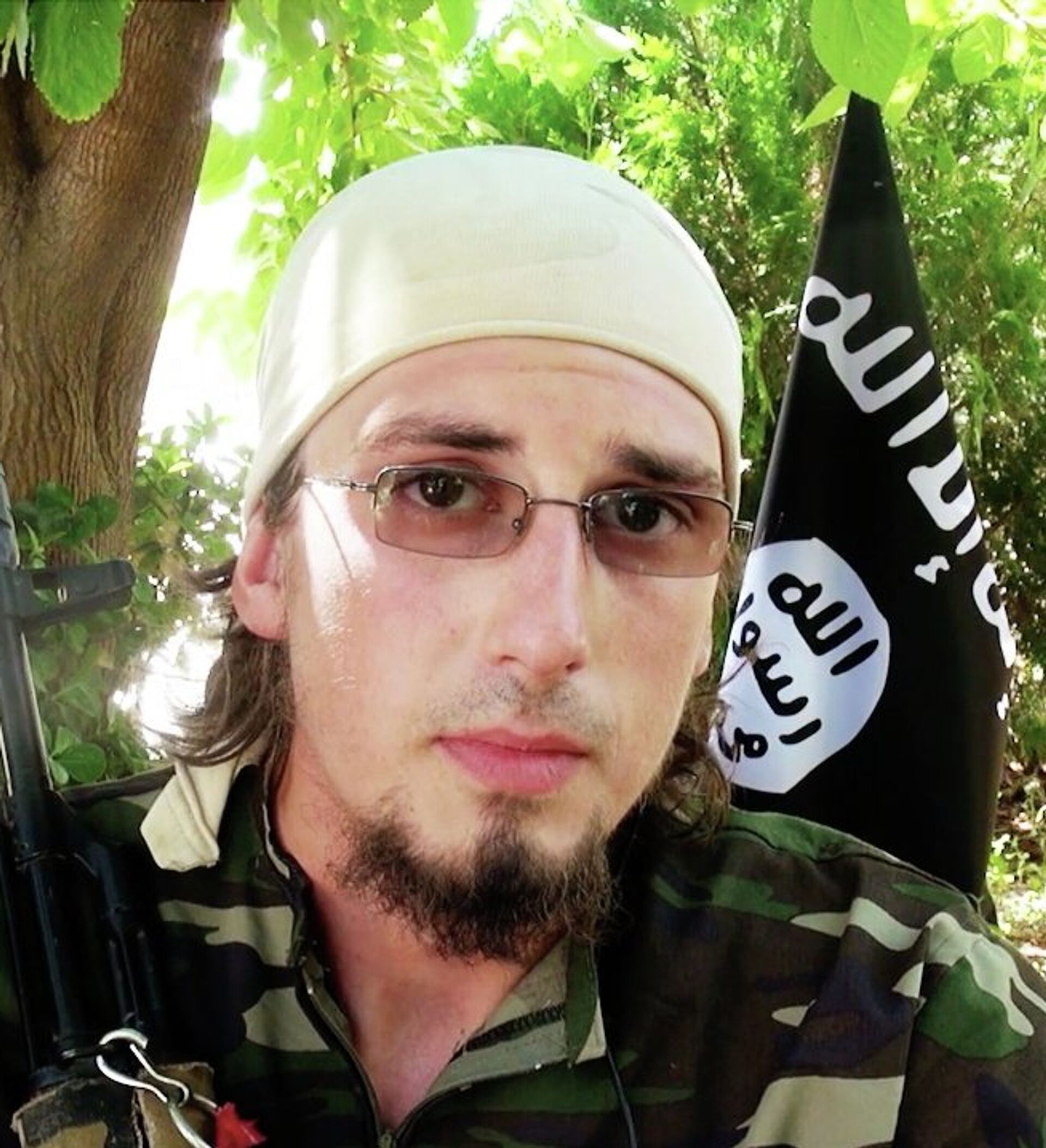
Accurate statistics do not yet exist on how many Westerners have gone to fight against the ‘infidels’ in Iraq and Syria, but some reports suggest the number could be over 3,000, numbers other terrorist formations could only dream about.
What stands behind IS’ phenomenal allure is successful branding and PR, never before used by other militants on such a large scale.
The Islamic State’s propaganda machine, called Al-Hayat Media Centre (not to be confused with Al-Hayat Daily Newspaper headquartered in London), uses the Internet to its fullest potential and is very keen on reaching English speakers.
#ISIS Fighters from #UK #France & #Germany says in a new video they are waiting the US-led coalition in Dabq #Syria pic.twitter.com/akz6VIuGjK
— Zaid Benjamin (@zaidbenjamin) October 15, 2014
“Al-Hayat has a full-time staff that develops and tests its messaging and they test it on westerners from within their ranks as well as “sample” groups online. The messages work to play on the religious beliefs of the Islamic faithful, but it particularly pushes that message towards the newly converted”, says ISIS Study Group, an NGO created to educate on the threat posted by Islamic State.
IS media center also publicizes colorful PDF reports which concentrate not only on the victorious conquests of jihadi fighters, but also on everyday issues like consumer protection within the controlled area.
The video makers intend to be heard by their audience and provide English subtitles for dialogues in Arabic. Moreover, they’re aiming for those who feel unfit in their current environment. Islamic State has also set a benchmark for terrorist videos, which made a big push from the “classic” shaky single-camera variant to well-edited HD episodes with slow motion captures and computer graphics.
‘’All my brothers living in the West, I know how you feel, I used to live there. In the heart you feel depressed… The cure for the depression is jihad… You feel like you have no honor… All my brothers, come to jihad and feel the honor that we are feeling, feel the happiness that we are feeling”, says one of the IS fighters in a promo video, aiming for people in search of a calling.
France became the first European country to officially oppose the fancy labeling and refused to refer to the jihadists by their preferred name. But the better part of IS attractiveness goes to the name itself. Unlike the grimly Al-Qaeda or Taliban, Islamic State sounds familiar and even legitimate. The militants simplified it from their previous name, The Islamic State of Iraq and the Levant, proclaiming their new caliphate in the occupied areas in June.
“This is a terrorist group and not a state. I do not recommend using the term Islamic State because it blurs the lines between Islam, Muslims and Islamists”, said the French Foreign Minister in September.
Laurent Fabius also asked journalists to label the IS as “Daesh cutthroats”, referring to the Mideast media acronym “Daesh” or “Daʿish” made up of the initial Arabic name of the Islamic State (ad-Dawlah al-Islāmīyah fīl-ʻIraq wa ash-Shām) and used by outlets hostile to the jihadist movement.
The Minister’s words also reflect the country’s internal agenda, as around a quarter of young French have a positive attitude towards the Islamic State, according to poll by ICM Research conducted for Rossiya Segodnya news agency.
That approval rating is way above the ones seen in Germany or the UK, but any positive attitude towards the group is enough to help it recruit new followers that can replenish its ranks and extend the conflict in Syria and Iraq as long as possible.