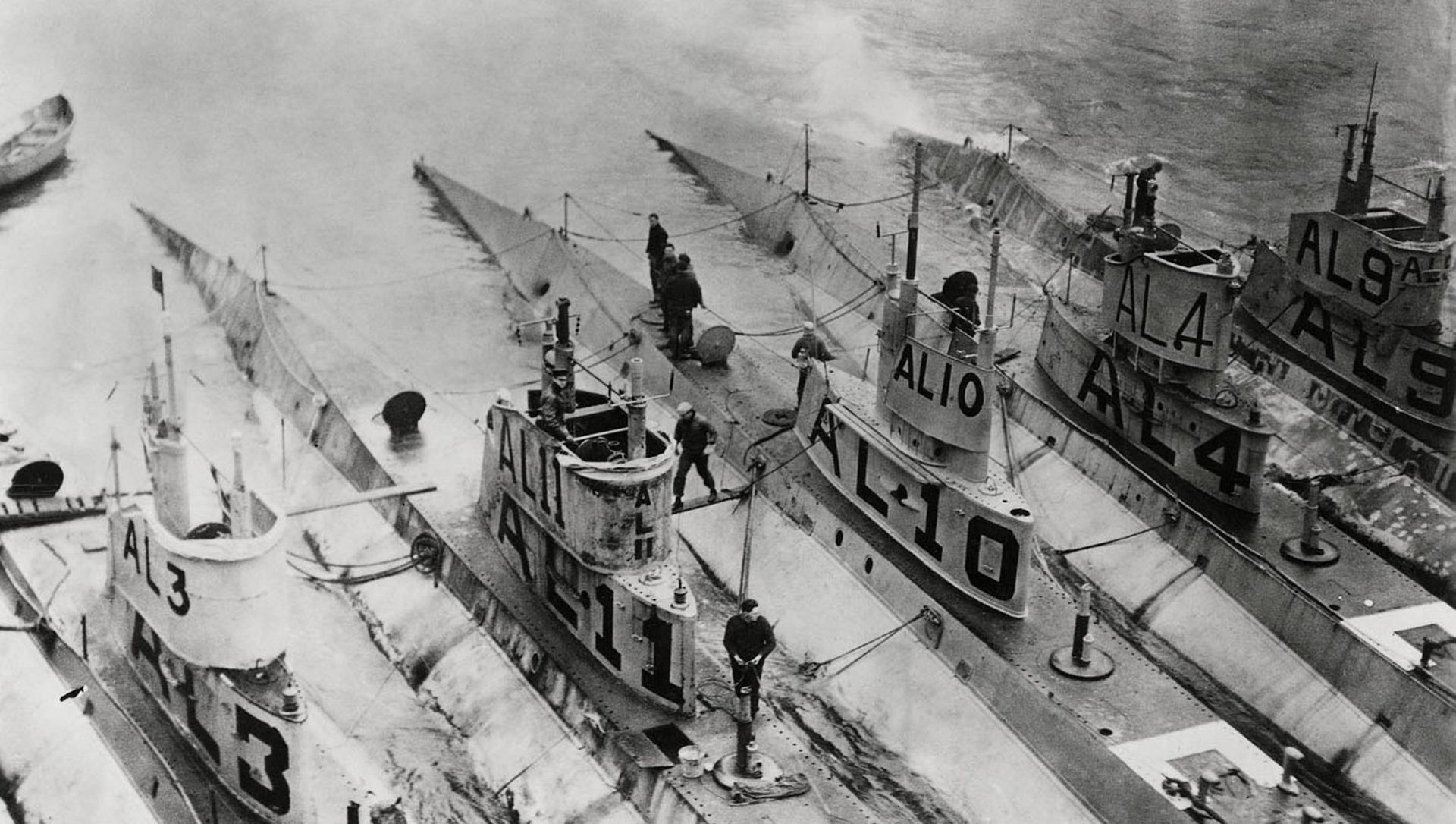
The World War I resulted in a surge of military development and technology. As the war ended in 1918, leaving Europe in ruins, communities had gone through... 08.11.2014, Sputnik International
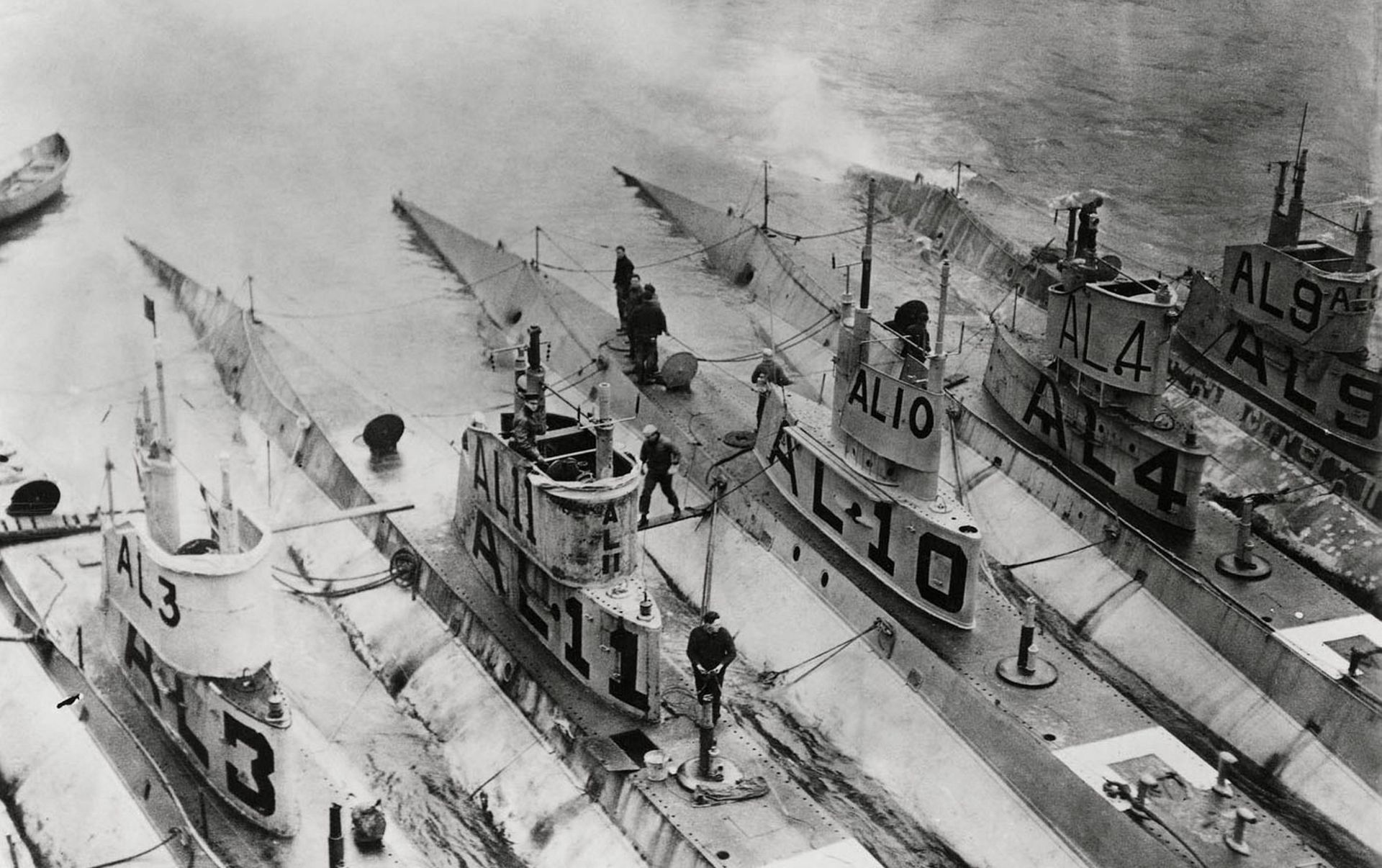
The World War I resulted in a surge of military development and technology. As the war ended in 1918, leaving Europe in ruins, communities had gone through dramatic social change.
The World War I resulted in a surge of military development and technology. As the war ended in 1918, leaving Europe in ruins, communities had gone through dramatic social change. This photo gallery reveals the most significant transformations that had occurred during WWI.
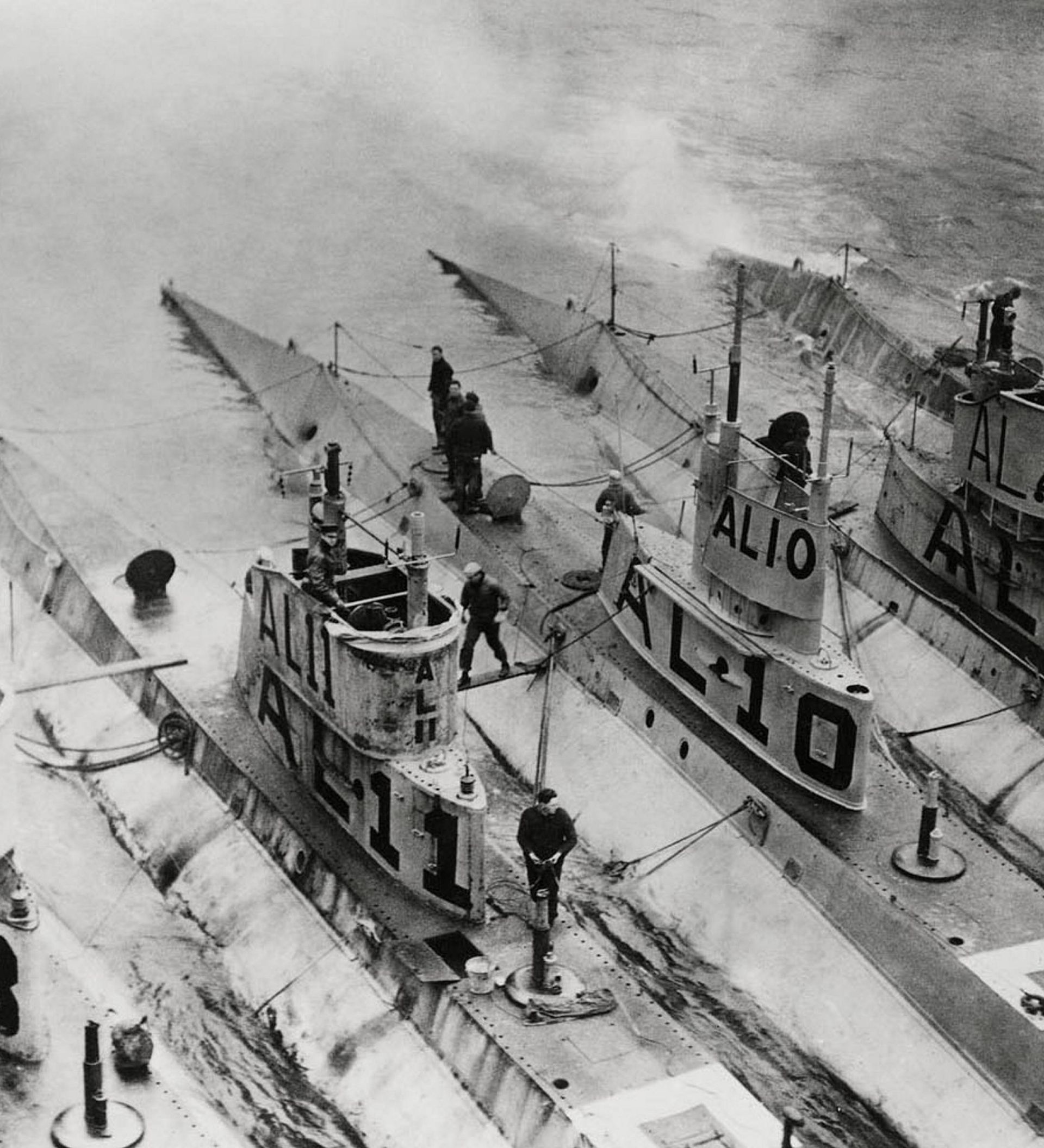
The World War I resulted in a surge of military development and technology. As the war ended in 1918, leaving Europe in ruins, communities had gone through dramatic social change.
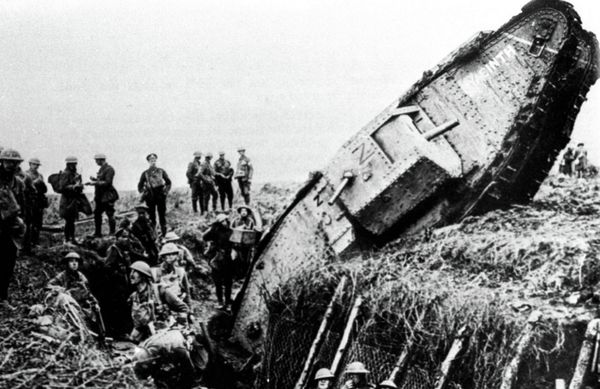
Trench warfare forced military engineers to contemplate concepts of the tank, a large armored fighting vehicle designed for front-line combat. The first tanks were used during the summer of 1917.
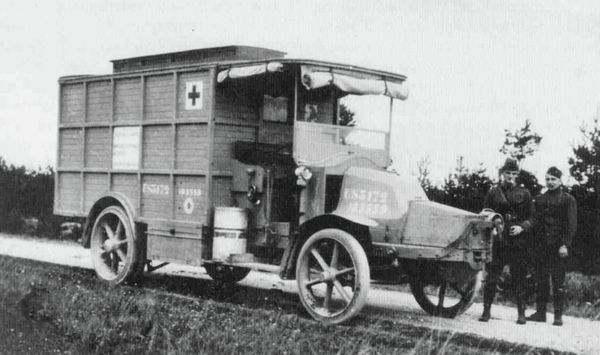
The war had a tremendous effect on the improvement of medicine. Doctors developed and started to practice new ways of treating severe injuries. X-rays and blood transfusions were used on the battlefield.
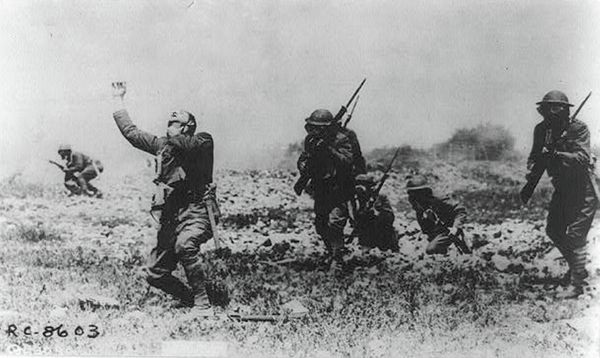
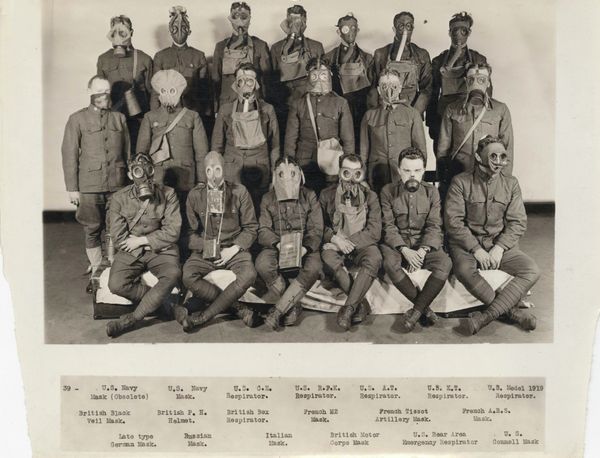
Combatants used chemical weapons to break the deadlock of the trench war for the first time during the Second Battle of Ypres in Belgium in April of 1915. The chlorine gas used by the Germans against the allies had devastating effects, indiscriminately killing both sides, as the wind had not been accurately accounted for.
After the use of poisonous gas on the battlefield, combatants started to equip their troops with cotton mouth pads for protection. This, however, did not prove effective and soon military engineers devised a primitive version of a gas mask. Thus, by 1918, soldiers on both sides were far better prepared to meet the threat of a gas attack.
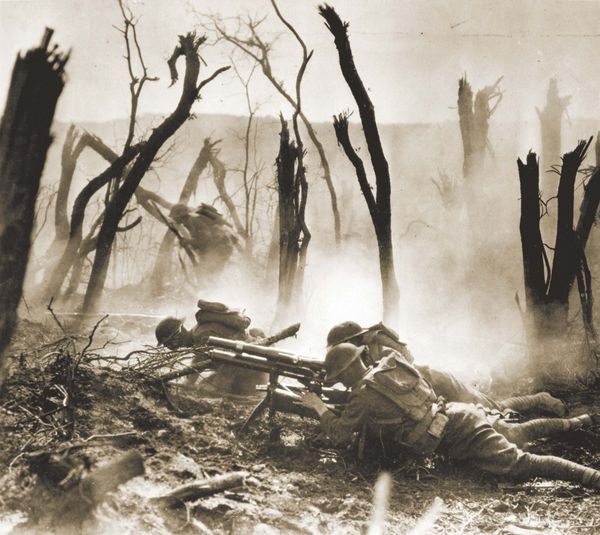
The war had revealed that military arsenals desperately needed to be improved. Although combatants on both sides had the machine gun, it was a primitive device, ill-suited when rapidly advancing or retreating along the trenches. As a result, a series of new compact automatic weapons were soon developed.
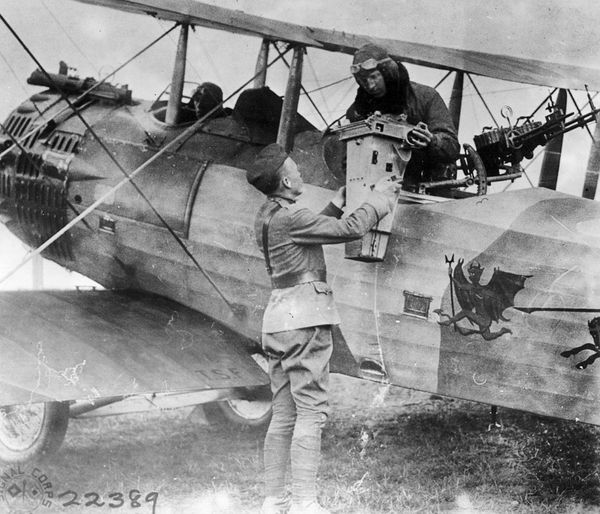
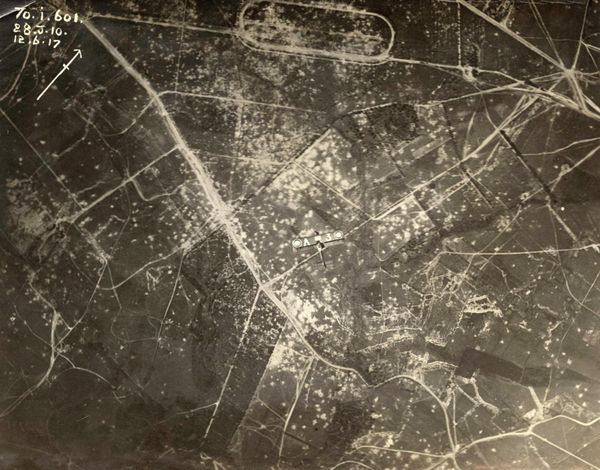
As photography was becoming popular in everyday life, commanders quickly realized its effectiveness on the battlefield. Pilots were ordered to take pictures, which later were used to draw maps.
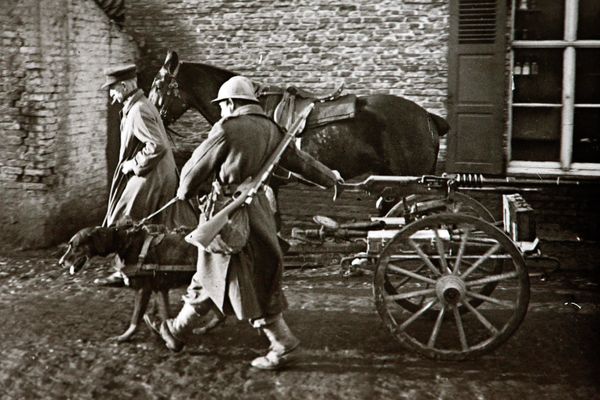
Dogs played a vital role during the war. Germany had used about 30,000 dogs, while Britain and France each employed over 20,000 dogs. Belgian soldiers, for instance, used dogs to pull their machineguns.
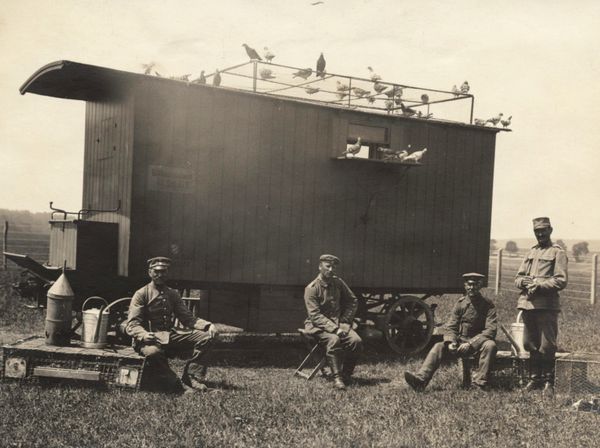
Pigeons proved to be an extremely reliable way of sending messages. Their speed and small size made them extremely hard to shoot down, while their navigational instinct always directed them back to their nests.
Pigeons were not only excellent messengers, but also scouts. Though not as effective as modern drones, pigeons were used to take aerial pictures of enemy formations from above thanks to cameras attached to them.
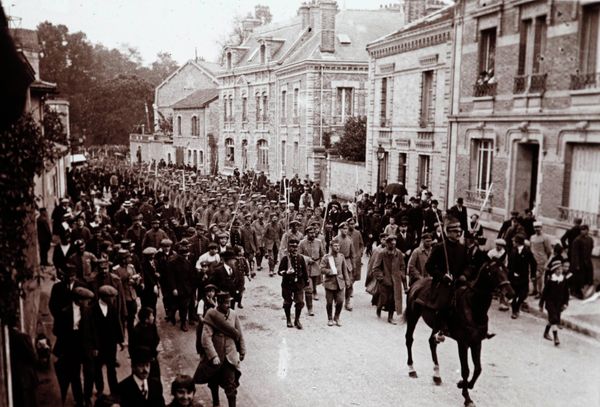
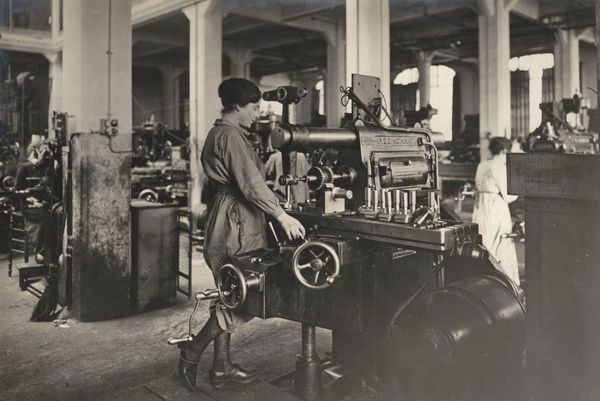
While shells, war ammunition and provision had to be produced and shipped to the frontline, labor forces became scarce on the home front, as most able-bodied men had gone to war. Thousands of female workers were therefore brought into factories to manufacture war supplies and other provisions.
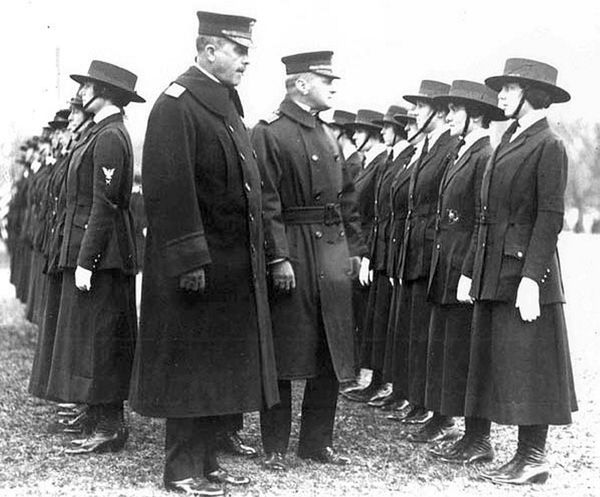
On the battlefield, women served as medical and radio communication personnel. After the war ended, women were given voting rights. It is believed that the crucial role women played during the war allowed them to gain political status.
Newsfeed
0
Access to the chat has been blocked for violating the rules .
You will be able to participate again through:∞.
If you do not agree with the blocking, please use the feedback form
The discussion is closed. You can participate in the discussion within 24 hours after the publication of the article.