WASHINGTON, November 19 (Sputnik) — The United States is maximizing its bargaining position during negotiations, aimed at curbing Iran's nuclear program, a scholar on Iran said the US House Foreign Affairs Committee.
"I fear since the beginning we [the United States] have not fully understood what was driving Iran to the table and have underestimated our leverage once they got there. It's a recipe for a very frustrating diplomacy," American Enterprise Institute (AEI) and former Defense Department analyst J. Matthew McInnis said Tuesday.
US desire to arrive at a diplomatic solution may lead to an agreement that fails to adequately check Iran's nuclear ambitions, despite the fact sanctions have severely impaired the Iranian economy, McInnis added.
"The short and long-term economic challenges are just too great for them [the Iranians]. They need this deal now and, frankly, they need it more than we [the Americans] do. And we don't take advantage of that," McInnis asserted.
McInnis also noted that there has been no sign of real change in Iran's nuclear policy and that Tehran is still demanding a robust uranium enrichment program that goes far beyond what is needed for civilian applications.
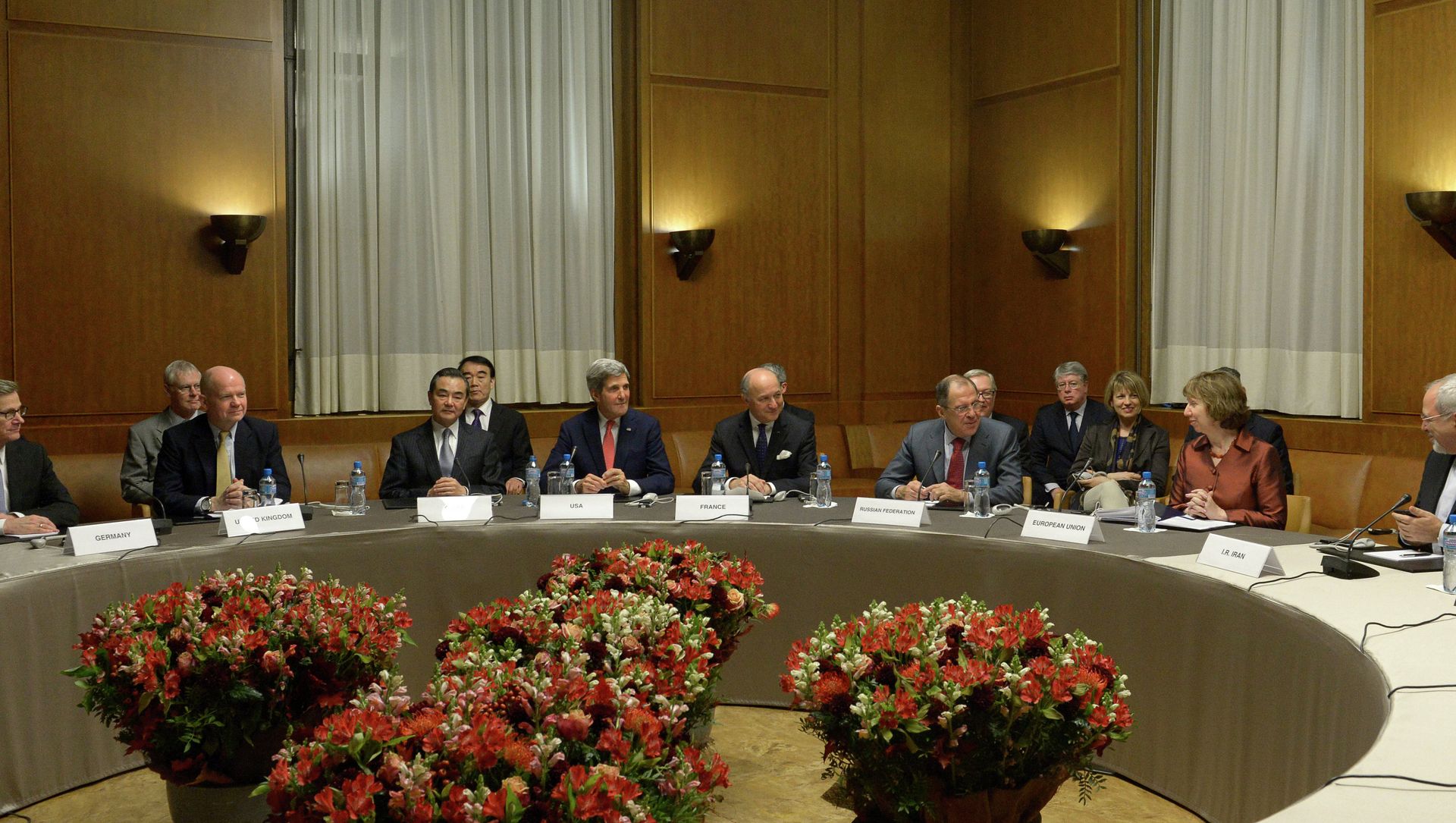
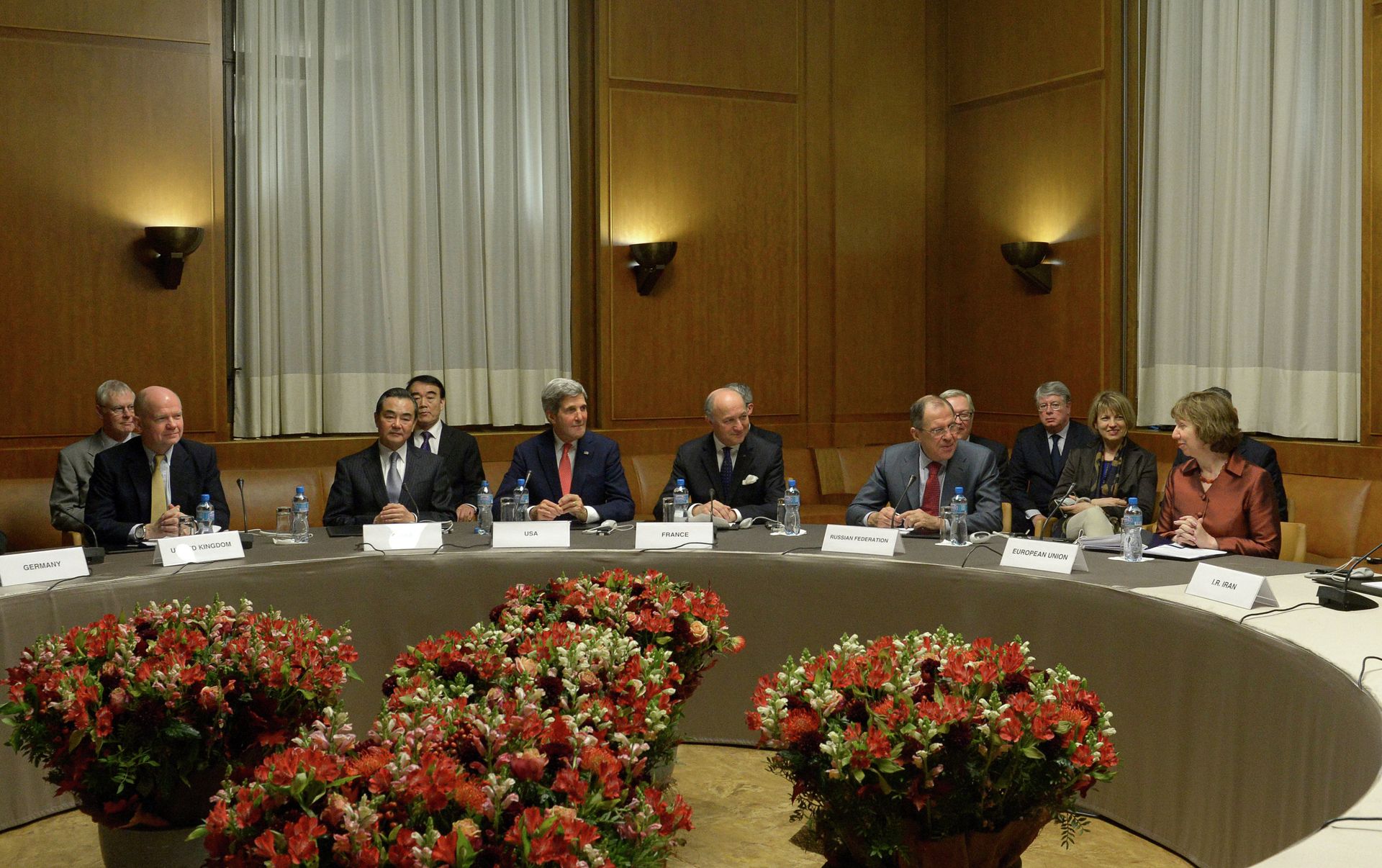
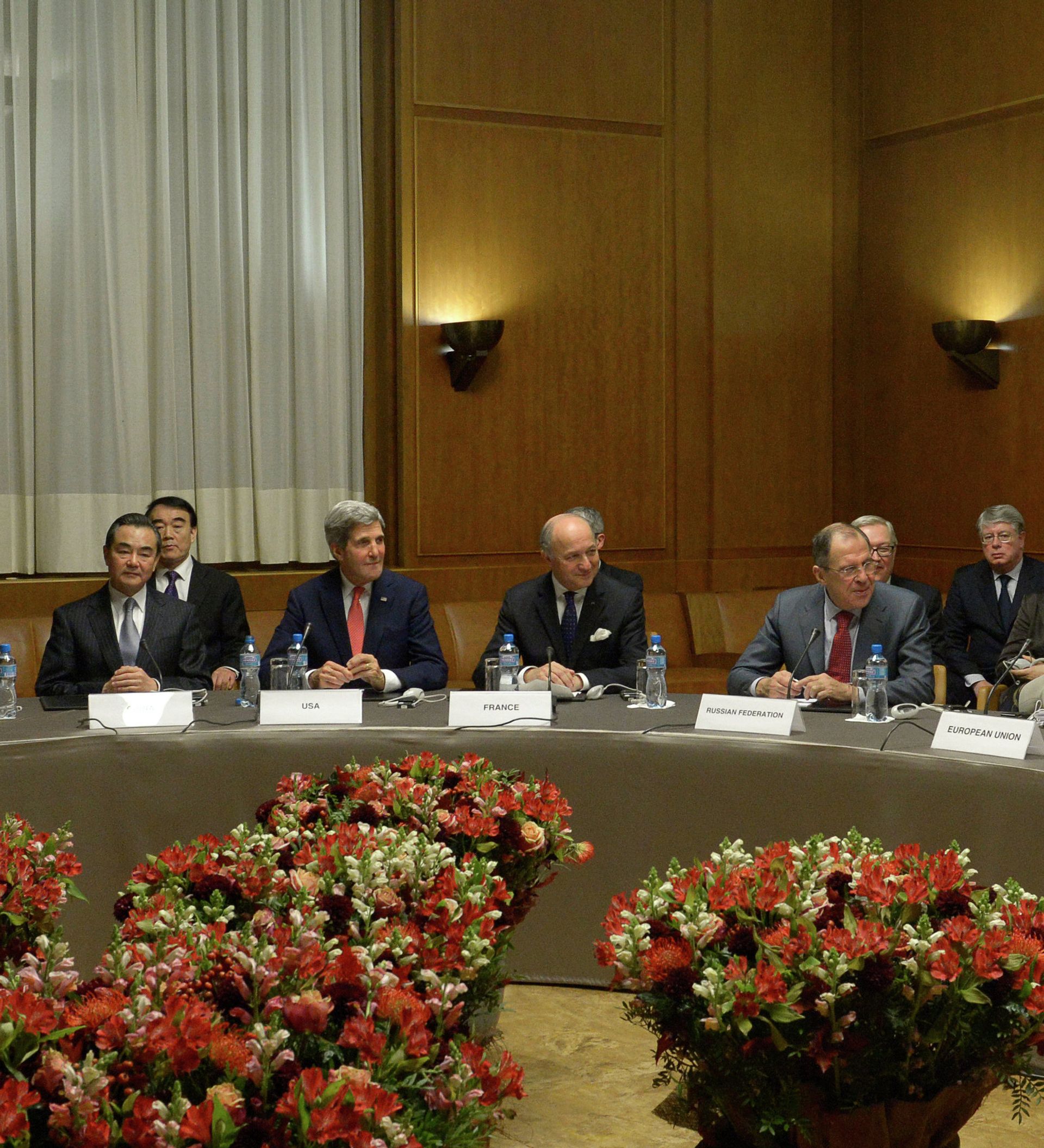
On Tuesday, the P5+1 group commenced the final round of talks to reach a comprehensive nuclear deal that would prevent Iran from developing nuclear weapons in exchange for the relaxing of economic sanctions.
Last November, Iran and the P5+1 group, comprised of Russia, the United States, the United Kingdom, France, China, Germany, reached a temporary agreement to guarantee the peaceful intentions of Iran's nuclear program by a July 2014 deadline, which was later extended to November 24.