Over the past several weeks, representatives of Saudi Arabia, the United Arab Emirates and Kuwait have again and again affirmed their commitment to not curbing output to halt the biggest drop in crude oil prices since 2008.
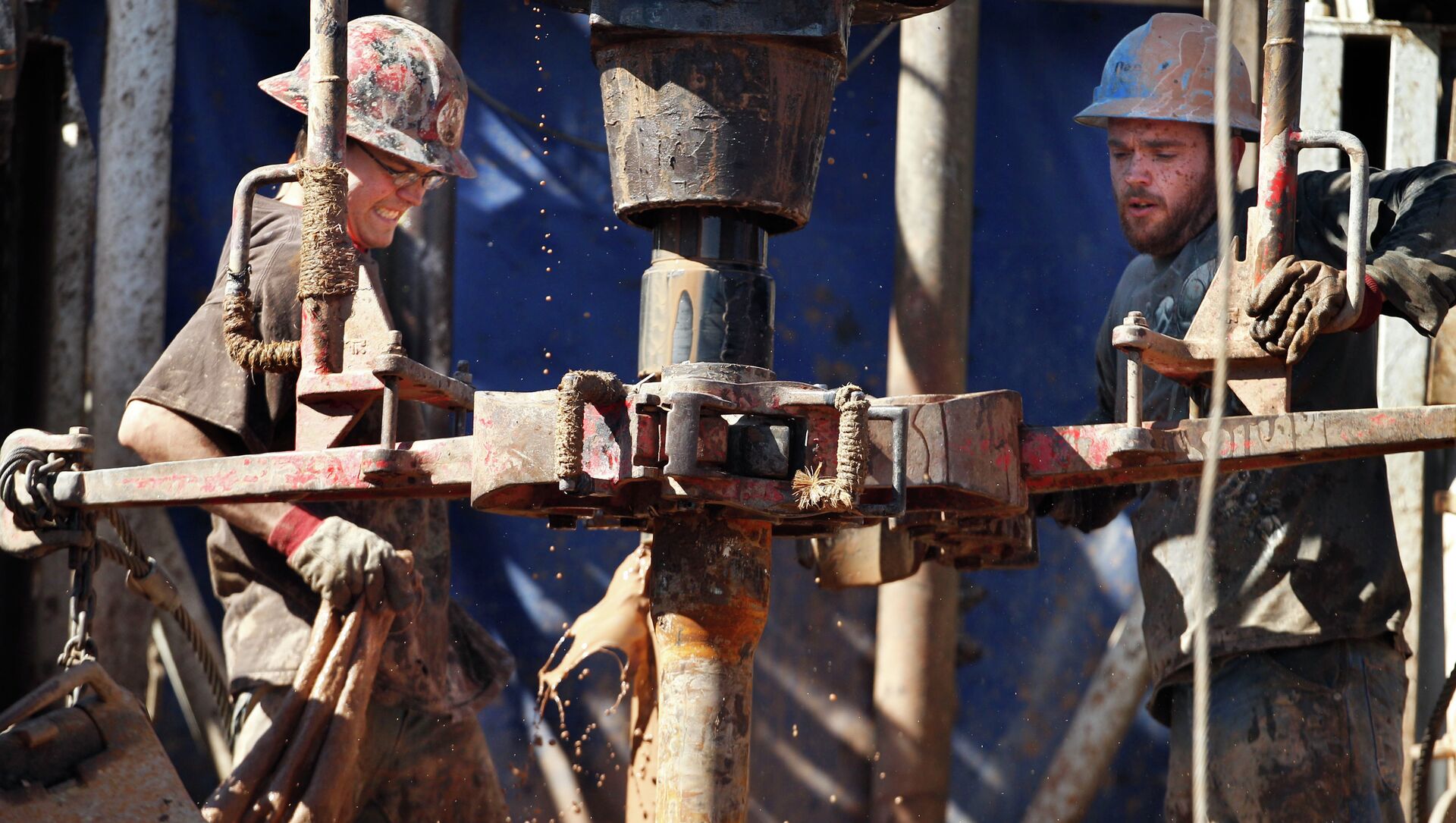
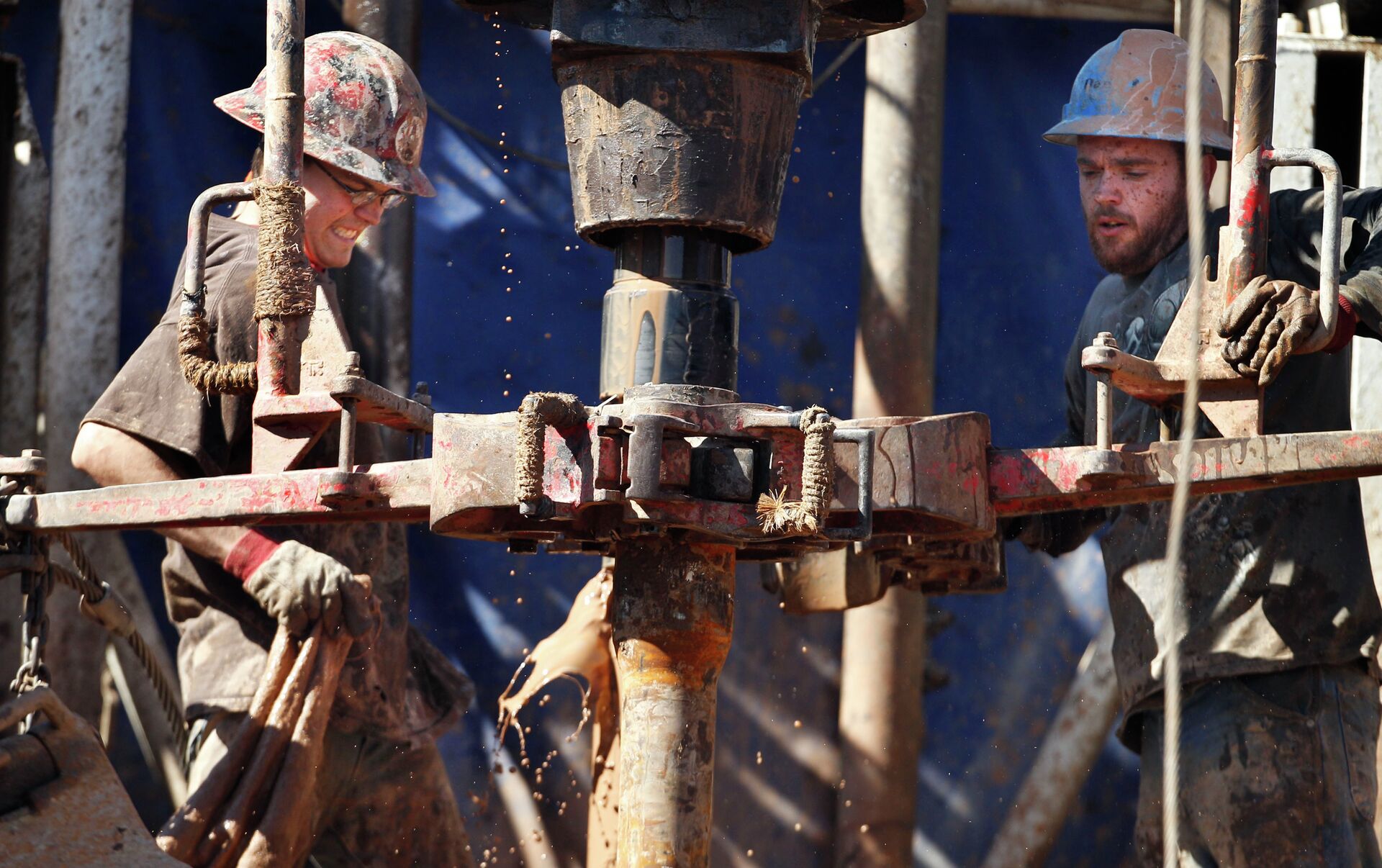
Contributing to the price drop is horizontal drilling and hydraulic fracturing in underground shale rock in the U.S., where oil production has risen by 66 percent over the past five years and helped to flood the market, Bloomberg reports.
According to Barclays PLC and Commerzbank AG, OPEC’s actions, or rather inaction, is a part of its battle plan to promote further price declines in order to force U.S. drillers to scale back their production.
It has resulted in drastic declines: a 48 percent drop in crude last year, and a 35 percent drop since Nov. 27, when OPEC affirmed its production target.
“The faster you bring the price down, the quicker you will have a response from U.S. production — that is the expectation and the hope,” Jamie Webster, an analyst at consultants IHS Inc. in Washington, told Bloomberg. “I cannot recall a time when several members were actively pushing the price down in both word and deed.”
Oil remained below $50 a barrel today – a five-year low – but OPEC won’t reverse course even if prices fall as low as $20, Saudi Arabian Oil Minister Ali Al-Naimi told the Middle East Economic Survey last month.
The decline will cost all 12 OPEC members a total of $257 billion in lost revenue this year, the Energy Information Administration estimates. The four Middle East OPEC members are counting on combined reserve assets estimated by the International Monetary Fund at $826 billion to withstand the plunge.
As for the U.S., the growing surplus – up about 1 million barrels from a year ago – has led producers to rein in output, leading to industry layoffs in states like North Dakota, Pennsylvania and Texas.
The dismissals in the drilling industry have adversely affected the U.S. steel industry as well. As oil production declines, so does the demand for steel, forcing Lorain Tubular Operations, which manufactures pipes for the drilling industry, to lay off more than 750 employees in Cleveland and Houston, starting on March 8.
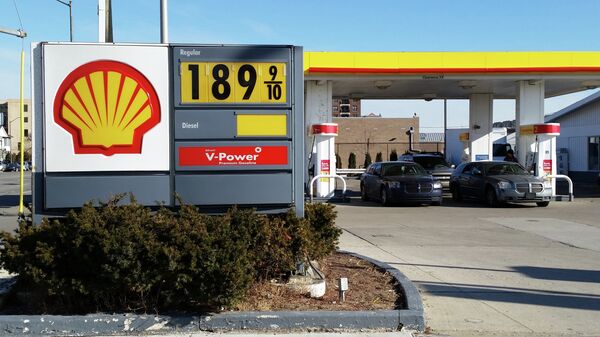
American consumers, however, are reaping the benefits of the flooded market. The U.S. Department of Energy expects the average gallon of gas to cost $2.60 this year, the lowest in five years. That is expected to result in an extra $60 billion for American consumers to spend.
On Wall Street, energy companies like ExxonMobil, the largest public energy company in the world, have seen their market cap plunge by billions, while earning forecasts have tanked, causing some investors to dump their stocks.
This is not the first time OPEC’s battle for market share has impacted U.S. drillers. In 1986, Saudi Arabia opened its taps and sparked a four-month, 67 percent plunge that left oil just above $10 a barrel, Bloomberg reports. Consequently, the U.S. industry collapsed, triggering almost a quarter-century of production declines, while the Saudis regained the lead of in the world oil market.