Cybersecurity, for the most part, is a field still in its infancy. While few people have a firm grasp on what, exactly, the subject entails, even fewer have a grasp strong enough to lead minds and men through such an intricate web.
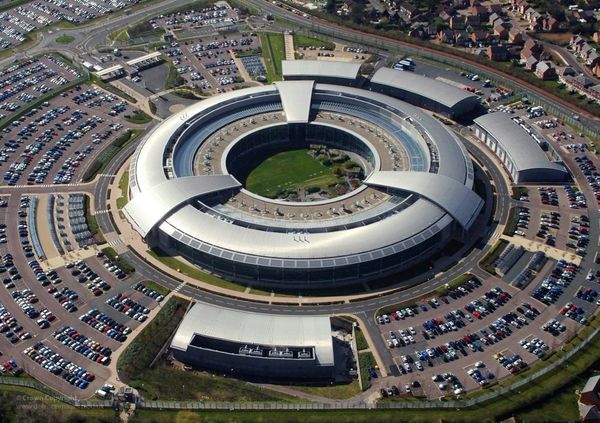
If the U.S. and U.K. intend to establish a direct channel between the NSA and British sister agency, Government Communications Headquarters (GCHQ), they are going to need one of these rarified leaders. One familiar with the ins and outs of cybersecurity, but also capable of management.
The Joint Cyber Cell, as it’s called, needs leadership by “someone with an IT security and forensics background,” said Darren Hayes, a digital forensics professor at Pace University.
He adds, “No one comes to mind.”
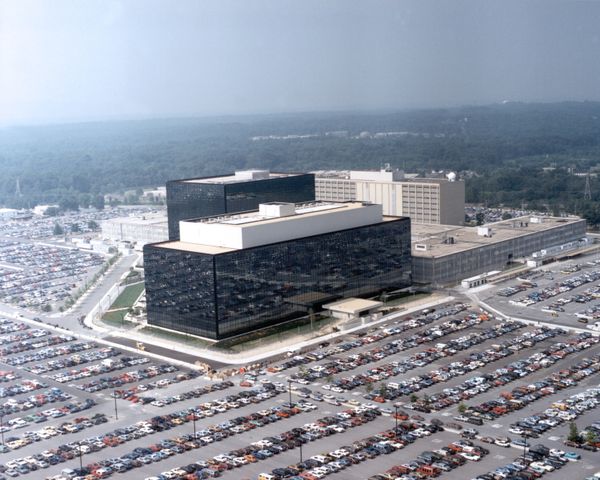
Jim Penrose, formerly of the NSA, agrees with this sentiment.
“It’s very much a rare commodity, and certainly you want people who understand the discipline of intelligence but also have the reality of operations and law enforcement in mind, too, and have that experience,” he said. “It’s not normal to find all of that wrapped up in one person.”
Even if such a leader can be found, there’s still the matter of finding a qualified team worthy of that leadership.
While this process faces the same challenges – experts estimate there are only 1,000 people in the U.S. qualified for the job – there is the added struggle of that age-old government barrier: red tape.
Many IT graduates have a notoriously difficult time getting jobs with government agencies, which often take years before finally making an employment offer.
Government jobs in cybersecurity also offer moral quandaries for many tech experts. In some ways, the very idea of cybersecurity – the intentional weakening of private systems to provide a peephole for the government – ruffles too many feathers.
Last October, FBI Director James Comey expressed a desire for private companies to build “front doors” into their encrypted networks. According to Chris Soghoian, principal technologist with the American Civil Liberties Union, this didn’t sit well with many.
“You will not find a single respected technical expert who will get up on stage and back the idea of weakening the security of a system,” he said.
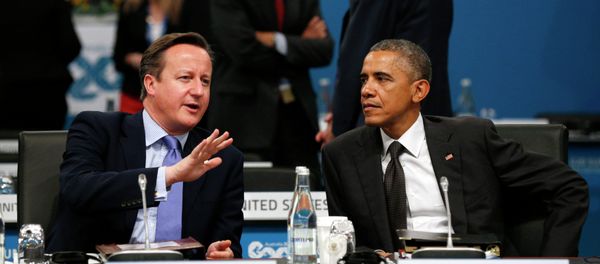
On top of all of this, the joint cyber cell will have two bases of operation, one on each side of the Atlantic. Which means even if this miracle team of experts does manage to come together despite all odds, it will then, theoretically, have to happen again. How often does lightning strike twice?
The cell has a big job ahead. Coordinating information in real time between a number of disparate agencies is no simple task, and the cell will investigate not only traditional crimes like financial fraud and identity theft, but also cybercrimes committed by state and non-state actors.
Assuming it ever gets off the ground.