Welcoming Spring in a Russian Way: Traditions of Slavic Pancakes Festival
Welcoming Spring in a Russian Way: Traditions of Slavic Pancakes Festival
Sputnik International
On February 22, Russia and several other Eastern Slavic countries end the week of Maslenitsa, preceding Lent, the most important fasting season for Orthodox... 22.02.2015, Sputnik International
On February 22, Russia and several other Eastern Slavic countries end the week of Maslenitsa, preceding Lent, the most important fasting season for Orthodox Christians. Let’s have a look at this joyful and merry week’s origin and traditions.
On February 22, Russia and several other Eastern Slavic countries end the week of Maslenitsa, preceding Lent, the most important fasting season for Orthodox Christians. Let’s have a look at this joyful and merry week’s origin and traditions.
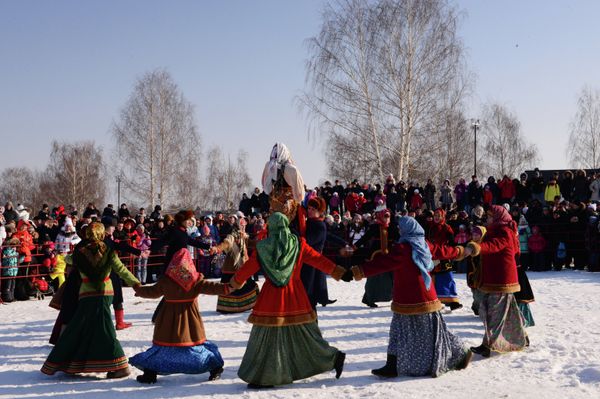
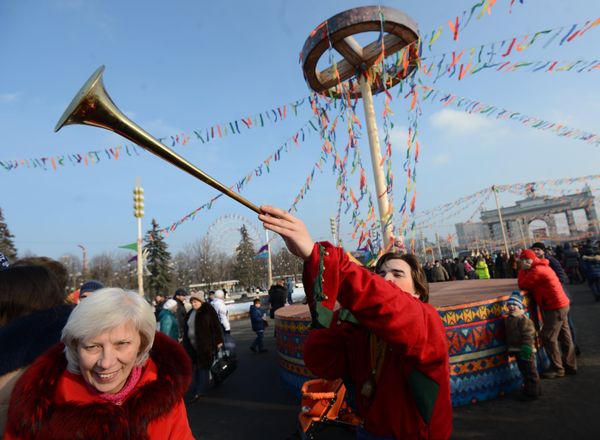
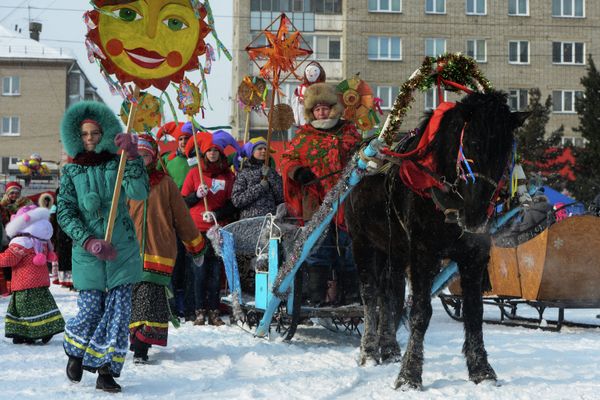
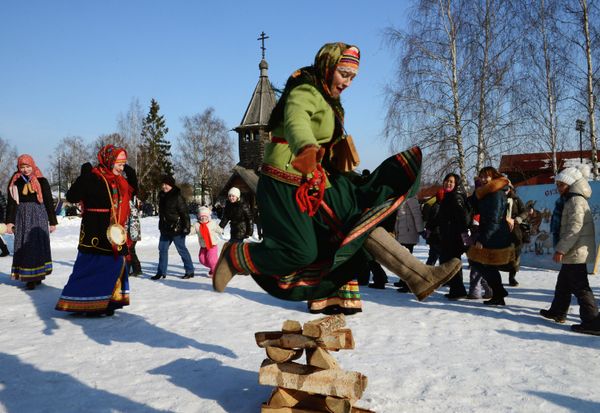
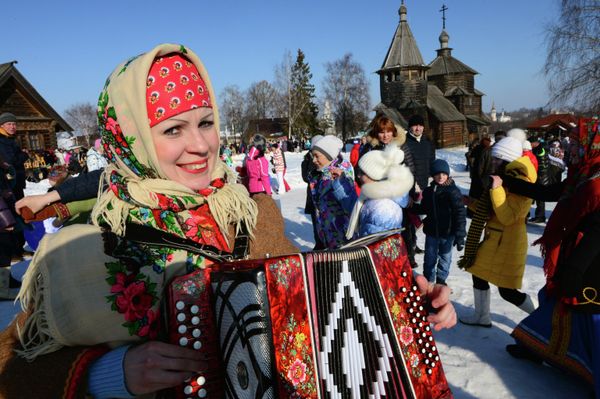
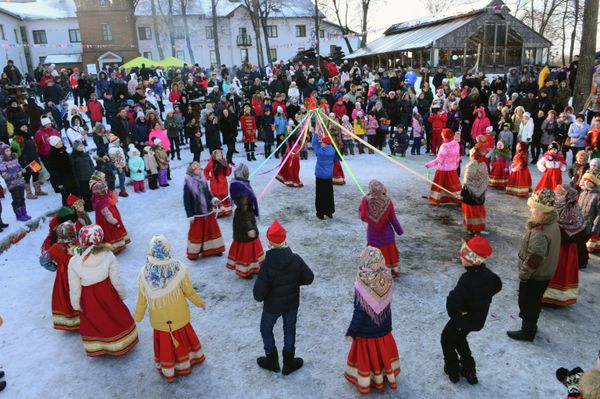
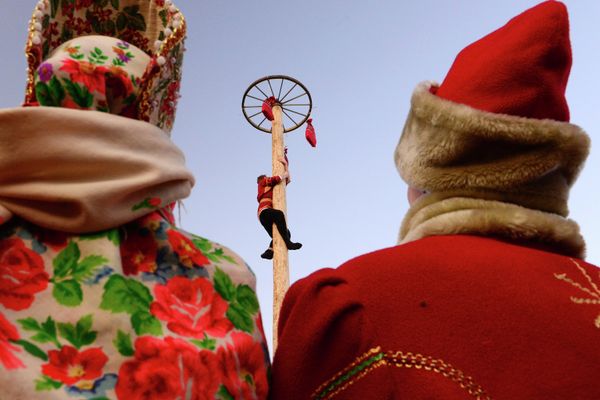
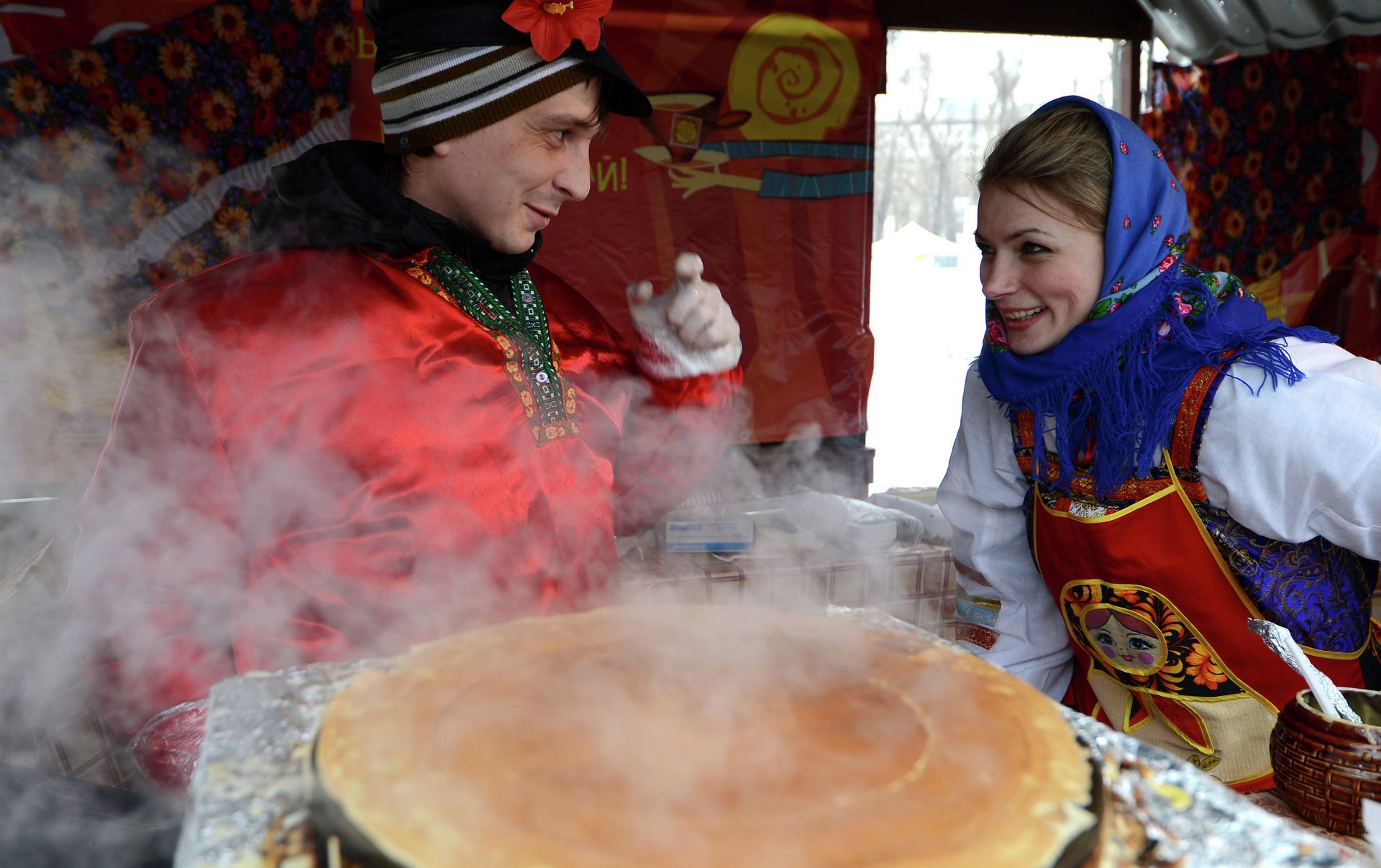
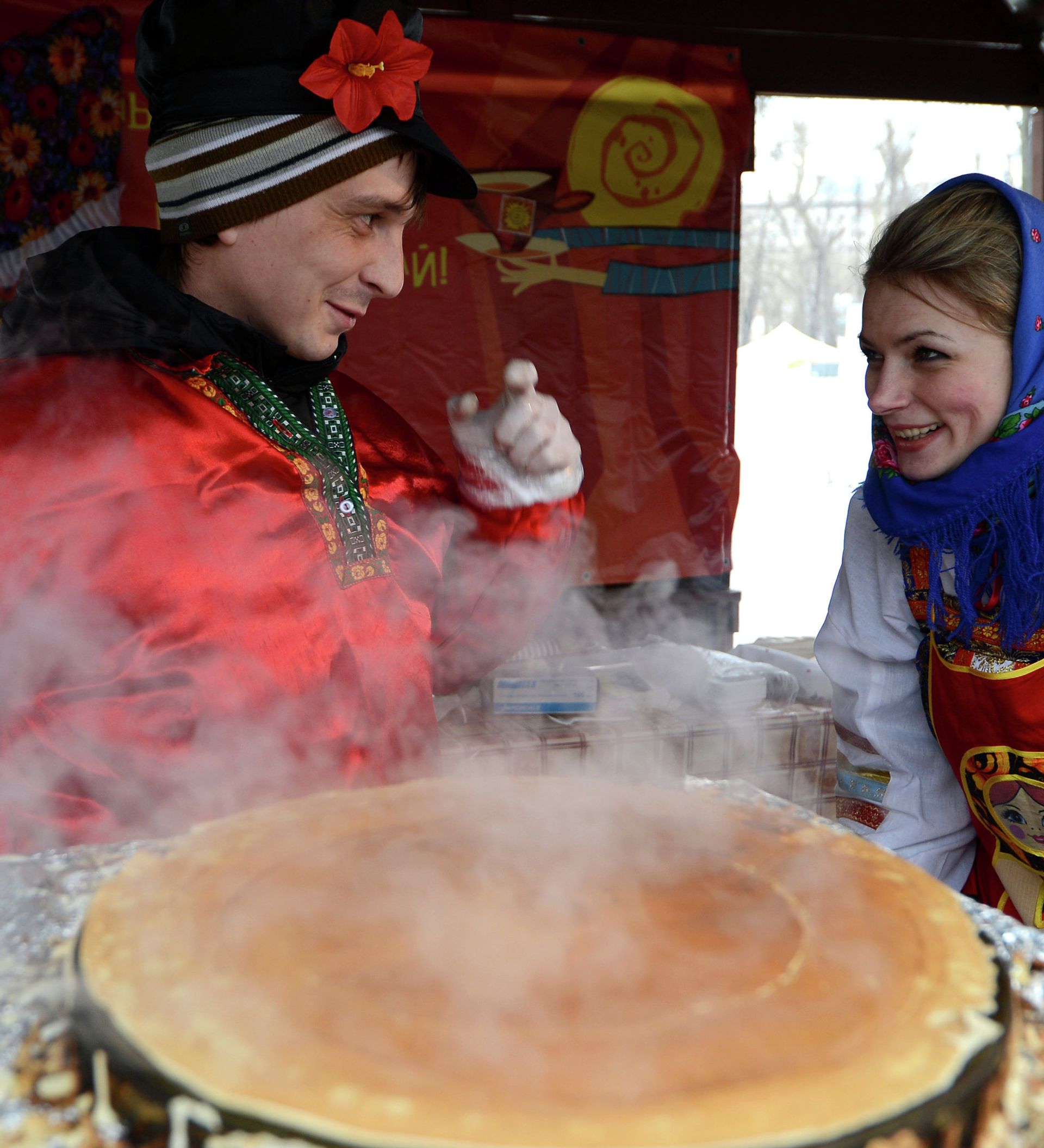
Maslenitsa, known as Butter, Crepe or Pancake Week, is a traditional Slavic festival rooted in ancient pagan customs. Celebrating Maslenitsa, people see the winter off and welcome the spring.
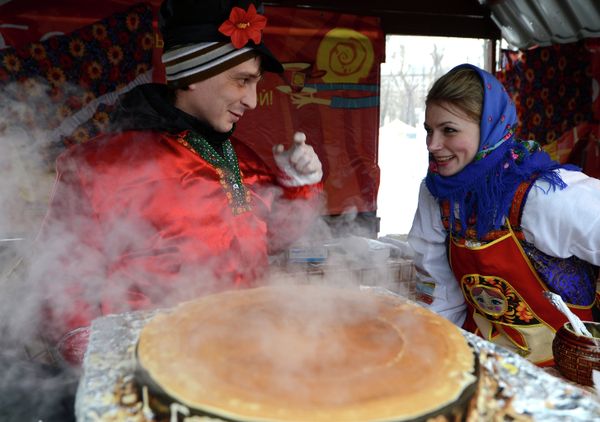
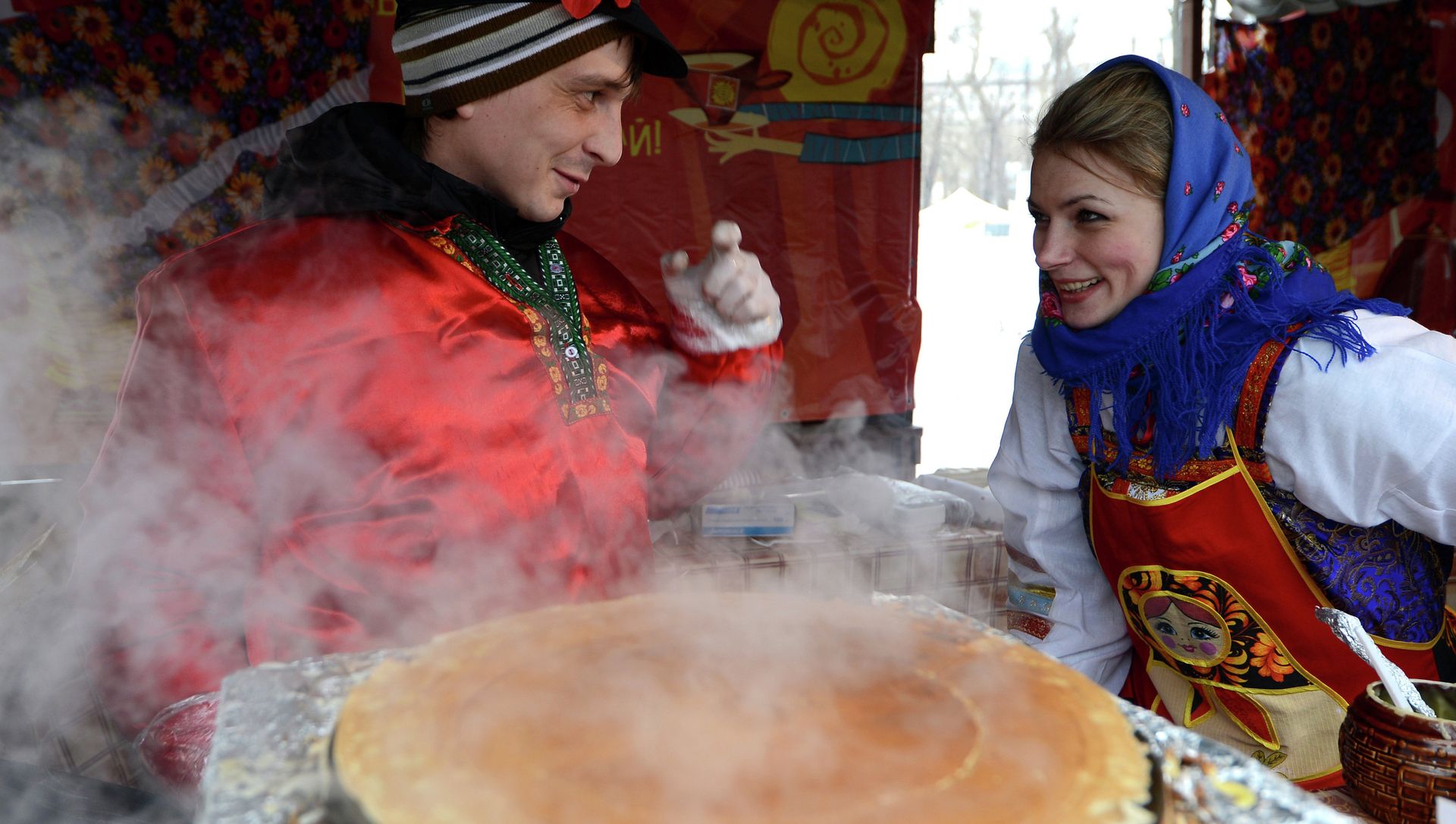
Pancakes are the main symbol of Maslenitsa. Thanks to their form and color, they look like the sun. Maslenitsa is regarded as the awakening of life after a winter's sleep.
Specific traditions are designated for each day of Maslenitsa week. People commemorate their deceased ones, visit their godparents, organize bride shows, sons-in-law visit their parents-in-law and vice versa.
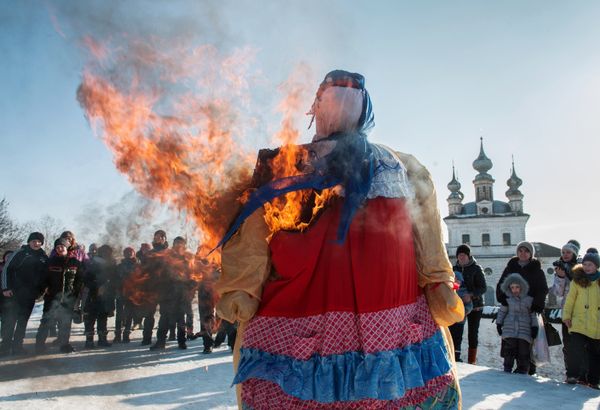
On Sunday, the straw effigy of Lady Maslenitsa is burnt. Pancakes (if any remain) are thrown into the flame to observe the old tradition of fertilizing the crops.
At the same time, the last day of Maslenitsa is also the Forgiveness Sunday. Christians make a vow before one another and ask forgiveness. The traditional answer is: “God will forgive and so will I”. They want to enter the Lent with their souls free of sins.
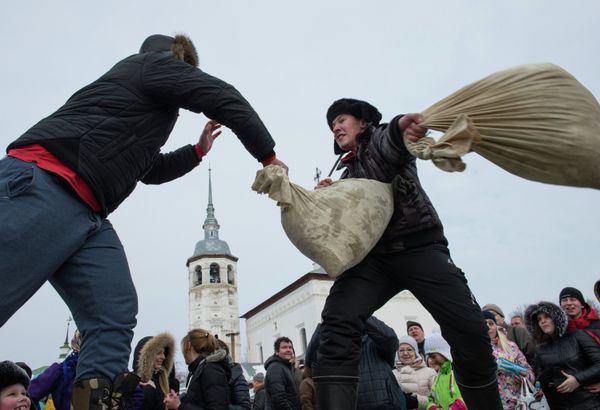
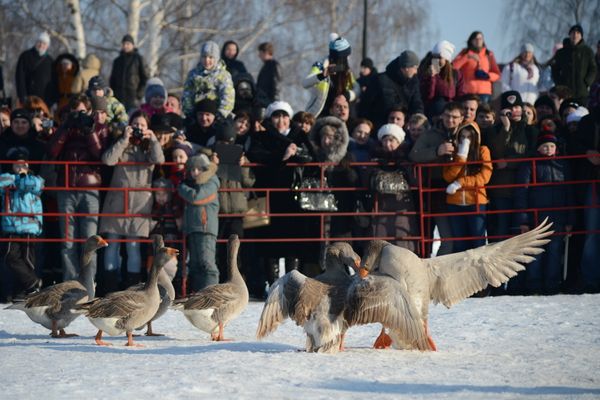
Participants of the Maslenitsa (Shrovetide) festival on the territory of the Wooden Architecture Museum in Suzdal watch goose fights.
Newsfeed
0
Access to the chat has been blocked for violating the rules .
You will be able to participate again through:∞.
If you do not agree with the blocking, please use the feedback form
The discussion is closed. You can participate in the discussion within 24 hours after the publication of the article.