On March 16, Russia marks the anniversary of the historic referendum that reunited the Crimean Republic with the country after 60 years of Ukrainian rule. In addition to its historic and political meaning, Crimea has always been known for its beautiful nature and various places of interest. Sputnik presents a photo gallery of some picturesque sites and views of the peninsula.
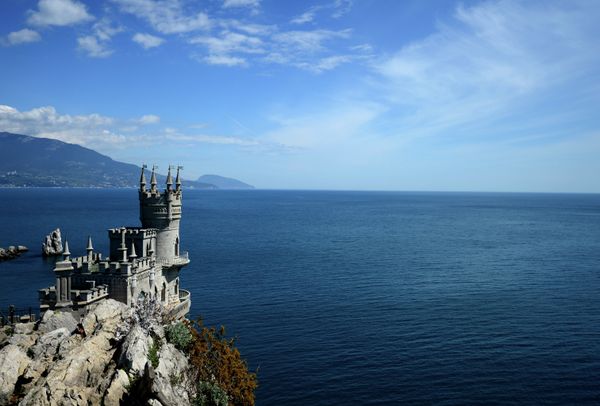
The Swallow's Nest is an architectural monument of on top of the Aurora Cliff overlooking the Cape of Ai-Todor in Yalta, Crimea.
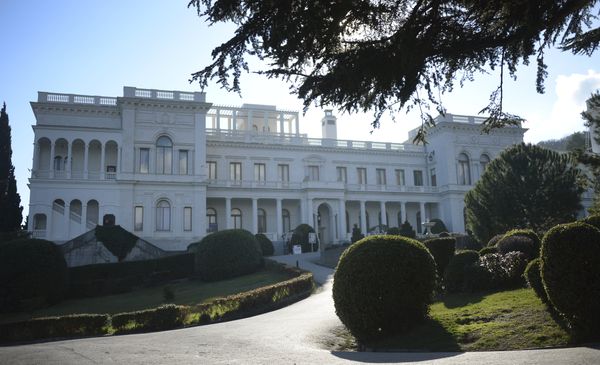
Livadia Palace, a summer retreat of the last Russian Emperor Nicholas II, hosted the 1945 Yalta Conference for Soviet, US and British leaders.
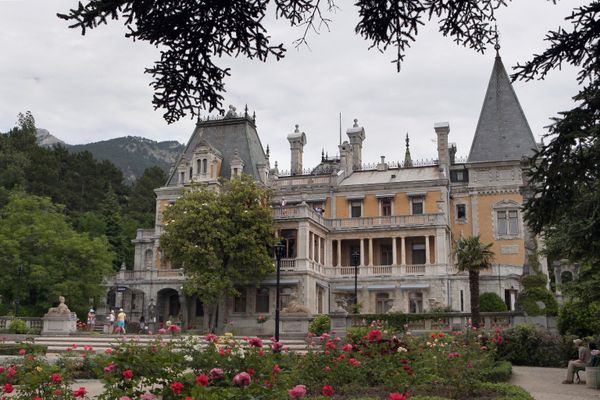
The construction of the Massandra Palace began in 1881. Russian Prince Vorontsov Jr contracted a team of French architects to design him a chateau in the style of Louis XIII. After he died, the mansion was purchased by Alexander III of Russia.
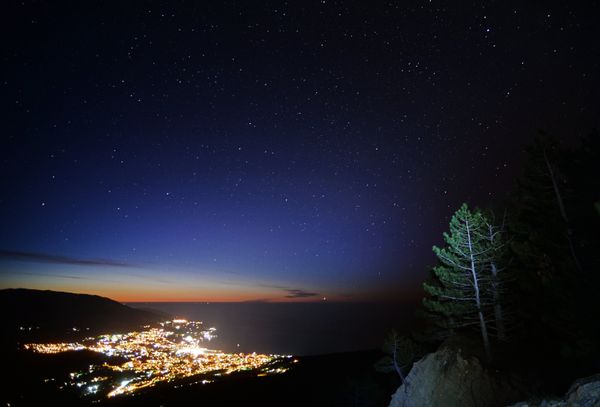
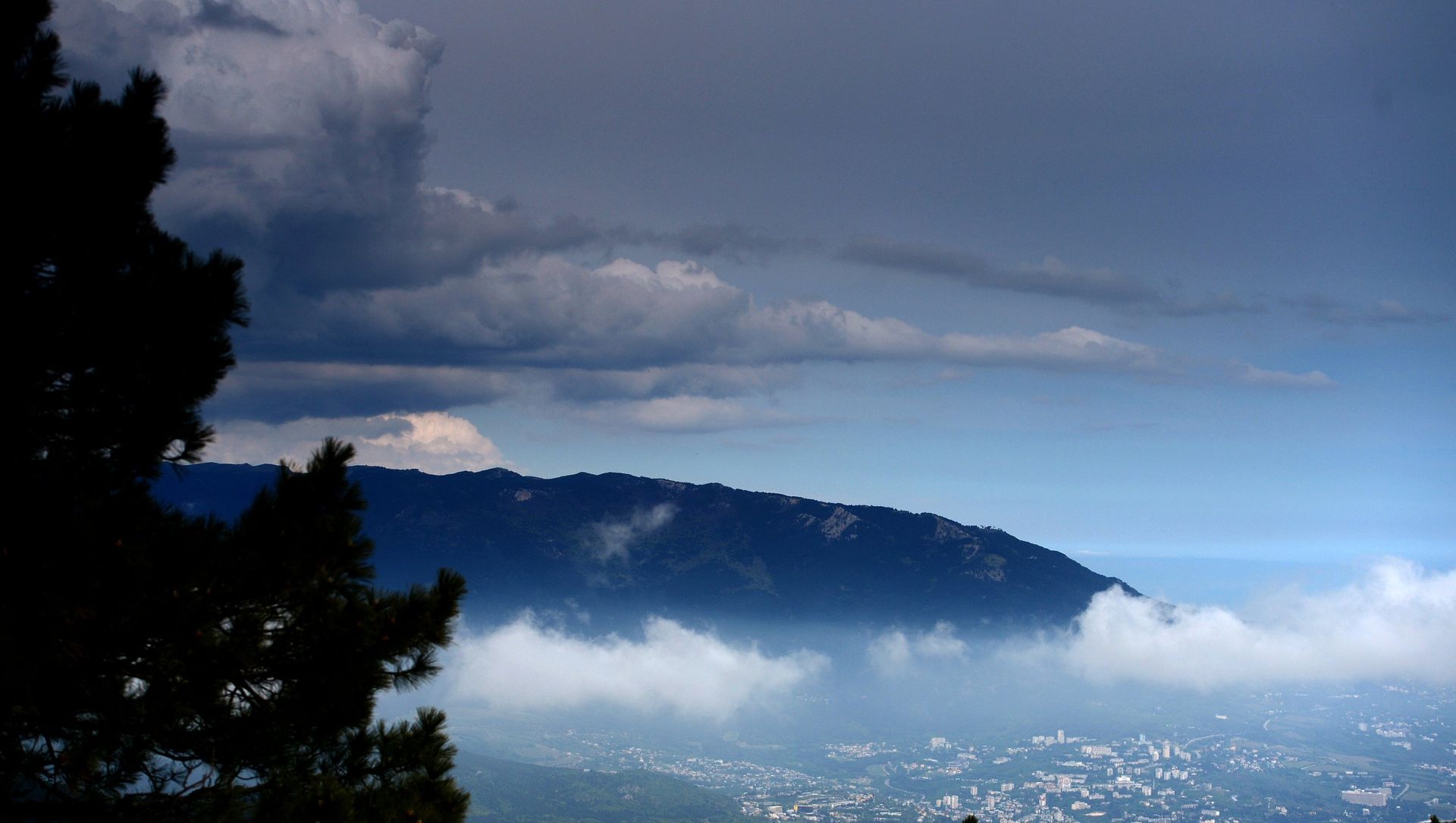
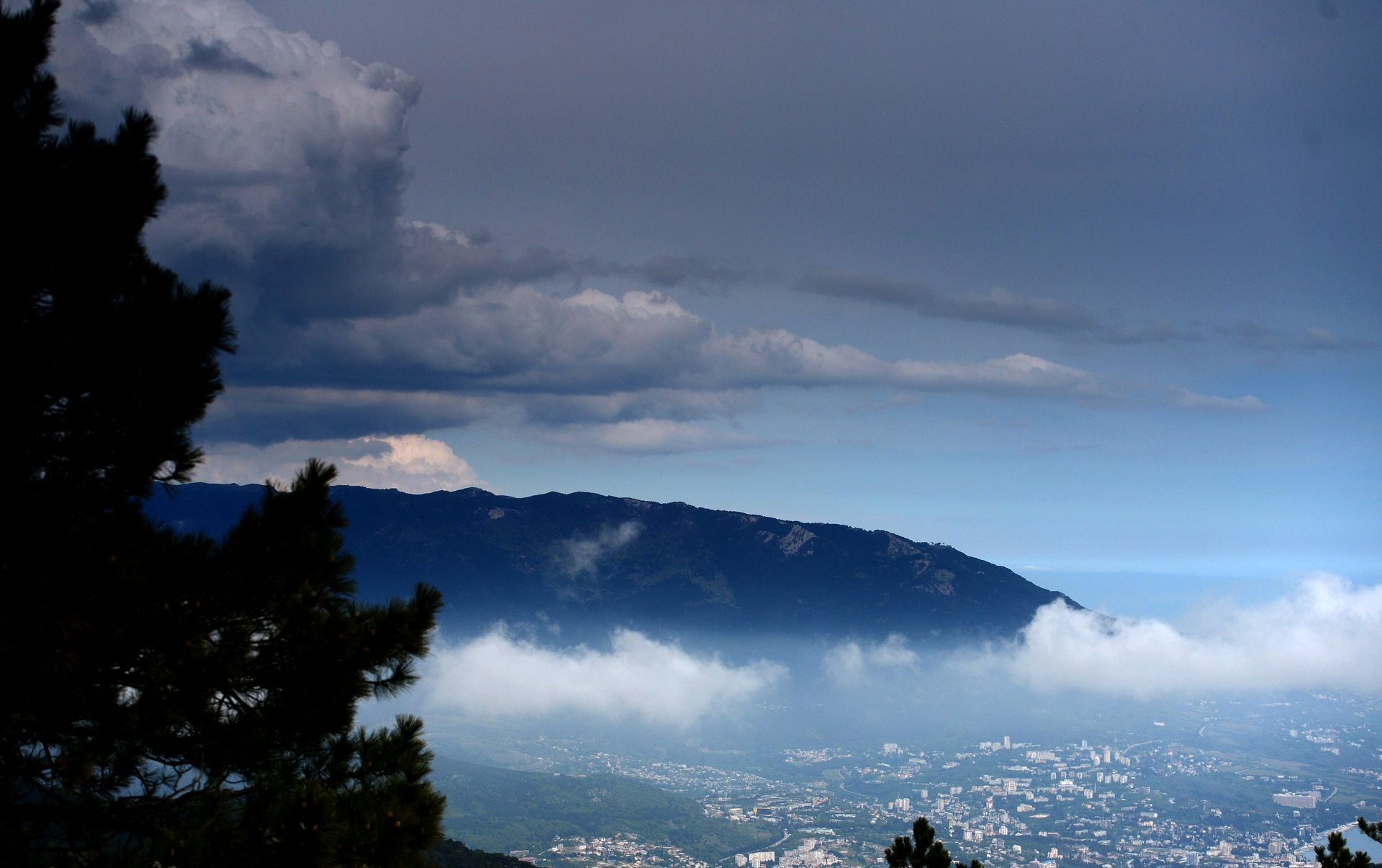
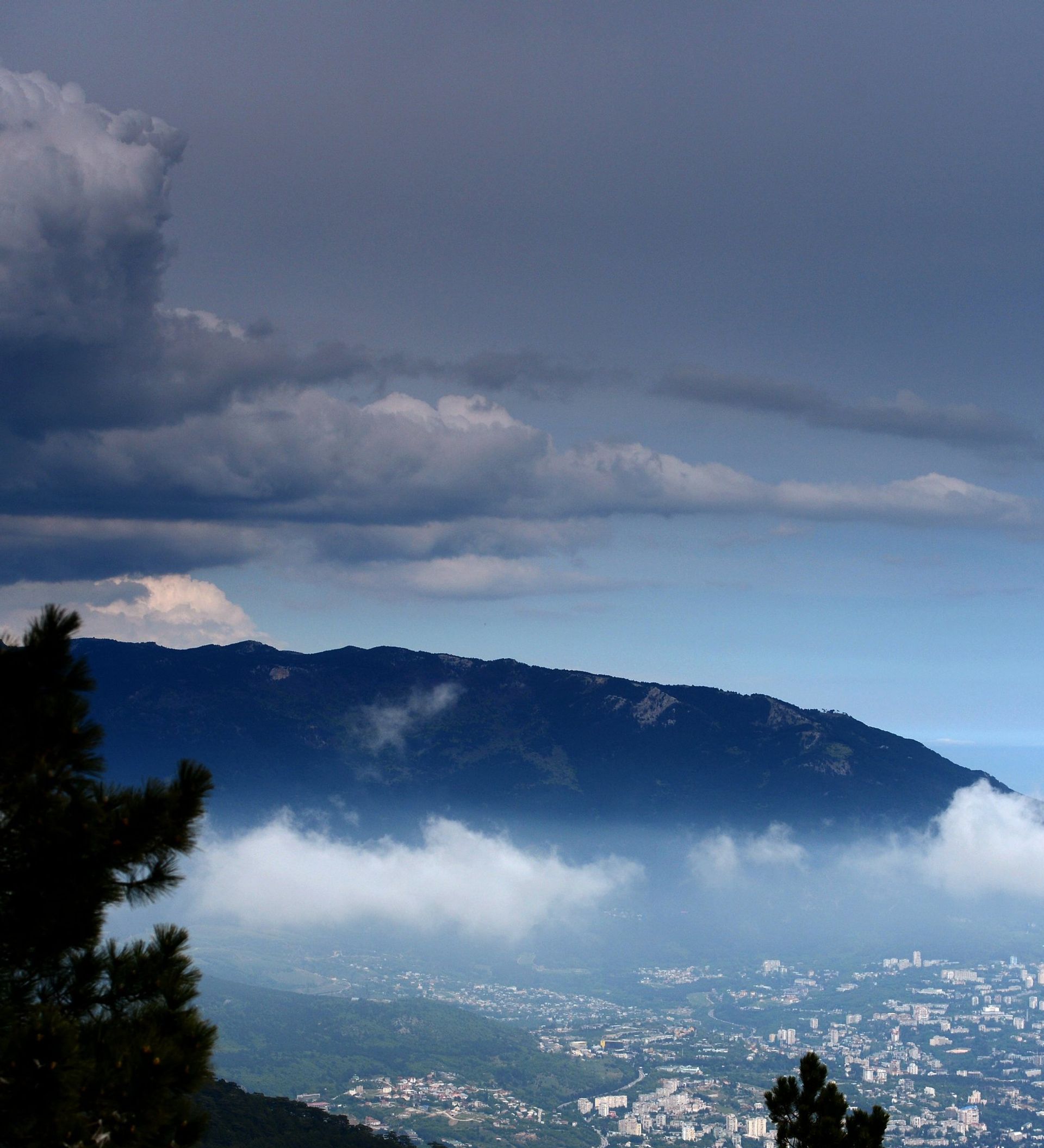
Above: A view of Yalta city from the Ai-Petri Mountain.
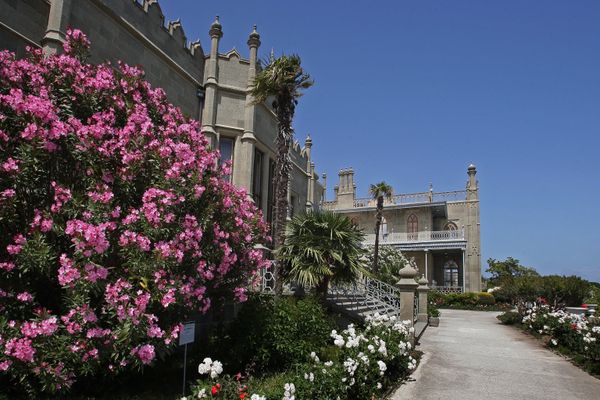
The Vorontsov Palace is a historic palace situated at the foot of the Crimean Mountains near the town of Alupka. It is one of the oldest and largest palaces in Crimea, and one of the most popular tourist attractions on the peninsula. The palace was built between 1828 and 1848 for Russian Prince Mikhail Vorontsov. It was visited by many members of the Russian Empire’s elite ruling class.
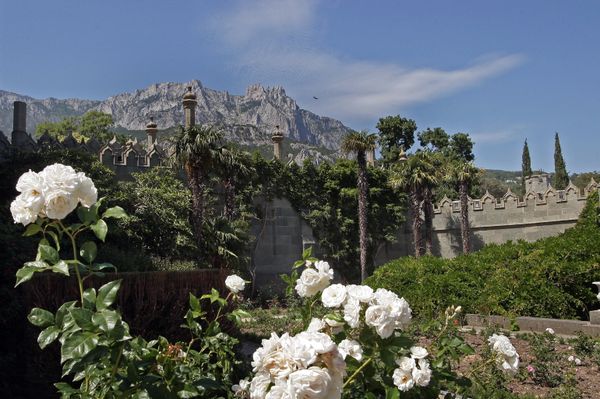
An important feature of the Vorontsov Palace is the adjoining park, which features 40 hectares of greenery and forestry. Today, the Vorontsov Palace is a part of the "Alupka Palace-Park Complex," a national historical preserve including the Massandra Palace.
Above: A view of Ay-Petri mountain range in Alupka.
Above: A view of Ay-Petri mountain range in Alupka.
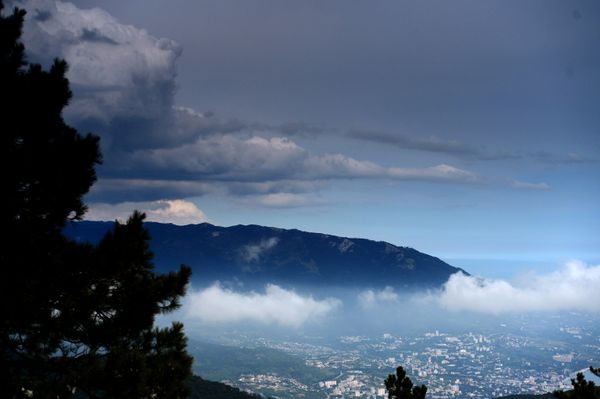
The Miskhor-Ai-Petri cableway is a Crimean passenger cableway which connects the Ai-Petri Peak and Miskhor. The construction of the cableway began in 1967 and was completed in 1987.
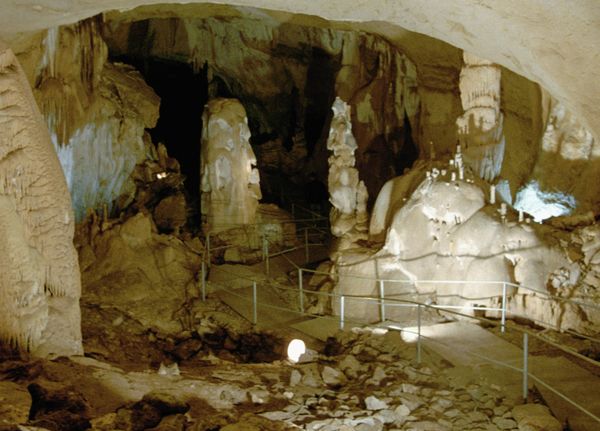
The Marble Caves are located at the lower plateau of Chatyr-Dag in Crimea. It is a popular tourist attraction and one of the most visited caves in Europe.
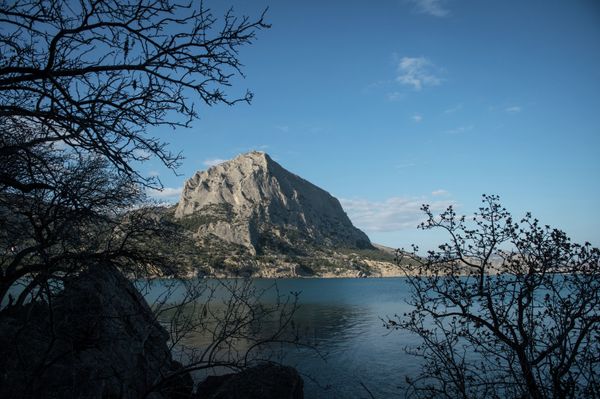
Above: Mount Sokol in the village of Novy Svet, Crimea.
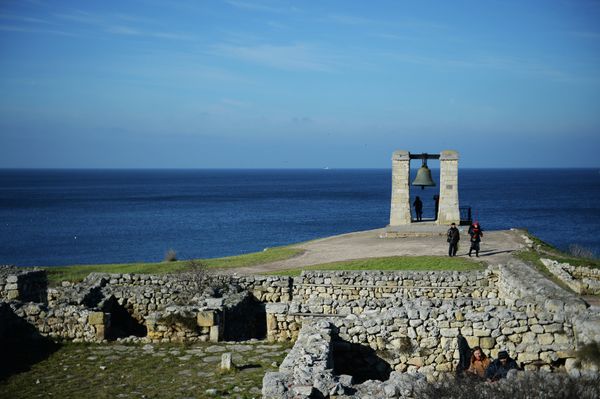
Chersonesus is an ancient Greek colony founded approximately 2,500 years ago in the southwestern part of the Crimean Peninsula. Now the site is part of the Chersonesus Tavrichesky National Reserve in Sevastopol. In 2013, Chersonesus was listed as a World Heritage Site by UNESCO.
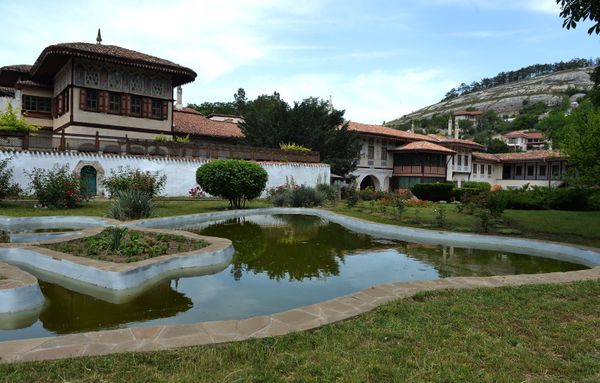
The Khan Palace is historical-architectural monument and part of the Bakhchisaray Historical and Cultural Park Khansaray. The palace is located in the old city in Bakhchisaray. The construction of the palace began in 1532 for the ruling house of Giray.
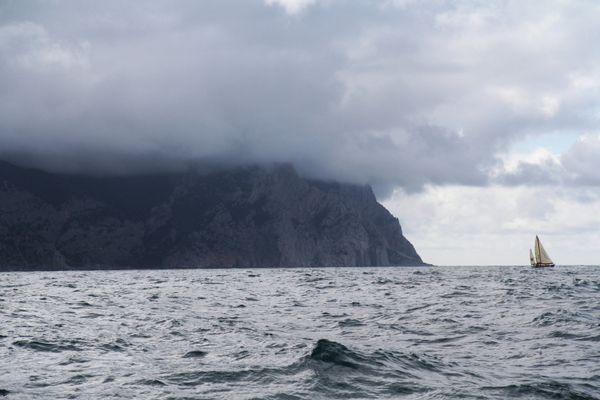
Above: A view of Cape Aya from Sevastopol.
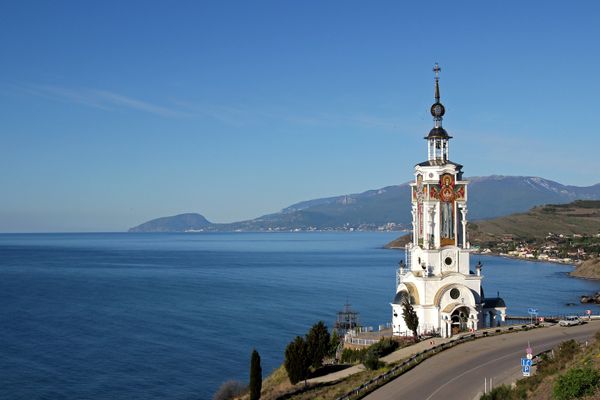
Above: A view of the St. Nicholas the Wonder Worker church/light house in the village of Malorechenskoye in the Crimea's Sudak District.