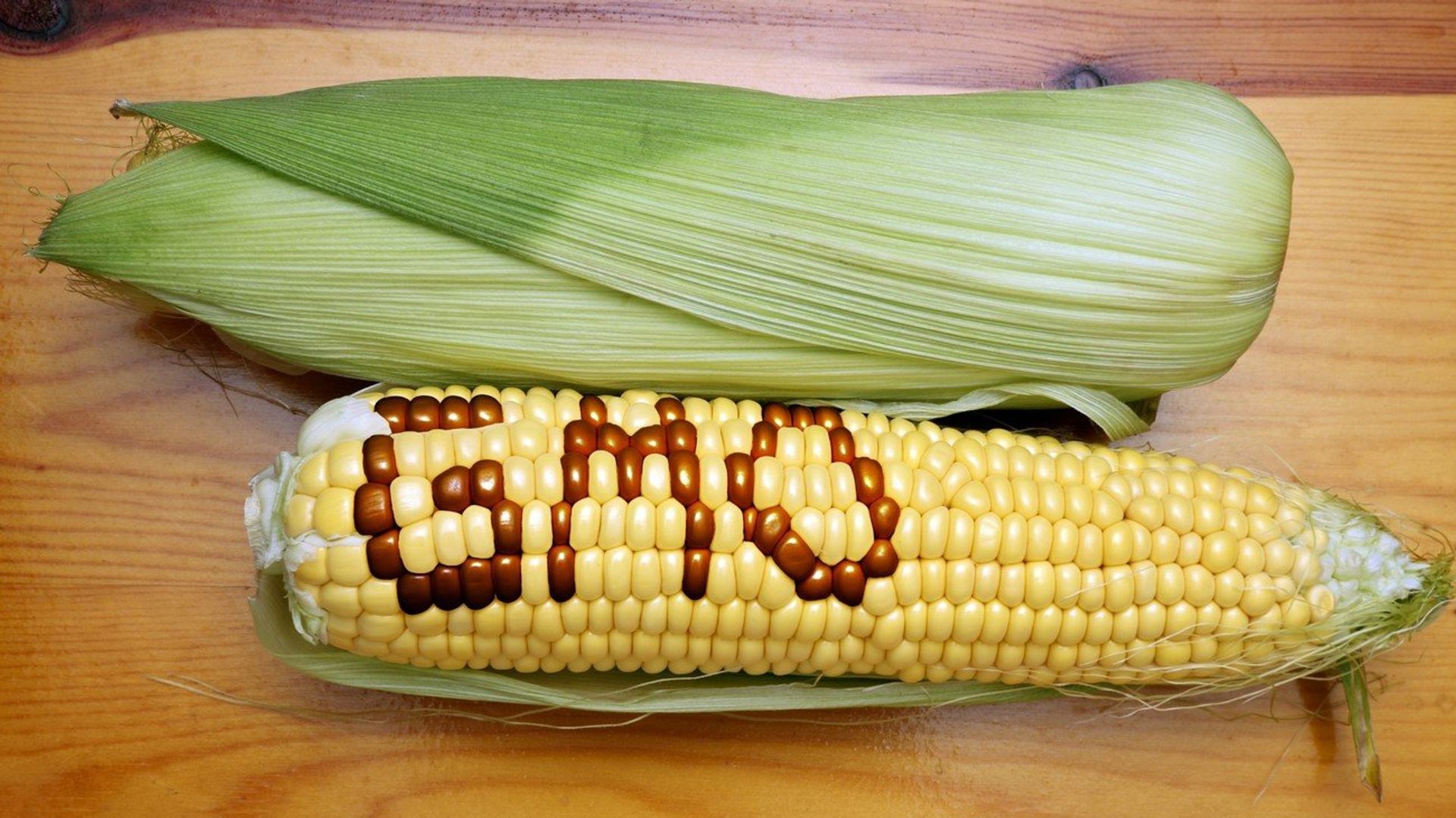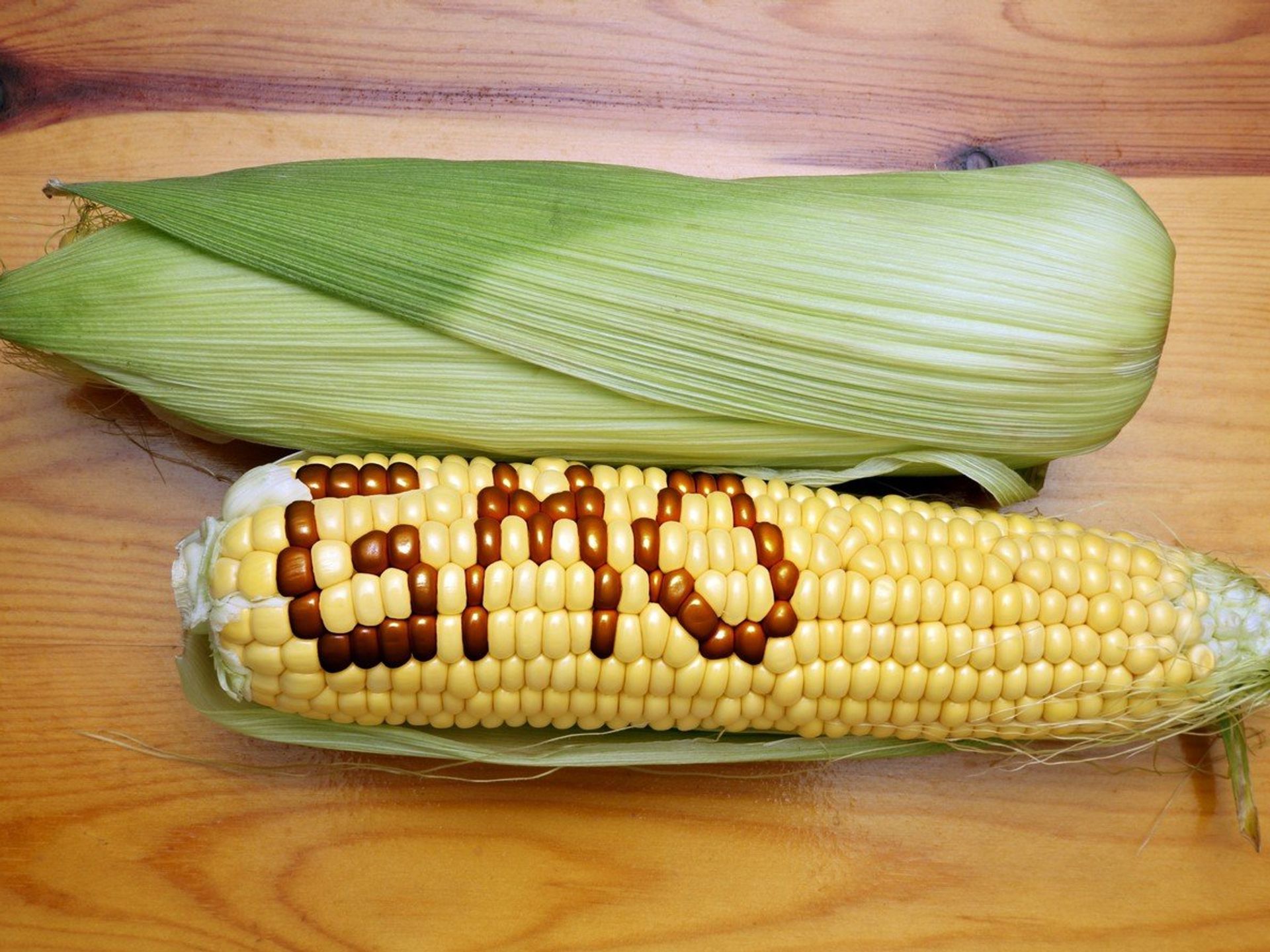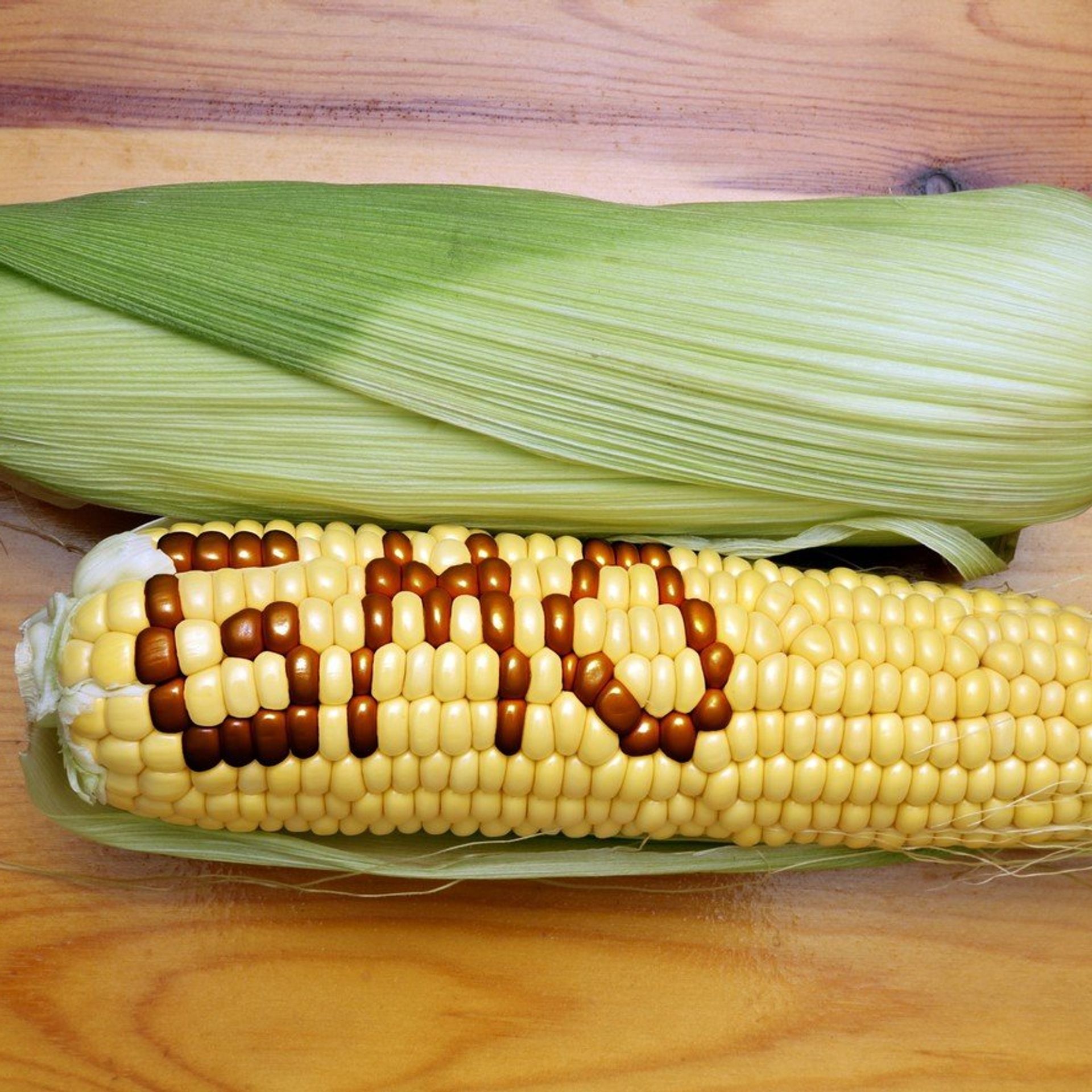
The Brazilian Technical Commission on Biosafety (CTNBio) legalized on Thursday the commercial development of GM eucalyptus amid a protest campaign over unknown ecological impacts of the technology, developed by FuturaGene, a wholly-owned subsidiary of Brazilian Suzano Pulp and Paper Company after a decade of experimentation.
"The Commission [CTNBio] systematically disregards the precautionary principle, including the urgent need for detailed studies of the various impacts of this dangerous technology, even though this violates the 2008 decision on GE [genetically engineered] trees made by the UN Convention on Biological Diversity (UN CBD), to which Brazil is a signatory," ecology activist Winnie Overbeek was quoted as saying on GJEP website on Thursday.
The UN Convention on Biological Diversity recognizes this threat and binds the signatories to consider the potential socio-economic impacts of GM trees and their potential impact on local communities. However, a CTNBio official in an email to an ecology Campaign Against GM trees states that "the release of this GM tree is solely a Brazilian question and no other country or group of countries has the right to interfere in our decision."
Defenders of GM eucalyptus production in Brazil explain that the new technology will provide economic, environmental and social benefits. It will increase competitiveness for the Brazilian forestry sector, enable using less land to produce more fiber, lower carbon emissions and reduce use of chemical fertilizers which, in turn, leaves the land for other purposes, such as conservation and food production.
Ecological watchdog statements offer that none of these promises can be tested before committing habitats to a threat of die-offs for indigenous tree species.