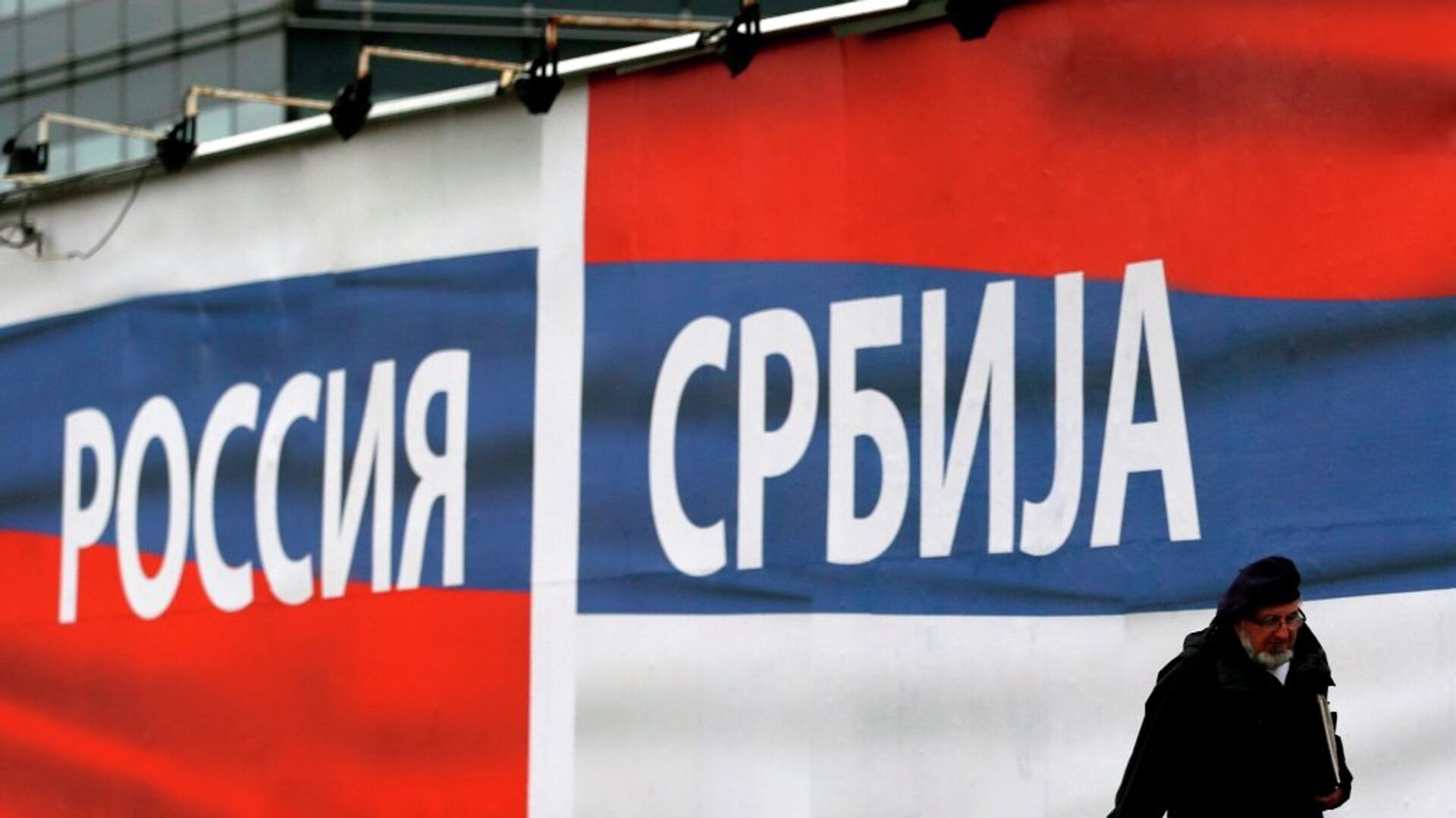
Following Vucic's visit to the US capital, a Belgrade forum heard a series of experts voice concerns over whether closer ties to the US would benefit the country. According one source close to the prime ministerial visit to Washington, US officials were more interested in Serbia reducing its energy dependence on Russia.
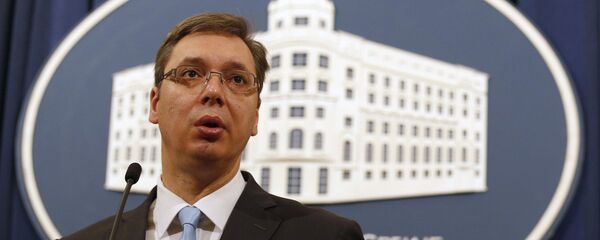
The Belgrade forum 'Contemporary US foreign policy in the Balkans and Eastern Europe' heard experts clash over US interests in the Balkans and whether Serbia should be increasing its ties with the US.
At the end of the Washington visit, Vucic and the US Ambassador to Serbia, Michael Kirby, agreed that "the visit of the Serbian prime minister to Washington was very successful and has considerably contributed to the improvement of the two countries' relations".
PM Aleksandar Vucic: #Serbia wants to preserve good relations with #Russia, but its strategic goal is to be part of #EU
— Johns Hopkins | SAIS (@SAISHopkins) June 4, 2015
The United States has shown respect toward Serbia," said Vucic. Kirby "stressed that after the talks between Prime Minister Vucic in Washington it is clear that the US supports Serbia's European path and will encourage EU to open the first chapters in the talks on its accession."
"A Strong Serbia Does Not Fit Into the American Design"
However, a source close to Vucic's ruling Serbian Progressive Party told the Balkan Investigative Reporting Network (BIRN) that the US had set several conditions for Belgrade to fulfill in order to ensure greater investment in Serbia and Washington's support for Serbia's EU integration.
Vucic's government was also asked to follow European Union policy on relations with Russia.
Vladimir Trapara, from the Belgrade Institute for International Politics and Economics, told BIRN the US requests clashed with Serbian interests:
"The United States does not really have a problem with Russia in the Balkans, they just have a problem with Serbia. A strong Serbia does not fit into the American design of the Balkans… If the political class and the people are united, Serbia has a chance to avoid American demands."
Disagreeing, a former Serbian ambassador to the US, Ivan Vujacic, said the US was putting no special pressure on Serbia and that Washington had left the Balkan integration process with the EU to its European partners.
"The EU is a strategic orientation for Serbia. If we go there, then we fit into the American vision for the Balkans," Vujacic said.
"Washington wants to keep peace in the Balkans, as well as to integrate the whole region into the EU when respective countries meet the required standards."