The Great Patriotic War broke out 74 years ago, on June 22, 1941. Without warning, Nazi Germany attacked the Soviet Union early in the morning. The war claimed the lives of 27 million Soviet people. On June 22, Russia and former Soviet republic commemorate the Day of Remembrance and Mourning. Our photo gallery chronicles the first days of the deadliest military conflict in history
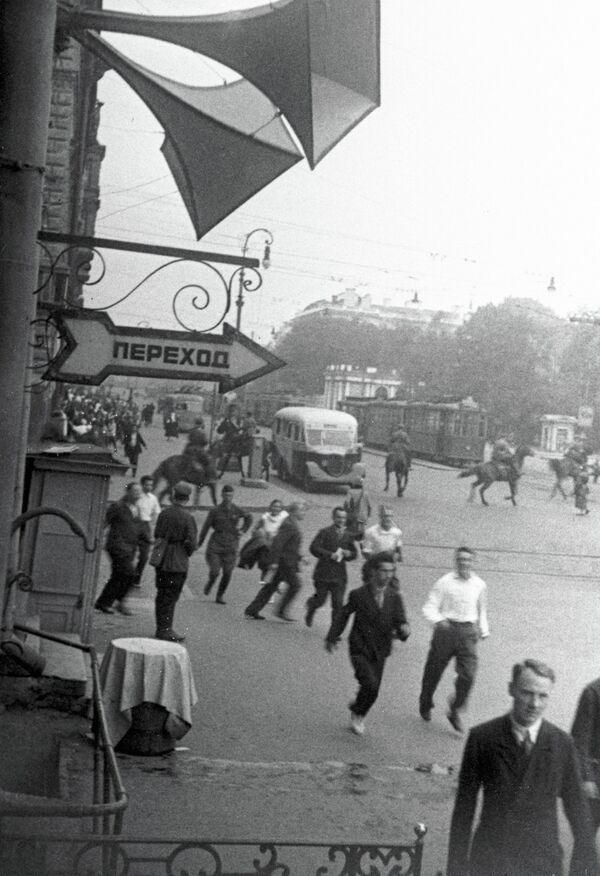
At 4:00 a.m. on June 22, 1941, the Nazi air forces started bombing Soviet cities in Ukraine, Belarus and the Baltic republics. At 12:00 p.m., Soviet Foreign Minister Vyacheslav Molotov announced news of the war in his radio speech to the Soviet people.
Above: Residents of Leningrad running through the streets in the early days of the Great Patriotic War.
Above: Residents of Leningrad running through the streets in the early days of the Great Patriotic War.
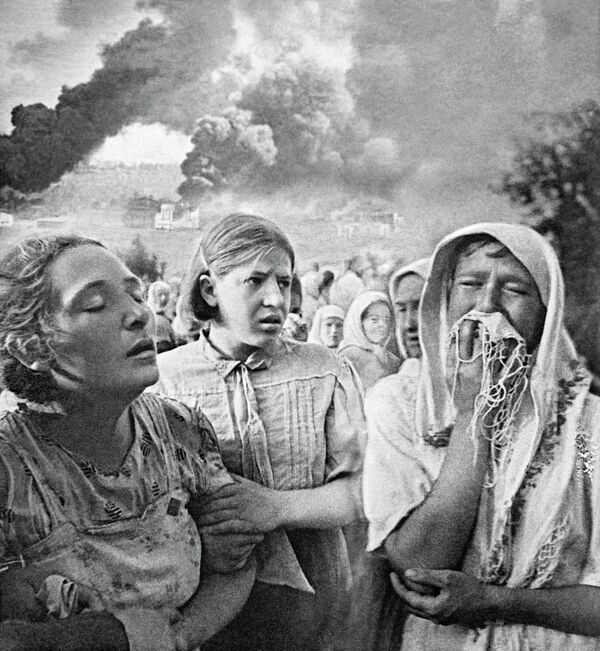
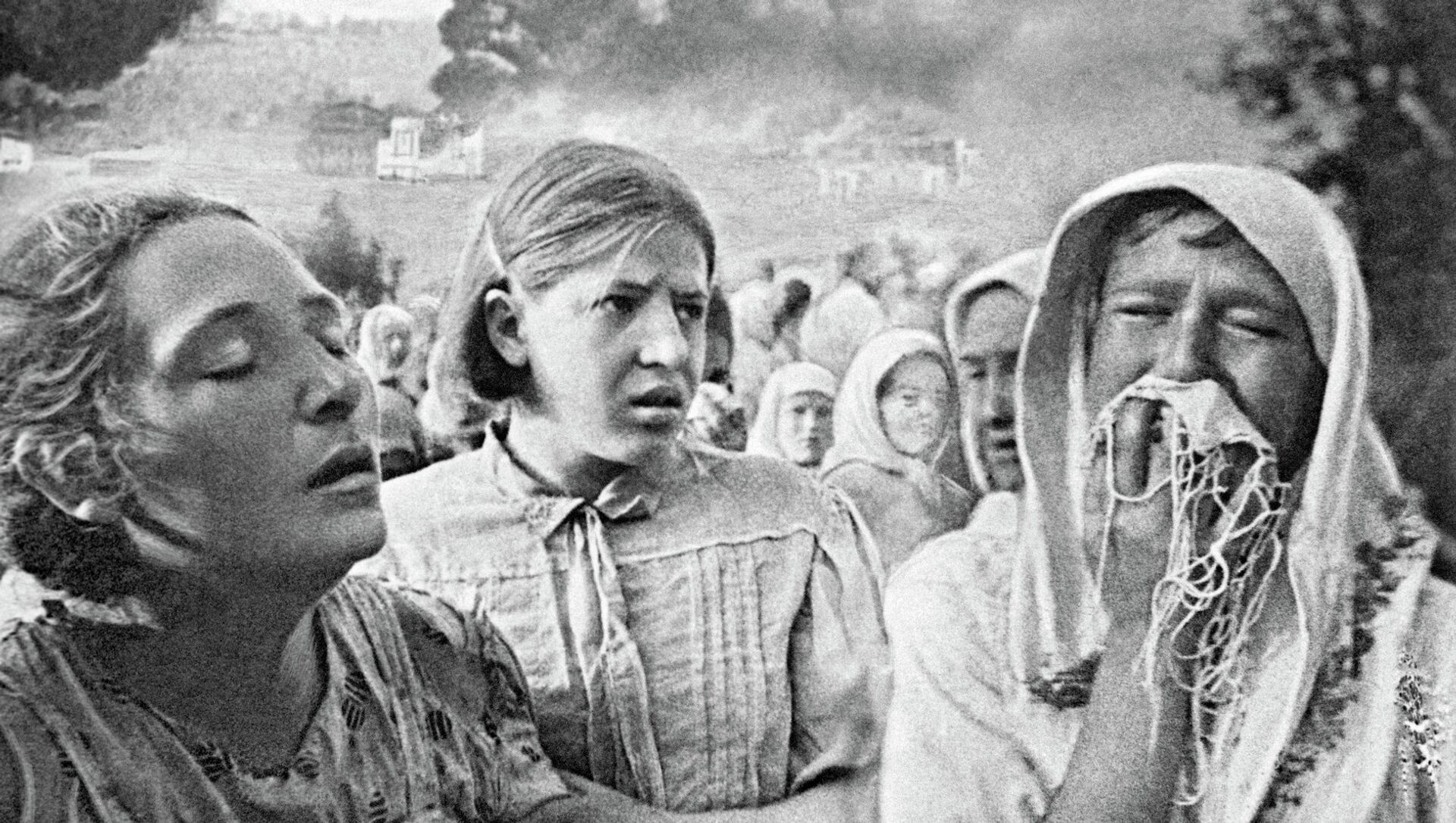
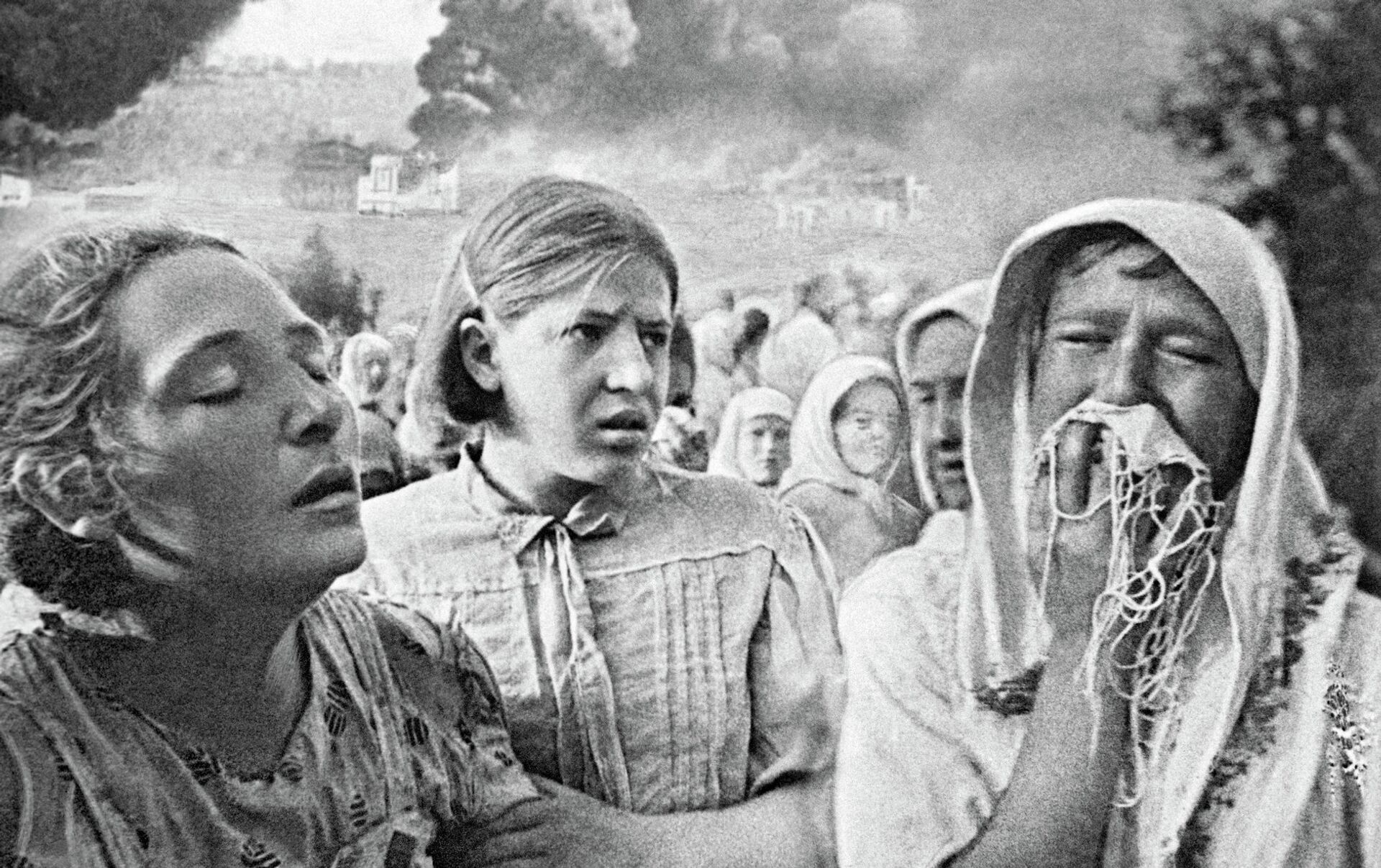
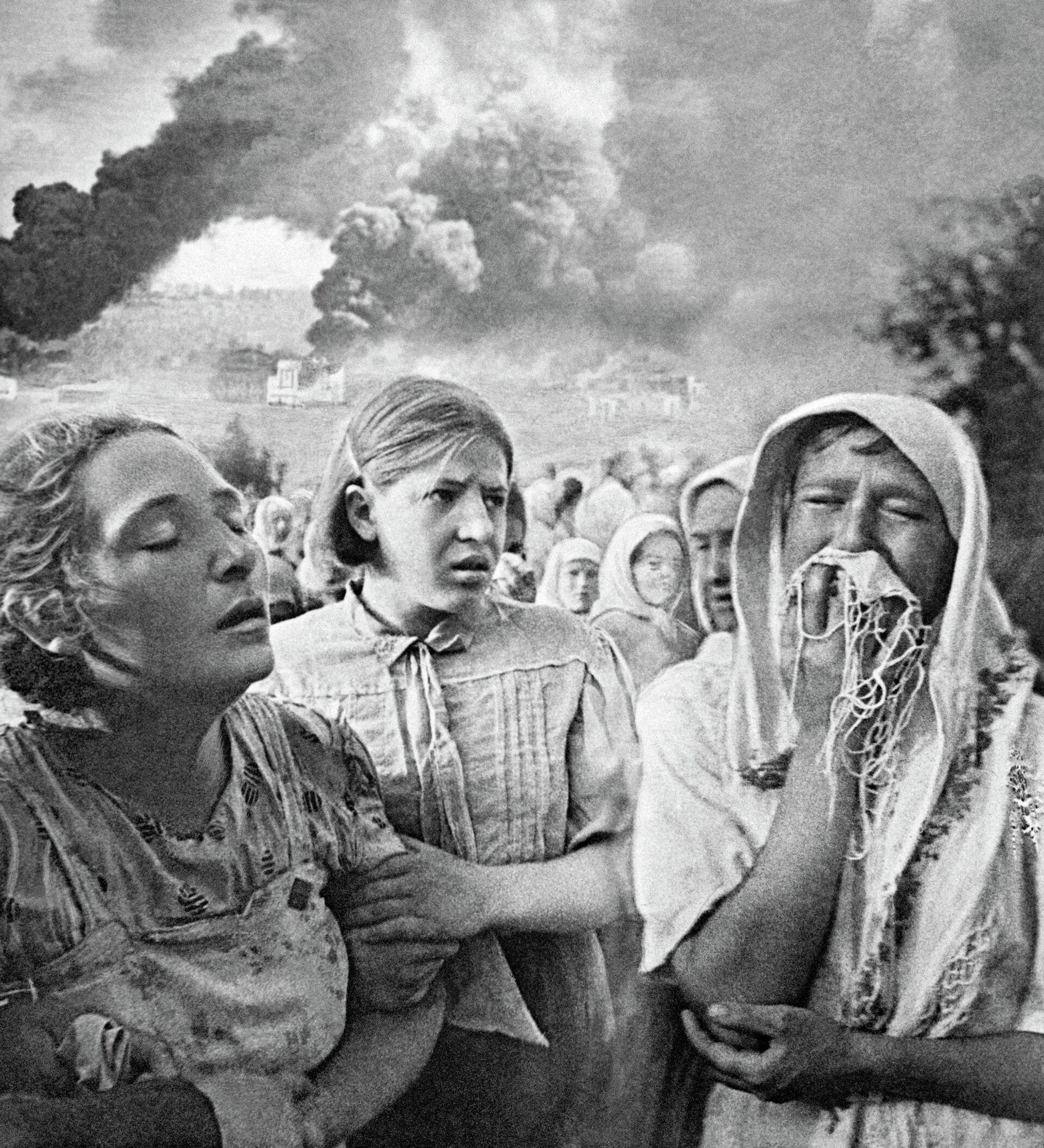
During the first days of the war, Kiev and its surrounding areas were bombed non-stop due to the military airfields located there. On June 22, 301 out of 2,000 military aircraft of the Kiev district were destroyed.
Above: Grushki Distric, Kiev. June 23, 1941.
Above: Grushki Distric, Kiev. June 23, 1941.
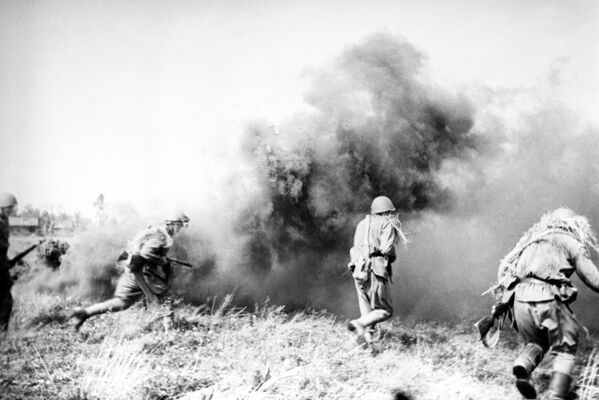
On the night of June 22, 1941, Nazi forces began crossing Bug River. The fiercest fighting broke out near the city of Brest in Belarus.
Above: Fighting in Belarus, 1941.
Above: Fighting in Belarus, 1941.
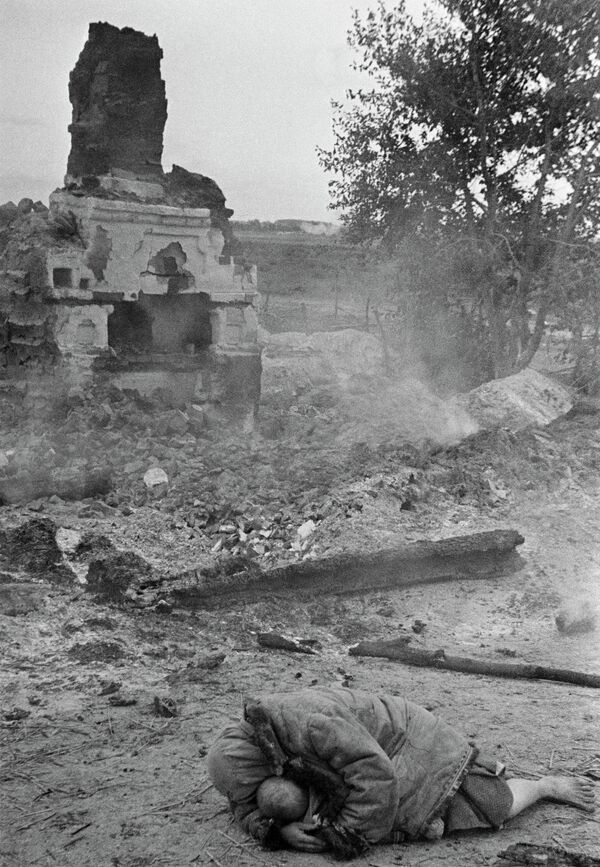
The Soviet government declared a large-scale mobilization campaign across the country. By July 1, a total of 5.3 million people were drafted for the military.
Above: Mother sheltering her child during a bombing. The village of Krasnaya Sloboda, the Bryansk Front, 1941.
Above: Mother sheltering her child during a bombing. The village of Krasnaya Sloboda, the Bryansk Front, 1941.
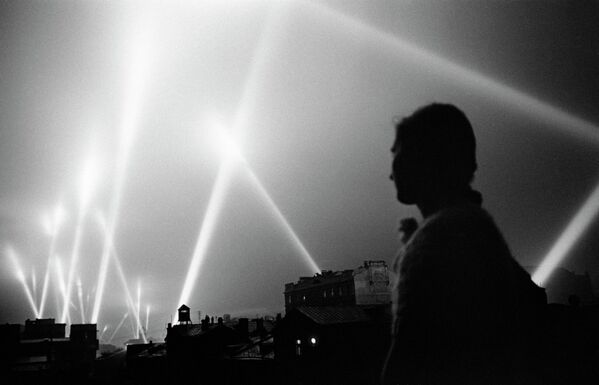
The enemy forces advanced rapidly to the east. By July 9, they moved 500 kilometers forward to the Western Front and occupied all of Belarus.
Above: Air-defense forces searchlights illuminating the sky over Moscow, June 1941.
Above: Air-defense forces searchlights illuminating the sky over Moscow, June 1941.
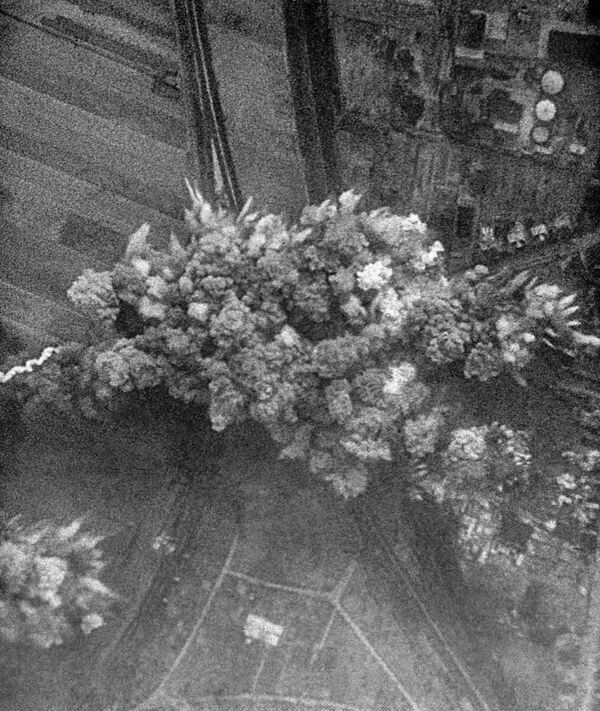
The codename for Nazi Germany’s invasion of the Soviet Union was Operation Barbarossa (Directive No. 21). It was issued by Adolf Hitler on December 18, 1940.
Above: German military aircraft bombing Soviet cities, June 22, 1941.
Above: German military aircraft bombing Soviet cities, June 22, 1941.
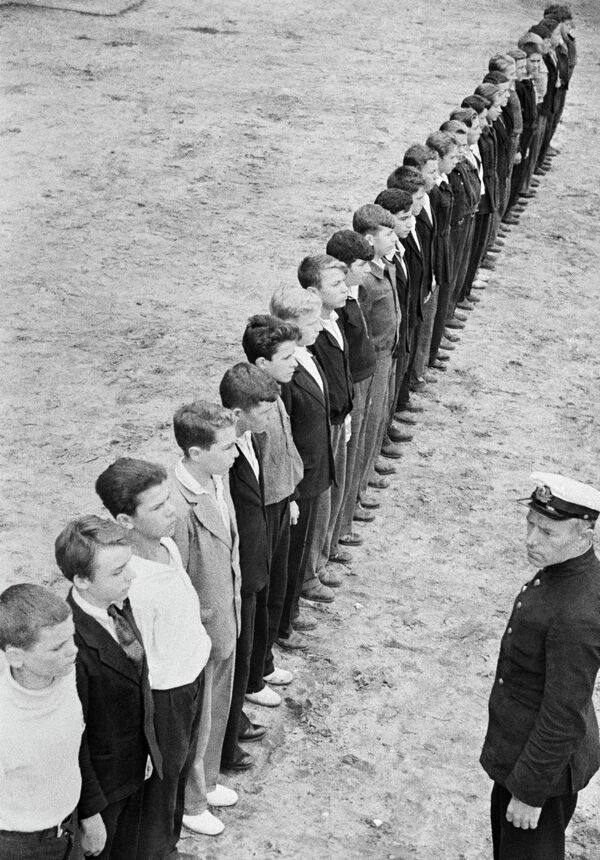
Above: Training at a military academy in Moscow, July, 1941.
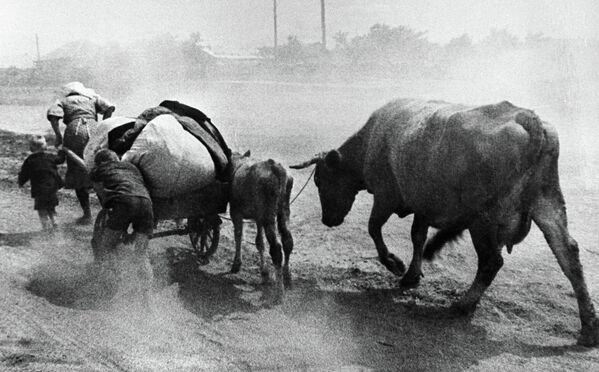
During his address to the nation, Molotov said 200 people were killed during the June 22 bombardments. The real number of killed on the first day of war is unknown.
Above: People leaving their homes to escape occupation by the Nazi forces.
Above: People leaving their homes to escape occupation by the Nazi forces.
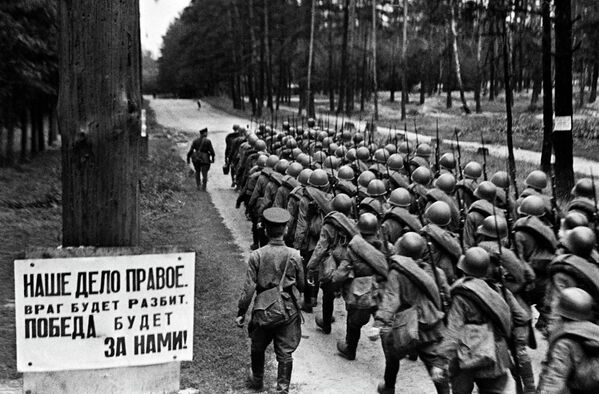
By the end of 1941, more than 14 million people were drafted into the army.
Above: Recruits leaving for the front during the mobilization campaign, Moscow, June 23, 1941.
Above: Recruits leaving for the front during the mobilization campaign, Moscow, June 23, 1941.
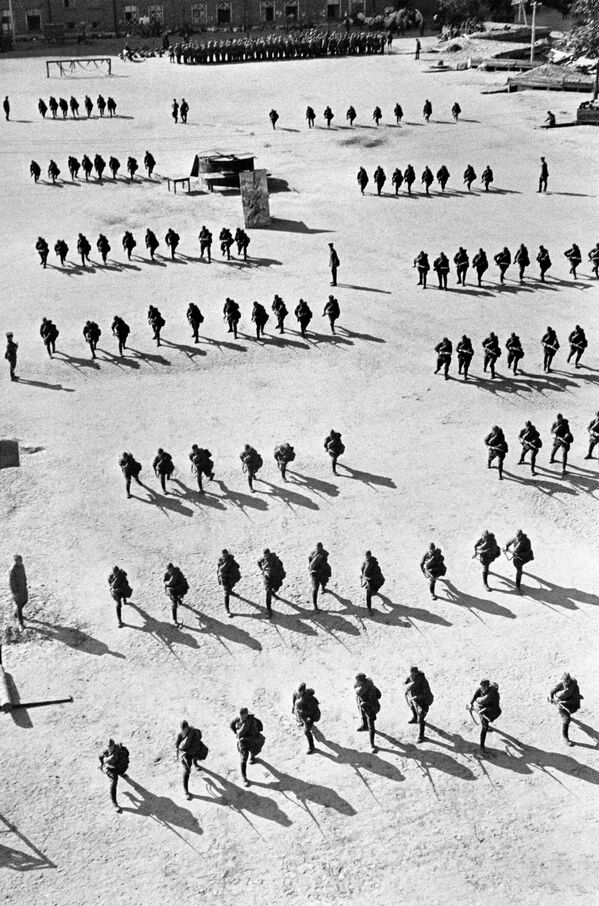
Above: Training of reserve forces. The barracks of the Voroshilov Regiment, Moscow, August 1941.
On July 1, the formation of militia units began in Moscow. In the first four days in Moscow and the Moscow Region over 300,000 volunteers applied.
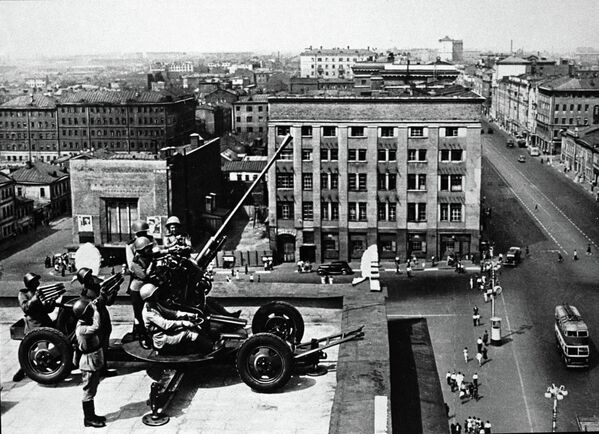
Above: Anti-aircraft units in Moscow, 1941.
Above: Anti-aircraft units in Moscow, 1941.
The defensive operation in Belarus claimed the lives of nearly 418,000 Soviet people.
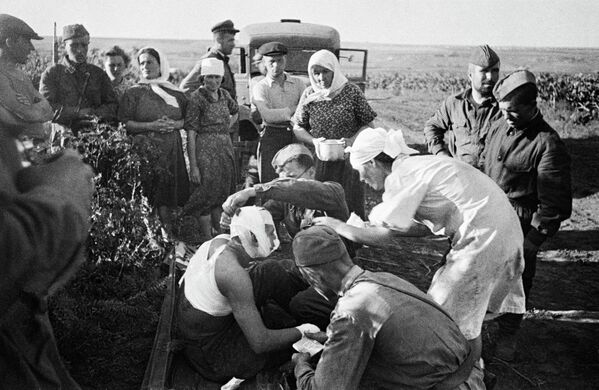
Above: Nurses helping wounded soldiers after a Nazi bombing near Chisinau.
Above: Nurses helping wounded soldiers after a Nazi bombing near Chisinau.
"Our case is just. The enemy shall be defeated. Victory will be ours," with these famous words Molotov ended his speech to the Soviet people.
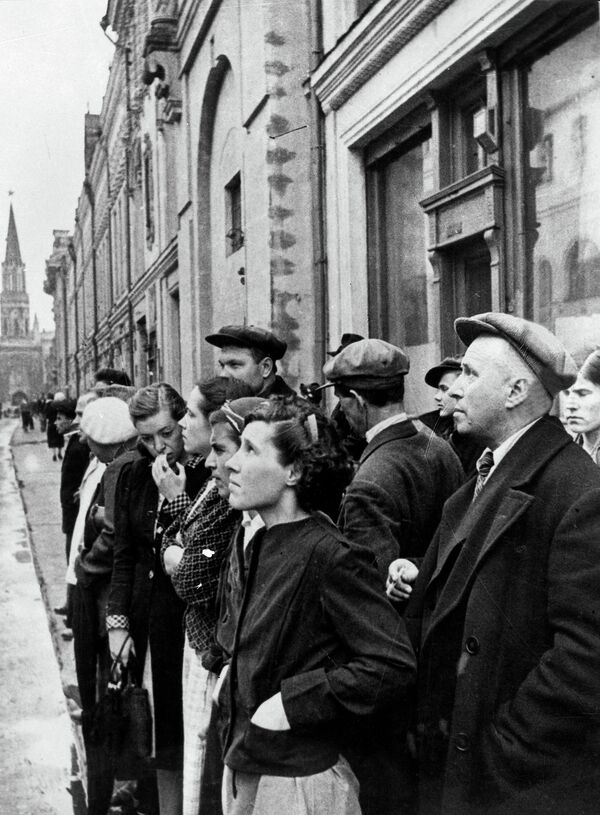
Above: Moscow residents listening to the June 22 government radio announcement of the Nazi invasion of the USSR.
Above: Moscow residents listening to the June 22 government radio announcement of the Nazi invasion of the USSR.
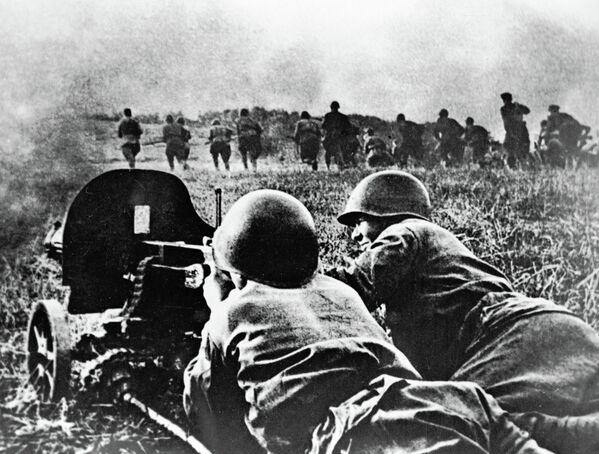
Above: Soldiers firing a machine-gun.
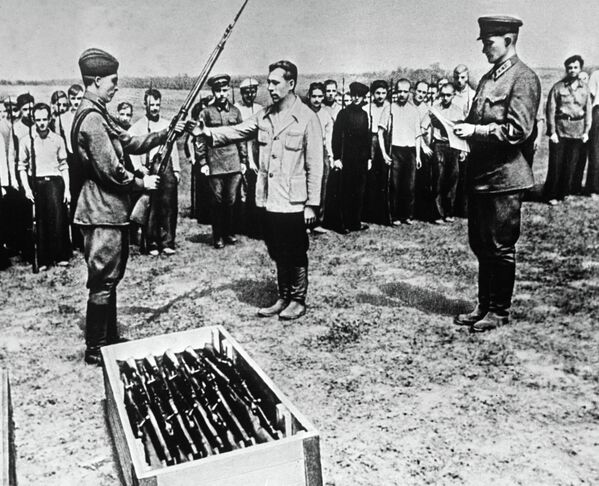
Above: A Red Army officer handing weapons to Moscow militiamen.
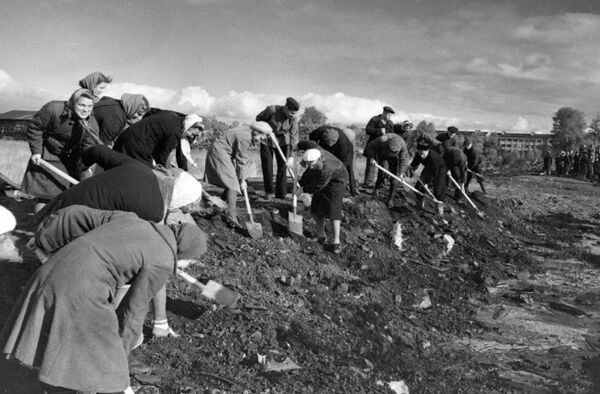
Despite the fact that by the end of 1941, Nazi German forces advanced up to 1,200 km in Soviet territory and occupied a number of strategic regions, they were stopped near Leningrad, Moscow and Rostov-on-Don. The Soviet Army prevented the enemy from achieving the strategic goals of Operation Barbarossa.
Above: Workers and residents building fortifications outside Leningrad.
Above: Workers and residents building fortifications outside Leningrad.