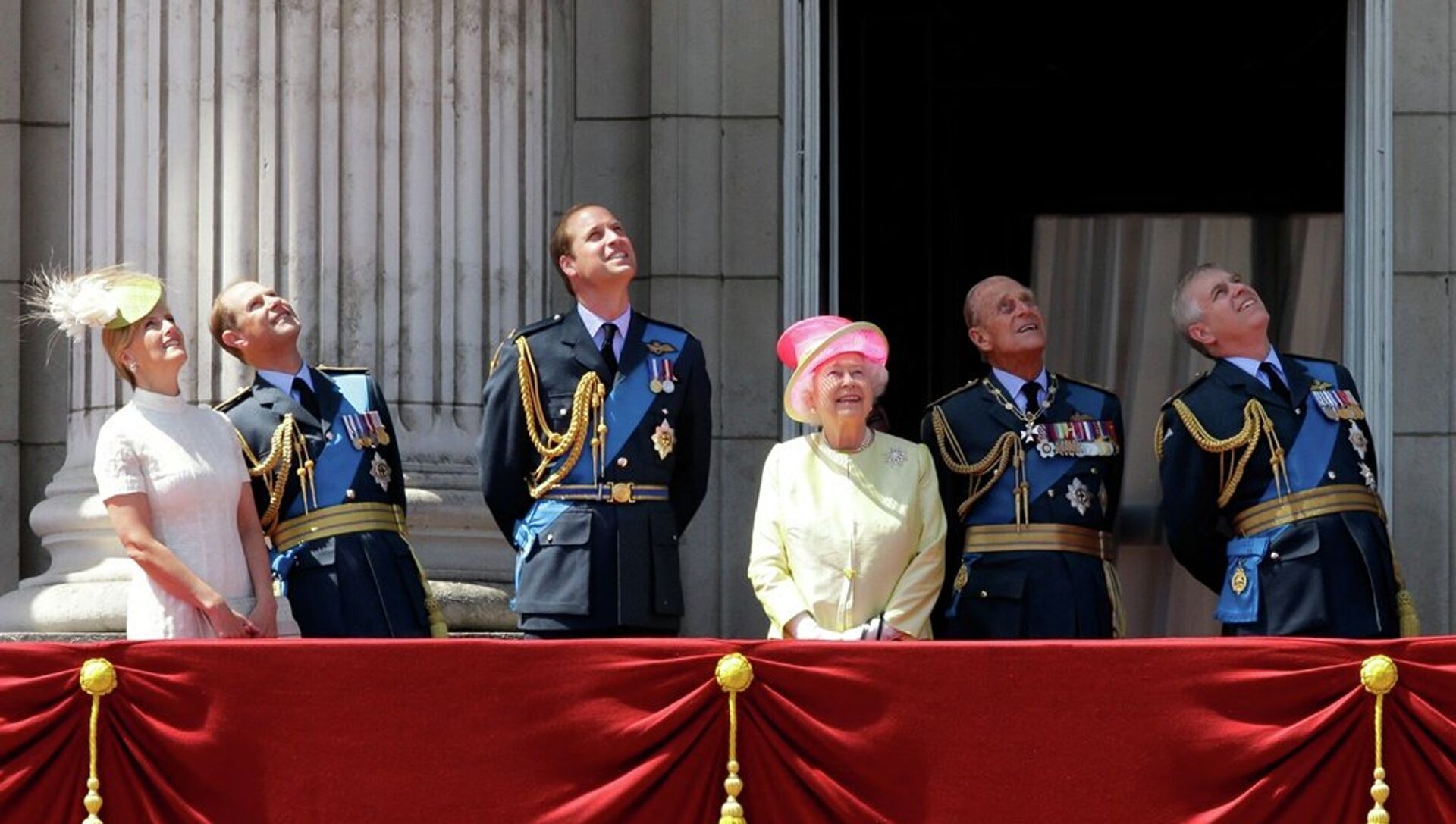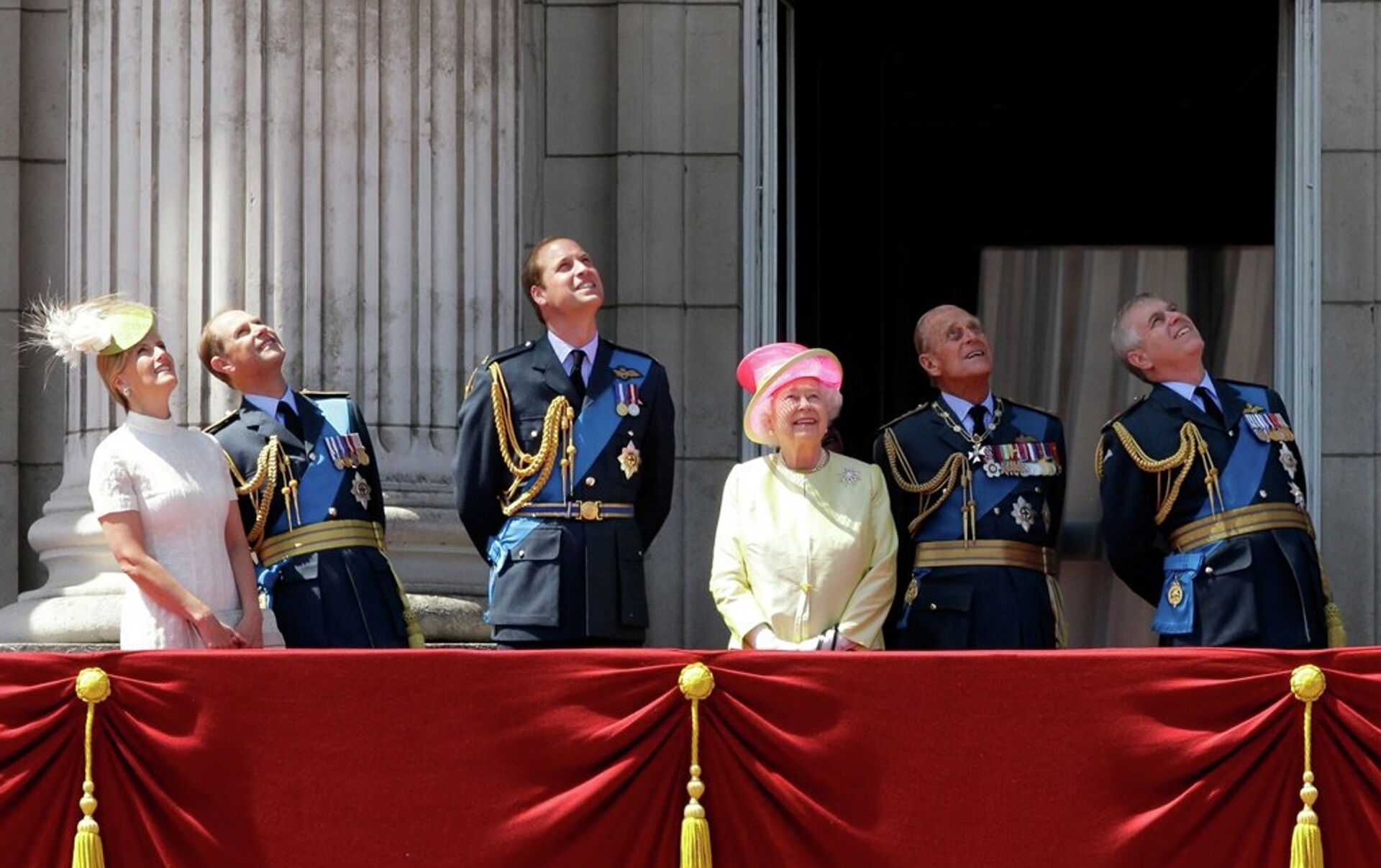
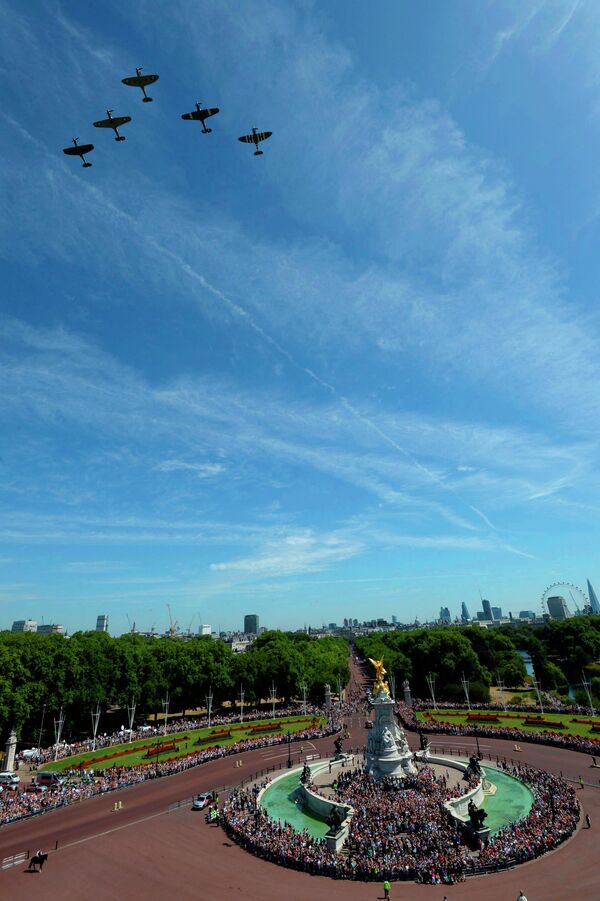
The 75th anniversary of the Battle of Britain was marked on Friday with a fly past of aircraft, including four Spitfires, two Hurricanes and four modern-day Typhoons, to commemorate the moment the Second World War took a new turn, forcing Hitler to call off a sea invasion to invade Britain.
Today marks 75 years since the #BattleOfBritain. Here's the line-up for the @RoyalAirForceUK flypast at 11:45 #BoB75 pic.twitter.com/3jHBCbZaXN
— Ministry of Defence (@DefenceHQ) July 10, 2015
But it also marked that beginning of a new tactical option – that of air supremacy, which has been used by military strategists ever since.
The Battle of Britain was the first ever total air warfare campaign undertaken in military history. Prior to the historic event, there had been aerial dogfights and massive use of strategic bombing. However, June 10, 1940 marked the start of a new era.
British Royal Air Force (RAF) long-distance bombers had been escorted by fighters to target strategic sites in Germany and many other places. However, Hitler hatched a plan to use his Luftwaffe to conduct a massive onslaught against Britain’s air force, as a precursor to Operation Sea Lion, which would have been the sea-led invasion of Britain, following the fall of France.
Blitzkrieg to Air Supremacy – Hitler’s Dream
Hitler’s Luftwaffe has carried out numerous Blitzkrieg offensives against Poland, Denmark, Norway, France, Belgium and the Netherlands. However, the tactics were changed to a new strategic role to take out the RAF and dominate the skies, allowing for a land and sea invasion of Britain.
Members of the Royal Family meet the six remaining @RoyalAirForceUK #BattleofBritain Pilots @TheRAFClub #BoB75 pic.twitter.com/eHuDPBhYfL
— BritishMonarchy (@BritishMonarchy) July 10, 2015
What followed was the most sustained bombing of UK ports and military airfields ever mounted. The RAF countered, as Hurricanes, Spitfires and other British aircraft fought over the skies against Messerschmitt 109s and 110s, among others. British bombers, such as the Wellington, took on their German counterparts, including the Heinkel He 111, Dornier Do 17, and the Junkers Ju 88.
In the end, the RAF – with pilots of many nationalities, from Canada, Poland, New Zealand, Czechoslovakia, Belgium and the US, among many others – overpowered the German Luftwaffe in the battle of the air, forcing Hitler to cancel his invasion of Britain. It marked one of the main turning points of the war.
The importance of the battle has not been lost on military commanders to this day. In the India and Pakistan wars in 1965 and 1971, each country’s air supremacy was challenged. The same was true in the following campaigns between Israel and its Arabic neighbors, as well as in the Vietnam wars.
World Famous Royal Air Force Aerobatic Team, the Red Arrows at @airtattoo #RIAT2015 pic.twitter.com/GjcpgYtHyV
— Royal Air Force (@RoyalAirForceUK) July 10, 2015
The principle of control of the skies has been set in 1940 as a means to dominate ground warfare. The 1990-1 Gulf War began with an extensive aerial bombing campaign with more than 100,000 sorties, dropping 88,500 tons of bombs, destroying military and civilian infrastructure.
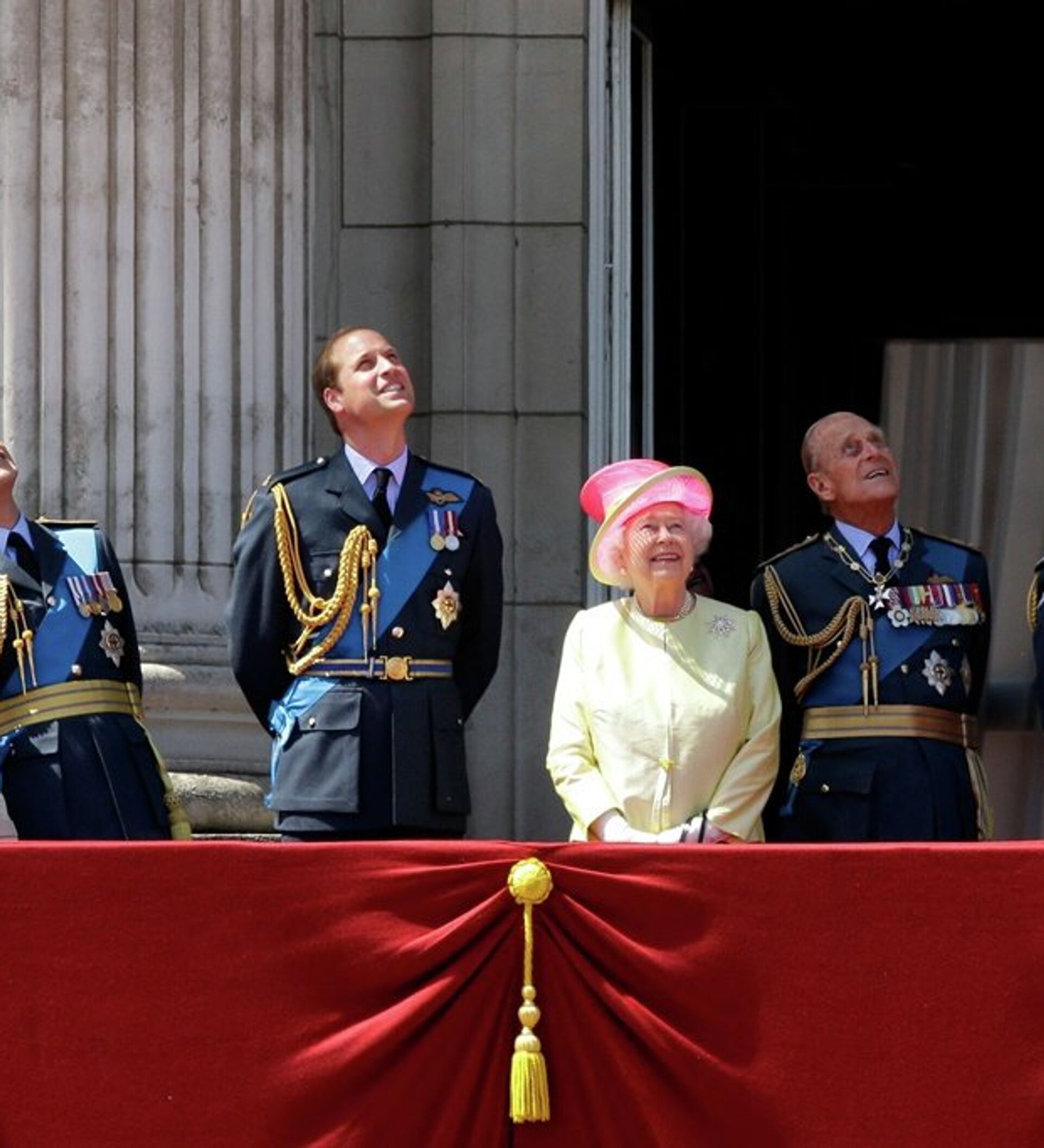
As Spitfires and Hurricanes flew over London’s Buckingham Palace on Friday – watched by Queen Elizabeth II and members of the Royal Family – many remembered the lives lost and the courage shown by so those who gave their lot to prevent Hitler’s advance, which would eventually define a new Europe and a new military strategy of air supremacy.