Mr Essid said the 2011 UK and French-led military intervention in Libya was a key factor that led to the destabilization of the region and helped to create an environment where Islamic extremist movements could flourish.
The PM said that while Britain and other Western allies weren’t solely to blame for the current situation in Libya, they were "part of the problem," after conducting air raids against the forces of former Libyan leader Muammar Gaddafi.
.@Habib_essid blames Western intervention in Libya for destabilising Tunisia http://t.co/JJd23rE6hN pic.twitter.com/0epS5BJ4ur
— Youssef Taha (@Youssef_Taha) August 6, 2015
Since the overthrow of Gaddafi Libya has been locked in a vicious civil war, with rival groups engaged in heavy fighting with government forces.
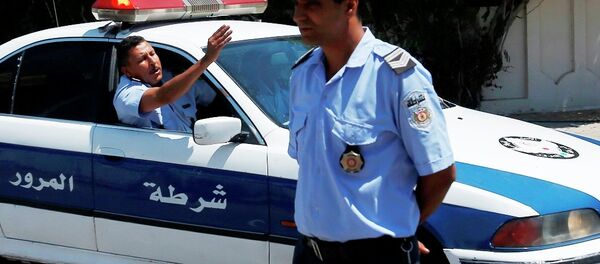
The extent of the fighting has seen the country’s internationally recognized government flee the capital of Tripoli and set up office in Tobruk, while the conflict has also created a huge humanitarian crisis with increasing numbers of desperate civilians risking their lives to travel to Europe across the Mediterranean.
Political, Not Military Solution Needed
As a result of the previous Western intervention, Essid said the UK has a responsibility to help Libya’s neighboring countries — like Tunisia — protect its borders, telling the Independent that "terrorism has no borders". He said:
"It’s the only success story of the Arab Spring. The success of Tunisia is important for everyone."
Despite calling for the UK and other Western countries to help secure the region, Mr Essuid said that he was "against all military intervention in Libya," saying that the current situation is largely down to the aftermath of military actions. He said:
"We consider that the current situation is the result of the [2011] intervention, which created chaos. The solution must be a political solution."
Tunisia’s calls for a political solution to the ongoing violence in North Africa and the Middle East is also at odds with the West’s strategy in the region, with the US-led coalition undertaking an air campaign against ISIL targets in Syria and Iraq.

While many have advocated the bombing of Islamic extremist groups like ISIL, others have argued that failing to negotiate and join forces with Syrian President Bashar al-Assad has been a key factor in prolonging the conflict in Syria, as Western support for anti-government, anti-ISIL rebel groups has only splintered the conflict and allowed the influence of extremist groups to grow.
Western officials have refused to cooperate with Assad, following claims that Syrian government forces used chemical weapons against rebel groups and civilians during fighting, however the Syrian government has denied the allegations.
Concerns Over Tunisia’s Security Services
Mr Essid’s comments about the UK’s responsibility and impact in facilitating the spread of terror come as Tunisia faces its own battle to combat the threat of Islamic extremists, after 60 people were killed in two separate terrorist attacks at a resort in Sousse in June, and at Tunis’ Bardo museum in March.
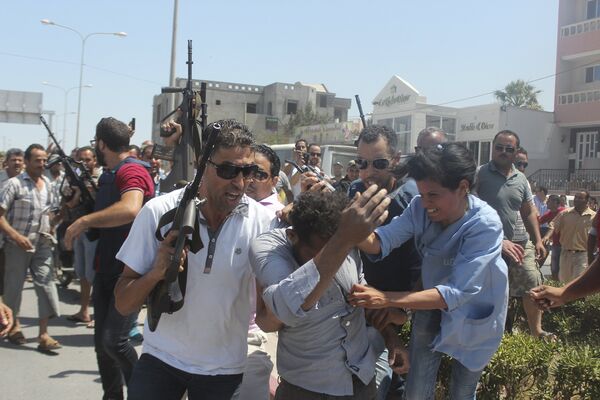
UK officials this week said they had established a "strong" link between the two incidents, amid pressure from British government officials to expand the country’s bombing campaign into Syria.
In a further worrying sign, a newly released report from the International Crisis Group found that Tunisia’s internal security is completely dysfunctional since the 2011 uprising.
The report states that there is widespread corruption in security services, with police officers taking bribes and allowing people across the border into Libya, which has in many cases worsened problems.
"During the subsequent transition, political parties took advantage of the discretionary power held by successive interior ministers in matters of recruitment, promotions and dismissals; police unions supposed to defend the institution have, for the most part, only worsened its internal divisions."