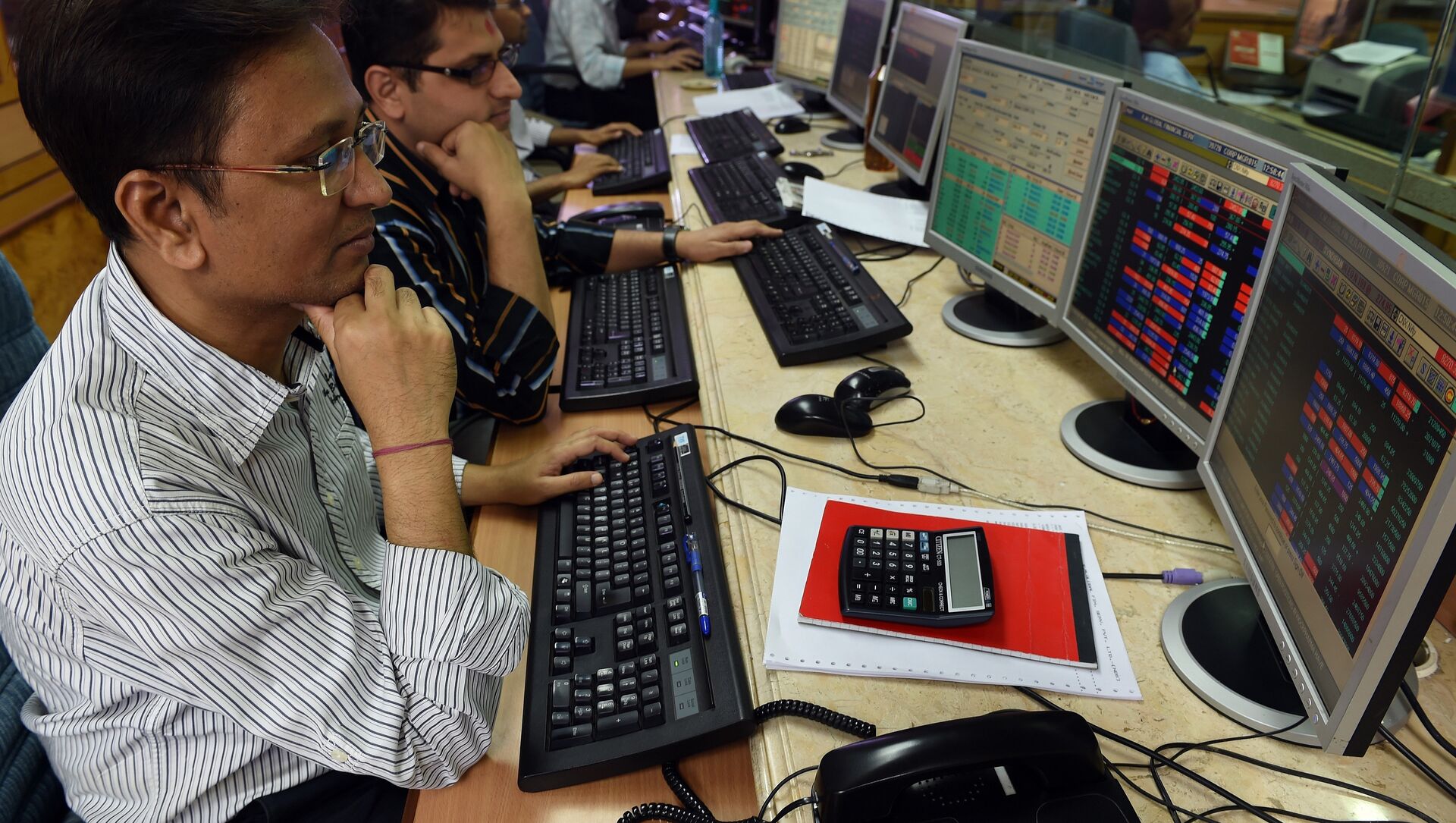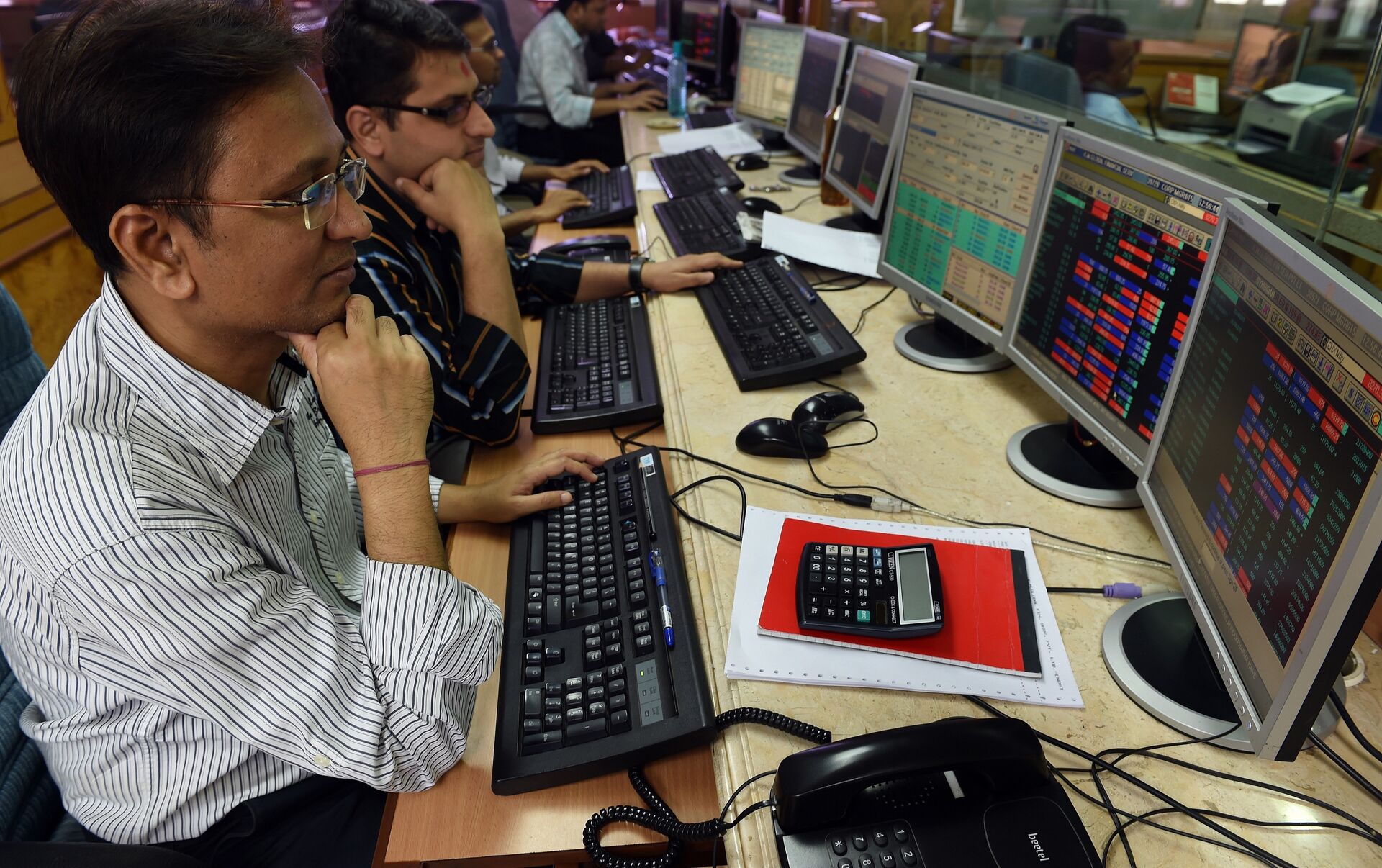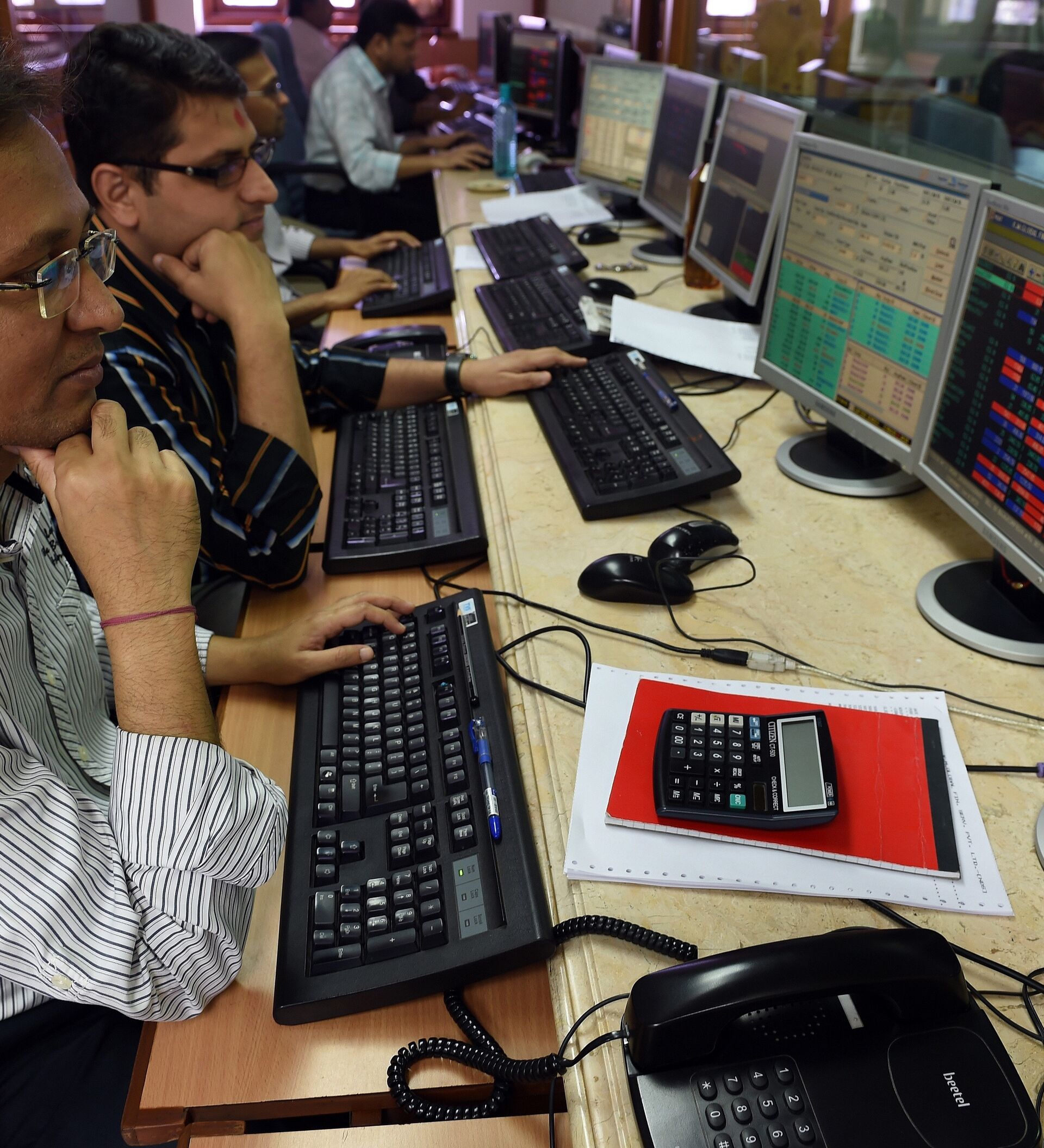
Kristian Rouz — India’s annualized GDP expanded only 7% during the April-to-June period, significantly below previous anticipations. Whilst international risks are to blame for the lion’s share of India’s slowdown, pressure on the government is mounting as public demands greater economic progress for the nation.

India’s growth slowed to that of mainland China, also at 7%, according to the official Beijing figures. However, India is not suffering of the structural shortcomings straining China’s expansion, hence the higher growth expectations.
India’s financial markets – stocks and national currency, most prominently – dropped in August along with other developing nations’ assets with higher exposure to global risks.
Meanwhile, domestic factors also impaired India’s growth. Land reform, devised by the government, is faltering due to the stiff resistance from farmers, while the implementation of new labor regulations and sales tax on goods and services has been delayed. Subsequently, the under-reformed economy is losing momentum.
The nearest-term outlook is all but optimistic, as gains in economic expansion are expected to be driven by governmental spending, hardly an efficient growth driver in a longer-term perspective.

There are hopes for a larger influx of investment and India has huge manufacturing potential due to the aforementioned competitive advantages.
However, amidst the current global financial turmoil, investment capital is sitting in the developed nations, whilst emerging markets suffer from underinvestment and capital flight. Still, the amount of foreign direct investment rose 30% year-on-year, a strong performance given the complicated global circumstances.
Indirect tax receipts also rose significantly, a possible signal of acceleration in manufacturing. Subsequently, India applied for its investment rating upgrade to S&P, which is currently at BBB-, a stable outlook.
India has one of Asia’s highest borrowing costs, which is holding back its economic expansion. Central bank governor Raghuram Rajan left base interest rate unchanged in August, suggesting fiscal and administrative reforms in order to promote growth.
Still, the yearly outlook for India is brighter than most developing nations. In 2015, India is anticipated to grow an average 7.5%, compared with mainland China’s 6.8%, Russia’s —4.5% and Brazil’s —2.3%. Emerging markets are poised to grow 4.2% on the average. The figure for developed nations is at 3.3% due to a robust expansion in the US and aggressive stimulus in the euro area and Japan.
Earlier this year, India became the world’s fastest-expanding economy, surpassing mainland China. As India’s manufacturing gains momentum, the nation’s growth might eventually become a determinant factor to the global commodities markets.
Still, the key to India’s success is its government’s commitment to reforms, otherwise, growth momentum might wane faster than one could imagine.