On the second Sunday of September, Russia marks Lake Baikal Day, a celebration of the world’s deepest lake and one of the world’s greatest natural monuments.
This year, due to local elections across Russia the holiday was moved to September 6.
Breathtaking views of the pearl of Siberia – in our photo gallery.
The story about Lake Baikal cannot be told without superlatives.
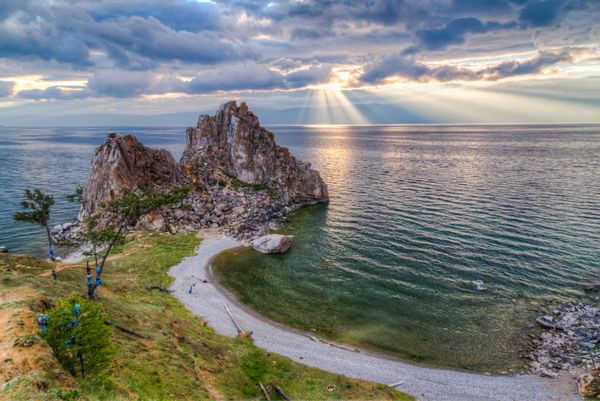
Above: The Shaman Rock, Lake Baikal.
Above: The Shaman Rock, Lake Baikal.
2/15
© Photo : Google Maps
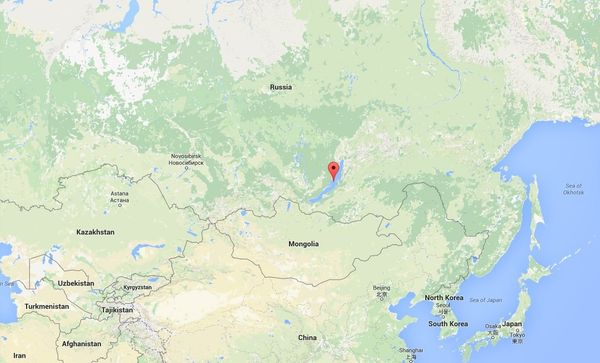
Lake Baikal is located in southern Siberia, between the Irkutsk Region to the northwest and the Buryat Republic to the southeast.

3/15
© Sputnik / Valeriy Melnikov
Baikal is the world’s deepest lake as well as the largest freshwater lake in the world. It is also considered among the world’s clearest lakes and is believed to be the world’s oldest lake.
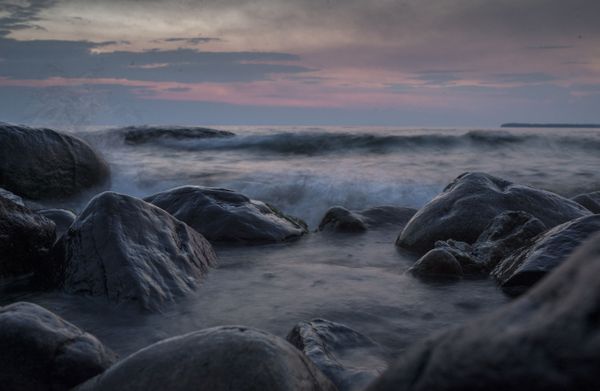
Above: Local residents take rest on the side of the Chivyrkuisky Gulf of Lake Baikal.
Above: Local residents take rest on the side of the Chivyrkuisky Gulf of Lake Baikal.
4/15
© Sputnik / Valeriy Melnikov
With a surface area of nearly 32,000 square kilometers, Baikal is the seventh-largest lake in the world.
Above: The Bezymyannaya Bay of Lake Baikal.
Above: The Bezymyannaya Bay of Lake Baikal.

5/15
© Sputnik / Valeriy Melnikov
The maximum measured depth of Lake Baikal is 1,642 meters, and its average depth is about 730 meters. The maximum depth was confirmed in 2002 when researchers tookmeasurements at1,312,788 sites across the lake.
Above: Volunteers on the shore of Baikal.
Above: Volunteers on the shore of Baikal.
6/15
© Sputnik / Vladimir Smirnov
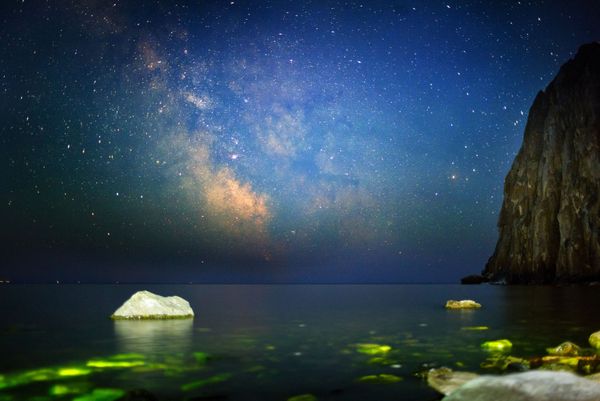
Scientists are still divided over the origins of Baikal. Traditionally, the lake is believed to be 25-35 million years old. This makes Baikal unique, as most of lakes, especially glacial lakes, usually only exist for 10,000-15,000 years and then are filled with silt or turn into swamplands.
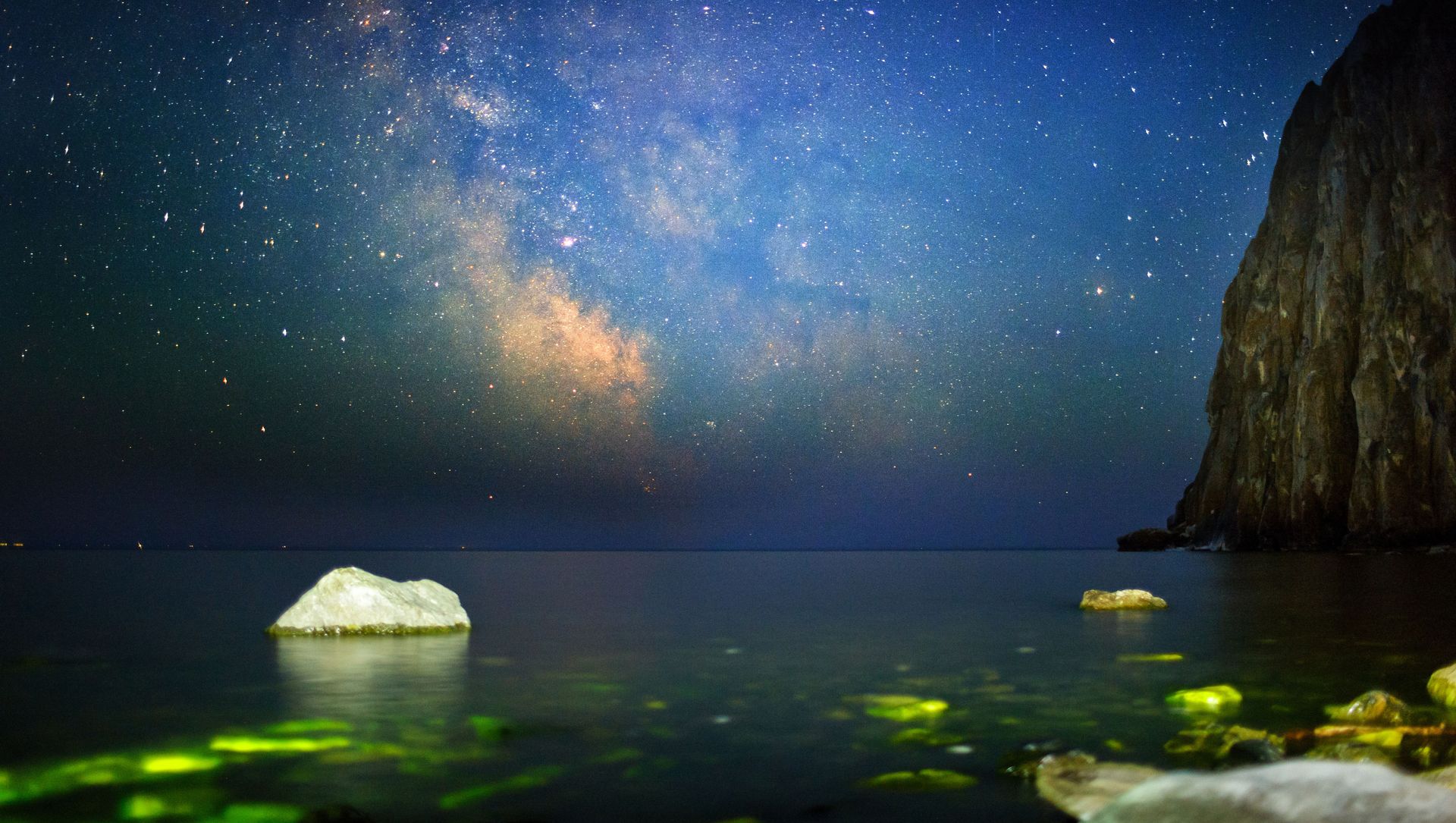
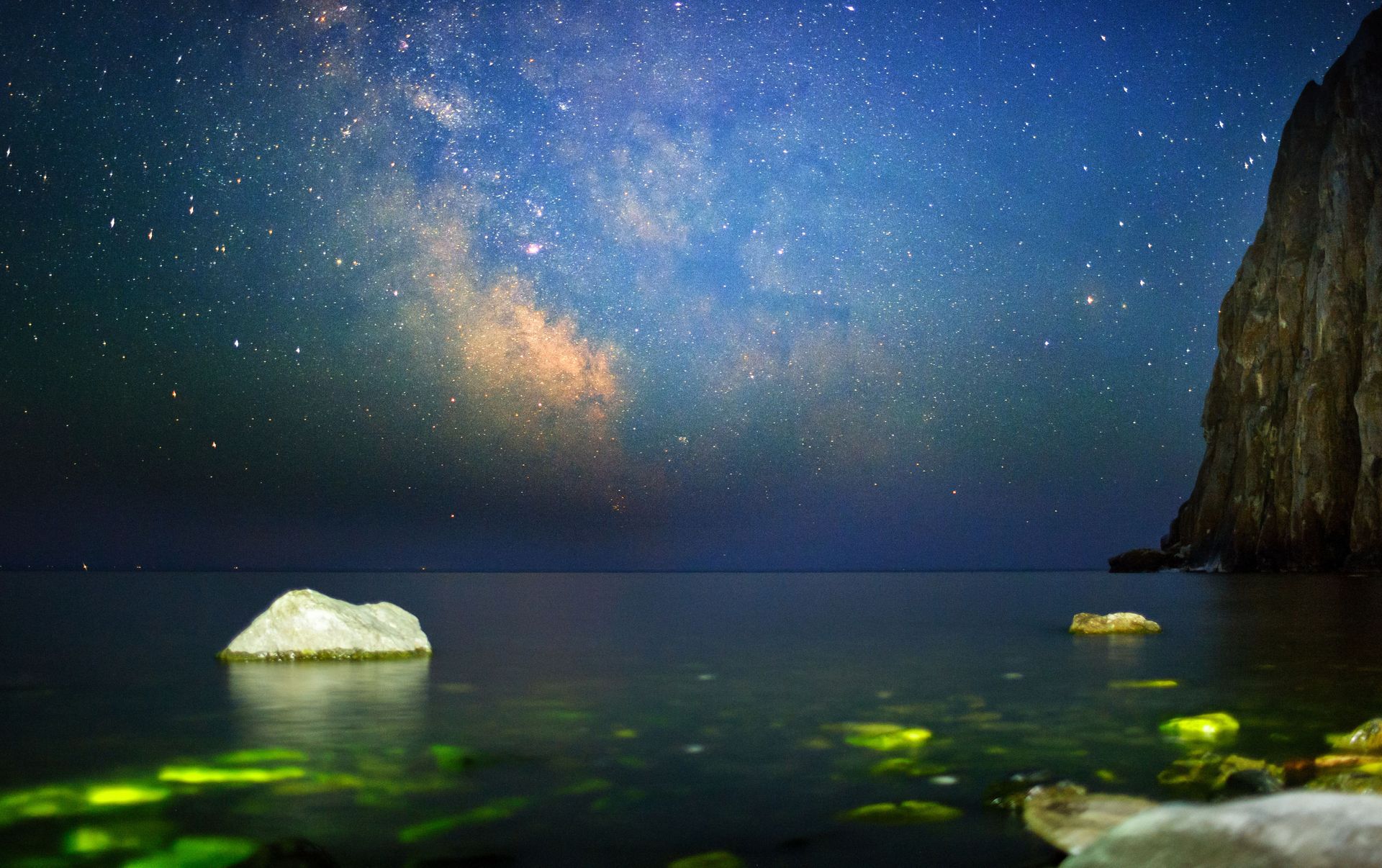
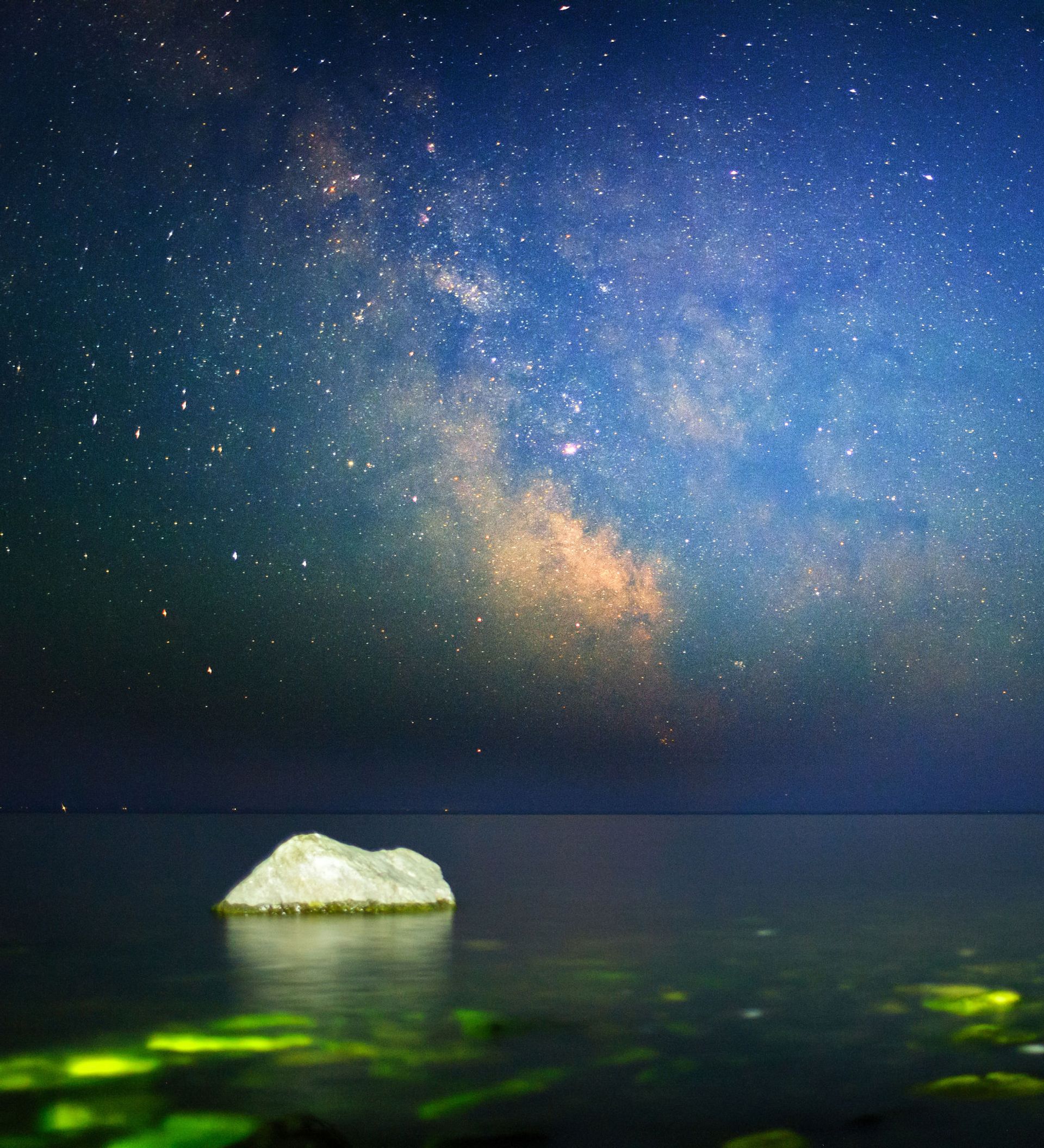
Above: Night sky at the bay of Sagan-Zaba, Lake Baikal.
Above: Night sky at the bay of Sagan-Zaba, Lake Baikal.
7/15
© Sputnik / Valeriy Melnikov
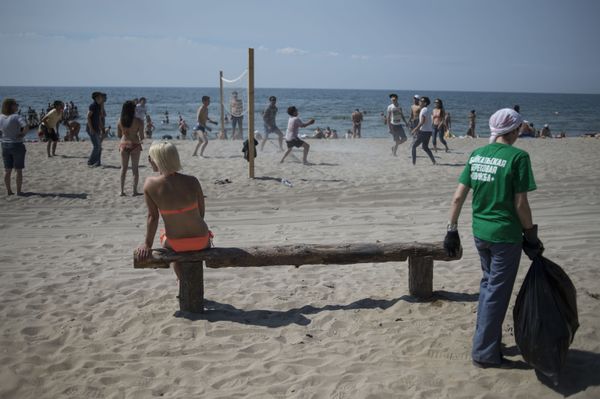
Baikal Lake is one of most popular tourist destinations in Russia. It also attracts many foreign tourists.
Above: Volunteers of the Lake Baikal shore service collect garbage.
Above: Volunteers of the Lake Baikal shore service collect garbage.
8/15
© Sputnik / Valeriy Melnikov
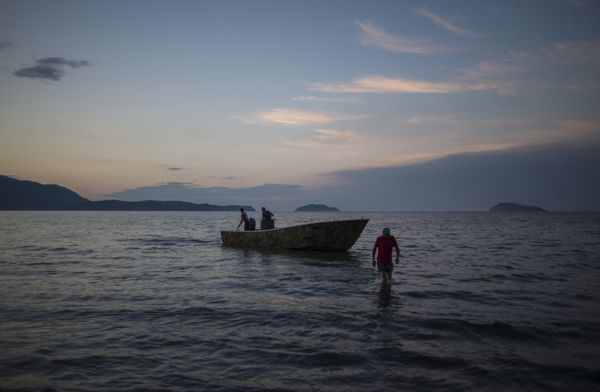
As the exact depth of Baikal has not been measured yet, some scientists believe that the lake is connected to the world’s oceans.
Above: The Zmeinaya Bay in the Chivyrkuisky Gulf of Lake Baikal.
Above: The Zmeinaya Bay in the Chivyrkuisky Gulf of Lake Baikal.
9/15
© Sputnik / Valeriy Melnikov
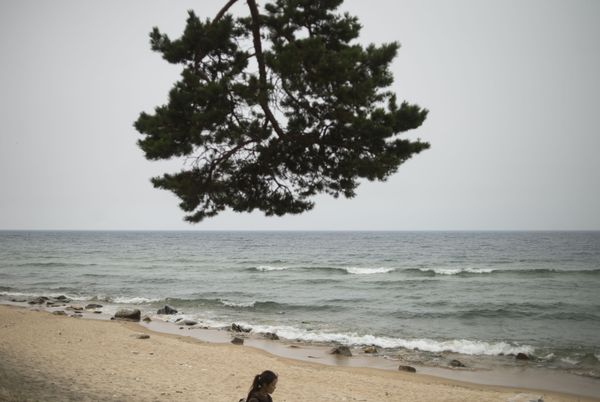
Scientists also still argue about the origin of the name Baikal. According to the most widespread versions, Baikal comes from Bai-Kul (Turkic "rich lake"), Baigyal (Yakut "large deep sea") and Baigaal-Dalai (Mongolian - "natural sea").
Above: The Bezymyannaya Bay of Lake Baikal.
Above: The Bezymyannaya Bay of Lake Baikal.
10/15
© Sputnik / Valeriy Melnikov
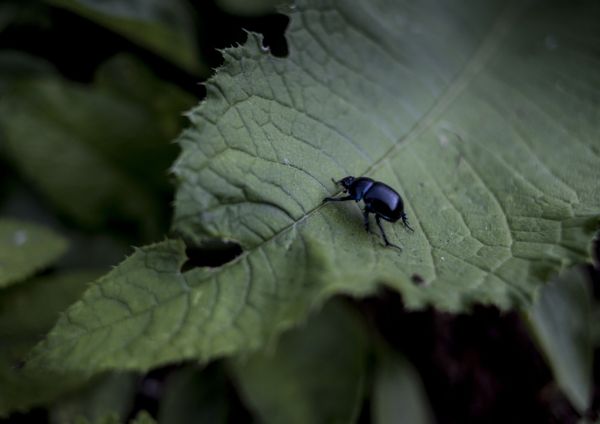
The Baikal region is home to over 1,700 species of plants and animals, two-thirds of which can be found nowhere else in the world. In 1996, Lake Baikal was declared a UNESCO World Heritage Site.
Above: The Baikal National Reserve.
Above: The Baikal National Reserve.
11/15
© Sputnik / Valeriy Melnikov
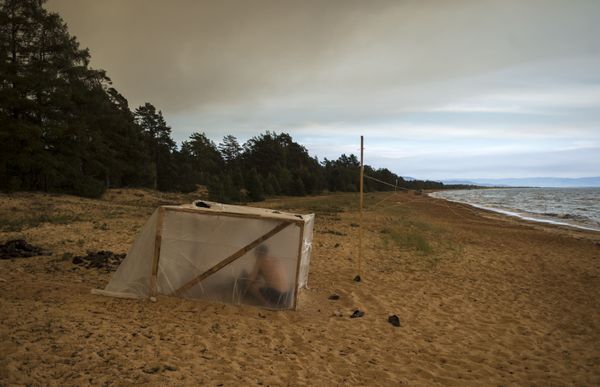
Baikal’s freshwater accounts for nearly 20 percent of global potable water reserves. With more than 23,000 cubic kilometers of fresh water, it contains more water than all the North American Great Lakes combined.
Above: The Zmeinaya Bay in the Chivyrkuisky Gulf of Lake Baikal.
Above: The Zmeinaya Bay in the Chivyrkuisky Gulf of Lake Baikal.
12/15
© Sputnik / Valeriy Melnikov
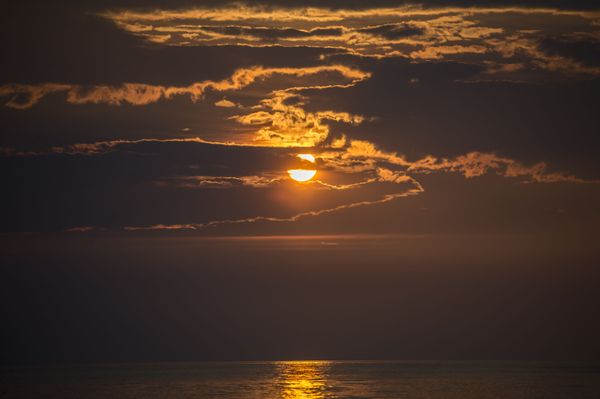
The Baikal region is known for colossal seismic activity with several hundred earthquakes occurring every year. However, powerful earthquakes are not very frequent, and most of the earthquakes can be detected only with high-sensitive equipment.
Above: Sunset over the Bezymyannaya Bay of Lake Baikal.
Above: Sunset over the Bezymyannaya Bay of Lake Baikal.
13/15
© Sputnik / Valeriy Melnikov
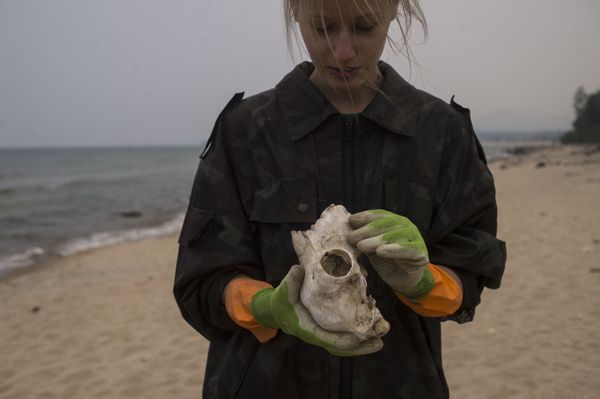
Baikal’s water is so pure that one can see objects at a depth of up to 40 meters.
Above: Volunteers of the Lake Baikal shore service collect garbage.
Above: Volunteers of the Lake Baikal shore service collect garbage.
14/15
© Sputnik / Iliya Pitalev
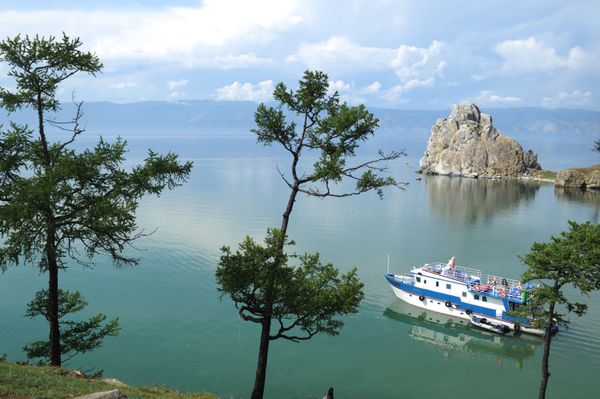
Lake Baikal has a powerful mechanism of self-cleaning, with zooplankton making up from 80 to 90 percent of total biomass. Thanks to them Baikal’s water is always pure and clean.
Above: A ship sailing on Lake Baikal near the Olkhon Island.
Above: A ship sailing on Lake Baikal near the Olkhon Island.
15/15
© Sputnik / Valeriy Melnikov
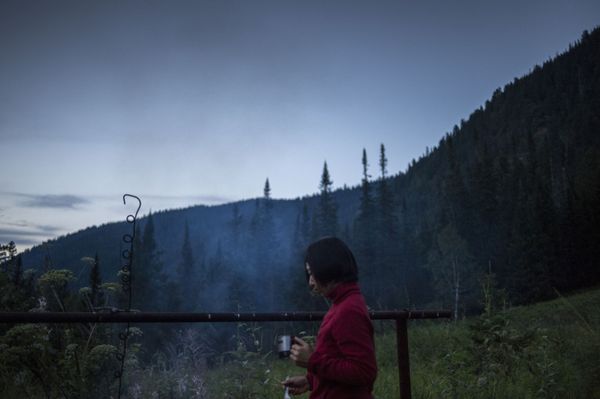
According to a legend, Father Baikal had 366 river sons and one daughter river – Angara. All the son rivers ran into the lake to replenish its waters. But the daughter fell in love with the Yenisei and ran from her father. Baikal was mad at Angara. He threw a large piece of a cliff at her and cursed her. This piece of rock, called the Shaman rock, is located near the source of the Angara River and is believed to be its first spring.
Above: The Baikal National Reserve.
Above: The Baikal National Reserve.