Still, the pardons, a tradition during papal visits to the island, mark the largest inmate release of its kind since the revolution in 1959.

In 2012, prior to a visit from Pope Benedict nearly 3,000 inmates were freed, and several hundred were freed when John Paul II visited.
Cuba's Conference of Bishops said in a statement that they are extremely satisfied with the "act of mercy" in honor of the Pope’s visit.
Cuba is the first stop on a trip that also includes the United States. It is unclear whether US President Barack Obama will be inspired by the gesture and authorize some pardons of his own.
The prisoners on the list range from the ill, the elderly, the very young, women and foreigners, according to official Communist Party daily Granma, and were selected "by the nature of the acts for which they were jailed, their behavior in prison, the time of punishment and health concerns.”
Granma stated prisoners listed on the 129-page document will be released within 72 hours.
Aside from a few "humanitarian" cases, prisoners convicted of murder, rape, pedophilia, drug trafficking, violent crimes or crimes against the state will remain imprisoned, Yahoo! News reported.
Prisoner statistics on the island were last made public in 2012, when there were 57,000 inmates throughout the 200 prisons in Cuba.
Cuba released the last 53 of its official political prisoners as part of renewed diplomatic ties with the US earlier this year, though according to the Commission of Human Rights and National Reconciliation 60 more remain imprisoned and did not make the pardon list.
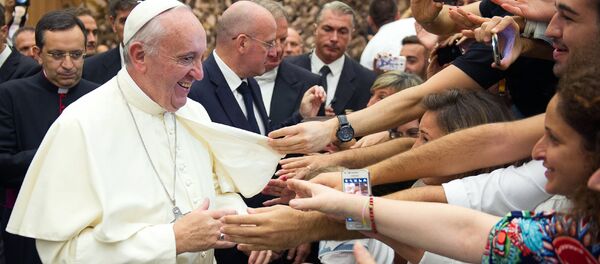
According to the Patriotic Union of Cuba, there was one political prisoner who made the list, but they actually have a history of violent crime and only took up political activism while imprisoned.
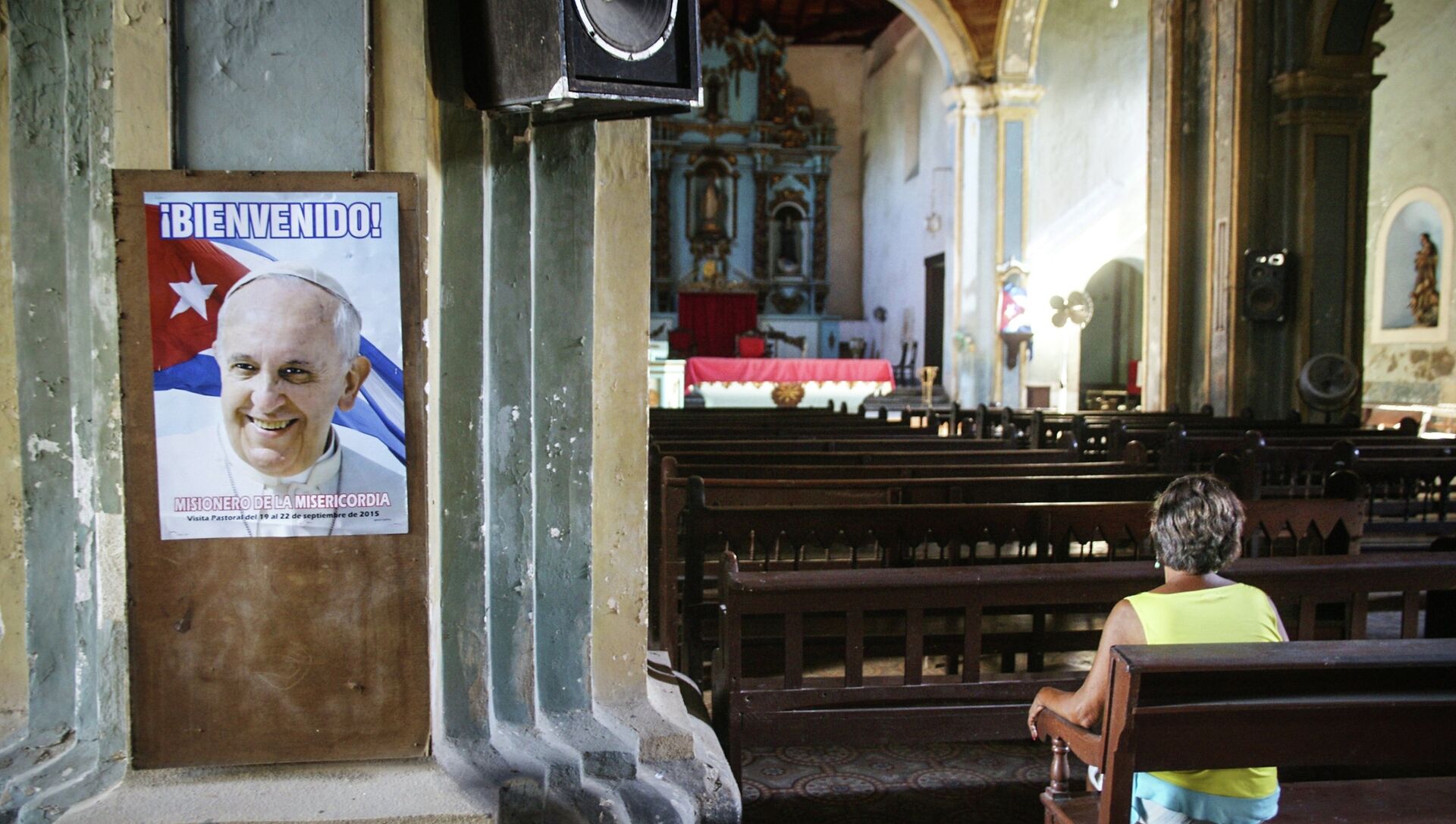
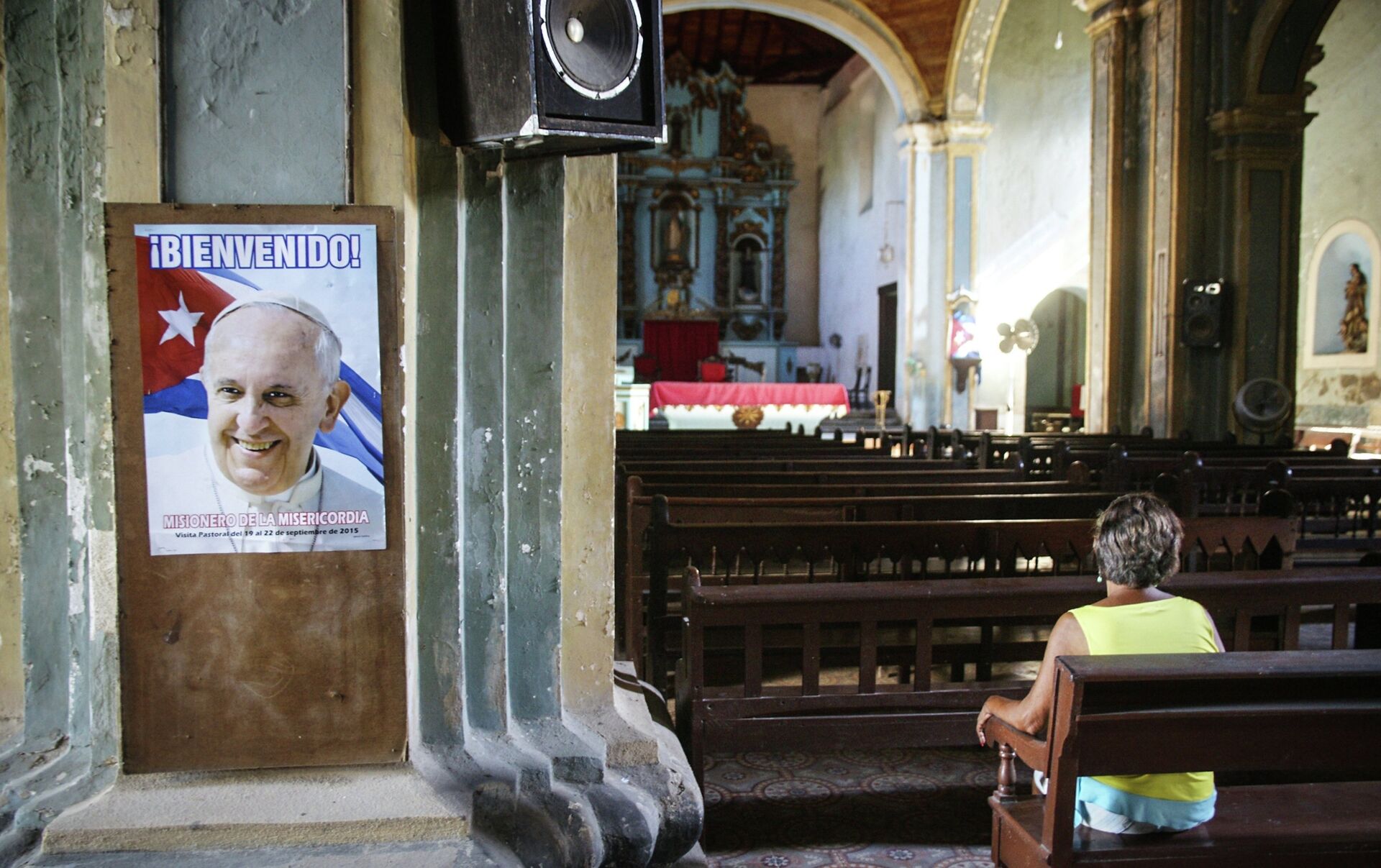
The Pope hopes to help further mend the relationship between Cuba and the United States and help end the Kennedy-era trade sanctions during his trip.
“I think the Pope wants to be in places where there is conflict, and he knows that the time has come for the United States and Cuba to overcome their differences,” Reverend Roberto Betancourt, the priest at Havana’s Our Lady of Regla church, told the Washington Post.