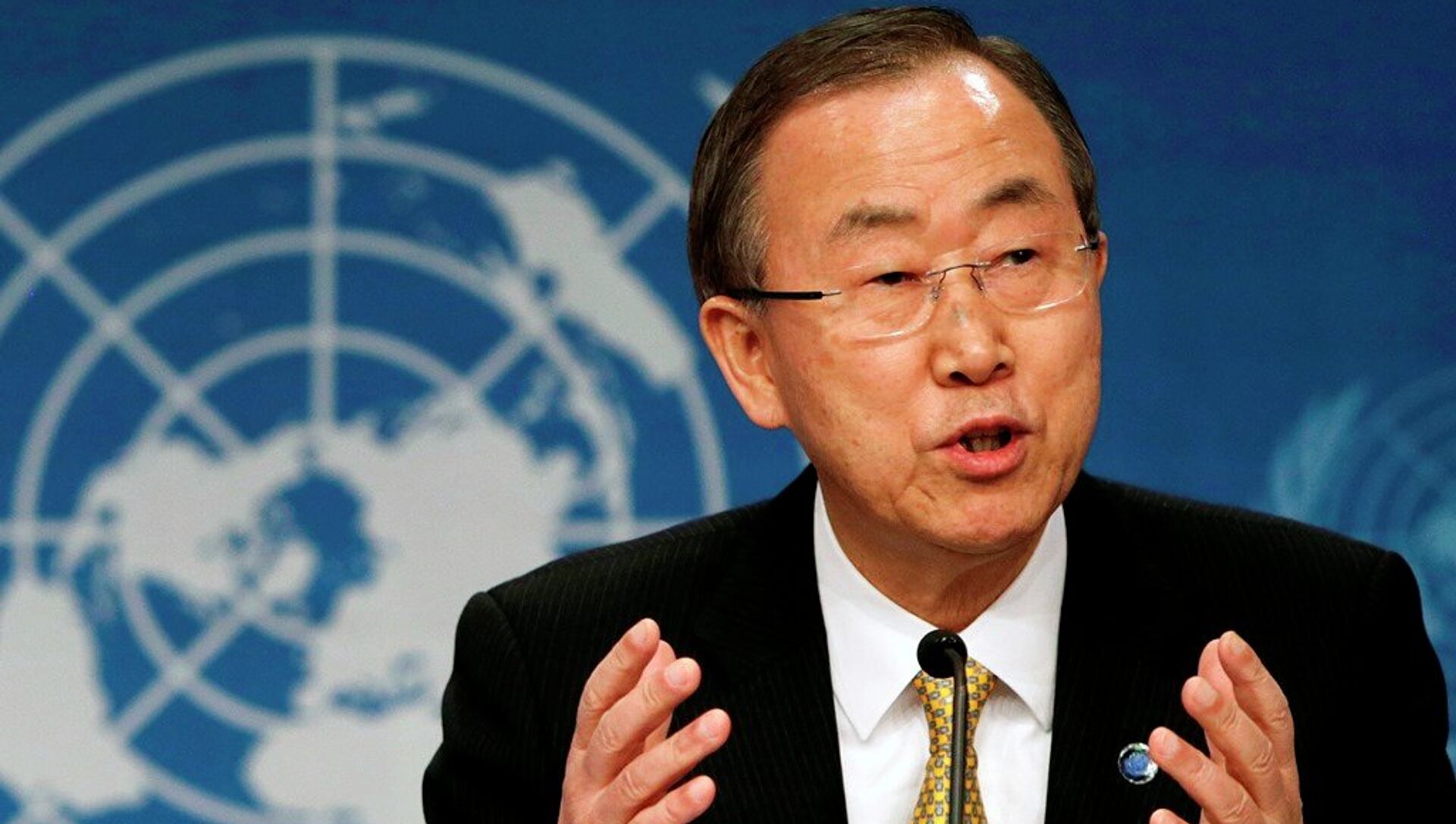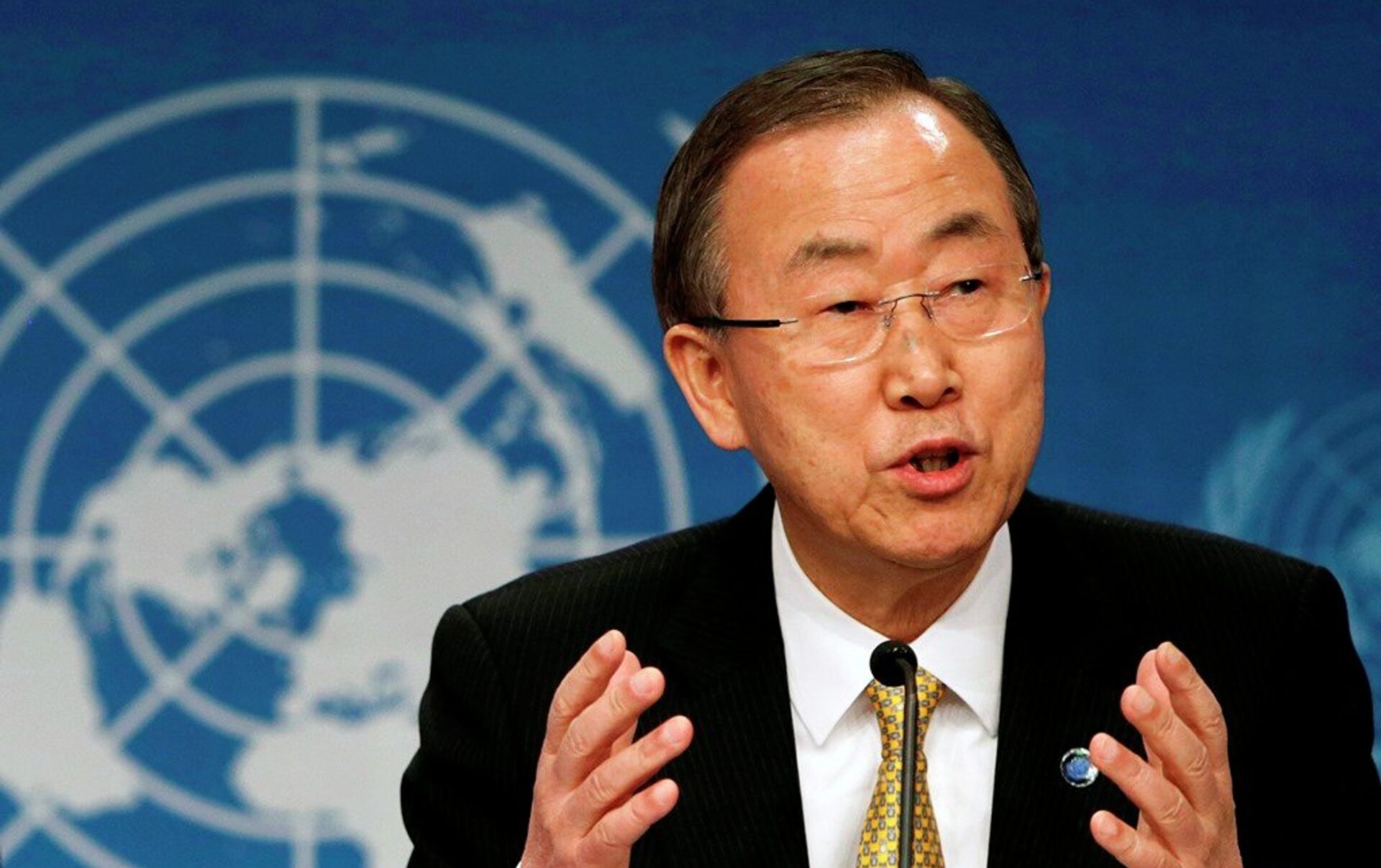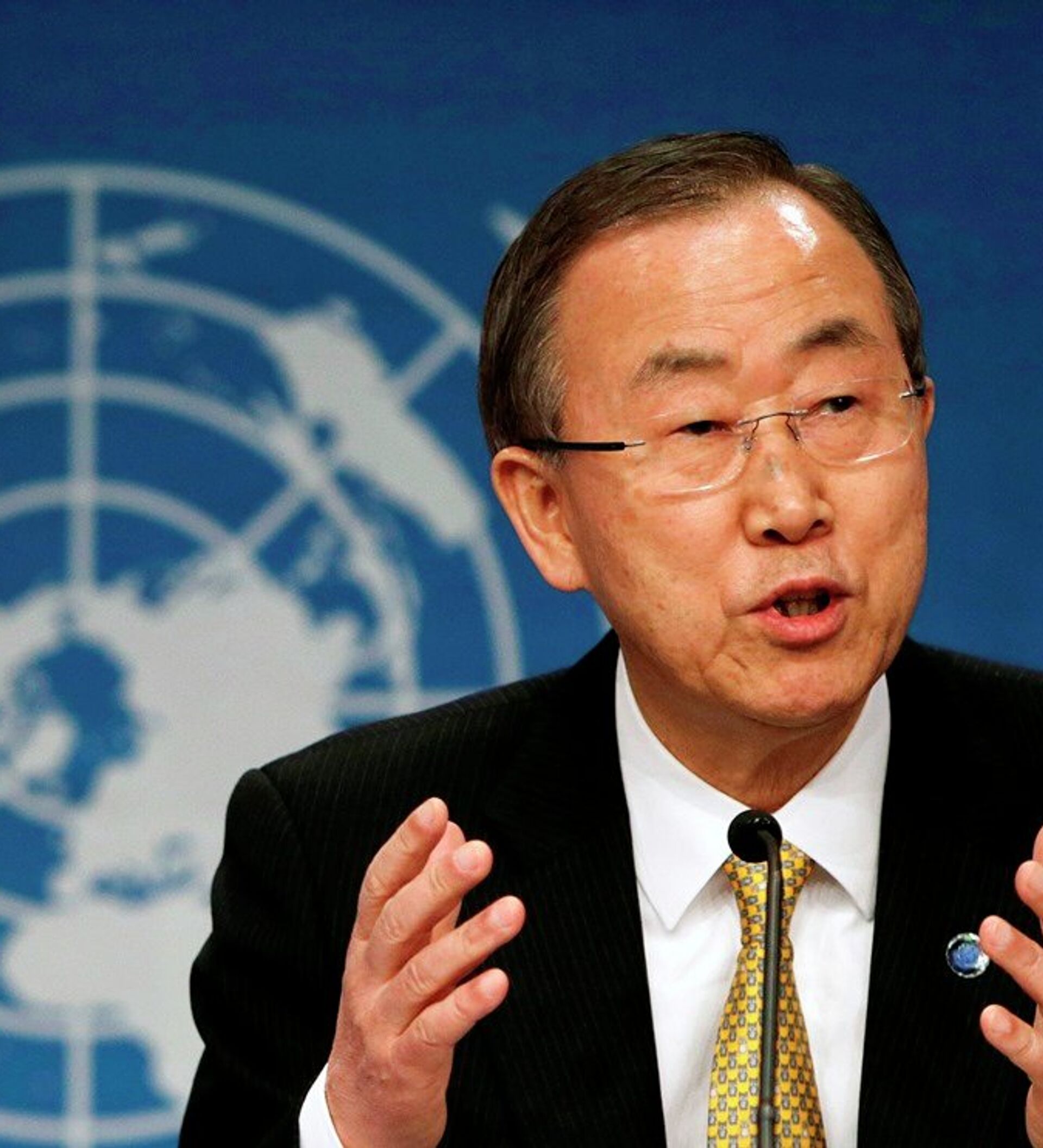

Earlier this week, the UN chief visited Jordan, as well as Israel and Palestine amid a recent rise in the long-standing clashes between Palestinians and Israeli nationals. Dozens have been killed since the beginning of October.
"The level of incitement is utterly unacceptable. It is critical for all parties to avoid provocative rhetoric and actions that can further inflame passions in an already overheated environment," Ban said, adding that in case of controversies, force should be the last resort.
He stressed that security measures alone will not end the violence, and only by restoring a "political horizon" the sides to the conflict can hope to overcome current crisis and focus on achieving long-term peace.

The UN chief reaffirmed the Quartet's commitment to working with all stakeholders relevant parties to create the conditions for a return to "meaningful bilateral negotiations."
The decades-long Palestinian-Israeli conflict is a continuation of an ancient cultural struggle. Palestinians seek recognition for their independent state, proclaimed in 1988, on the territories of West Bank, which Israel calls Judea and Samaria Area, as well as East Jerusalem, and the Gaza Strip.
The Israeli government denies Palestine's claims, refusing to recognize the State of Palestine as an independent diplomatic entity, while 135 of the 193 UN member states recognize Palestine's statehood.