On World Jeweler's Day, Sputnik guides you through Russia's Diamond Fund — a unique treasury which has accumulated an ample collection of jewelry, gems and natural nuggets since its establishment by Emperor Peter the Great in 1719.
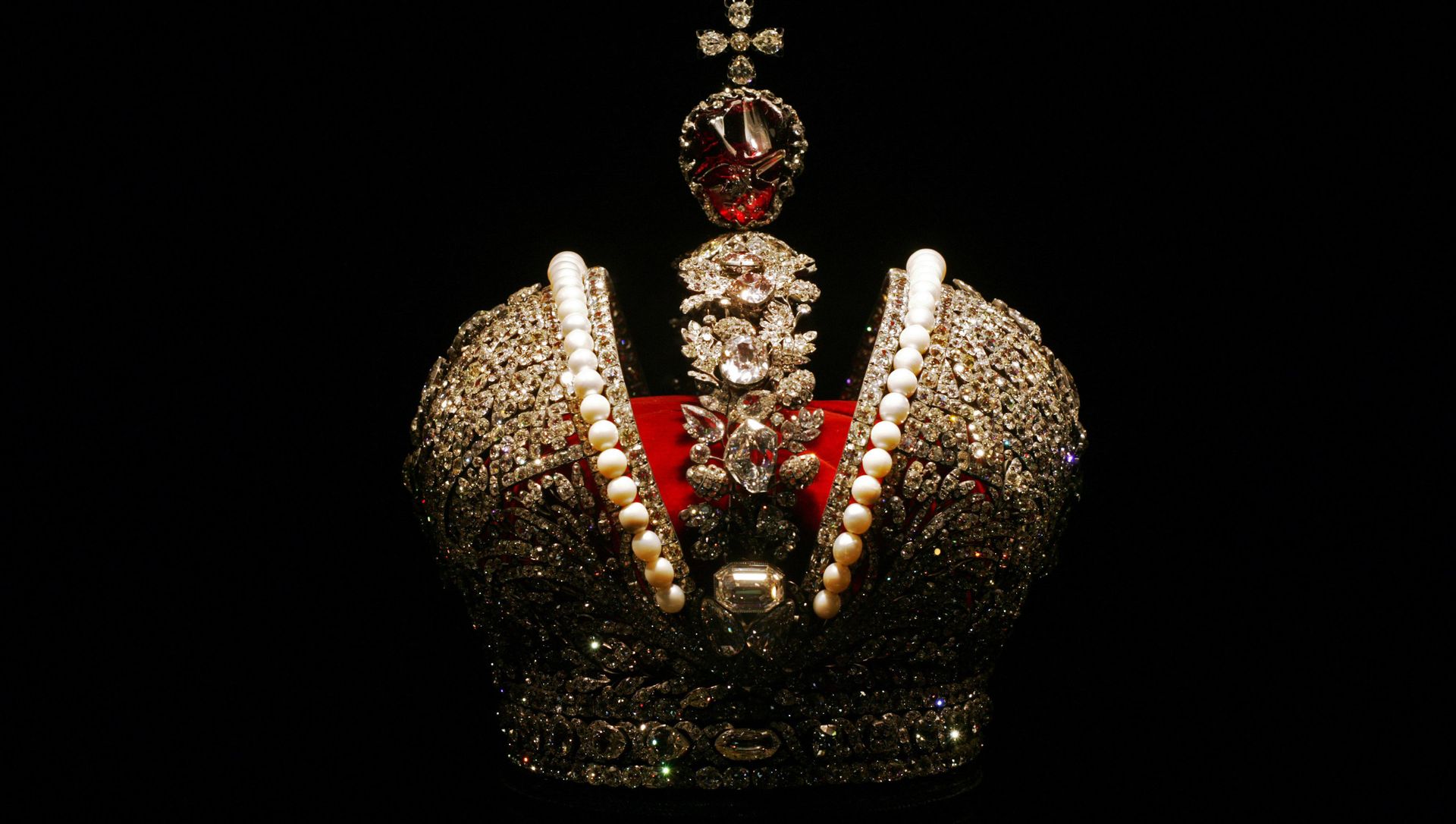
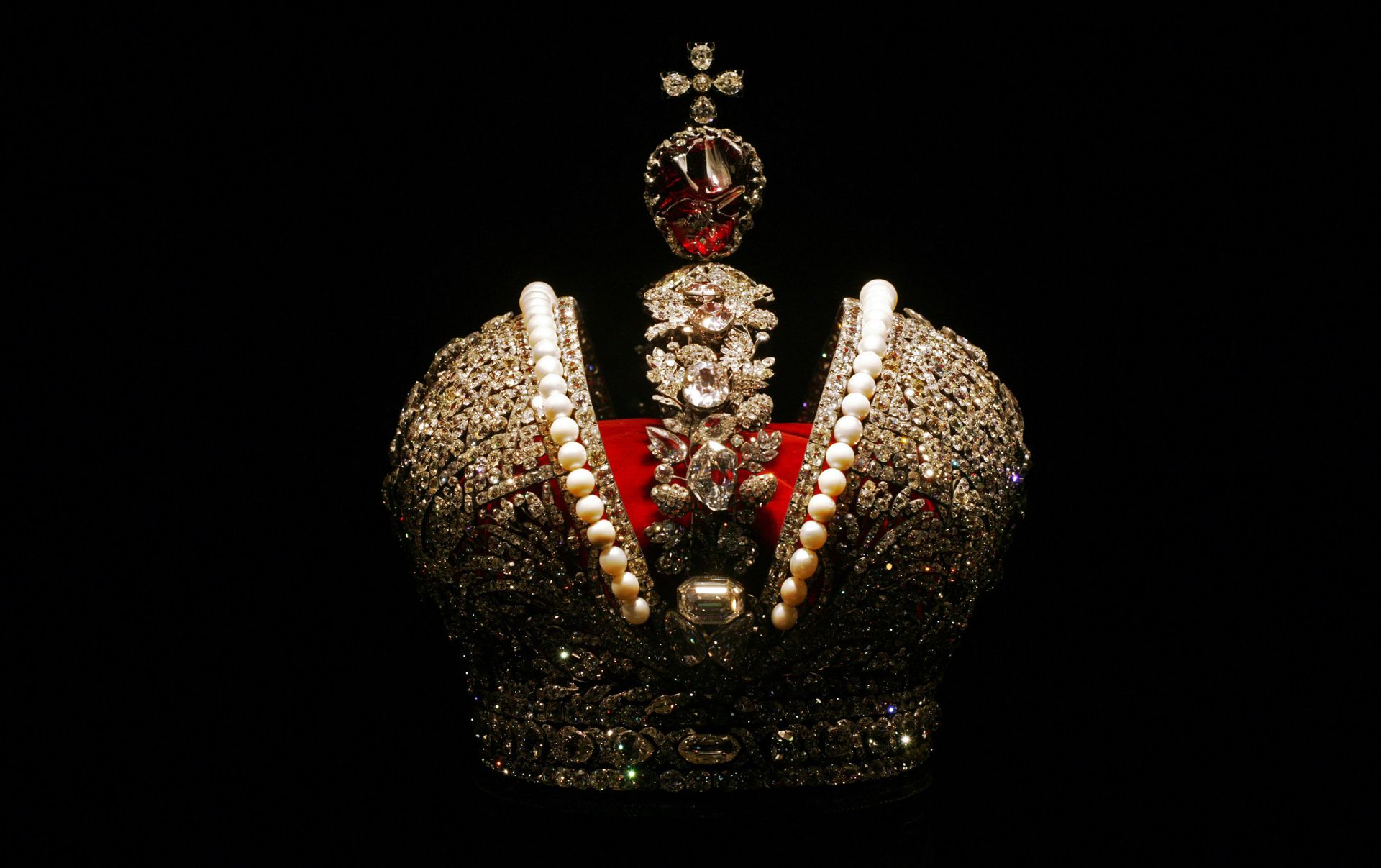
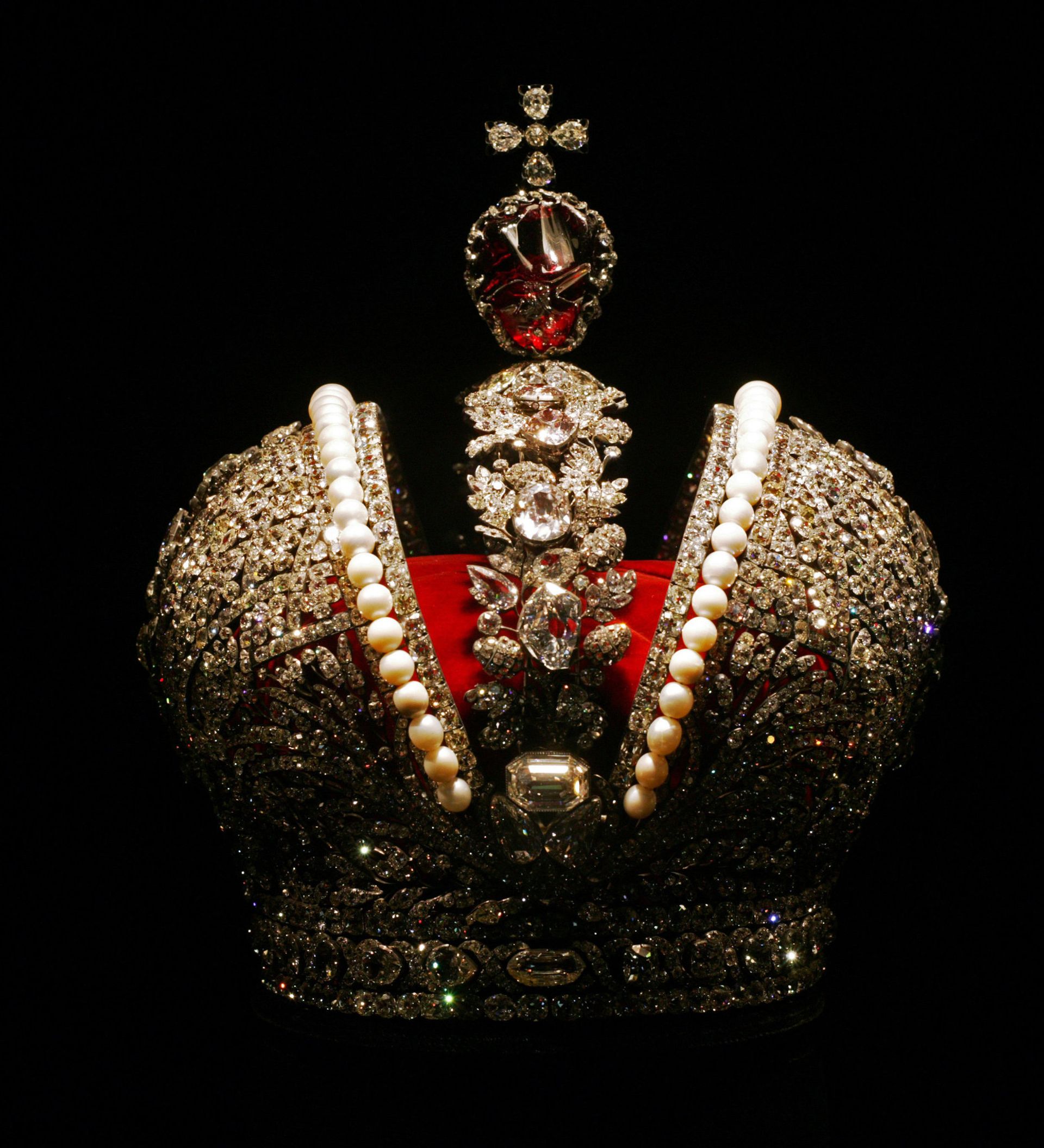
The Great Imperial Crown by Jeremia Posier, 1762. Gold, silver, diamonds, pearls, spinel.
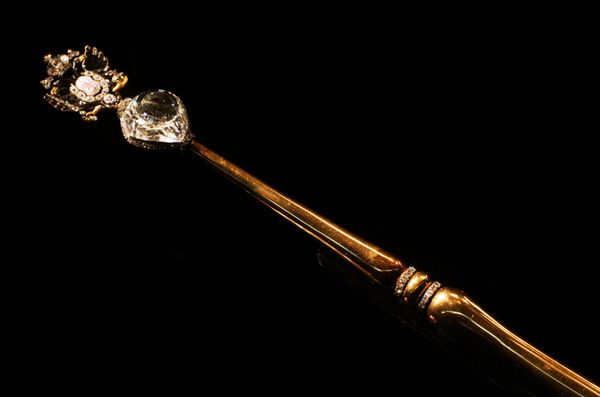
A scepter. Early 1770s. Gold, silver, enamel, diamonds, the "Orlov" diamond.
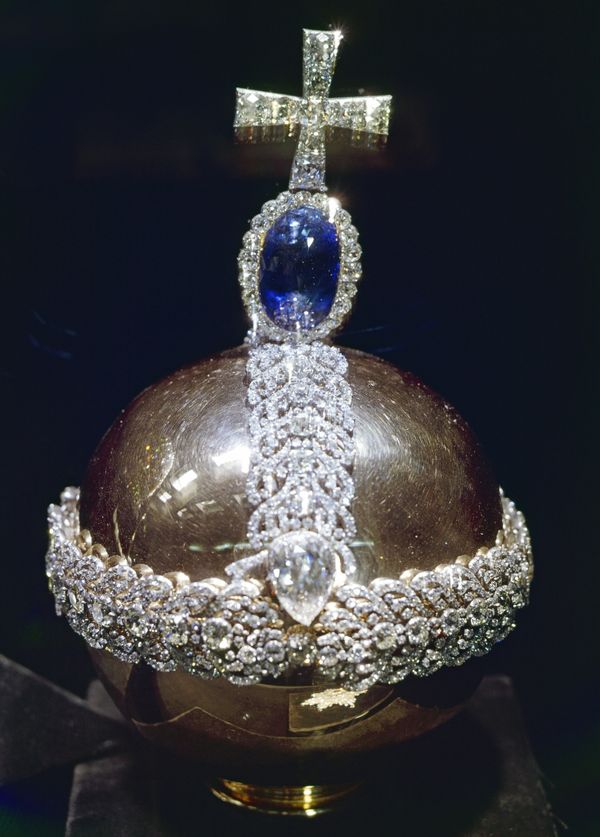
The Imperial Orb, inlaid with a 200 carat Ceylon sapphire.
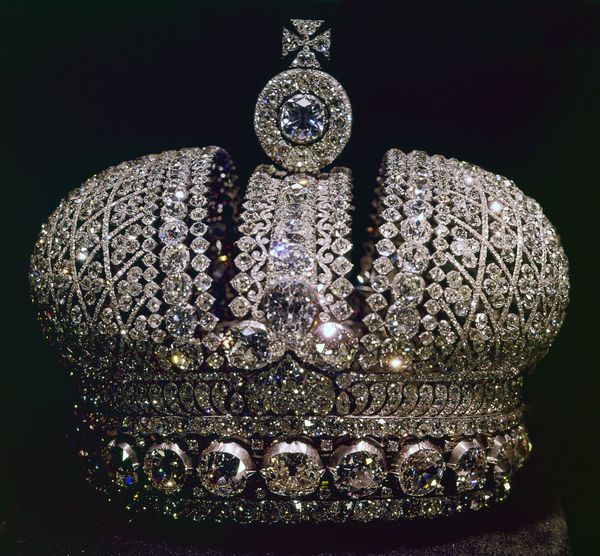
The Lesser Imperial Crown. Gold, silver, diamonds. Created by jeweler Seftigen for the coronation of Empress Maria Alexandrovna.
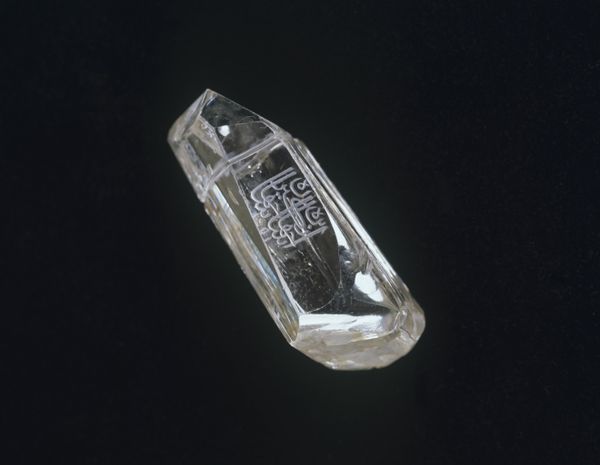
The Shah uncut diamond of 88.7 carats.
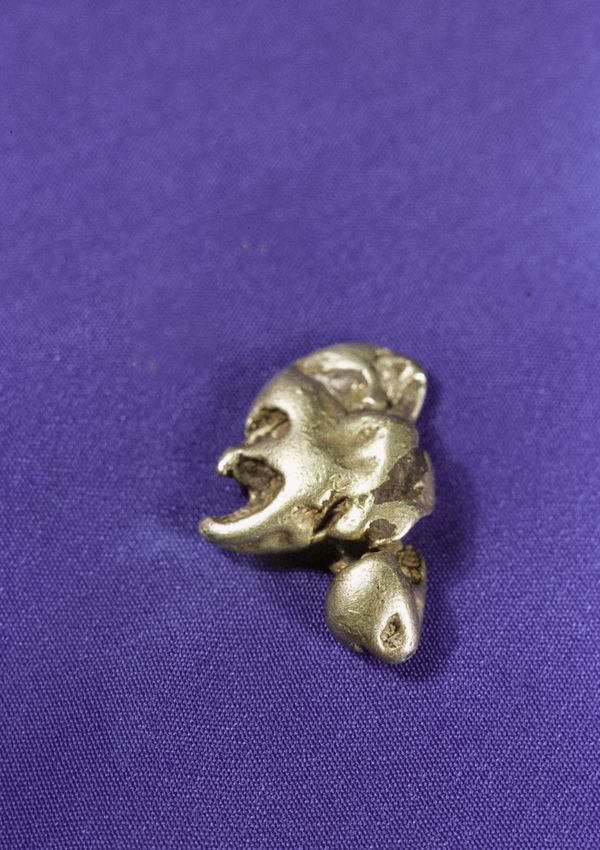
The "Mephistopheles" gold nugget. Weighs 20.25 g. Found on the Kolyma River in 1944.
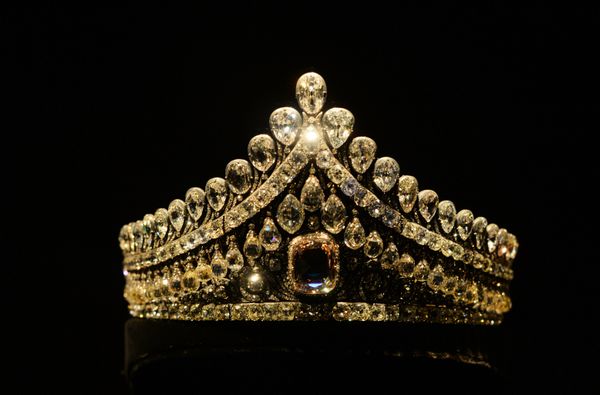
A diamond tiara with Indian briolettes. It was worn by Emperor Alexander I's spouse Empress Yelizaveta Alekseyevna. Crafted in 1800-10, restored in 1984. Gold, silver, diamonds.
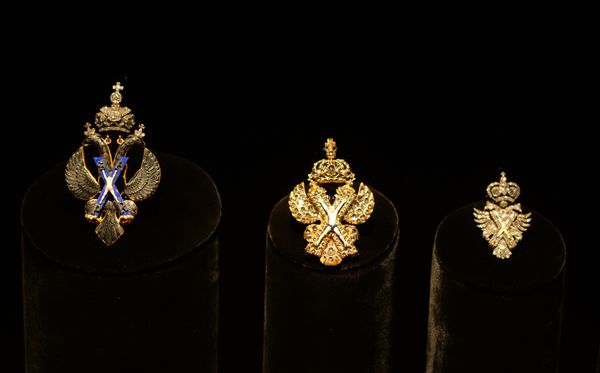
The Andrew the Apostle insignia (early 18th century). Gold, silver, diamonds, enamel.
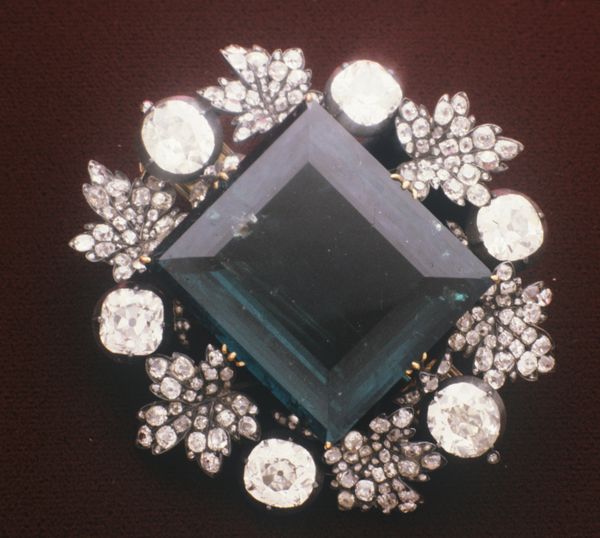
A brooch with a square emerald of 136.25 carats (Columbia), six big and 150 small diamonds. The 19th century. The brooch was restored in 1983.
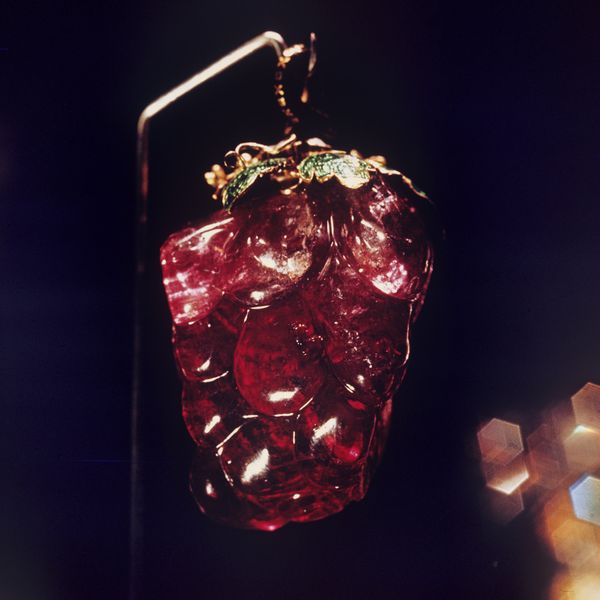
Pink tourmaline (shorl) in the form of a bunch of grapes, approximately 255 carats. Gold, emeralds, enamel. It was presented as a gift to Empress Catherine II by the King of Sweden Gustav III in 1777.
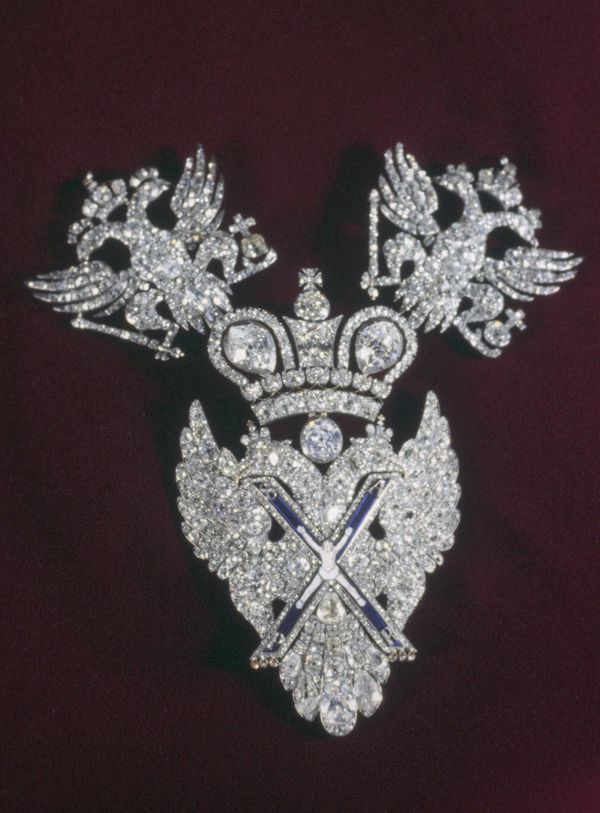
St. Andrew's cross, the central part of the ceremonial Imperial chain. It was refurbished in 1983. White gold, enamel, diamonds.
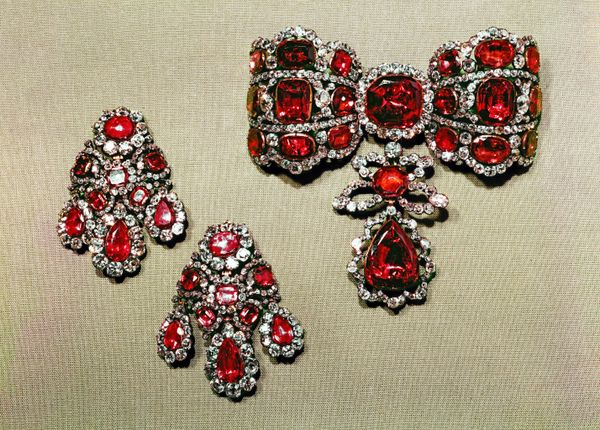
A 1764-made bow en-esclavage and pendants (cut diamonds, spinels, gold and silver). Bright gold-lined spinels on foil are rimmed with glittering diamonds. Each pendant necklace consists of nine bright spinels on foil rimmed with Brazilian diamonds.