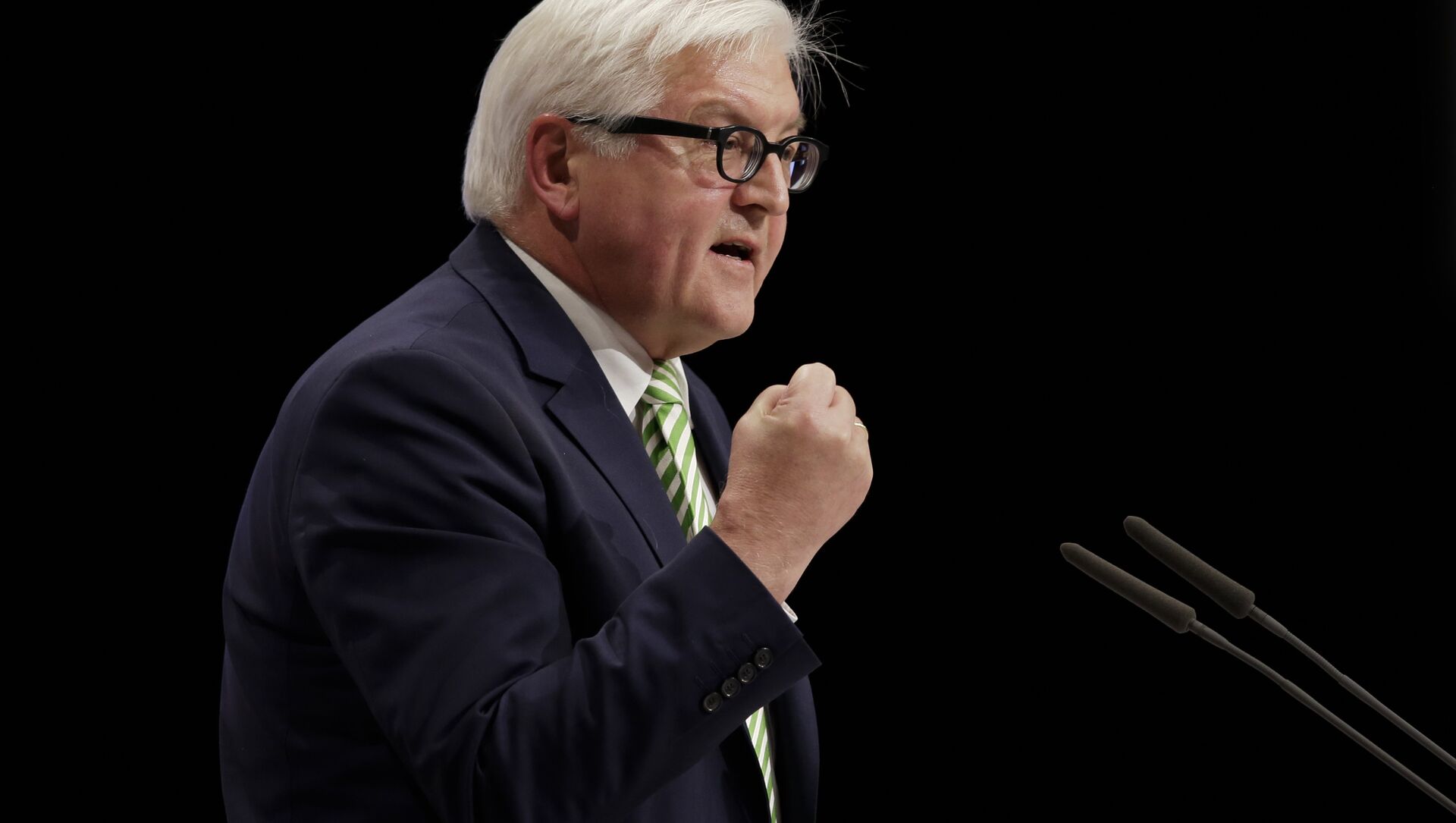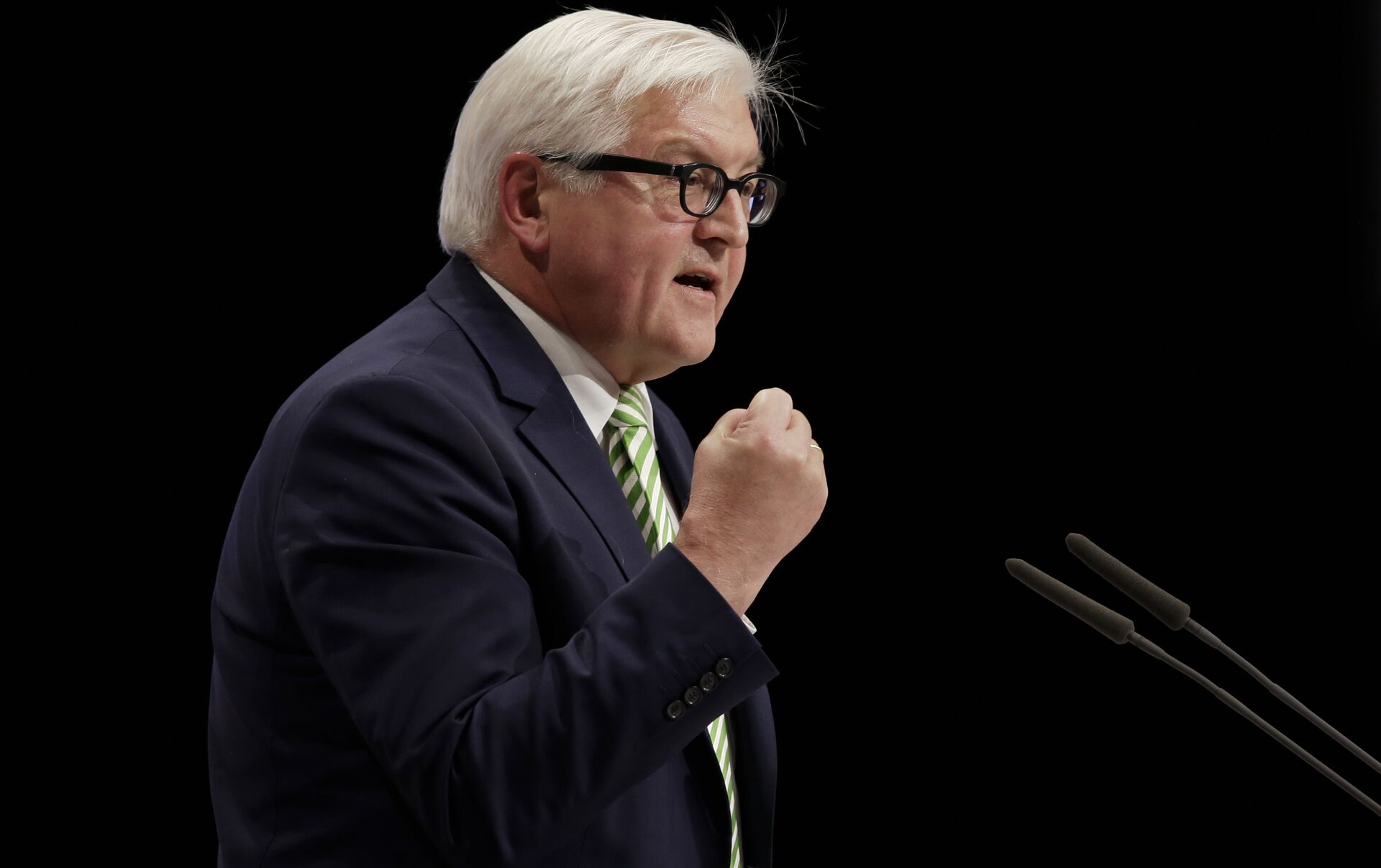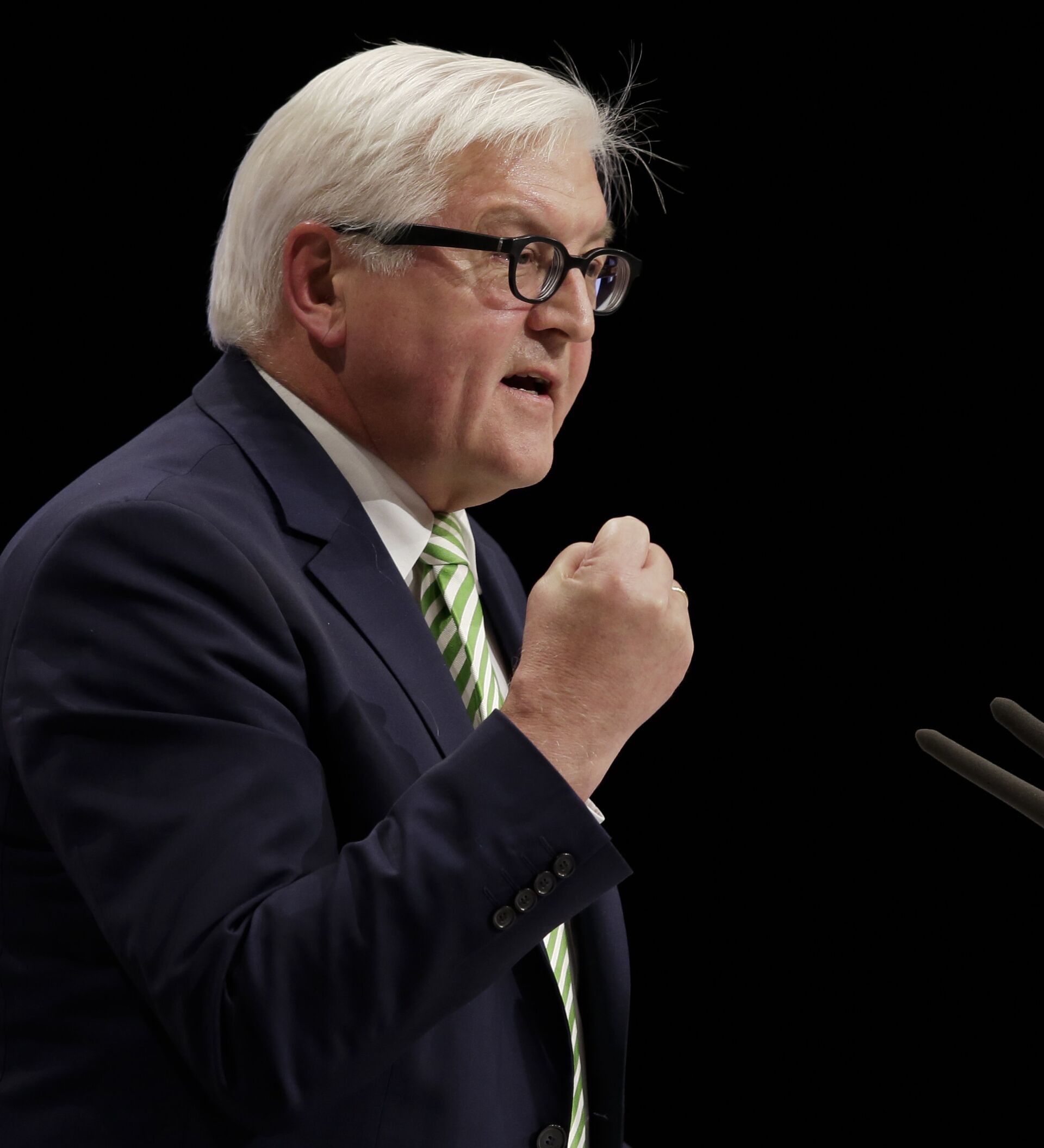
"We also need more pressure from all parties that have influence for the peace talks between the regime and the opposition in Geneva to be resumed in the next few days, and then there can be progress towards a political transition," Steinmeier said in an interview with the German General-Anzeiger newspaper.
Last week, UN Special Envoy for Syria Staffan de Mistura stated that the negotiations were due to officially kick off on March 9. Earlier on Tuesday, the envoy's office confirmed delays with some delegations arriving later with substantive meetings beginning on March 14 at the latest.
The German foreign minister noted that both Iraq and Syria are still a long way from achieving peace via political solutions. The region's ethnic and religious differences make conflict deescalation difficult, but not insurmountable, he added.
The ongoing ceasefire between Syria's numerous opposition groups and government forces is a welcome break and a chance to deliver much-need humanitarian aid to besieged areas of the country, Steinmeier stressed.
Talks between the Syrian government and representatives of the country's opposition factions began in Geneva on January 29. On February 3, de Mistura decided to postpone the talks as the parties were unable to reach a compromise on a number of issues. The opposition and government delegations blamed each other for the breakdown of the talks.
On February 22, Russia and the United States reached an agreement on the ceasefire in Syria. The ceasefire took effect at midnight on February 27, Damascus time. It does not apply to terrorist groups operating in the country.