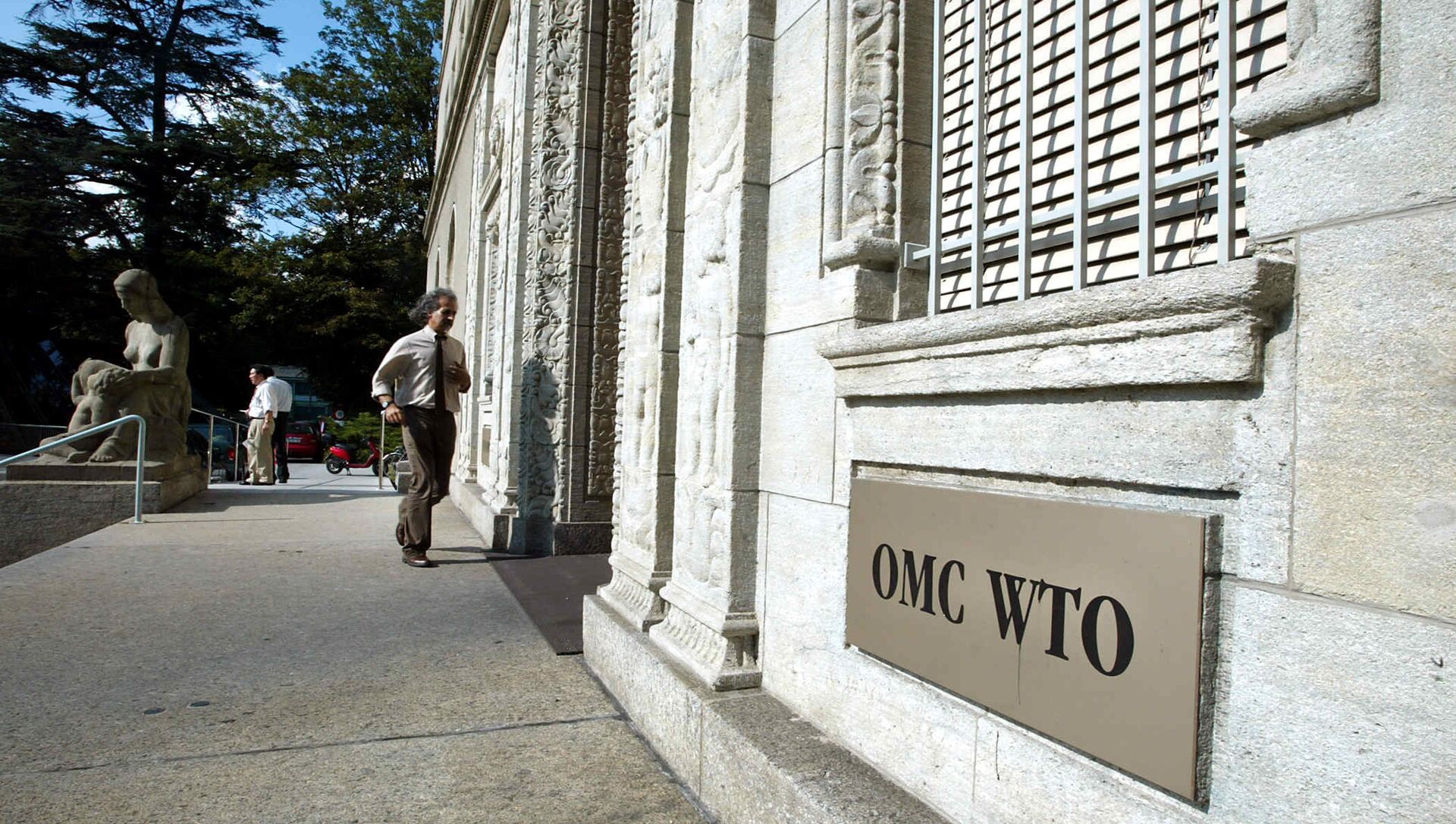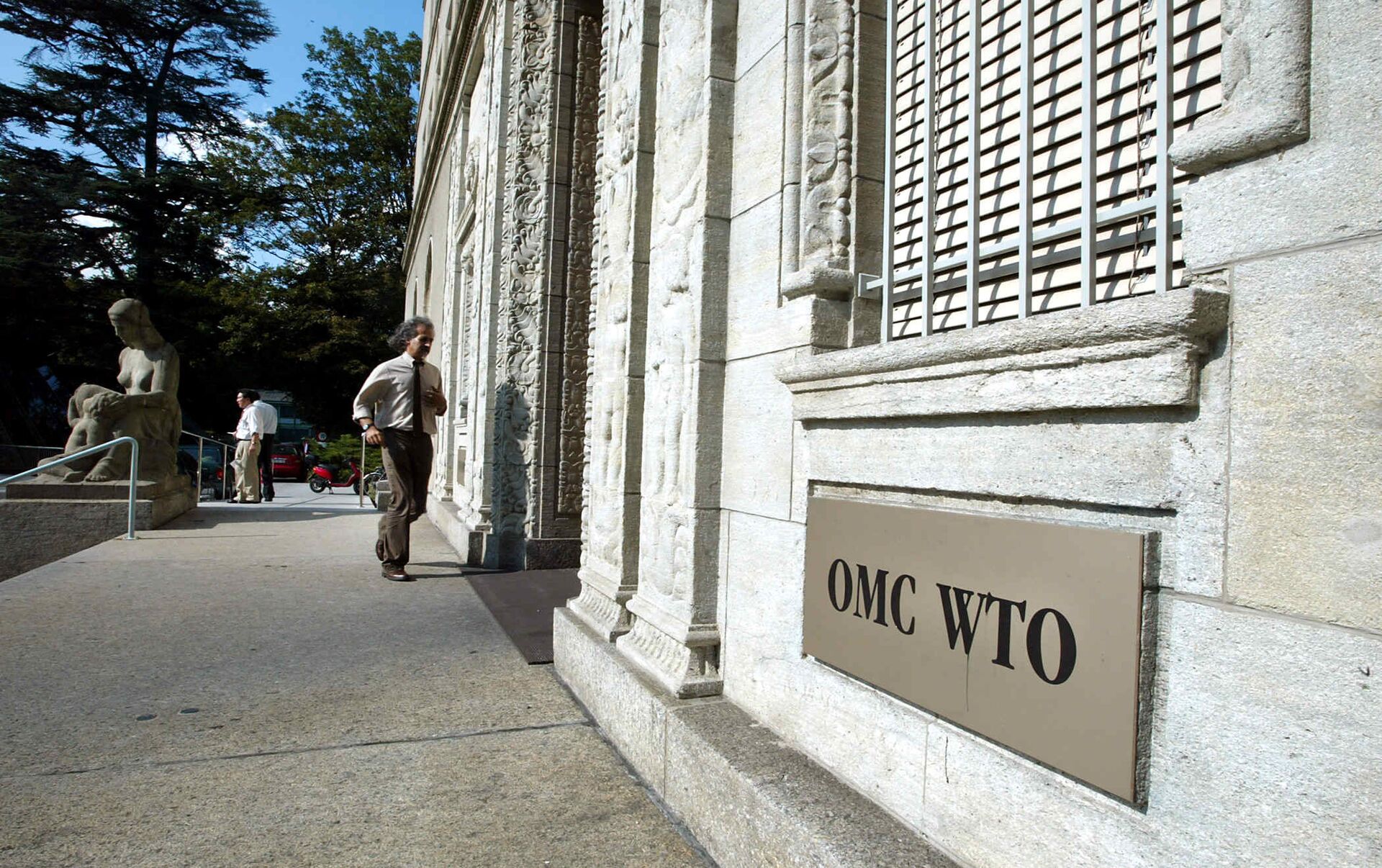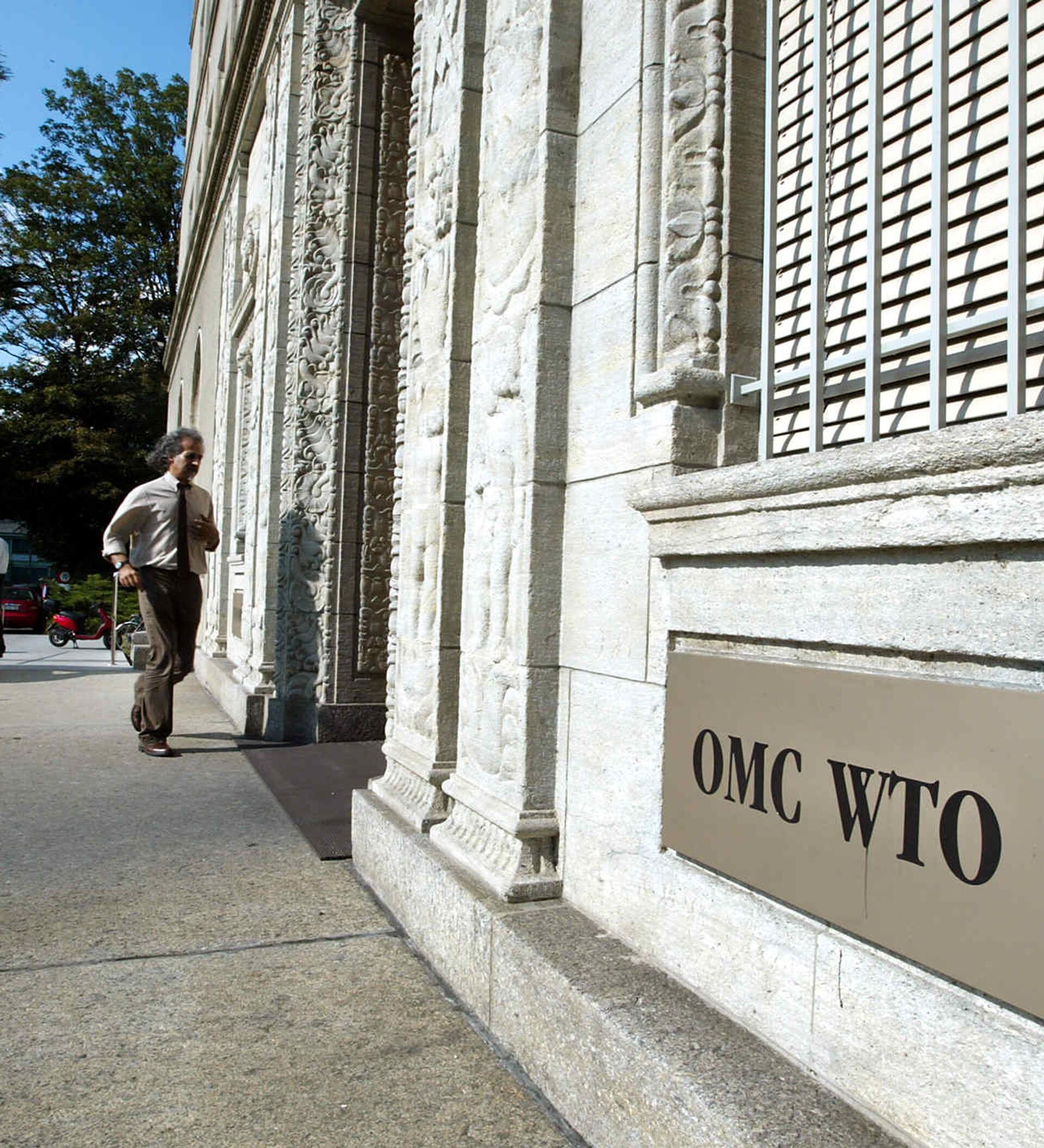
"If the situation is worsened, more boarder control are imposed or additional security, it could slow the movement of goods across borders. But today we don't see direct evidence of that," Nee told reporters at the WTO’s global trade forecast briefing in Geneva.
Last month, Macedonia refused entry to incoming migrants through its border with Greece after other countries along the Balkan migrant route, including Serbia, Hungary, Croatia, Slovenia and Austria, introduced similar measures.
Austrian Defense Minister Hans Peter Doskozil said over the weekend inefficient EU external border protections forced Vienna to impose "strict border controls" and deploy troops along its Italian frontier.
Calls for strict EU border controls reemerged after the March 22 jihadist suicide attacks in Brussels that killed 32 and injured over 300, and the November 13 deadly attacks in Paris.
As part of the effort to combat terrorism and cut illegal migration, the European Commission proposed on Wednesday a revised Entry-Exit System requiring four fingerprints and a facial image as biometric identifiers for member states and Europol to access. The $546 million system is expected to be implemented by 2020 and accompany the European Union’s three main centralized information systems.