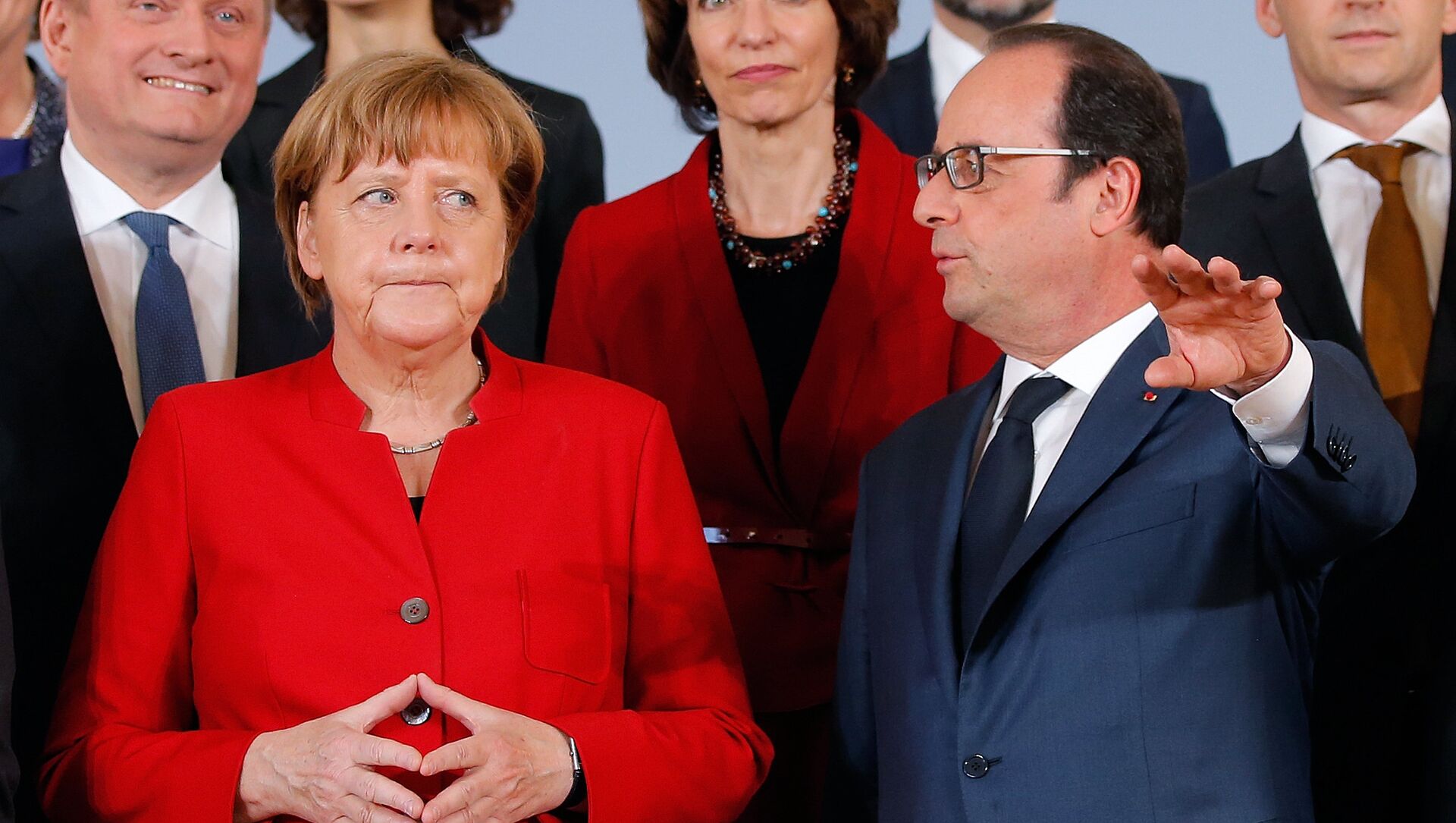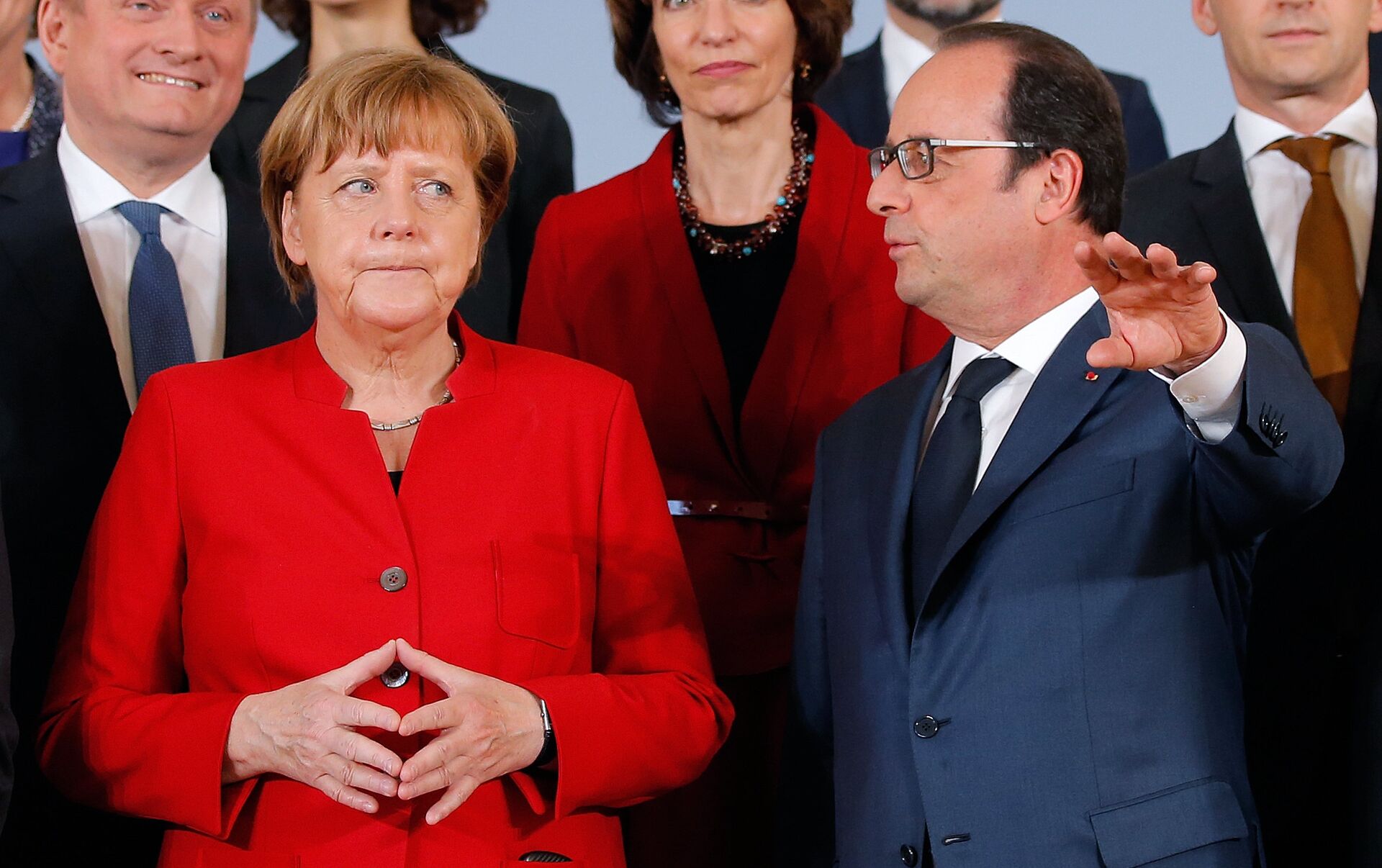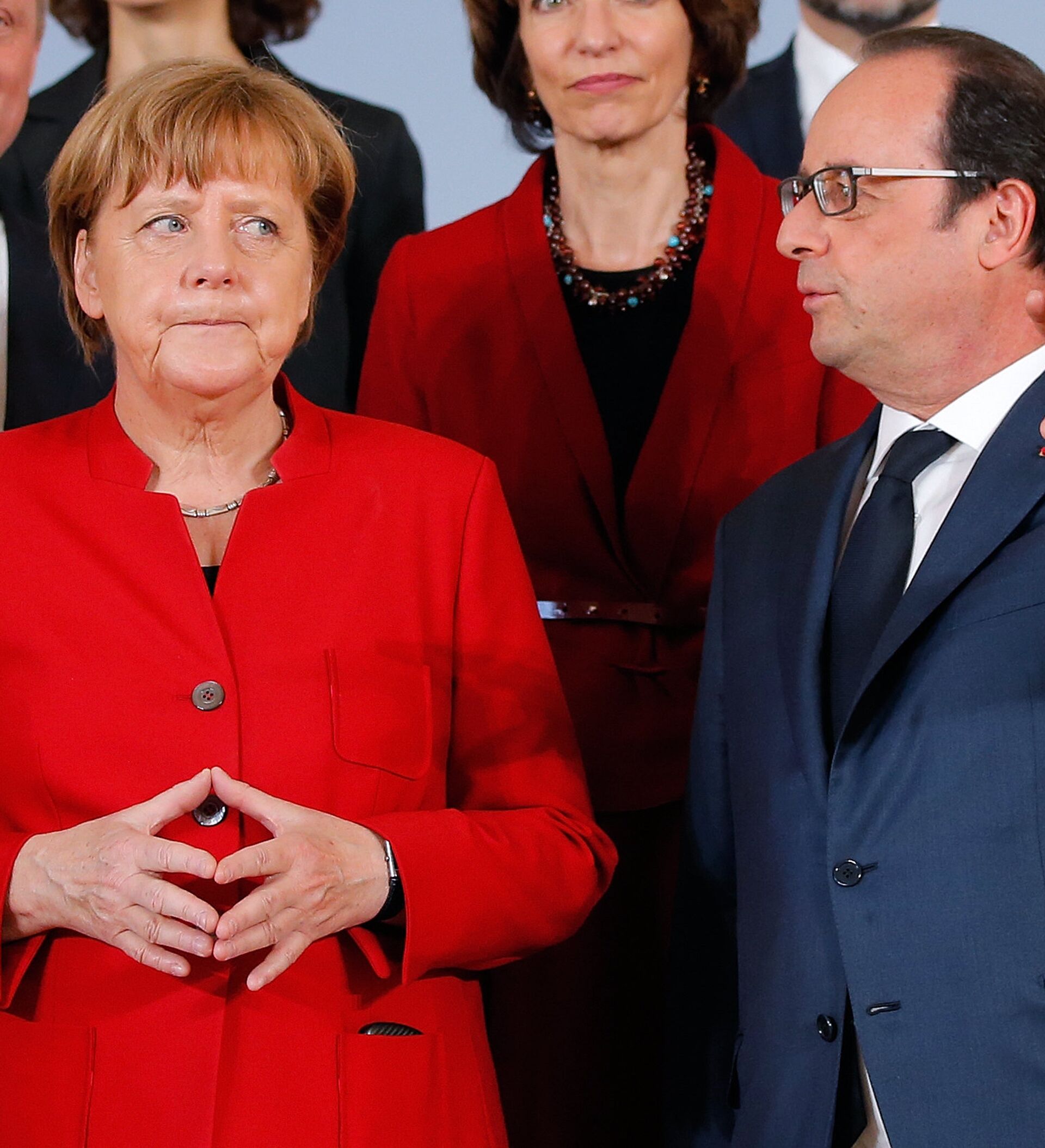
Both leaders are facing domestic political crises. Merkel is under fire for creating the European migrant crisis and for failing to take control of its effect on Germany, which has seen more than a million migrants enter the country since the beginning of 2015.
Hollande is under pressure for failing to turn round the economy and has had to perform a series of U-turns on reforms to the constitution and is facing stiff opposition to his reforms to the labor laws, which have caused mass demonstrations throughout France.
Mandatory Relocation
Many NGOs as well as the UN Refugee Agency (UNHCR) have refused to take part in the scheme, saying the 'hotspots' in Greece where migrants are processed are 'detention centers' that violate the human rights of migrants. They also say that Turkey is not a 'safe haven' because of its human rights record.
Merkel's other plan — the relocation of refugees within the EU on a mandatory quota system — has also attracted criticism.
"We are not in favor of a permanent relocation mechanism. The time now is to implement what has been discussed, negotiated… hot spots (registration centers for migrants arriving in the EU) external border controls etc.," French Prime Minister Manuel Valls said.
Stephan Martens, who writes for Le Monde Diplomatique said:
"Germany has lost confidence in France and Angela Merkel no longer believes in Hollande.
"First, the French economic reforms as expected are not set in motion. The farce of the Labor Law is, in the eyes of the Germans, the latest illustration of a blocked country. Also, personally, Angela Merkel feels deep disappointment of the French government for its lack of solidarity in the migration crisis."