The UK Foreign Office has compiled a list of UNESCO World Heritage Sites which cannot be safely visited. The "black list" includes 66 places scattered over many countries. Let's examine those dangerous but nevertheless unique and amazing locations.
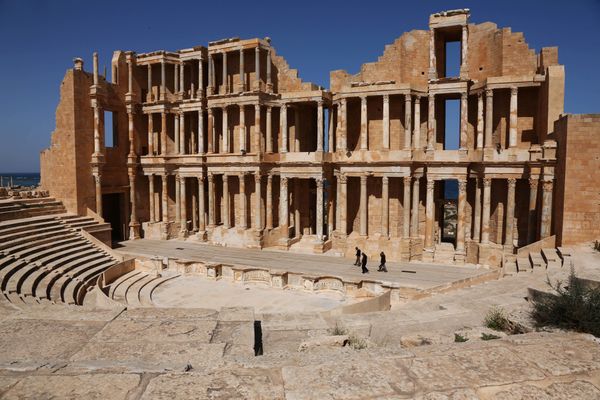
The trade settlement of Sabratha was established by the Phoenicians in the 7th-6th centuries BC on the Mediterranean Gulf of Sidra in Libya. The site has preserved a Roman theater, temples erected to worship Greek and Egyptian gods, and a Christian basilica which dates back to the reign of Byzantine Emperor Justinian.
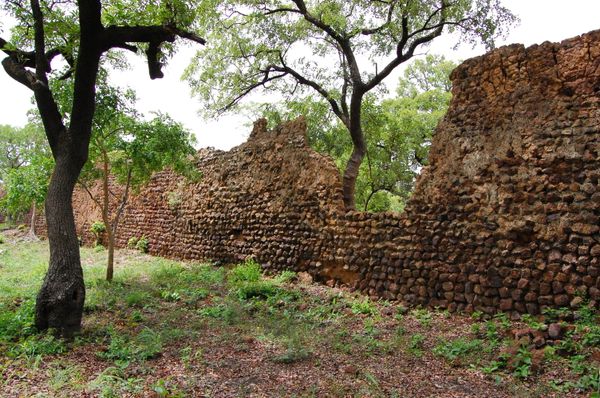
The ruins of the ancient town of Loropeni are situated in Burkina Faso (West Africa). Once a fortress, the place flourished during the trans-Saharan gold trade. Archeologists suppose that the town was founded by the Lohron or Koulango peoples in the 11th century.
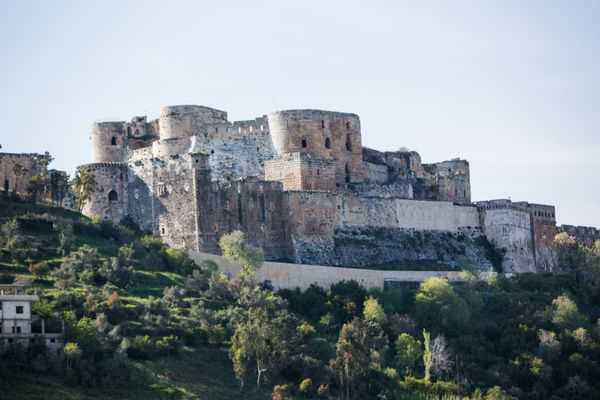
Krak des Chevaliers castle is Hospitaller Knights’ fortress which has withstood the ravages of time. It was built atop a 650-meter cliff some 65 kilometers away from Syria’s Homs. Earthquakes and the civil war partially damaged the historic monument.
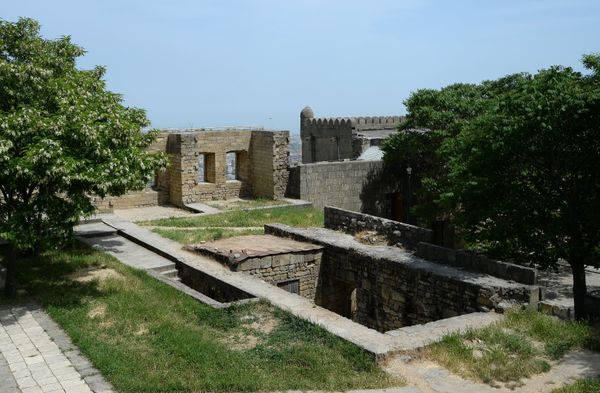
Derbent in Russia’s Dagestan has a double wall that dates back to Sasasian times and witnessed Persians, Arabs and Mongols. Derbent also has the Naryn-Kala fortress and the first mosque in Russia. Before Crimea’s reunification with Russia in 2014, Derbent had been the oldest town in the country.
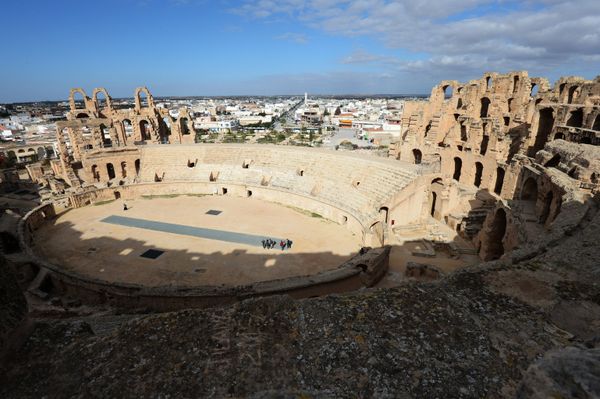
The amphitheater of El Jem in Tunisia is an outstanding symbol of Imperial Rome and the third largest building of its kind in the fallen empire. Built in the 3rd century, it could welcome up to 35,000 spectators. The scenes of Russell Crowe’s Gladiator movie were shot in this venue.
6/6
© Wikipedia
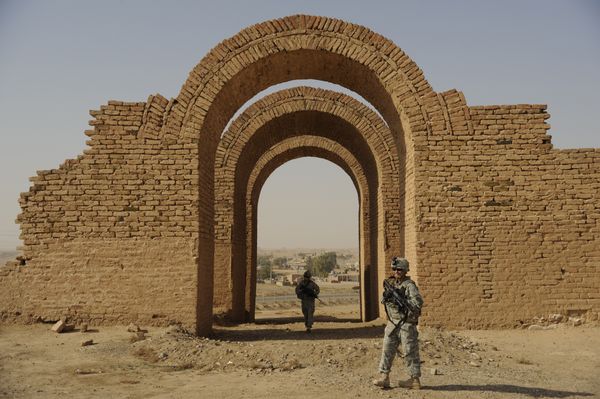
Assyria’s capital Ashur is located 260 kilometers from Baghdad on the western bank of the river Tigris. People lived there by the middle of the third millennium BC. In 2015 Daesh occupied the territory around Ashur, and the historic town was damaged by explosions.