Prehistoric Enigmas Craving for Keys: Earth's Most Mysterious Monuments
Prehistoric Enigmas Craving for Keys: Earth's Most Mysterious Monuments
Sputnik International
Our planet is dotted with baffling monuments of unknown origin and purpose. Scientists have been racking their brains over these riddles... 15.05.2016, Sputnik International
Our planet is dotted with baffling monuments of unknown origin and purpose. Scientists have been racking their brains over these riddles for years, but the more answers they come up with, the more new questions arise. Let’s explore some of the most inscrutable monuments scattered across the planet.
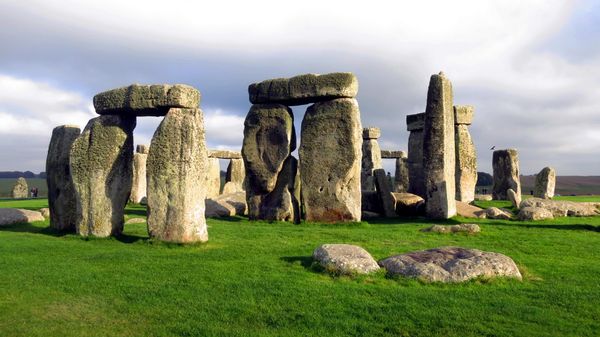
Legend has it that Stonehange was erected by Merlin the wizard. But from the scientific perspective, the monument had emerged long before the life of King Arthur’s wise companion. It is still unclear how people transported the monumental blocks from a quarry located hundreds of kilometers away. And what was the purpose of the structure? Was it an observatory (the megaliths form a precise model of the Solar System), a sanctuary (as it was used by druids) or something else?
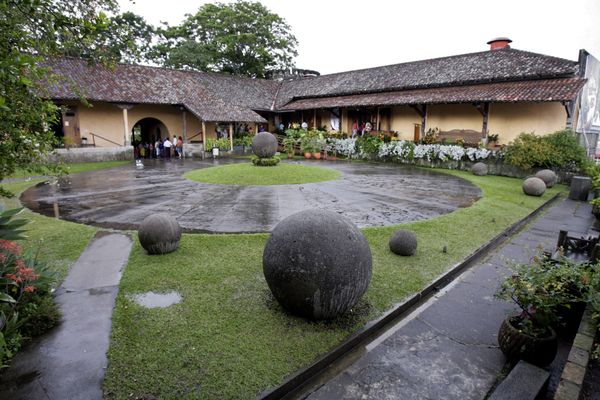
Over 300 petrospheres in Costa Rica had nearly fallen victim to workers who thought that gold was hidden inside of them. It is impossible to determine what those spheres symbolize, what kind of force manufactured them and when they were crafted.
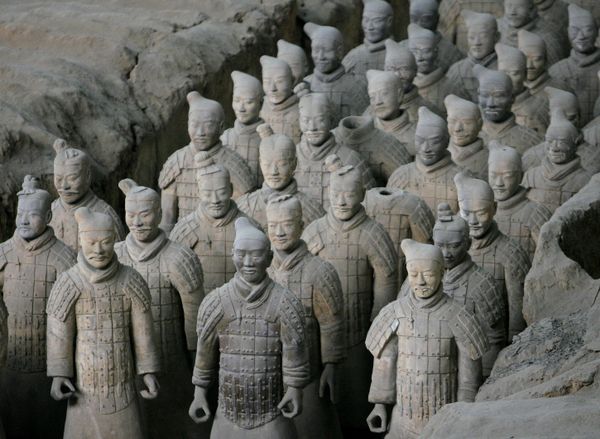
The mausoleum of Chinese emperor Qin Shi Huang musters over 8,000 statues of warriors and horses. They were buried together with their lord unconventionally – instead of real people and animals. The hand-made Terracotta Army dating back to 200 BC depicts the soldiers in full size. Moreover, the figures are detailed to the outmost degree, and you cannot see two identical faces there. An old legend about mercury rivers flowing around the buried emperor makes archeologists work very carefully there.
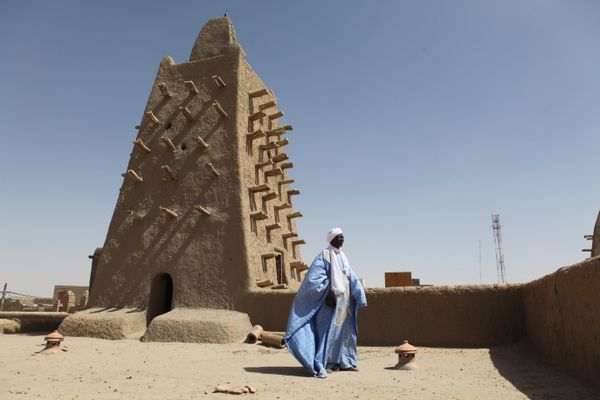
French explorer Rene Caillie was the first European who returned alive from the town of Timbuktu in Mali, disguised as a pilgrim. The city is famous for its unique earthen architecture.
Above: a man stands in front of the Djingareyber mosque on February 4, 2016 in Timbuktu, central Mali.
Newsfeed
0
Access to the chat has been blocked for violating the rules .
You will be able to participate again through:∞.
If you do not agree with the blocking, please use the feedback form
The discussion is closed. You can participate in the discussion within 24 hours after the publication of the article.