The robotic bee mini-drone is no bigger than a US quarter dollar coin, yet past mini-drone devices have faced difficulties in the range they can cover. Scientists have now developed a way for the mini-drones to attach themselves to surfaces, using electro-magnetic energy and a small sponge surface, allowing them to rest and conserve energy much like flying insects.
The technology creates electrostatic adhesion, the same science which can cause a balloon to stick to a wall. This allows the small robots to attach themselves to virtually any surface.
While scientists say that this could revolutionize search and rescue technology, many have raised concerns over the use of such robots in covert surveillance. The robot in its current form and size can carry microphones and recording devices, and could easily go undetected, hanging from the underside of a plant to listen in on secret conversations.
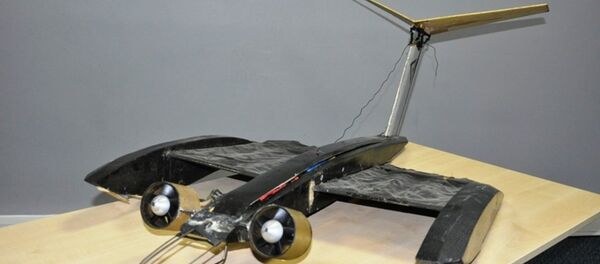
The next step in the mini-drone development will be finding ways to include renewable energy sources, such as solar panels, to allow the device to charge as it rests.
It is not the first time that Hollywood style spy technology has created a fear of big brother surveillance.
As early as 2007 scientists were researching the development of Micro Air Vehicles (MVAs) which lead to several hoaxes suggesting that the US Military had developed a robotic mosquito which could take DNA samples from people undetected.
The new developments have left the scientific community "buzzing" at the possibilities this creates for the future of micro-robotics.