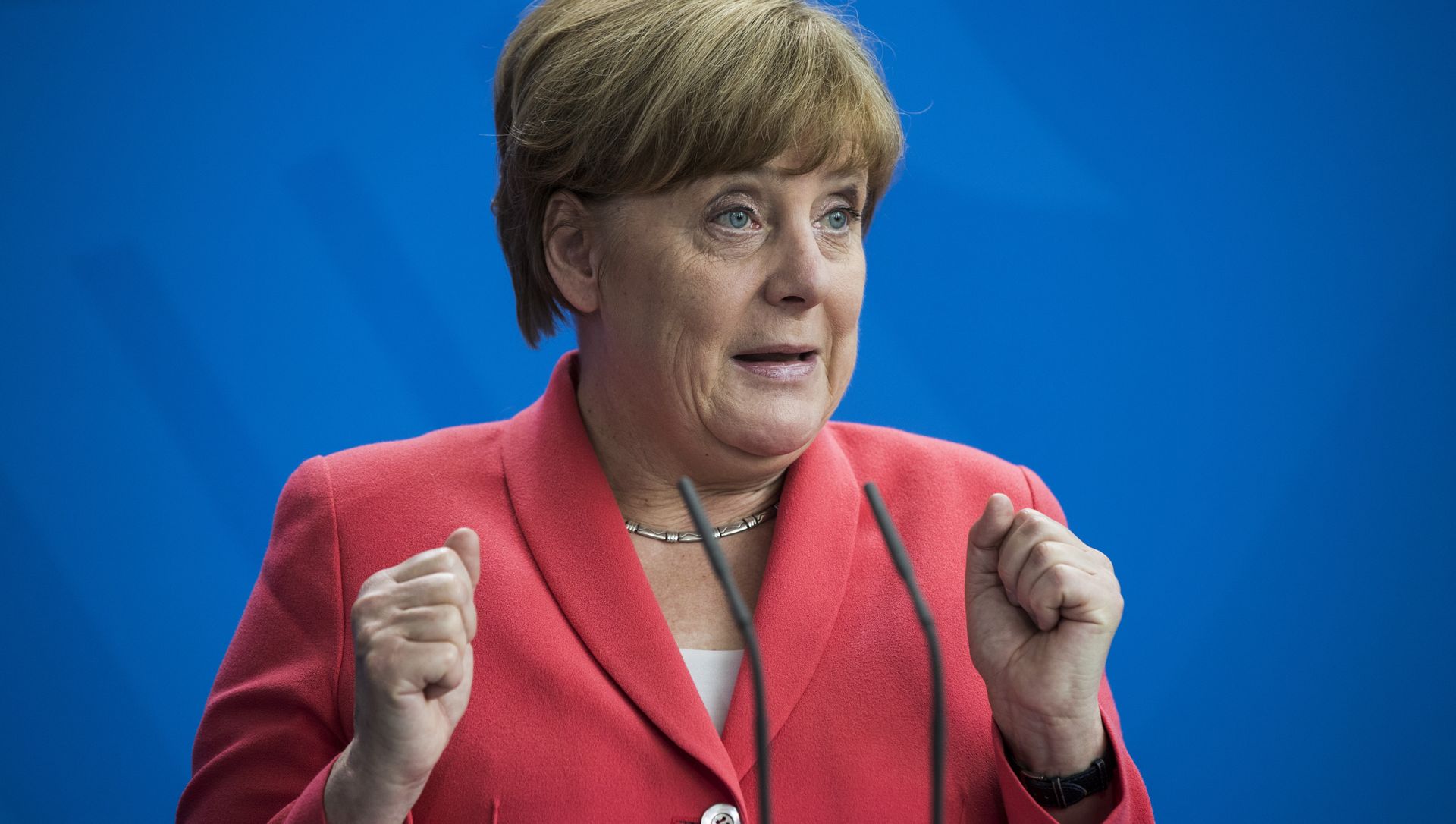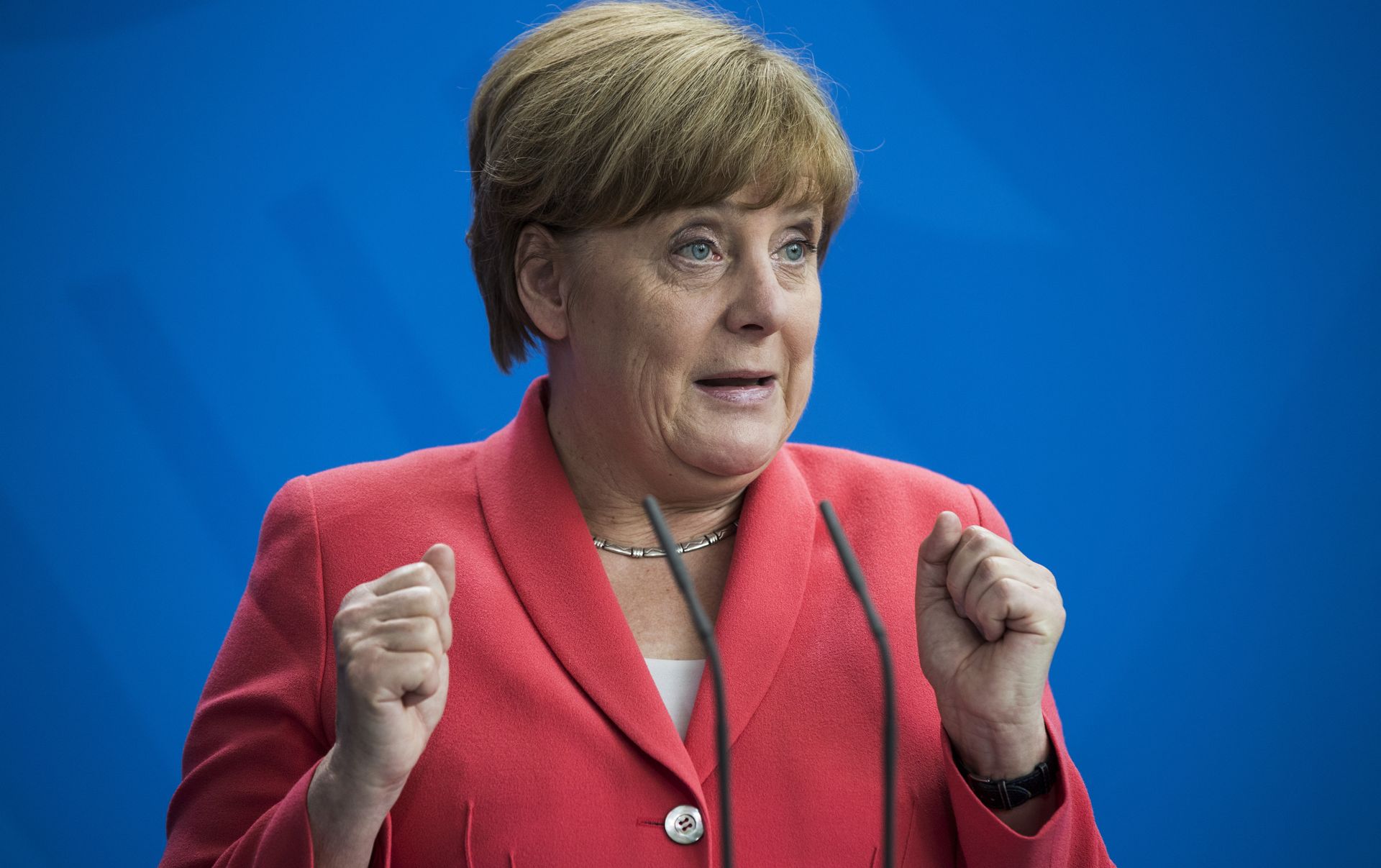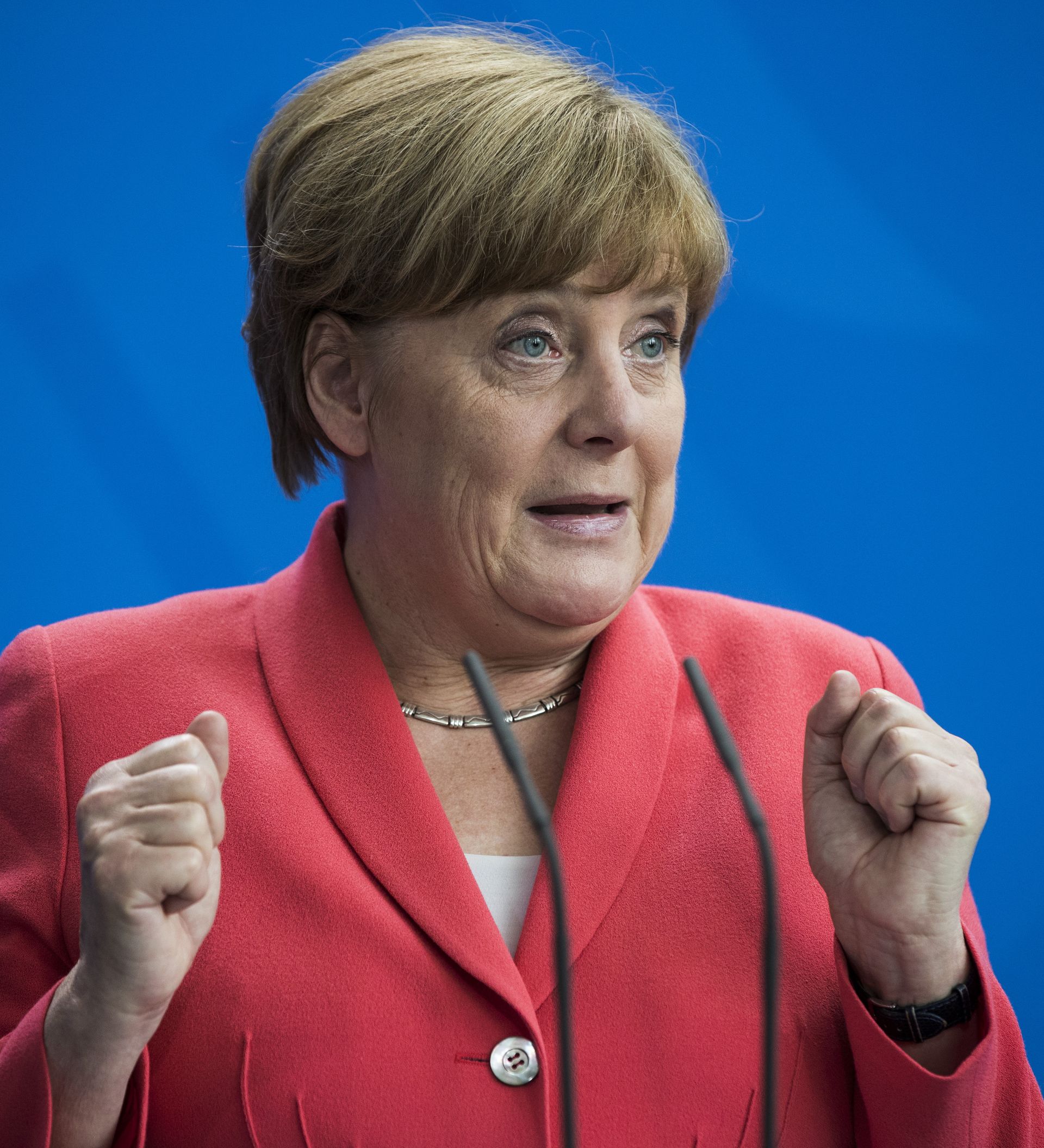
Merkel told German TV that much had been achieved since she declared an "open doors policy" to refugees in 2015.
"We have achieved a lot since then and we need to do some more. We are at a completely different position since last year," Merkel said.
She had come in for severe criticism for opening the floodgates to over a million migrants, precipitating the European migrant crisis. At home, she was panned for the crisis of federal states and major cities struggling to cope with processing the migrants, housing them and giving them basic assistance and housing.
She said that the Federal Office for Migration and Refugees (BAMF) had thousands of new employees dealing with the newcomers and that the government in Berlin is supporting local administrations and state governments in overcoming the crisis.
Meanwhile, half of those polled for newspaper Welt am Sonntag said Merkel should not stand for a fourth consecutive term in next year's election.
Merkel is already facing a tough battle in regional elections in Mecklenburg-Vorpommern, Lower Saxony and Berlin in September. In the latest poll, commissioned for media outlets Ostsee-Zeitung, Nordkurier, Schweriner Volkszeitung and NDR, almost one in four will vote for either the right-wing populist AfD or the far-right ultranationalist National Democratic Party of Germany (NPD).
Popularity Plummeting
Merkel has refused to bend for call to cap the total number of refugees Germany will take this year, causing anger in Bavaria, where her sister party leader Horst Seehofer has had to deal with the flood of migrants coming over the border from Austria. He has threatened to stand against her in the federal elections next year.
#Merkel visits #Prague to hundreds of protesters. Her popularity is very low here, seen responsible for migration. pic.twitter.com/11iDBlABAr
— Peter ⚒ Spina (@goldseek) August 25, 2016
Merkel said, June 18, refugees had not brought terrorism to Germany, adding that Islam belonged in the country as long as it was practiced in a way that respected the constitution. Germany has been rocked by a spate of attacks on civilians — some of them connected with Daesh, or ISIL, stoking further anti-migrant sentiment within Germany.
"The phenomenon of Islamist terrorism, of IS [Daesh], is not a phenomenon that came to us with the refugees," Merkel said at an election campaign event for her Christian Democrats in the eastern state of Mecklenburg-Vorpommern.
Merkel's popularity has suffered in the wake of the attacks and 52 percent of Germans think her migrant policy is bad, according to a recent poll published by broadcaster ZDF.