https://sputnikglobe.com/20161116/eu-etias-fee-schengen-zone-1047492279.html
EU Commission to Introduce 5-Euro Fee for Tourists Coming to Schengen Area
EU Commission to Introduce 5-Euro Fee for Tourists Coming to Schengen Area
Sputnik International
The decision to introduce a 5-euro ($5.36) fee for tourists arriving in the Schengen Area from non-EU countries that have a visa-free regime with the European... 16.11.2016, Sputnik International
2016-11-16T10:07+0000
2016-11-16T10:07+0000
2023-02-09T11:59+0000
https://cdn.imgsputnikglobe.com/i/logo/logo-social.png
Sputnik International
feedback@sputniknews.com
+74956456601
MIA „Rossiya Segodnya“
2016
Sputnik International
feedback@sputniknews.com
+74956456601
MIA „Rossiya Segodnya“
News
en_EN
Sputnik International
feedback@sputniknews.com
+74956456601
MIA „Rossiya Segodnya“
Sputnik International
feedback@sputniknews.com
+74956456601
MIA „Rossiya Segodnya“
newsfeed, europe, european commission, european union (eu)
newsfeed, europe, european commission, european union (eu)
EU Commission to Introduce 5-Euro Fee for Tourists Coming to Schengen Area
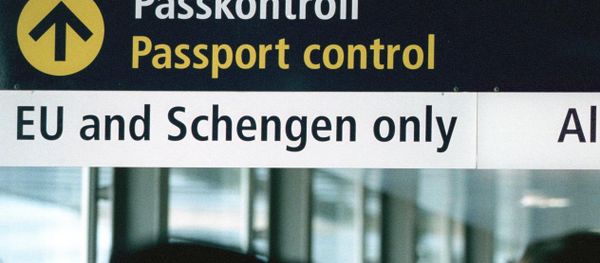
10:07 GMT 16.11.2016 (Updated: 11:59 GMT 09.02.2023) The decision to introduce a 5-euro ($5.36) fee for tourists arriving in the Schengen Area from non-EU countries that have a visa-free regime with the European Union is expected to be issued by the European Commission on November 16, according to a source.
BRUSSELS (Sputnik) – The European Commission is going to introduce a 5-euro ($5.36) fee for tourists arriving in the Schengen Area from non-EU countries that have a visa-free regime with the European Union, a source told RIA Novosti on Wednesday.
"The decision is expected to be issued by the European Commission on Wednesday," the source said.

26 October 2016, 13:01 GMT
The fee will be a prat of the European Travel Information and Authorisation System (ETIAS), an automated system collecting data about visa-exempt travelers.
The system will gather the information on travelers prior to their trip and assess whether such travel poses a security or migration risk for the EU member states.