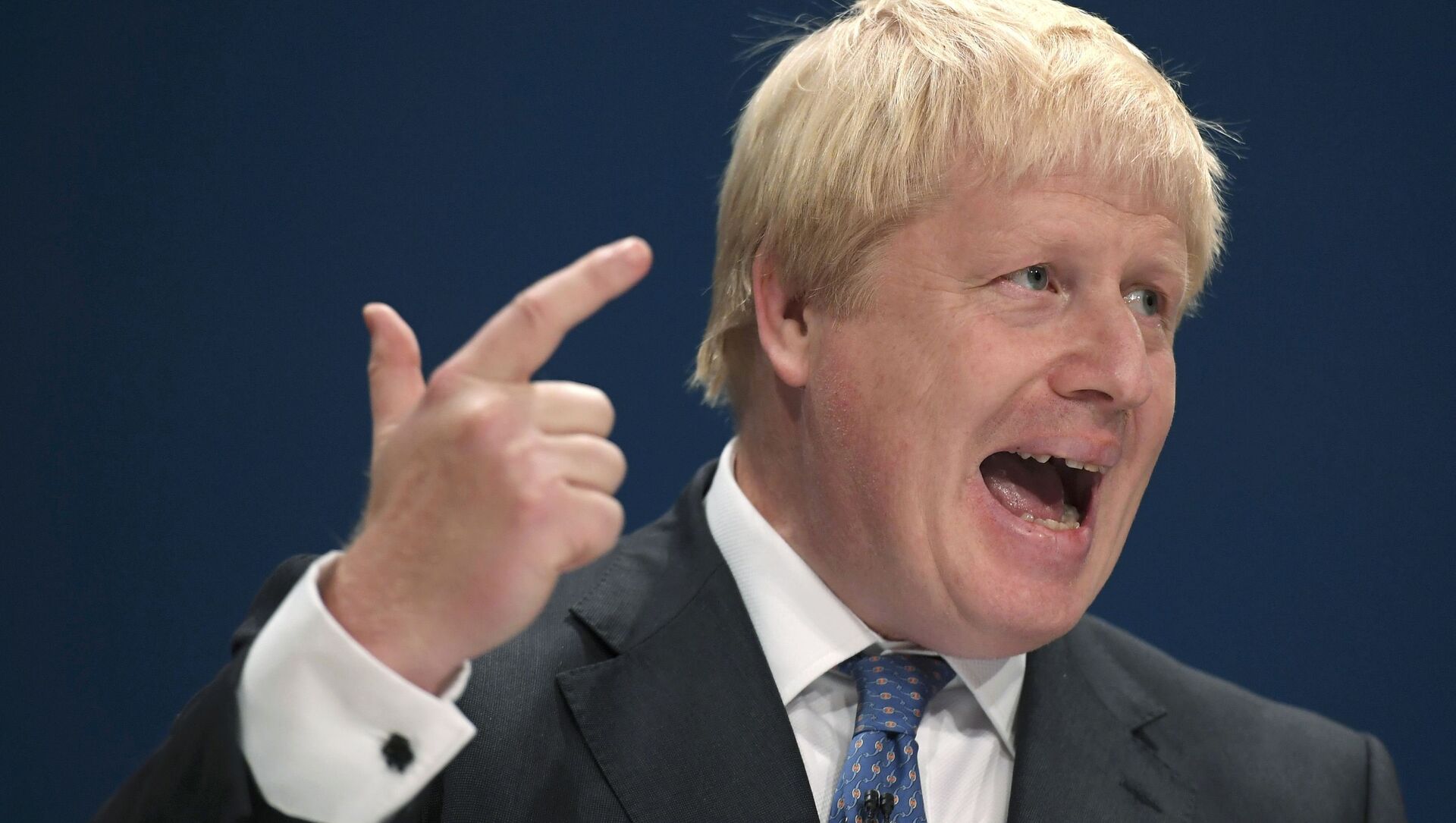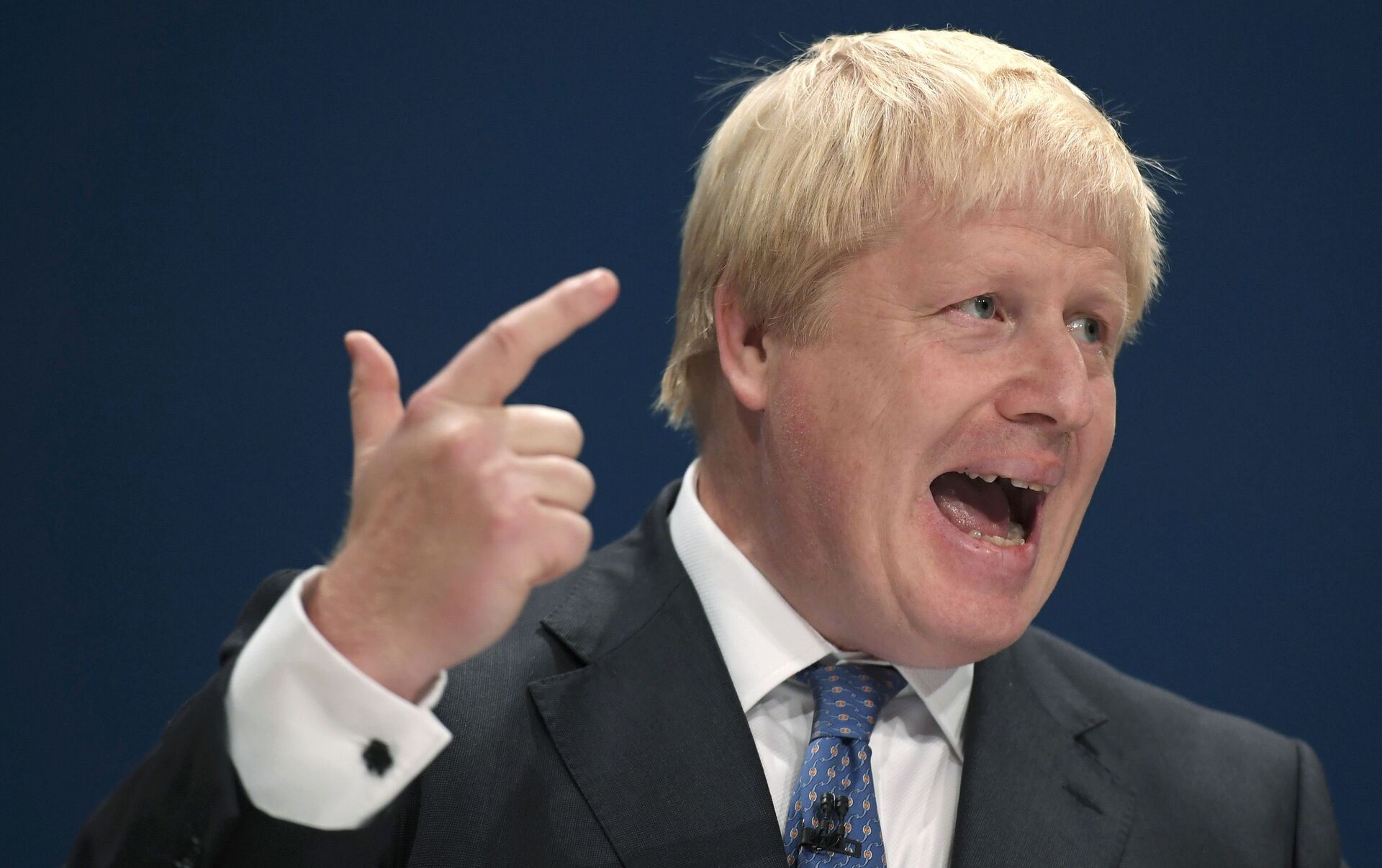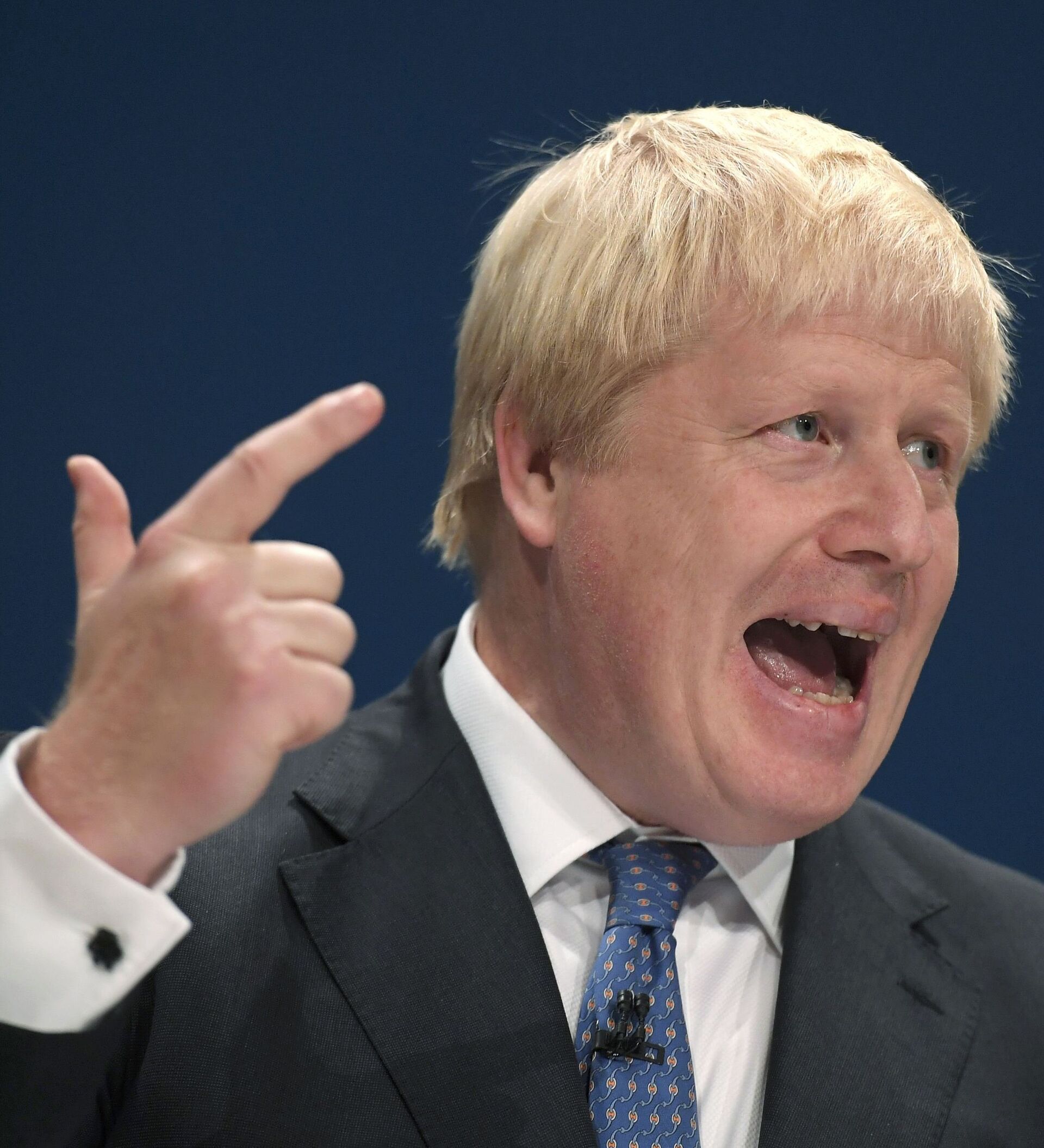
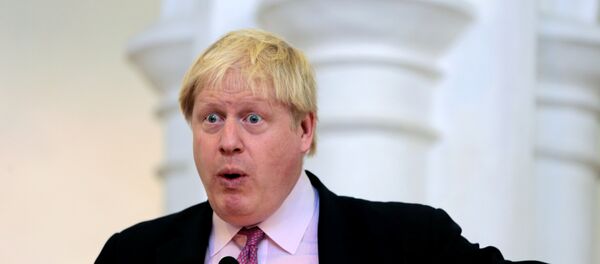
“We want a strong EU and strong UK relationship with the EU,” UK Foreign Office quoted Johnson on its Twitter account.
Speaking at the Royal Institute of International Affairs, the foreign secretary stressed that Britain would not undermine EU integration efforts and hinder potential development of the EU security system, currently discussed by member-states.
Nevertheless, the United Kingdom opposes forming of EU armed forces, according to Johnson, since it will undermine NATO.
Johnson also pointed out that by leaving the European Union Britain was not “slamming the door shut,” adding that it was just regaining control over democratic institutions.
On June 23, the United Kingdom voted on referendum to leave the European Union. UK Prime Minister Theresa May said the country would trigger Article 50 by the end of March 2017, thus kick-starting withdrawal negotiations.
The plan to create the EU army, which goes back to 1950, was revived in March 2015 by European Commission President Jean-Claude Juncker. He said the European Union needed its own unified army to respond to modern threats posed to EU member states. Major proponents of such EU-wide army are Germany, France and Italy, while the United Kingdom considers it will weaken NATO. With Britain's decision to leave the bloc, this hurdle on the way is to be removed.