According to US legislation, all Cabinet-level officials who are nominated by the president-elect (with the notable exception of the White House Chief of Staff) have to be approved by the Senate, along with more than a thousand other agency heads and senior posts.

Hence he will have to start with official nominations once he's sworn in. Trump however, like presidents before him, has already publicly announced his nominations before the Inauguration Day to give the Senate a heads up about his planned appointments.
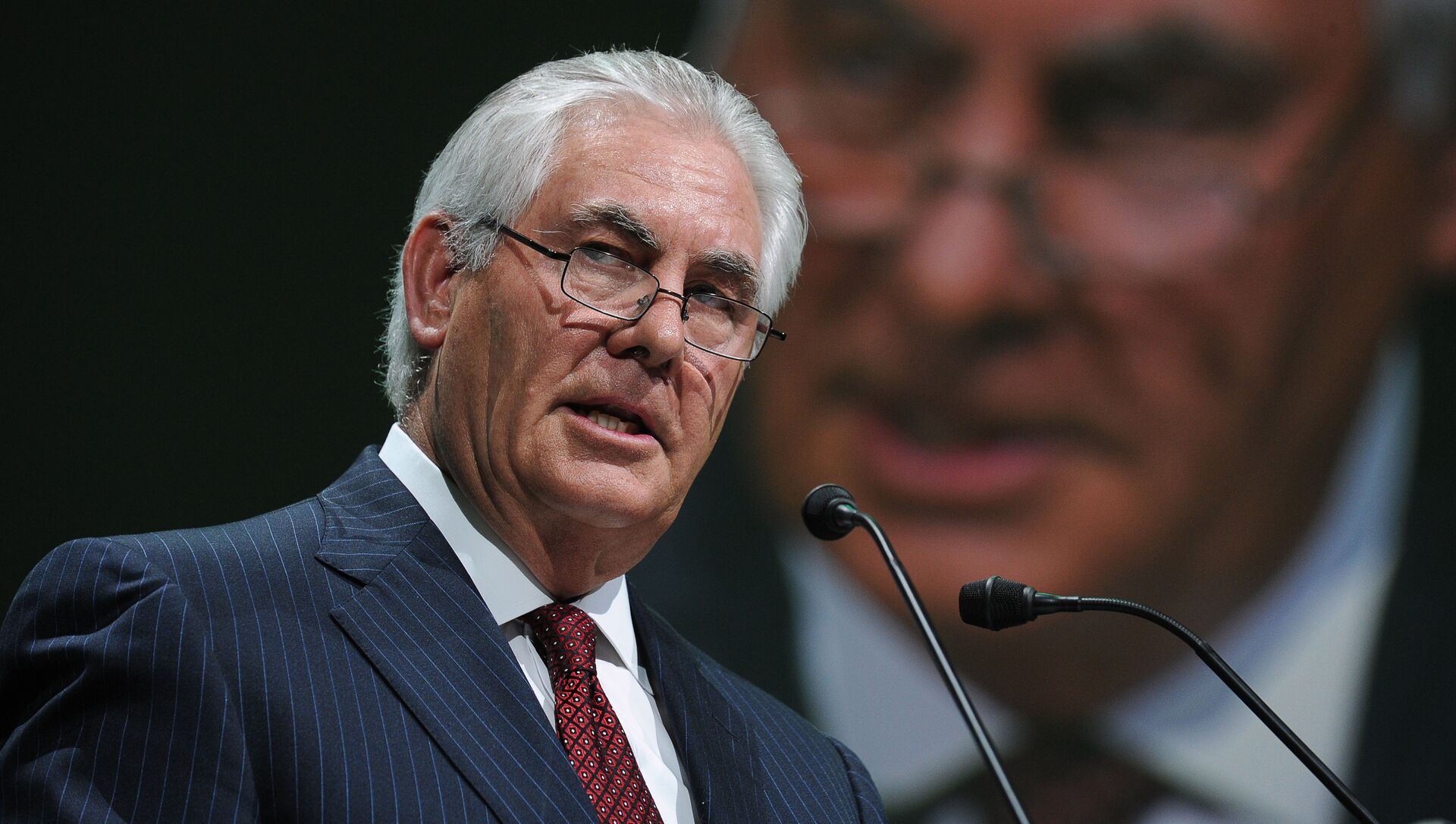
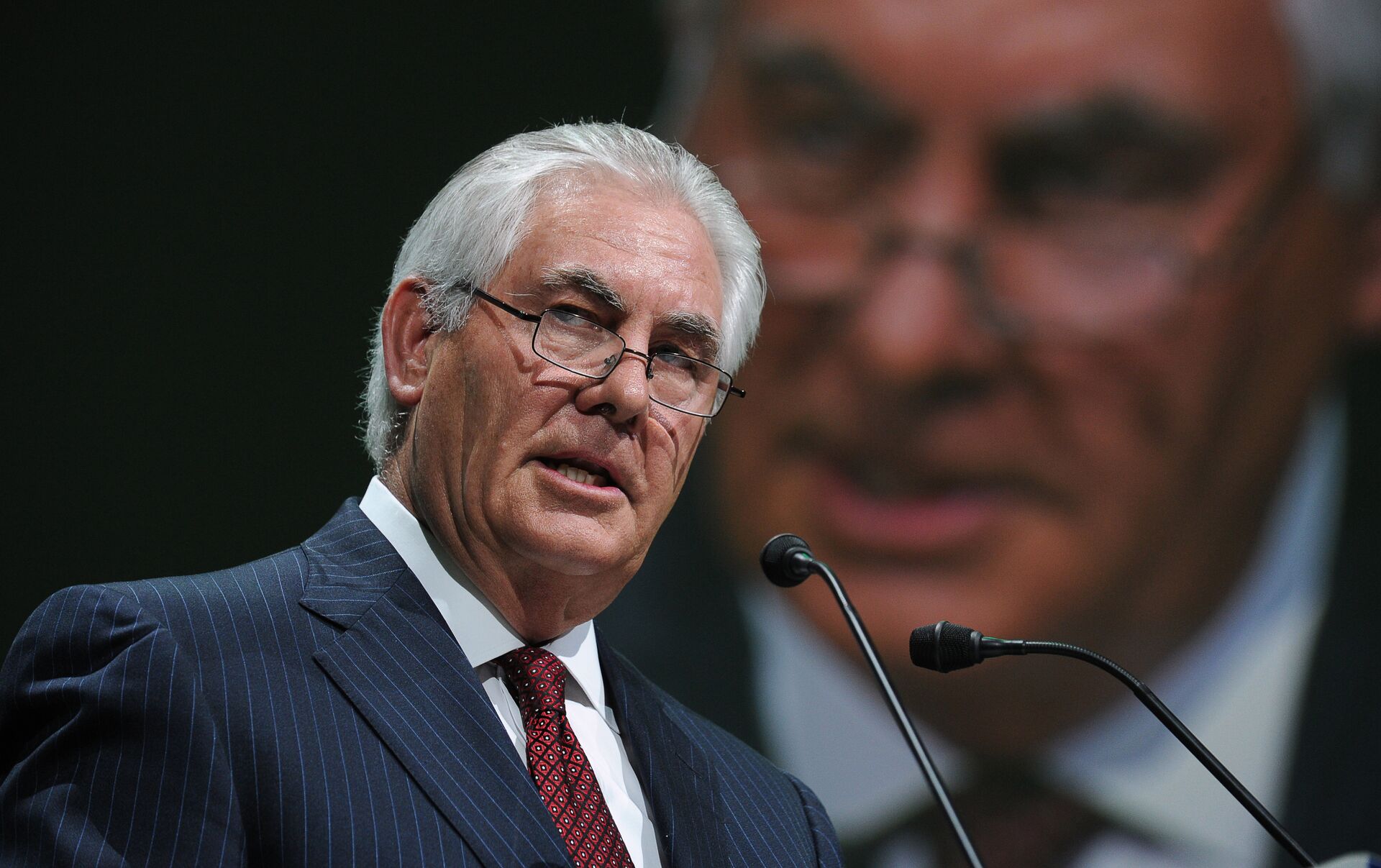
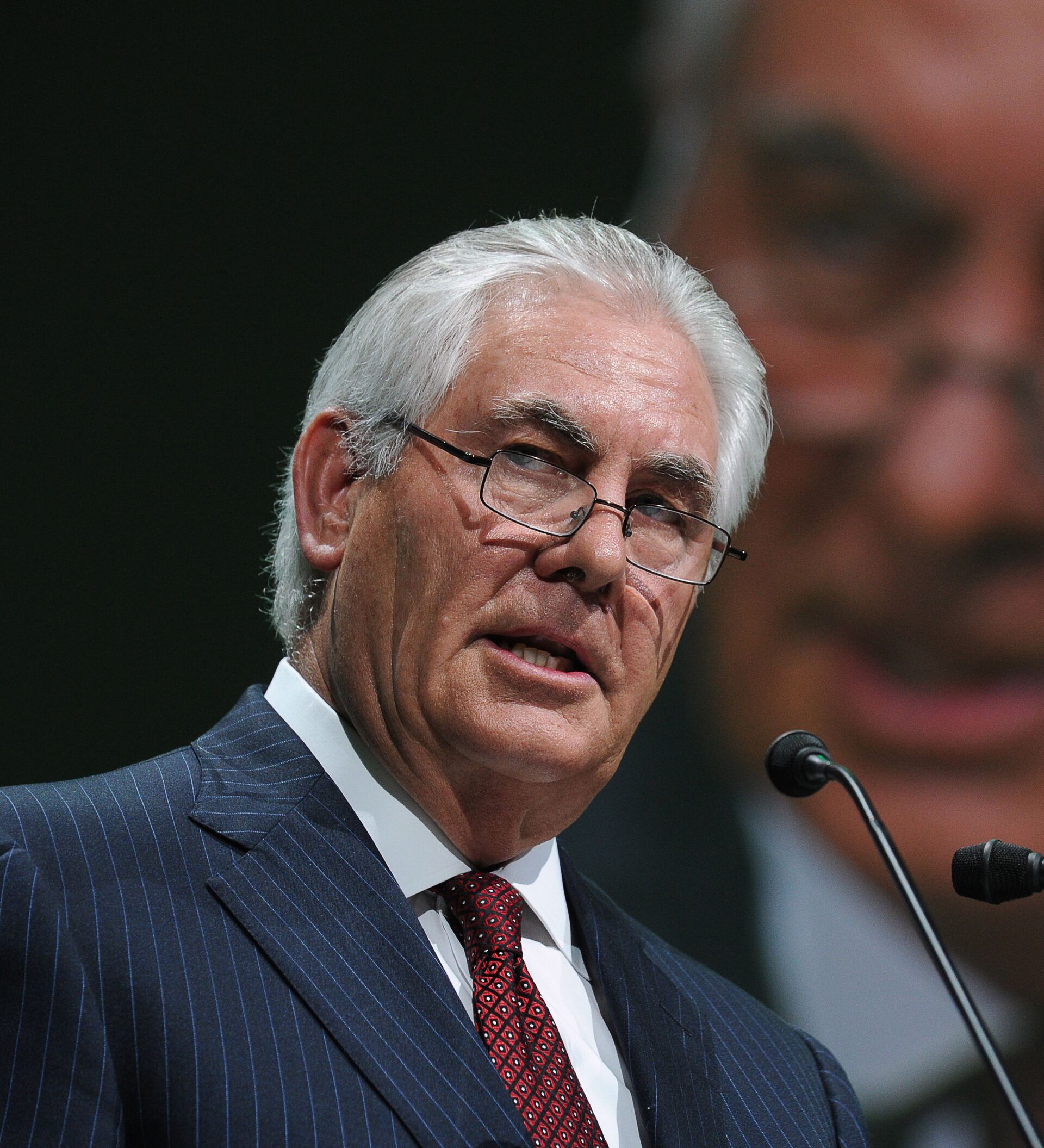
Jean-Éric Branaa, one of the leading French specialists in American sociopolitical issues and a lecturer at Paris 2-Assas University however explained why the confirmation of Donald Trump's nominee ExxonMobil CEO Rex Tillerson, who is widely regarded as a pro-Russian businessman, as the next US Secretary of State is not a foregone conclusion.
The nominations first go to the relevant committee of the US Senate, in the case of the US Secretary of State it is the committee on Foreign Relations, French political analyst told RTBF Radio network, the public broadcasting organization of the French Community of Belgium.
This committee consists of 19 members, 9 of whom are Democrats and 10 – Republicans. Hence, Branaa explained, one Republican vote against will be enough to annul the candidacy and to oblige the president to appoint a new candidate for the position.
The nine Democrats will definitely vote against Tillerson as the Democratic senators have already voiced their plans to aggressively target eight of Donald Trump's Cabinet nominees in the coming weeks and to stretch their confirmation votes into March.
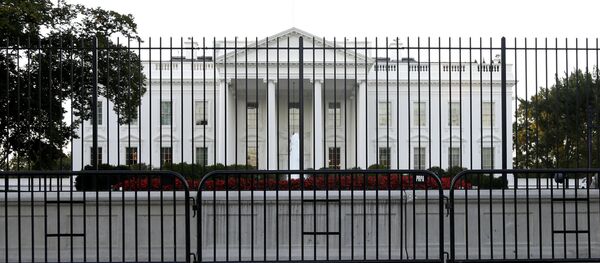
Republicans currently enjoy a 52-48 majority in the Senate. Democrats already faced an uphill battle to defeat Trump’s Cabinet picks because in 2013, when they were in the majority, they resorted to the “nuclear option,” changing Senate rules to confirm nominees with 51 votes instead of 60.
However that doesn't mean that Democrats can't make the process difficult.
According to US media reports, Democrats, hamstrung by their minority status, are determined to slow-walk Trump's picks unless they start disclosing reams of personal financial data they've withheld so far.
Any individual senator can place a hold on a candidate by asking his or her party leader to delay the vote. This rule was originally intended to give senators a means to delay votes due to things like scheduling conflicts.
But now, the informal rule has evolved into one of the minority party's most effective means of blocking a nominee.
Although Democrats pushed through new "nuclear" rules in 2013 that limit procedural filibusters for executive nominations, they can still force up to 30 hours of debate for each of Trump's nominations, which could drag the process out for weeks, given the limited hours the Senate has to work with.

Meanwhile media reports suggest that Some of Donald Trump’s most bitter critics among Senate Republicans are warming to the idea of giving the president-elect his choice of Cabinet members, further complicating Democrats’ plans to impede the confirmation process.
Some Democrats have also expressed mixed feelings about delaying the approval of Trump's Cabinet and other appointments, pointing to the importance of filling these high-level positions.
Hence it will be clear in the days to come whether the "pro-Russian" Rex Tillerson will be able to become the 69th person to hold the office since its creation by Congress in July 1789.
Never miss a story again — sign up to our Telegram channel and we'll keep you up to speed!