On the Line on Duty: Number of UK Soldiers Abusing Marching Powder Rises
On the Line on Duty: Number of UK Soldiers Abusing Marching Powder Rises
Sputnik International
It has been revealed that around 1,000 members of the UK Armed Forces were busted for using illegal drugs in 2016, a year-on-year leap of almost a third. 17.01.2017, Sputnik International
In all, the figures, obtained via freedom of information laws, equate to roughly three servicepeople testing positive for illicit substances such as cannabis, cocaine and ecstasy on a daily basis. The biggest rise was witnessed in the Royal Air Force, with the number of individuals testing positive for drugs doubling from 40 in 2015 to 80 in 2016. Over the course of the year, 730 soldiers in the UK Army tested positive, which is more individuals than make up an entire infantry regiment, compared with 570 in 2015. The Royal Navy saw a 60 percent increase, with offenders rising to 50 from 30. At least 50 service personnel tested positive for illegal steroids. The Royal Regiment of Scotland had 90 failures, while the Royal Engineers had 110. In a regal twist, the Foot Guards, which watch over Buckingham Palace and Windsor Castle and take part in ceremonial events year-round, were among the worst offenders. Over the course of 2015/16, 80 members of the outfit tested positive for drugs.In September 2016, mobile phone footage emerged of a major and a captain from the Coldstream Guards snorting cocaine off a ceremonial sword. One of the men was identified as Major James Coleby, a decorated Afghanistan and Iraq war veteran who had previously escorted French President Francois Hollande on a troop inspection.The UK armed forces claims to have a zero-tolerance policy in respect of illegal drug use, with any personnel caught taking drugs subject to immediate discharge, but 2015's figures indicate a shortfall in the number of dishonorable discharges versus the amount of drug offenses detected.It's unclear whether disciplinary hearings in the other cases are yet to begin, are ongoing, or whether mitigating circumstances prevented offenders from being sacked. A Ministry of Defense spokesperson is reported to have said that compulsory drug tests were regularly conducted, and only around 0.3 percent of the UK Armed Forces failed them. Anyone caught can expect to be disciplined. Drugs are almost nine times more damaging to troop numbers than deaths in service. Ministry of Defense figures indicate that in 2015, there were 60 deaths in the UK Armed Forces; 11 deaths in the Navy, 39 in the Army and 10 in the RAF.
life, newsfeed, europe, military & intelligence, society, united kingdom (uk), great britain, uk ministry of defence, british army, british royal navy, drugs, health, army, soldiers, drug use
life, newsfeed, europe, military & intelligence, society, united kingdom (uk), great britain, uk ministry of defence, british army, british royal navy, drugs, health, army, soldiers, drug use
On the Line on Duty: Number of UK Soldiers Abusing Marching Powder Rises
It has been revealed that around 1,000 members of the UK Armed Forces were busted for using illegal drugs in 2016, a year-on-year leap of almost a third.
In all, the figures, obtained via freedom of information laws, equate to roughly three servicepeople testing positive for illicit substances such as cannabis, cocaine and ecstasy on a daily basis. The biggest rise was witnessed in the Royal Air Force, with the number of individuals testing positive for drugs doubling from 40 in 2015 to 80 in 2016.
Over the course of the year, 730 soldiers in the UK Army tested positive, which is more individuals than make up an entire infantry regiment, compared with 570 in 2015. The Royal Navy saw a 60 percent increase, with offenders rising to 50 from 30. At least 50 service personnel tested positive for illegal steroids. The Royal Regiment of Scotland had 90 failures, while the Royal Engineers had 110.
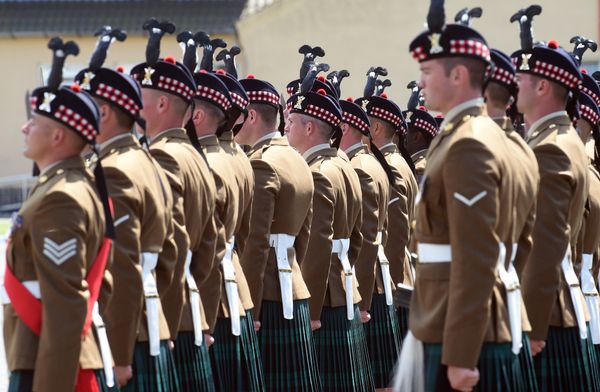
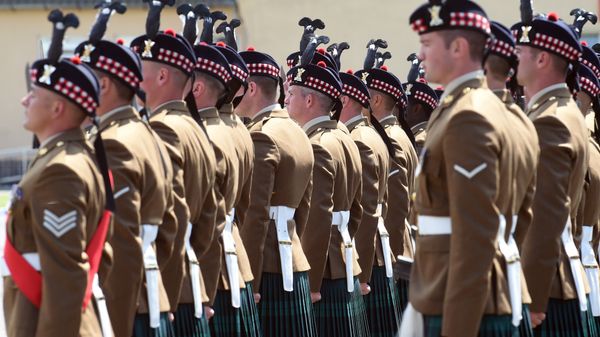
Soldiers of the 4th Battalion The Royal Regiment of Scotland
In a regal twist, the Foot Guards, which watch over Buckingham Palace and Windsor Castle and take part in ceremonial events year-round, were among the worst offenders. Over the course of 2015/16, 80 members of the outfit tested positive for drugs.
In September 2016, mobile phone footage emerged of a major and a captain from the Coldstream Guards snorting cocaine off a ceremonial sword. One of the men was identified as Major James Coleby, a decorated Afghanistan and Iraq war veteran who had previously escorted French President Francois Hollande on a troop inspection.
The UK armed forces claims to have a zero-tolerance policy in respect of illegal drug use, with any personnel caught taking drugs subject to immediate discharge, but 2015's figures indicate a shortfall in the number of dishonorable discharges versus the amount of drug offenses detected.
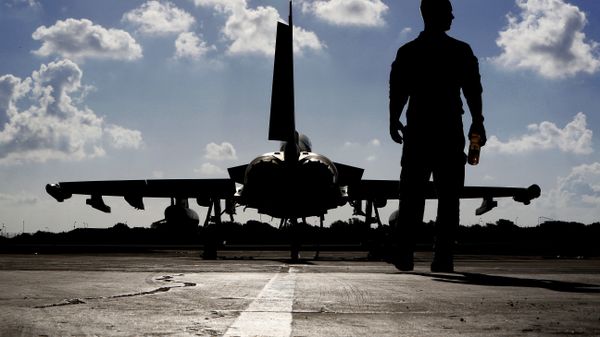
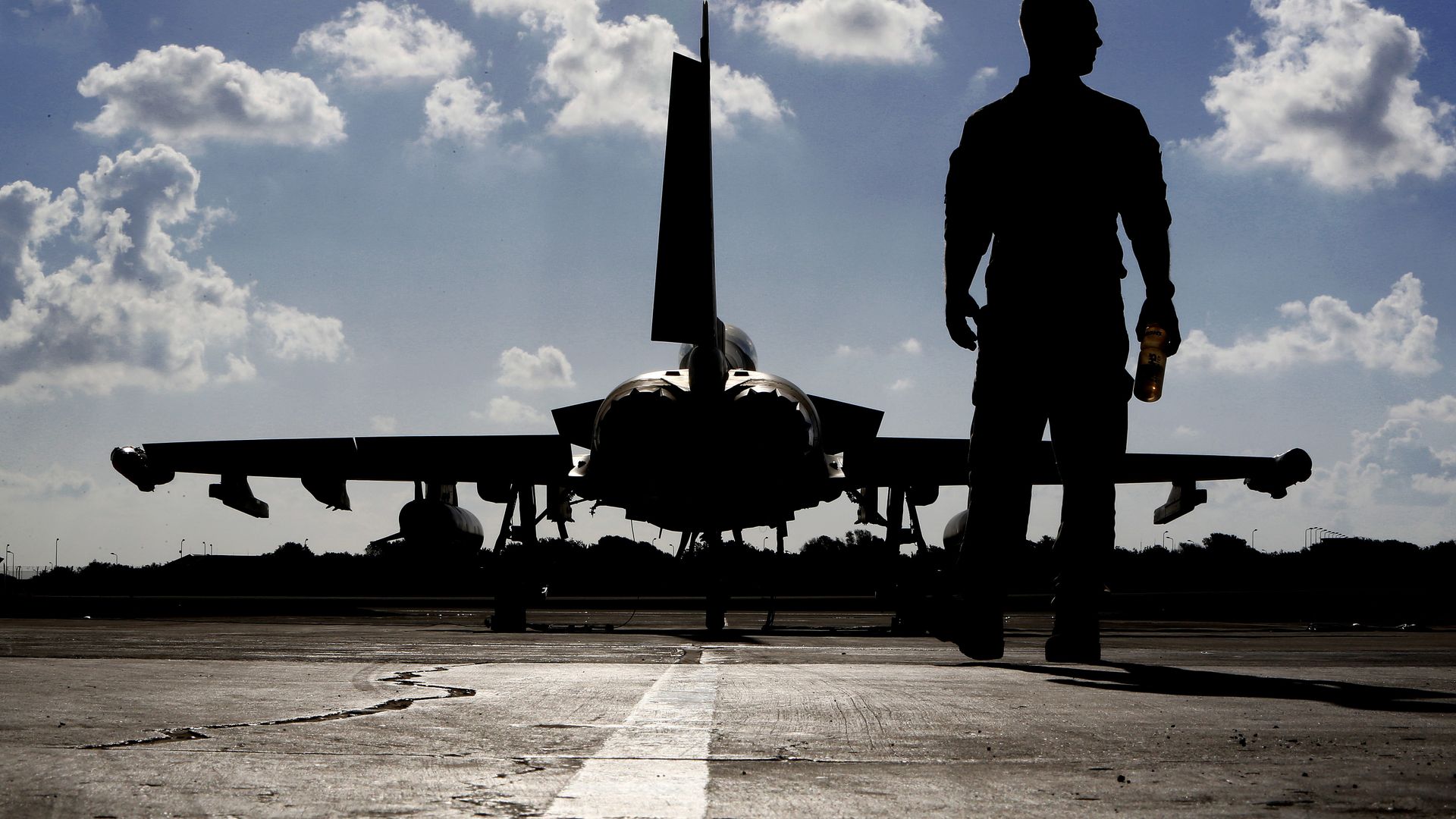
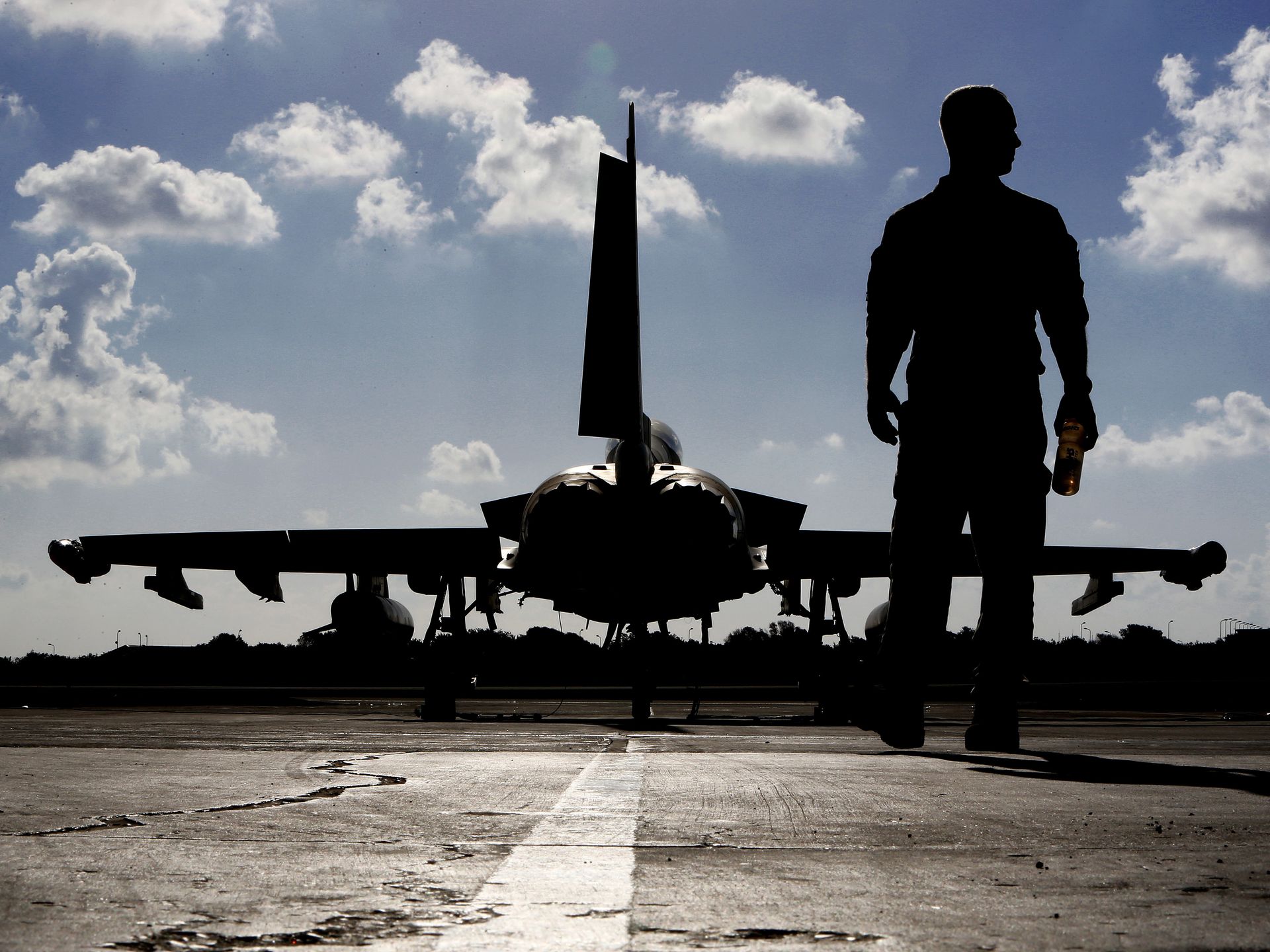
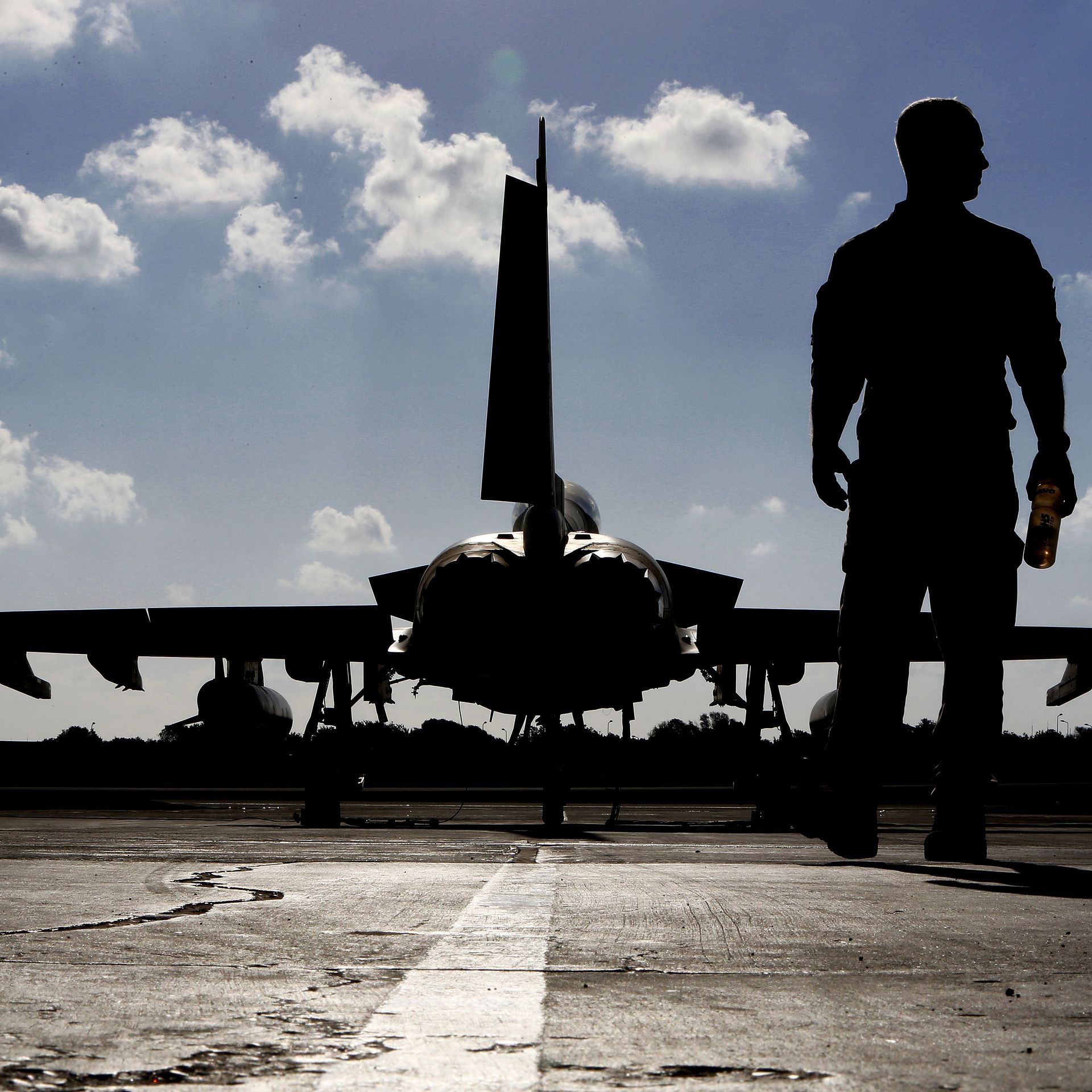
This photo taken on September 22, 2016 shows a British soldier walking by a Eurofighter Typhoon fighter jet at Royal Air Force's Akrotiri base in Cyprus, before taking off for a coalition mission over Iraq.
This photo taken on September 22, 2016 shows a British soldier walking by a Eurofighter Typhoon fighter jet at Royal Air Force's Akrotiri base in Cyprus, before taking off for a coalition mission over Iraq.
Soldiers of the 4th Battalion The Royal Regiment of Scotland
It's unclear whether disciplinary hearings in the other cases are yet to begin, are ongoing, or whether mitigating circumstances prevented offenders from being sacked.
A Ministry of Defense spokesperson is reported to have said that compulsory drug tests were regularly conducted, and only around 0.3 percent of the UK Armed Forces failed them. Anyone caught can expect to be disciplined.
Drugs are almost nine times more damaging to troop numbers than deaths in service. Ministry of Defense figures indicate that in 2015, there were 60 deaths in the UK Armed Forces; 11 deaths in the Navy, 39 in the Army and 10 in the RAF.
Newsfeed
0
Access to the chat has been blocked for violating the rules .
You will be able to participate again through:∞.
If you do not agree with the blocking, please use the feedback form
The discussion is closed. You can participate in the discussion within 24 hours after the publication of the article.