Space Technology of the Future: Exploring Near-Earth and Deep Space
Space Technology of the Future: Exploring Near-Earth and Deep Space
Sputnik International
This year marks the 60th anniversary of launching practical space exploration. Epic spacecraft launches conceal cutting-edge technology and bold engineering... 31.03.2017, Sputnik International
This year marks the 60th anniversary of launching practical space exploration. Epic spacecraft launches conceal cutting-edge technology and bold engineering solutions making it possible to conduct long-duration and longer-range space expeditions.
Work is underway to prepare for manned missions to the Moon and to Mars. Automated probes have reached the outer limits of the Solar System. This photo story describes advancements and innovations in space exploration.
The photo story has been prepared with the support of the National University of Science and Technology MISIS (NUST MISIS).
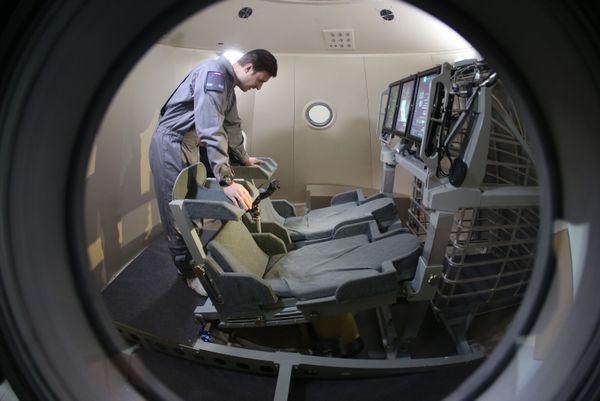
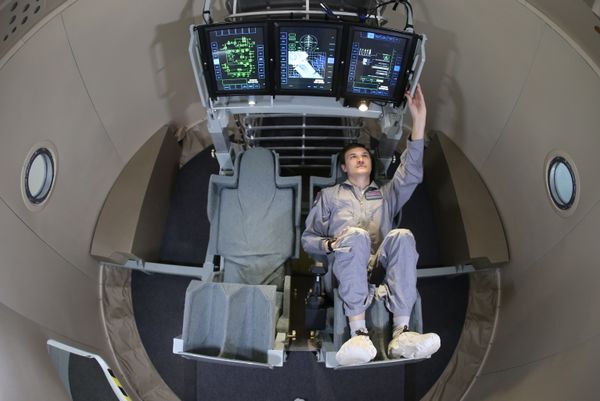
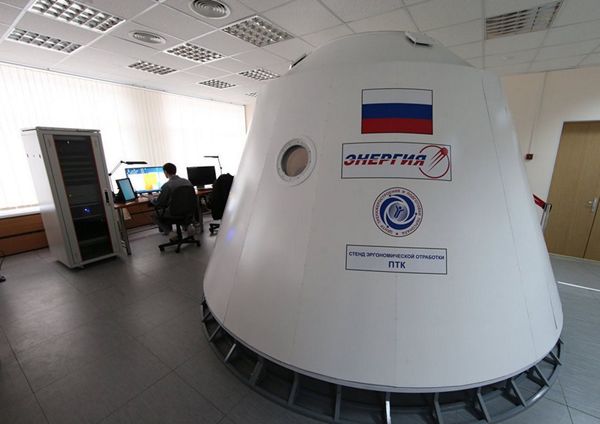
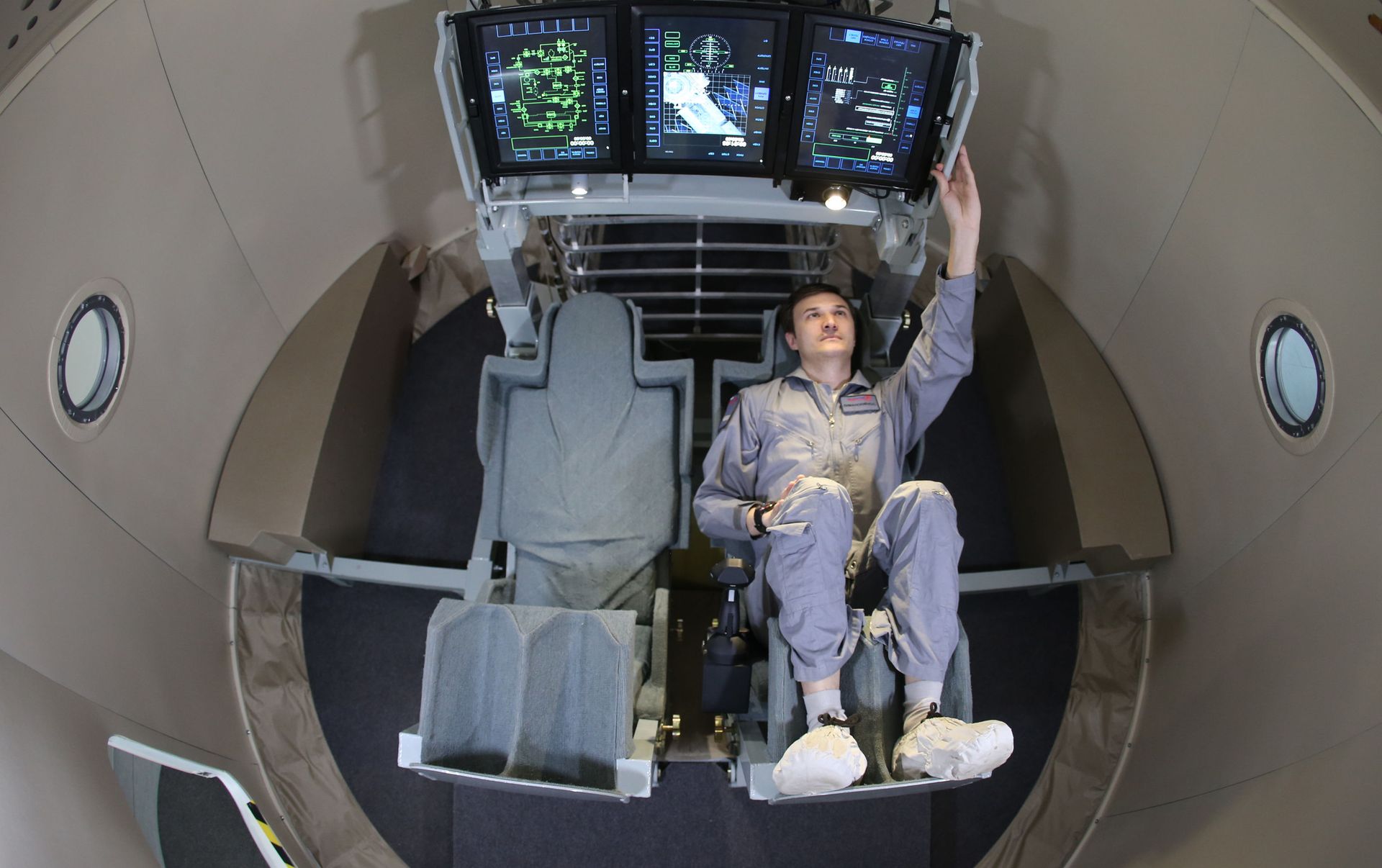
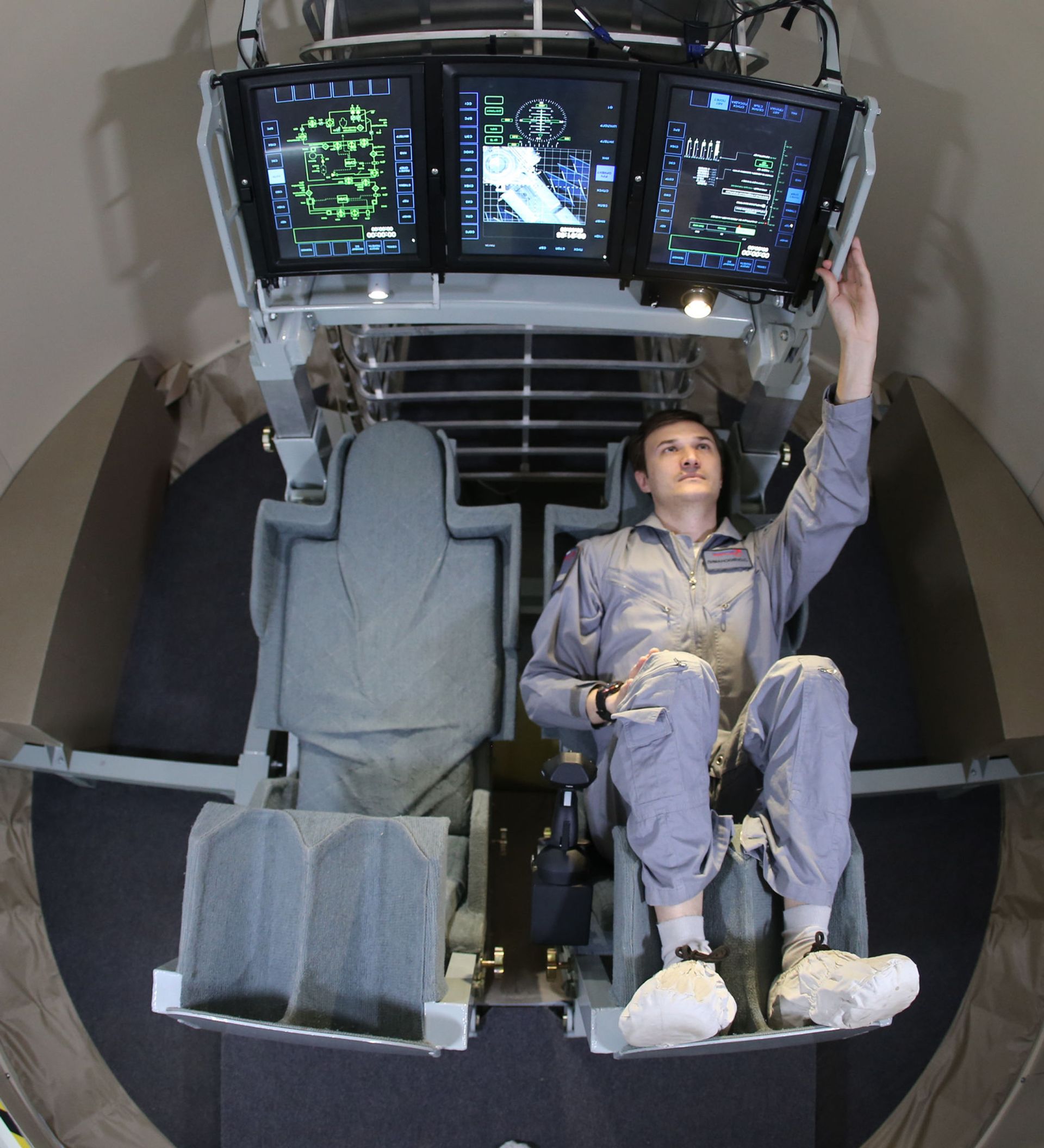
Successful space exploration is impossible without reliable spacecraft. Russia is developing the next generation Federation class manned spacecraft that can comfortably accommodate up to six crew members.
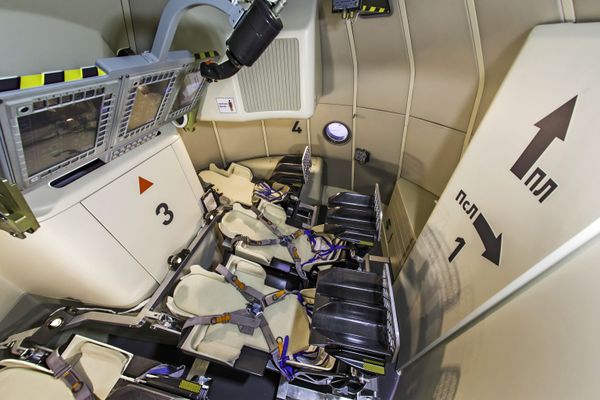
Optimal interiors can enhance a cosmonaut’s performance. The Federation class living compartment features control systems, a galley, a medical unit, a restroom and a room for privacy. The spacecraft interior design and ergonomics were developed by the National University of Science and Technology MISIS (NUST MISIS) Center for High Complexity Industrial Prototyping.
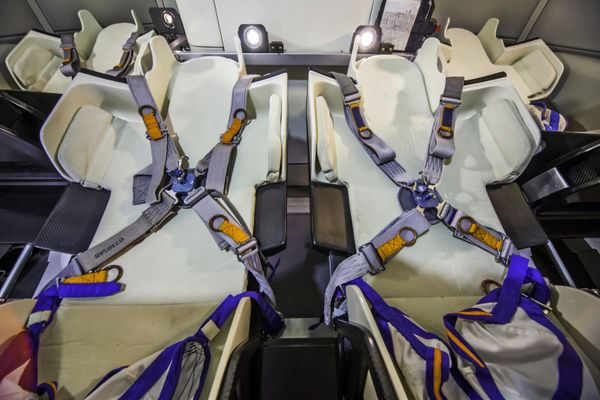
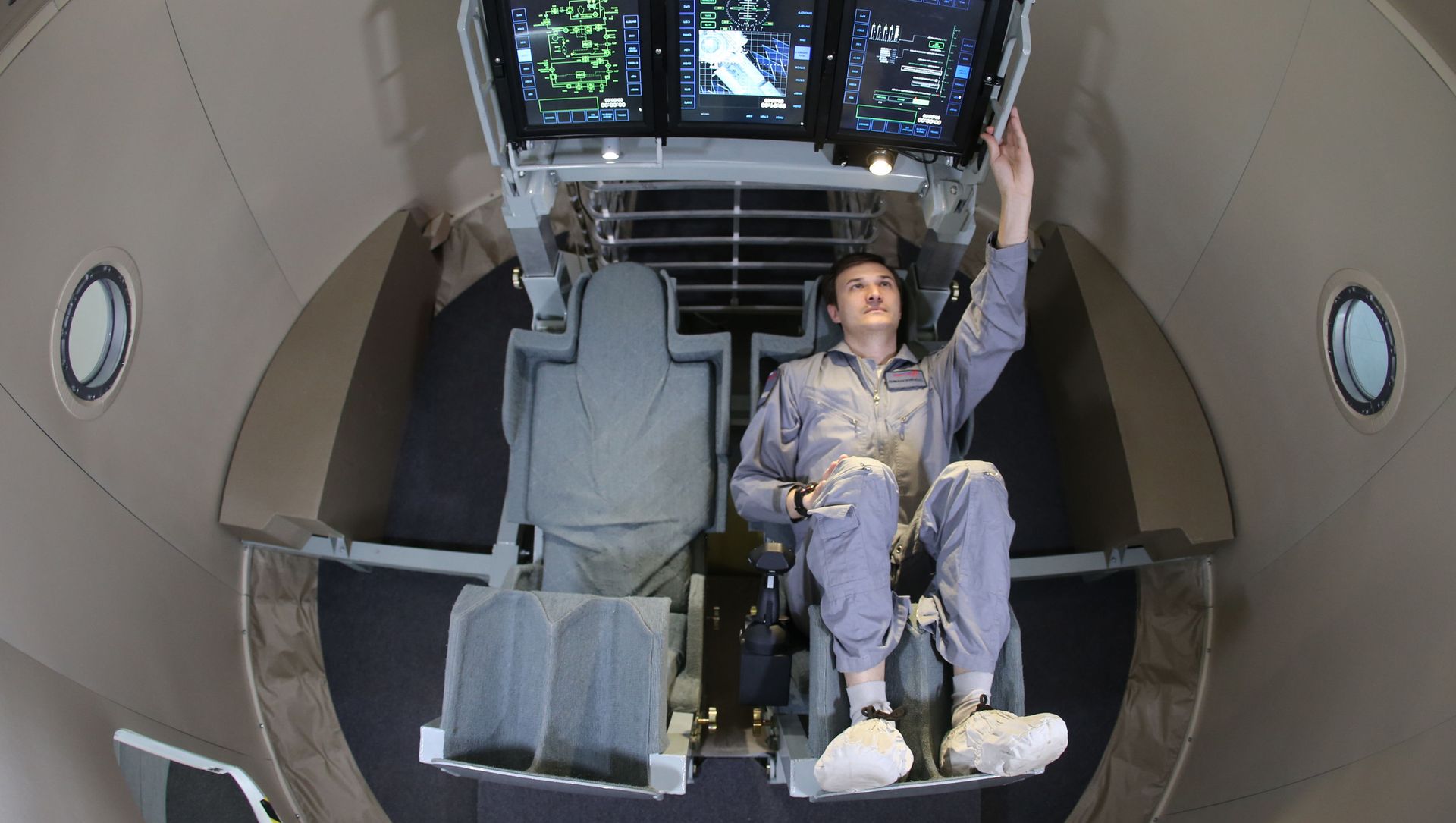
The new spacecraft will receive state-of-the-art carbon-fiber reinforced plastic chairs. For the first time in the history of the Russian space program, it will be possible to adjust the seat to accommodate a cosmonaut of any size. These reusable and adjustable seats no longer have to be pre-molded to each crew member’s body.
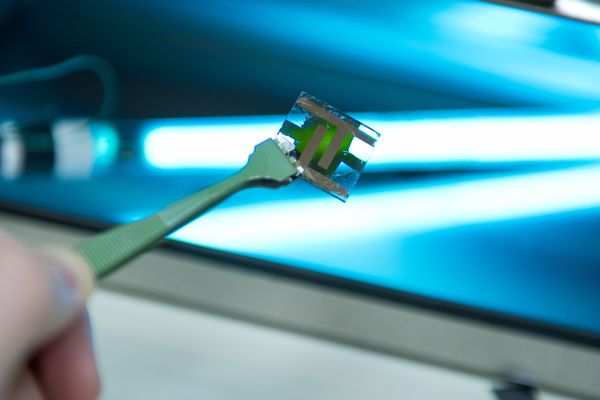
Space technology uses the latest materials, including perovskite, a hybrid metal-organic compound. Perovskites can be used to make flexible solar batteries, LED systems, lasers, monitors and high-sensitivity photo detectors. Some scientists even predict an upcoming “perovskite revolution” that will change many technologies in the near future.
The spacecraft Federation will provide a 30-day endurance, and it can fly for up to 12 months, while docked at a space station. A single person can control the Federation using a joystick and a system of touchscreen monitors.
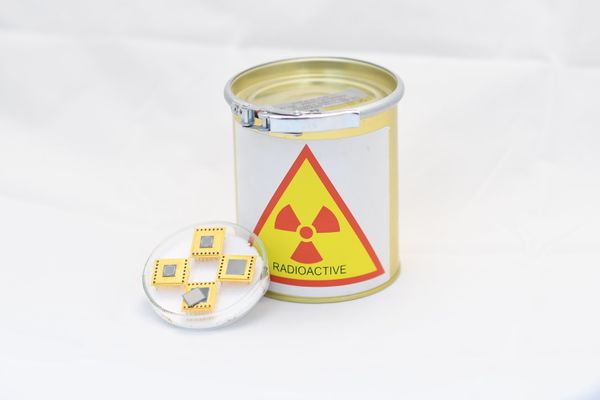
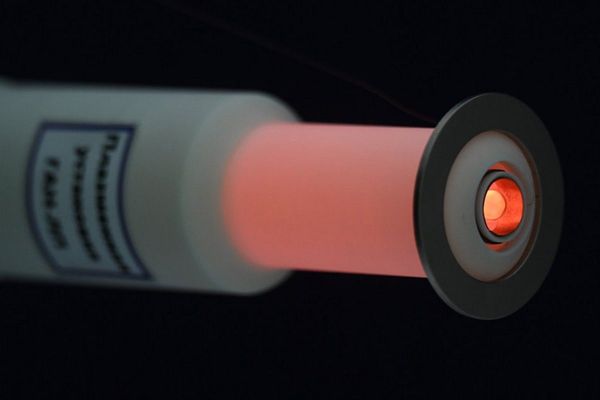
As there are no recharging stations in space, long-range expeditions need energy sources that can operate for decades without replacement or maintenance. This photo shows a beta-voltaic converter (nuclear battery) that generates electricity by converting the energy from the decay of radioactive materials.
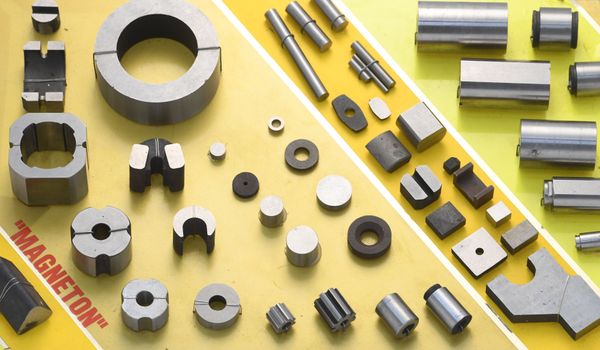
Various spacecraft systems, including engines and navigation systems, require powerful and effective magnetic-field sources. Permanent magnets based on rare-earth hard-magnetic materials can be used. These magnets can operate in the extreme environment of outer space, with temperatures ranging from minus 180 to plus 150 degrees Celsius.
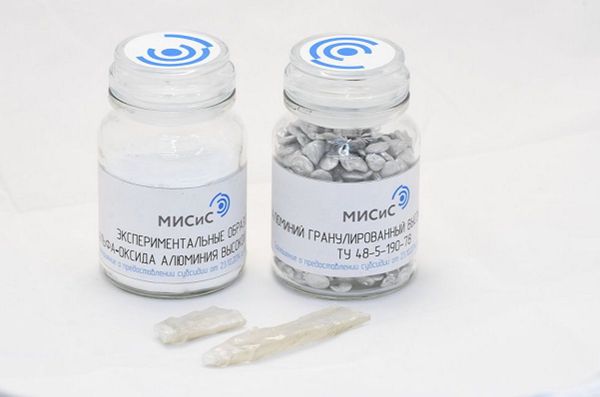
The portholes of future spacecraft could be manufactured from artificial sapphires (mono-crystal corundum stones). This material is obtained from super-pure aluminum oxide and is just as durable as steel.
Lunar soil remains highly ionized due to substantial solar radiation and can stick to equipment and space suits during lunar expeditions. Testing is being conducted to mitigate this. A consortium involving NUST MISIS, the Federal State Unitary Enterprise TUSUR, Tomsk State University and the Innovative Mining Technologies Science and Education Center, was established to develop a plasma unit to manufacture simulated lunar soil.
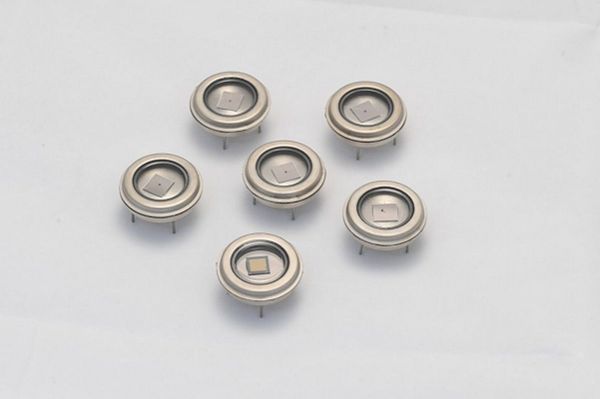
In addition to reaching a destination, any space crew will be conducting research. Photo detectors are a tool for scanning a terrestrial surface and outer space.
The Federation, due to perform its first flight in 2021, will ferry cosmonauts and cargo to the International Space Station and will be able to orbit the Moon. In the future, this spacecraft will land on the Moon and reach the asteroid belt.
Newsfeed
0
Access to the chat has been blocked for violating the rules .
You will be able to participate again through:∞.
If you do not agree with the blocking, please use the feedback form
The discussion is closed. You can participate in the discussion within 24 hours after the publication of the article.