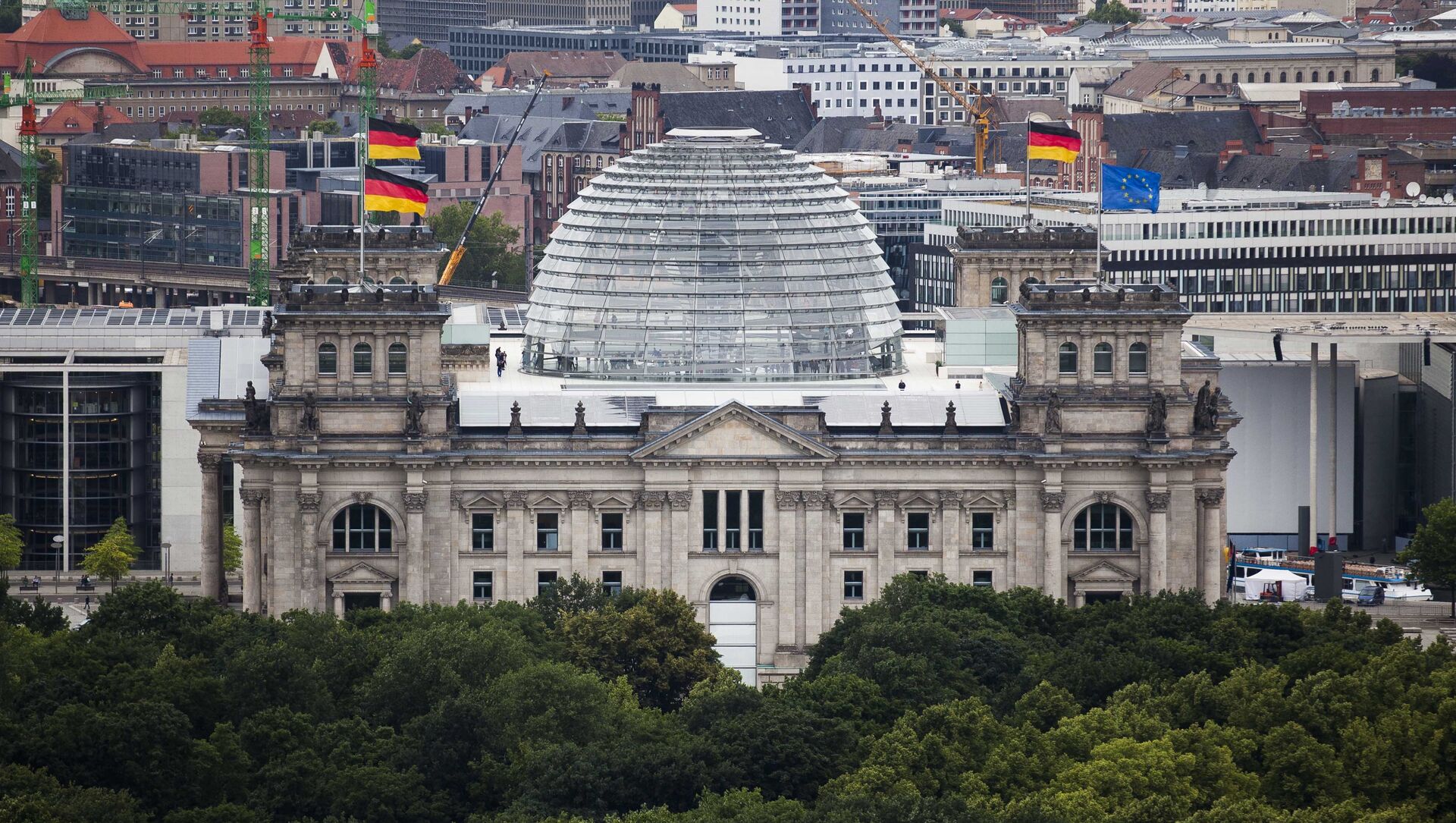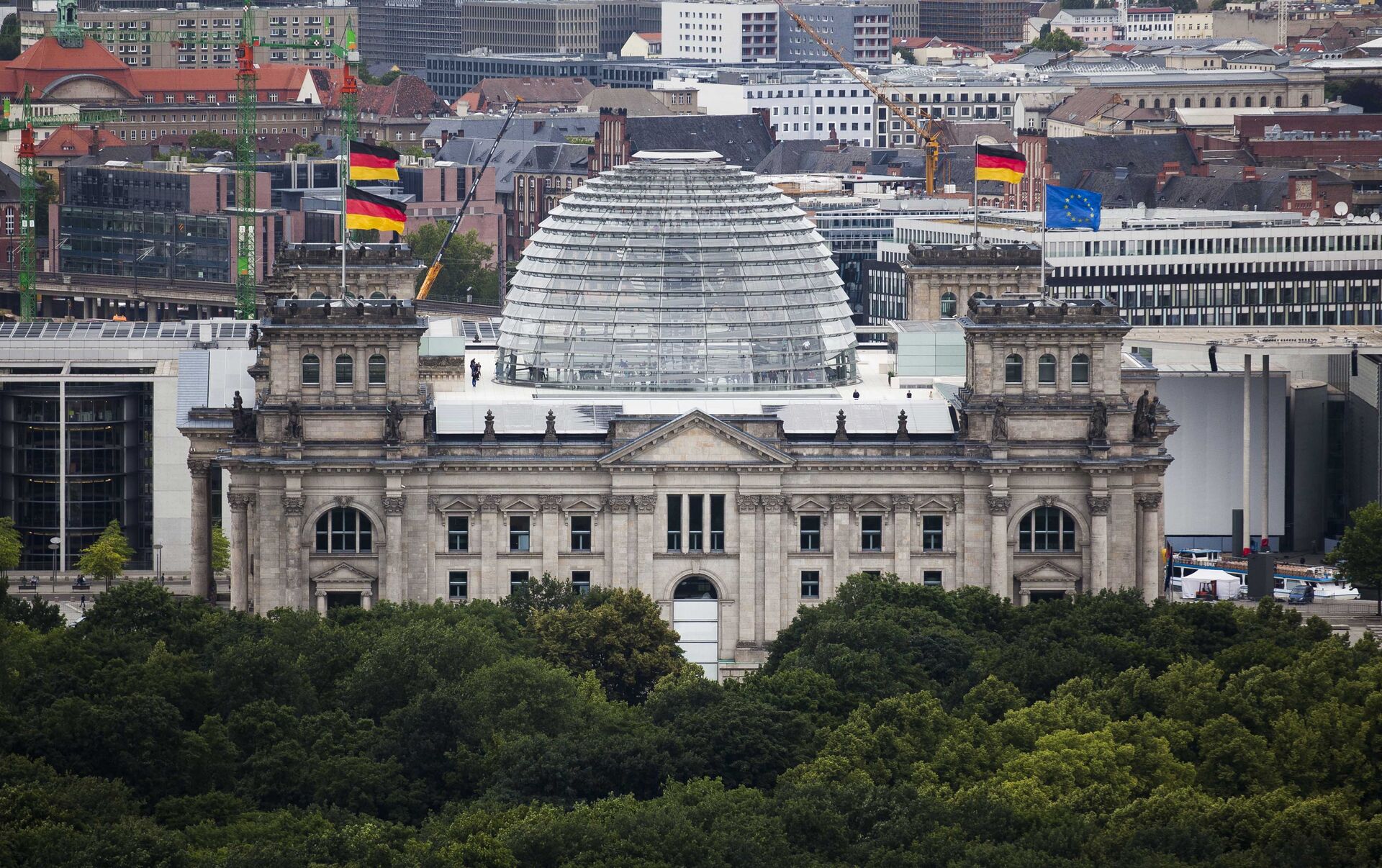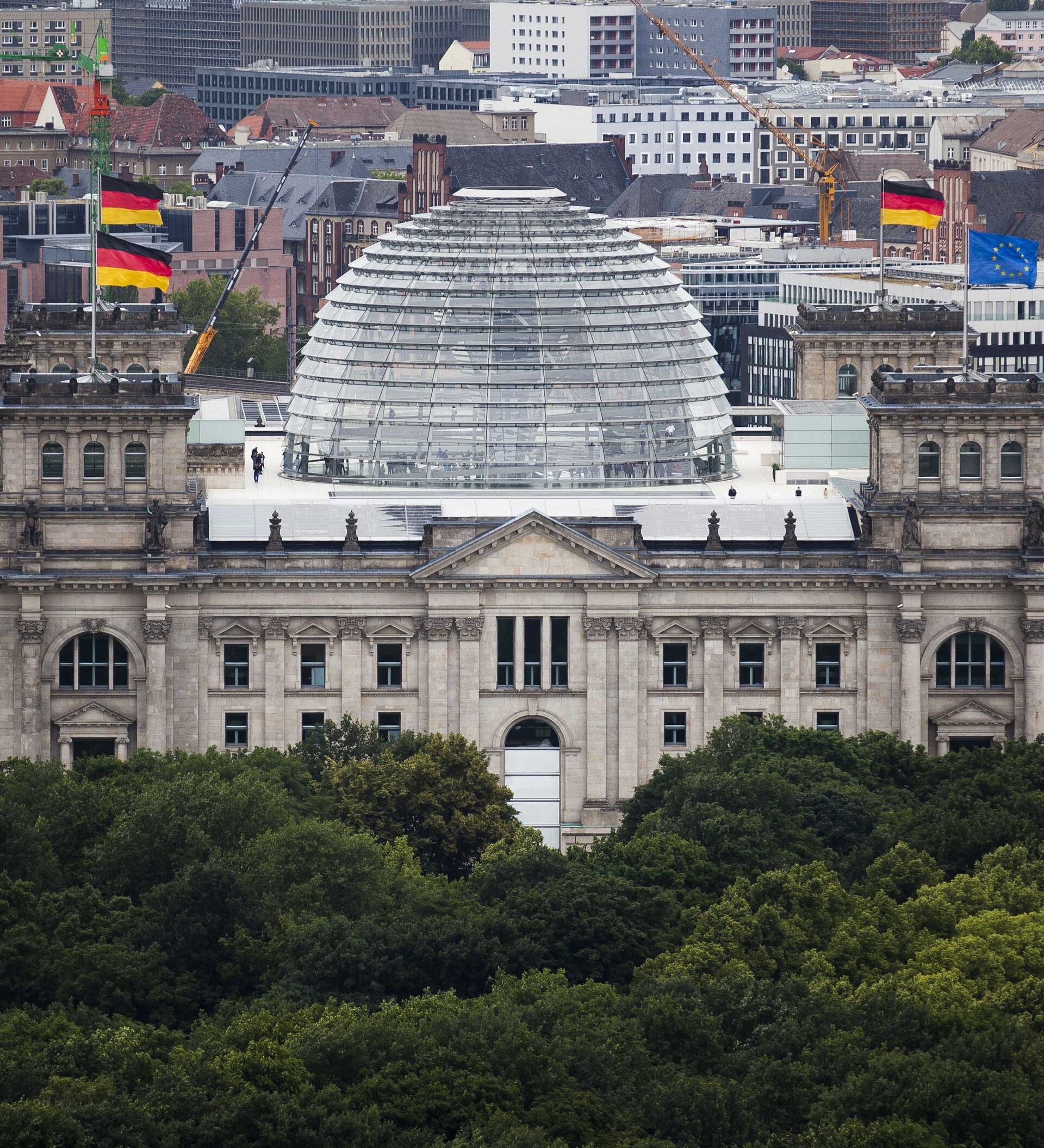
Kristian Rouz – The German economy gained momentum in the first quarter of the year, driven by foreign trade, as well as domestic consumption and investment, hitting a one-year high. The boom in construction, along with higher spending from the federal and state governments, also contributed to quicker growth, brightening the economic outlook for the entire eurozone.

The German economy expanded by 0.6 percent in 1Q17 compared to s 0.4 percent growth in the previous quarter, according to the data released by the Federal Statistics Office, meaning Europe’s powerhouse is currently running full steam, driving higher inflation and brightening the economic outlook in the eurozone. The Q1 expansion was the quickest in a year, whilst German business sentiment increases to its six-year high this month, suggesting the current quarter’s pace of expansion could exceed the last quarter’s reading.
Year-on-year, the German economy grew by 2.4 percent in Q1, outperforming the US and several other advanced economies.
“This is a very bright picture of the German economy,” Jens Kramer of Hannover-based Norddeutsche Landesbank said. “Growth is healthy because consumer spending is strong and investments are strong while trade continues to contribute to the expansion.”
Private consumption gained 0.3 percent in 1Q17 compared to 0.2 percent the previous quarter, whilst equipment investment broke into positive territory gaining 1.2 percent compared to —0.1 percent in 4Q16. Construction also accelerated to a 2.3 percent gain in Q1 from the 0.8 percent increase the previous quarter.
“If this development continues on a sustained basis, monetary policy normalisation will also near,” Jens Weidmann of Deutsche Bundesbank said.
The eurozone’s monetary policies currently include roughly 2 trillion euros of private debt purchases at a pace of 60 billion euros per month. Before April, the ECB was buying 90 billion euros worth of private bonds monthly, but now that economic growth has improved, further cuts in monthly asset purchases are expected, with the overall stimulus being gradually removed. Interest rates, currently at zero and —0.1 percent interest on deposits, are also poised to go up as eurozone inflation nears the ECB’s 2 percent target.
“This is the first small step towards the exit, but the exit will not be rushed,” Marco Valli of Milan-based bank UniCredit SpA said. “All seems to suggest that by the end of next year, QE (quantitative easing, the ECB’s monthly asset purchases) should be over.”
The Bundesbank said on Monday that they expect the German economy to further accelerate in the current quarter due to the ongoing increases in overseas shipments and improvements in domestic consumer demand. A gradually tightening labor market drives the gains in consumer sentiment, but the main indicator in focus is business investment, which might contribute the most to the Q2 GDP expansion.
"The economic upswing has become more broad-based," Thomas Gitzel of VP Bank said. "Hopes are growing that this will become a self-reinforcing boom."
Most of the Q1 improvement in domestic investment was driven by the private sector of the economy, providing enough grounds to assume its self-sustainability, but also suggesting a higher degree of volatility in this segment. The German government has long been criticized for its lack of effort to contribute to domestic investment.
As of May, domestic demand has posted further improvements, whilst sectors such as manufacturing and construction require more hard data to come out. According to Ifo Institute’s preliminary estimates, German business sentiment has improved to 113.1 in May, its six-year high, from 112.9 the previous month.