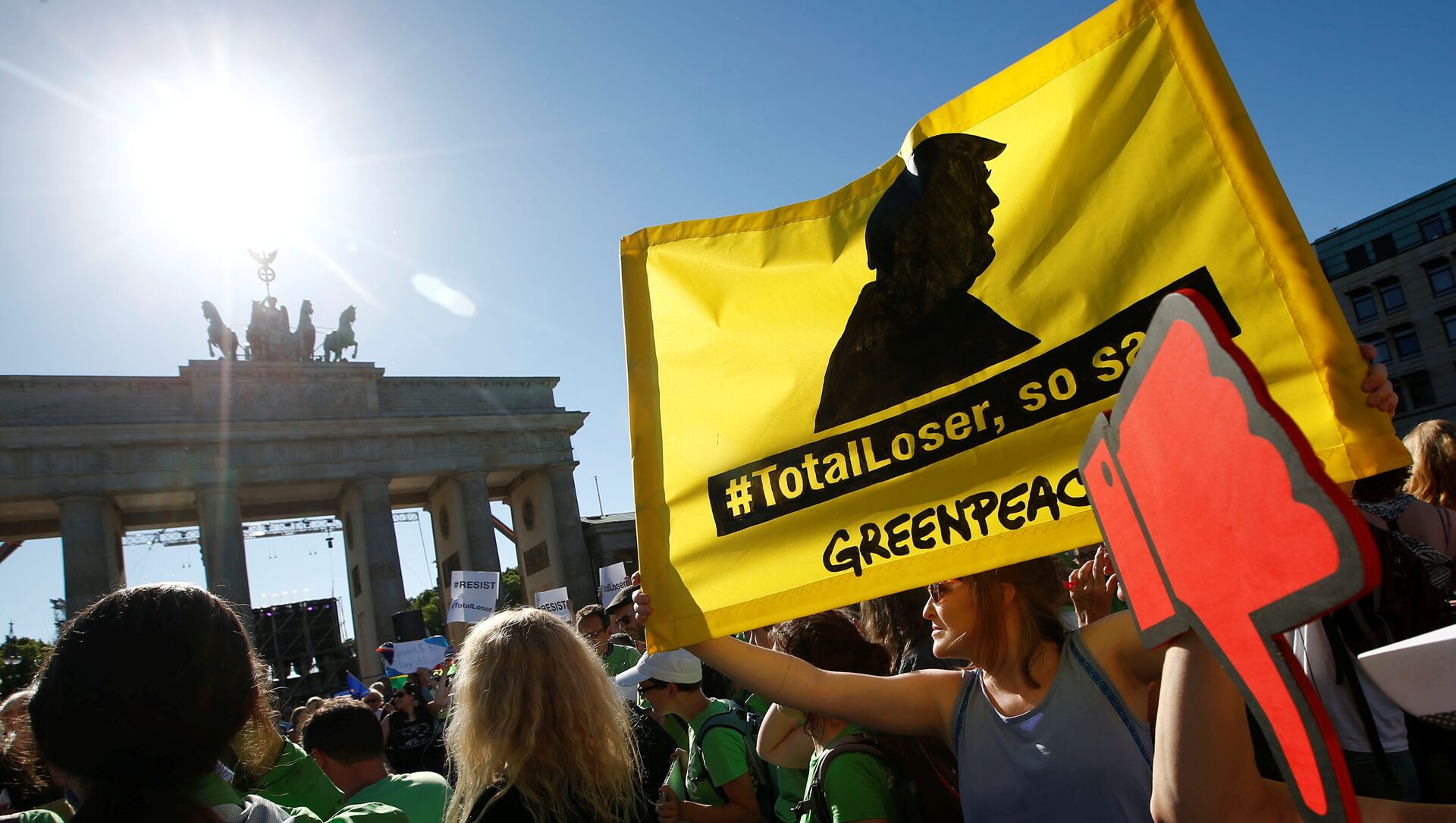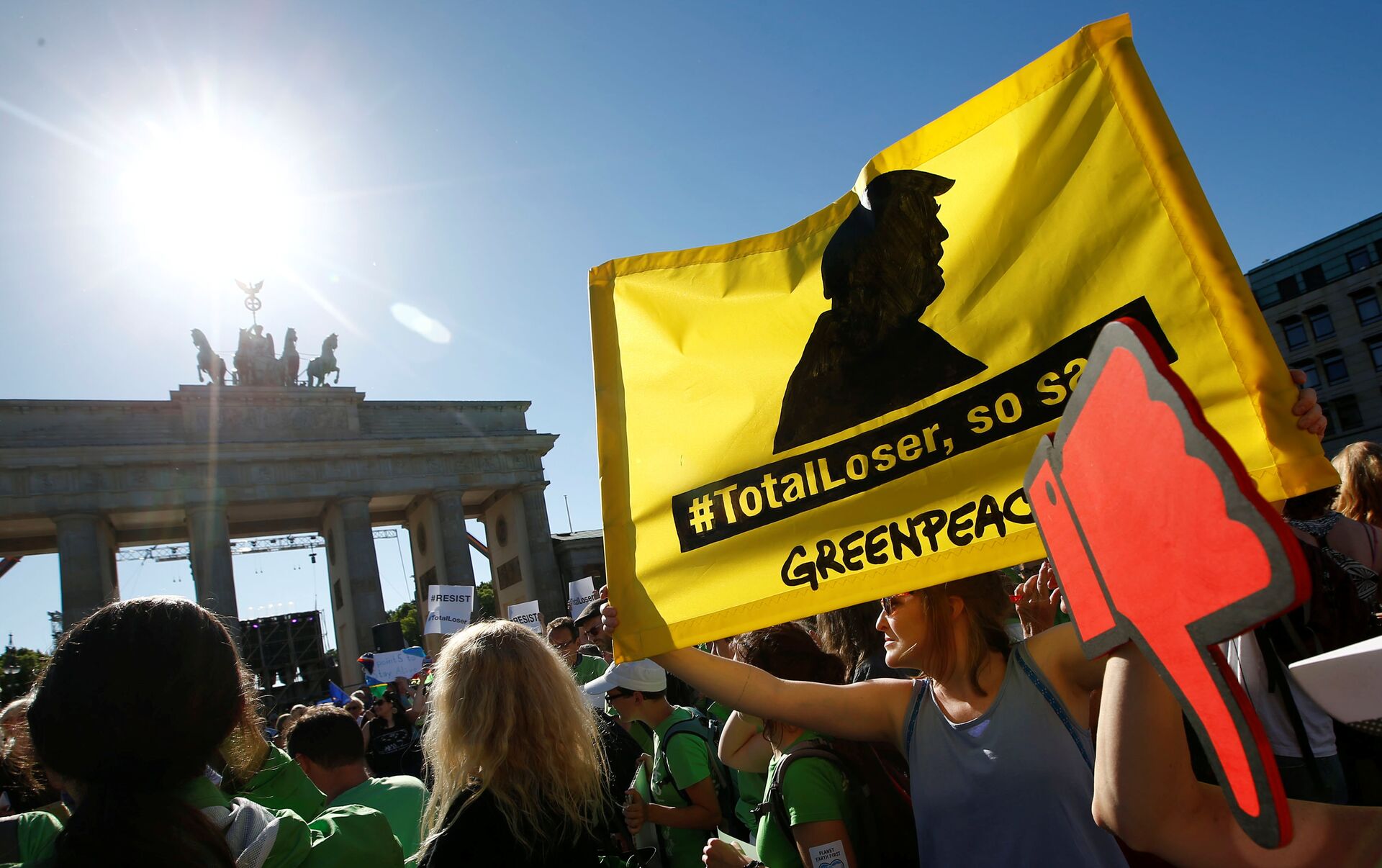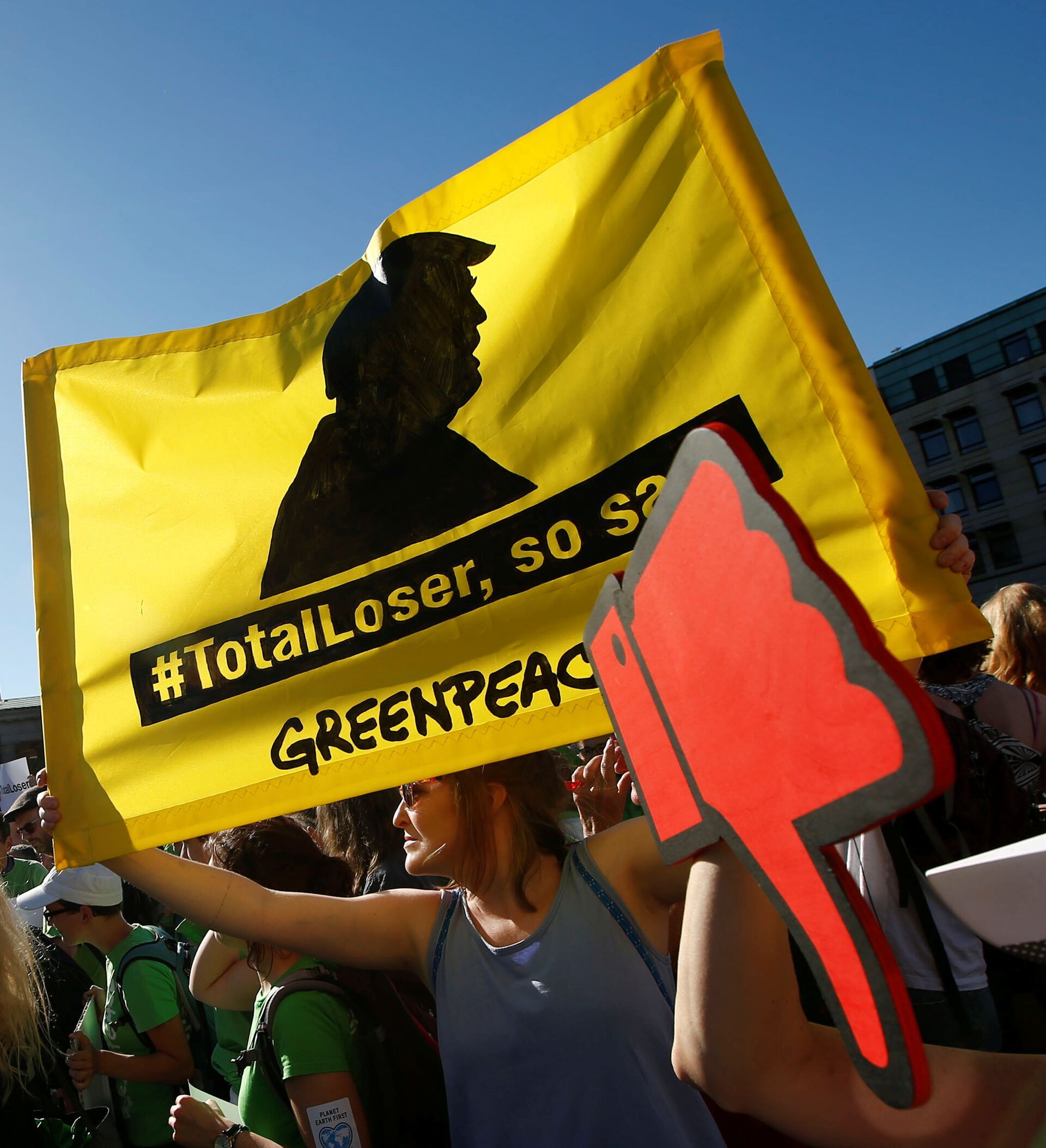
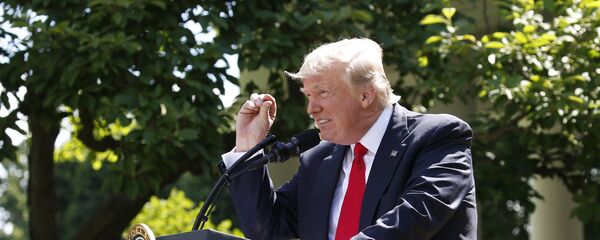
On June 1, US President Donald Trump announced that the United States would withdraw from the Paris accord, which is aimed at alleviating the consequences of global warming. Earlier on Tuesday, Germany's Environment Minister Barbara Hendricks said that the absence of $500 million in contributions from the United States to the Green Climate Fund, a foundation within the UN Framework Convention on Climate Change that helps developing countries counter climate change, would be noticeable starting from 2018.
"It is not the task of any one country to fill the void that the United States will leave in financing the Green Climate Fund. This will need to be discussed within a broad alliance of all the many nations supporting the Paris agreement," Smid said.
"The boom of clean energies in Germany has been remarkable and it’s encouraging to see that an industrialized [state] such as Germany manages to increase the share of clean energies to a third within a small number of years. However, this impressive achievement will only become a success story to inspire and encourage other nations if it goes hand in hand with decreasing emissions – which is not the case right now," Smid stressed.
The Paris climate accord, created within the UN Framework Convention on Climate Change and championed by former US President Barack Obama, has been signed by 195 parties and ratified by 148.
The agreement aims at keeping the increase in average global temperature at below 2 degrees Celsius above pre-industrial levels, by reducing greenhouse gas emissions. Each party to the deal has agreed to cut their emissions, and is expected to produce its own plan for achieving these goals, determine the time line and then report on its progress.