Prehistoric people inhabited the Solovetsky Islands as early as the Mesolithic period, when the climate was better than today. In the 3rd millennium BC, villages, sacred sites and stone labyrinths were built on the islands.
Since the 15th century, the archipelago has been the site of fervent monastic activity. In 1967, the Solovki State Historical, Architectural and Natural Museum-Reserve, one of the largest nature reserves in Russia, was established here. Today, the islands are home to more than 250 historical and cultural monuments, and included in the UNESCO World Heritage List.
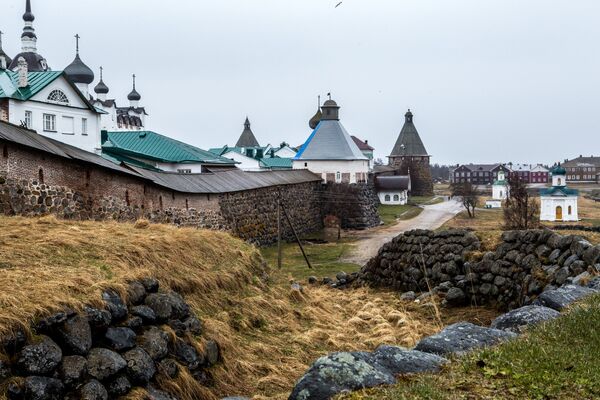
In 1436, one of Russia's most famous and holy monasteries was founded by three monks in the Solovetsky Islands. One of the major pilgrimage destinations, the Russian Orthodox Solovetsky Monastery complex extended its commercial activities in the 15th and 16th centuries, becoming an economic and political center of the White Sea region.
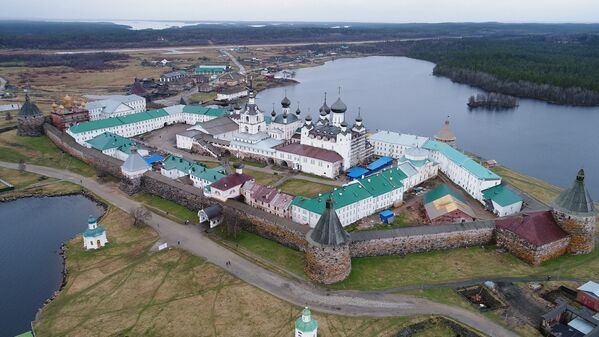
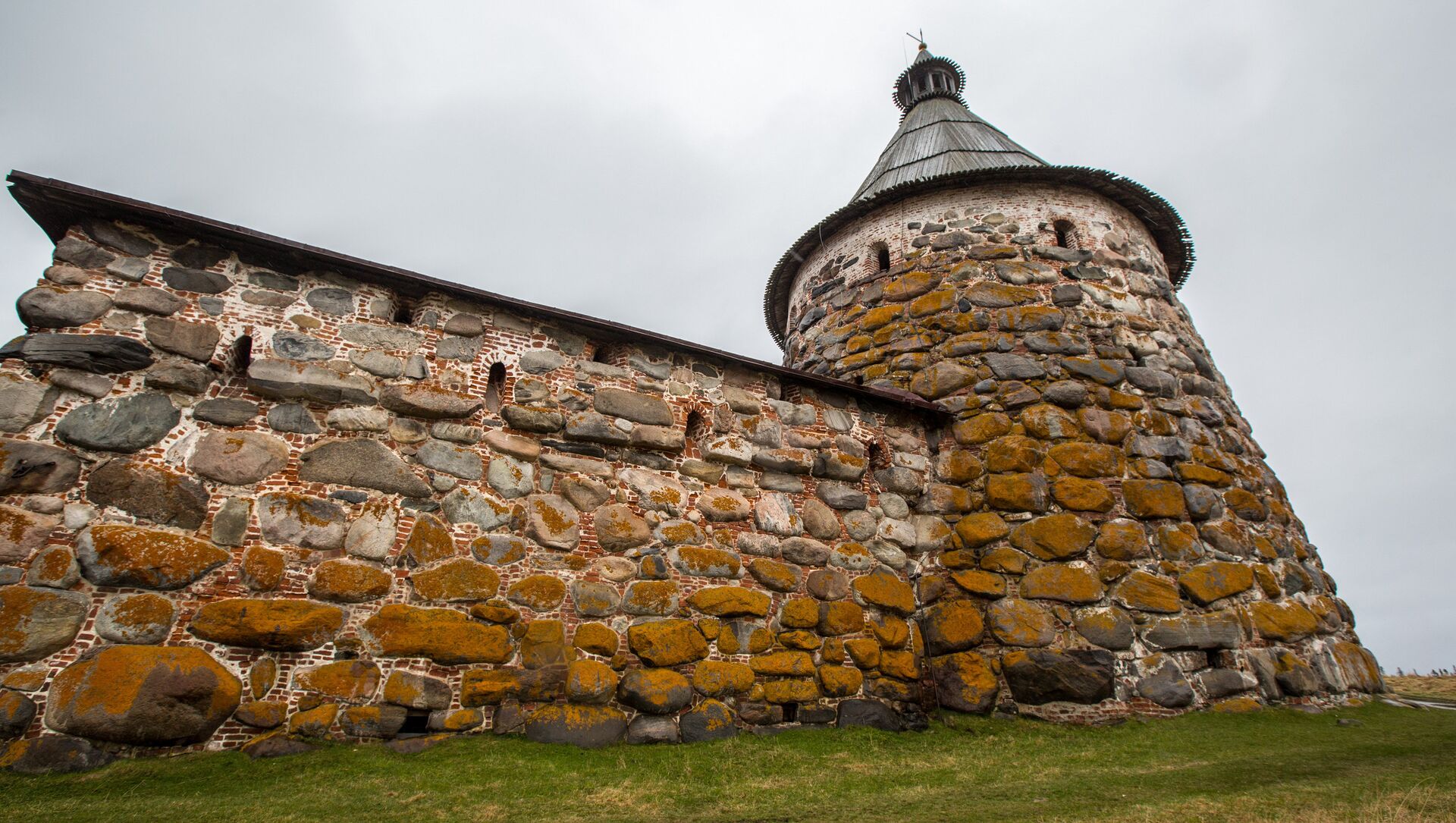
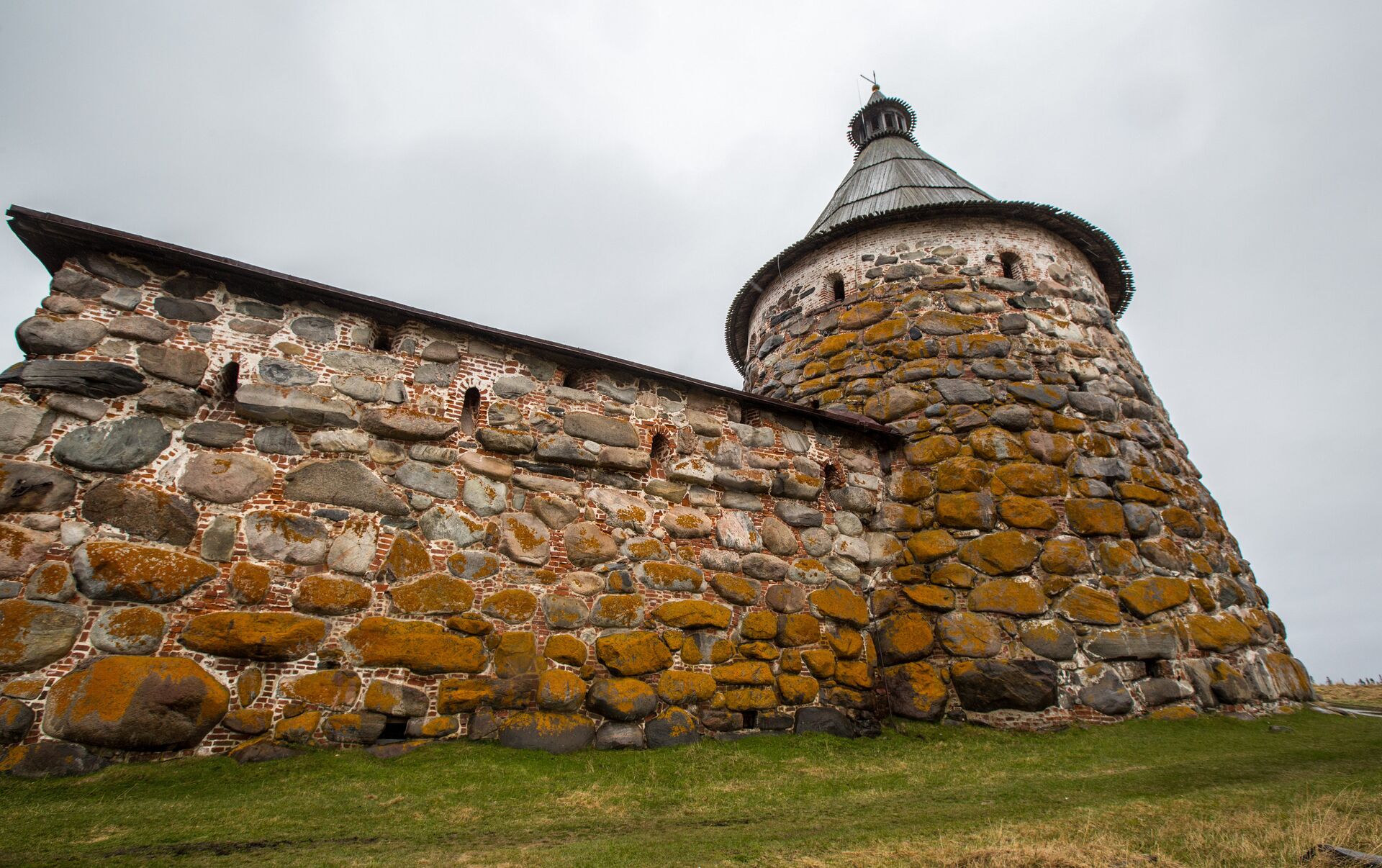
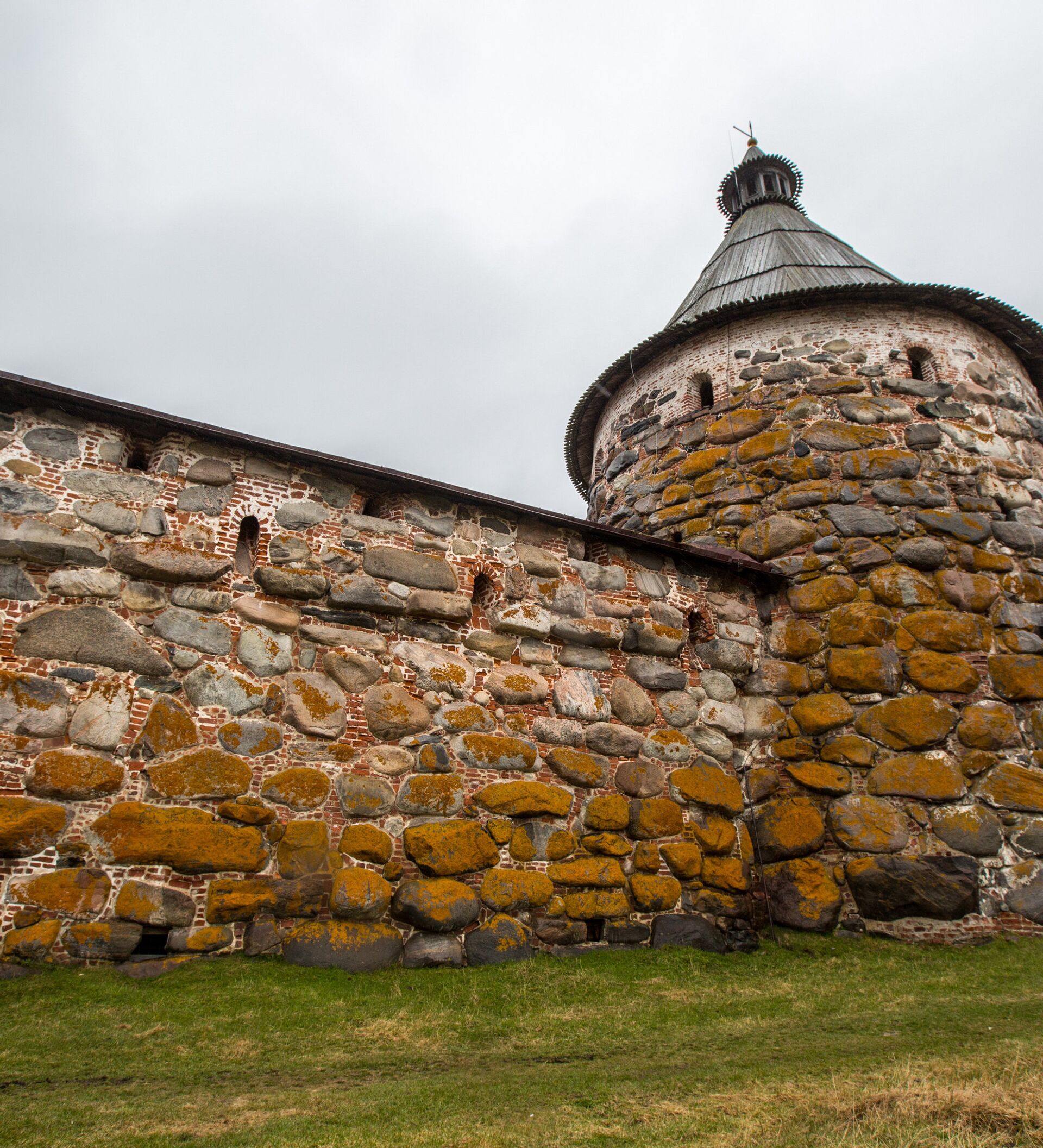
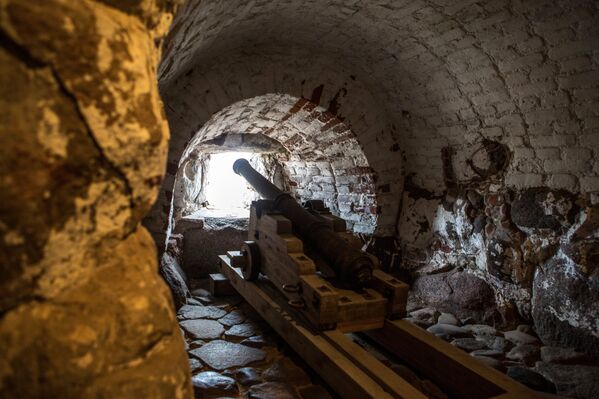
The Solovetsky Monastery also represented an important frontier fortress with a garrison and artillery. Throughout its history, the fortified monastery experienced several major changes and military sieges.
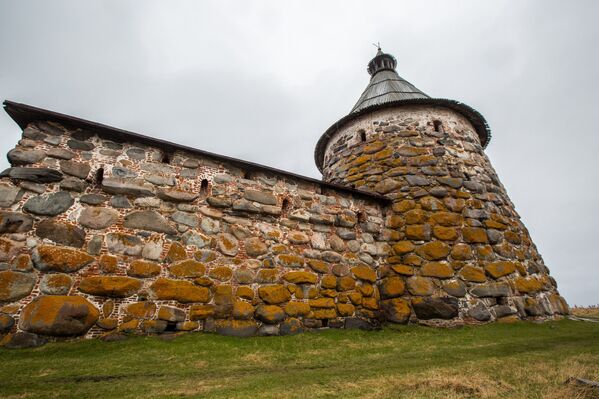
From the 16th century until the 19th, the monastery also served as a political and ecclesiastical prison. The cells were organized in the monastery towers and walls. According to various estimates, about 500-550 inmates were imprisoned in Solovetsky Monastery. The prison was officially closed in 1883.
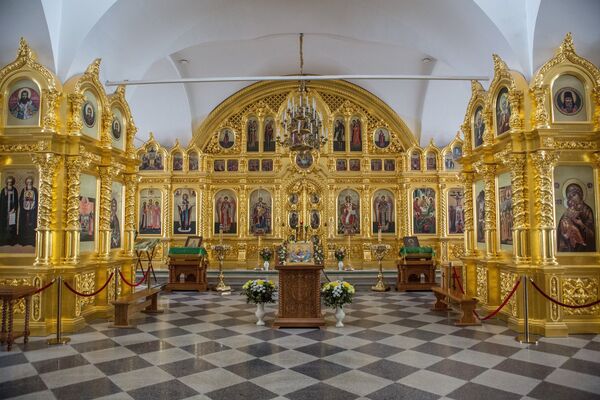
The Solovetsky Monastery was one of the largest Christian citadels before it was converted into a Soviet prison and labor camp in 1926. It became a prototype for camps within the Soviet forced-labor camp system introduced during Joseph Stalin's rule.
The camp was closed in 1939, on the eve of World War II. By the beginning of the war, there was a naval cadet training camp for the Soviet Northern Fleet on the territory of the monastery.
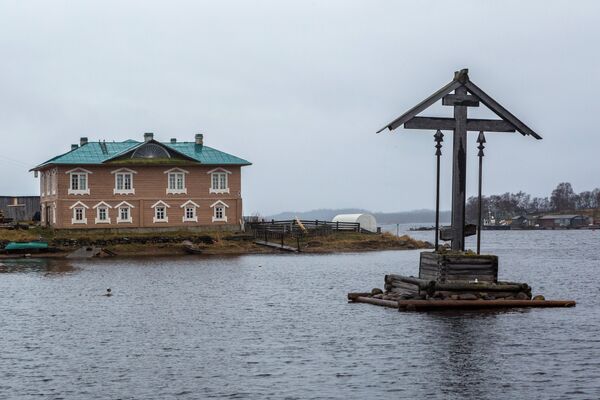
Unfortunately, several temples, chapels and other memorable places were demolished during Soviet times. To commemorate their past glory, the monastery established about 20 crosses on the territories of the destroyed sites.
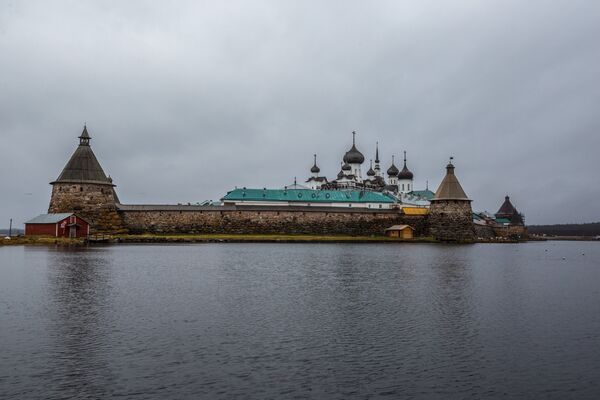
A small brotherhood of monks re-established activities in the monastery after the end of the communism.
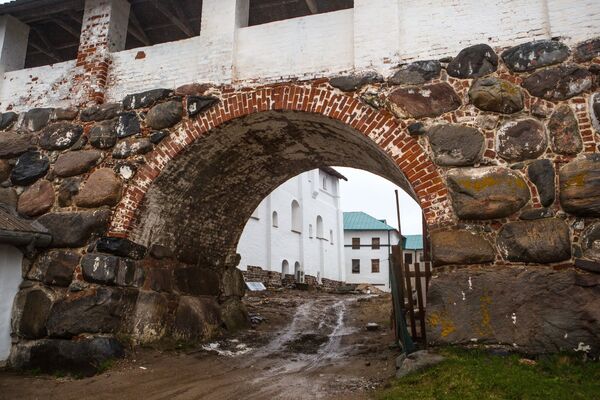
In 1992, the islands were recognized by UNESCO "as an outstanding example of a monastic settlement in the inhospitable environment of northern Europe which admirably illustrates the faith, tenacity, and enterprise of later medieval religious communities."
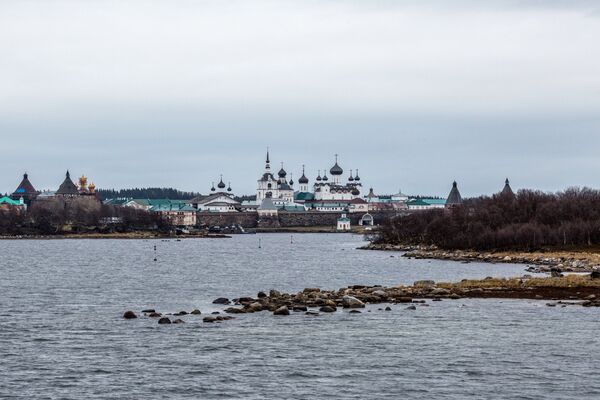
The Solovetsky Monastery is also a historical and architectural museum. It was one of the first Russian sites to have been inscribed on the UNESCO World Heritage List.
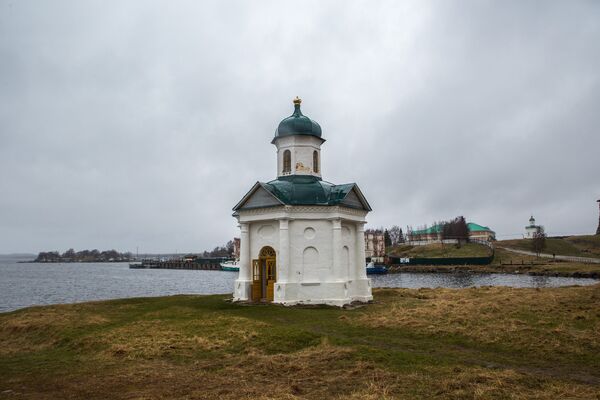
Alexander Nevsky Chapel was built in 1858 at the order of Russian Emperor Alexander II after his visit to Solovki. The white chapel on the shores ofBlagopoluchiya Bay (the Bay of Wellbeing) was named in honor of the emperor’s patron saint, Alexander Nevsky.
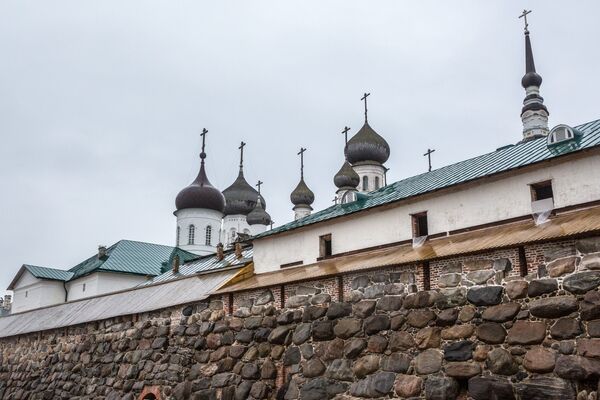
The Solovetsky Monastery has recently been extensively repaired.
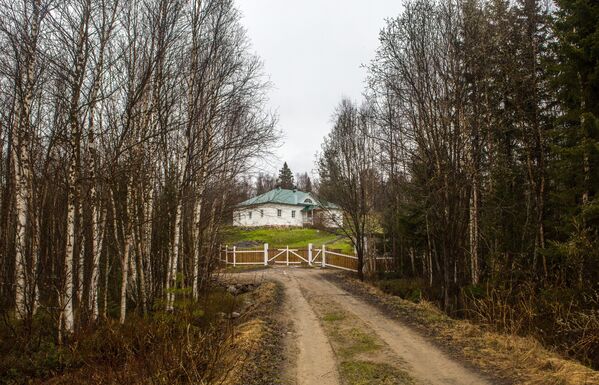
Dozens of sites on its territory remain under reconstruction and should be restored by 2020.
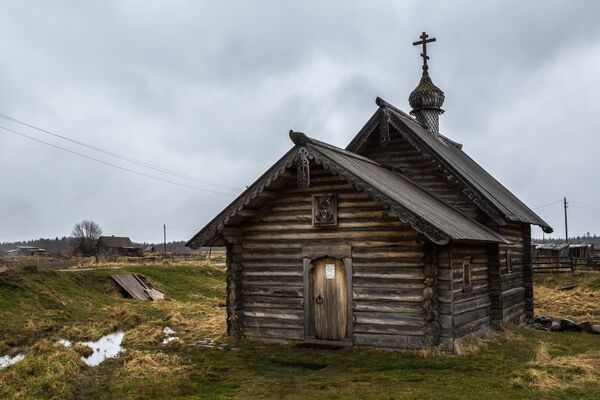
In addition to the main Solovetsky Monastery, there are a number of detached monasteries at Solovki founded in the 16th-19th centuries.
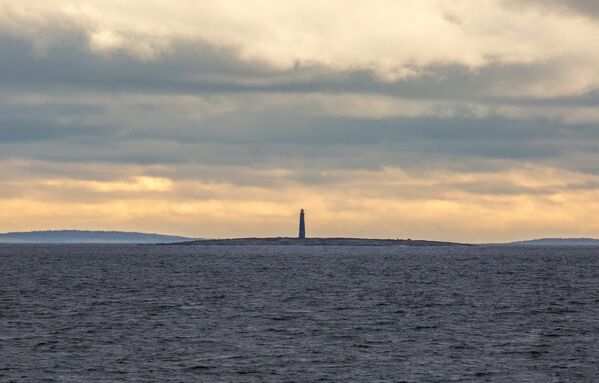
A lighthouse on an island of the Solovetsky archipelago.
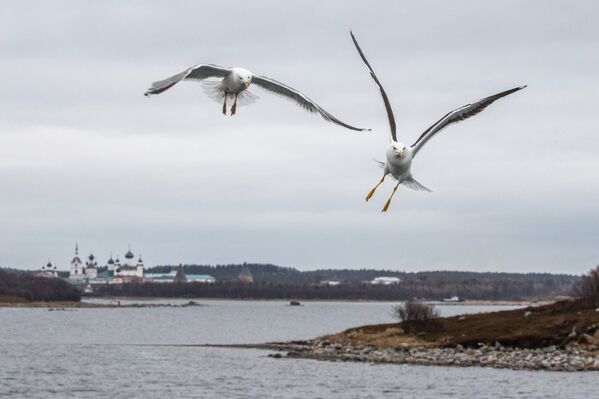
Solovki is called "Islands of the Lakes." There are more than 600 lakes in the archipelago, which occupy 13.5% of its total area.